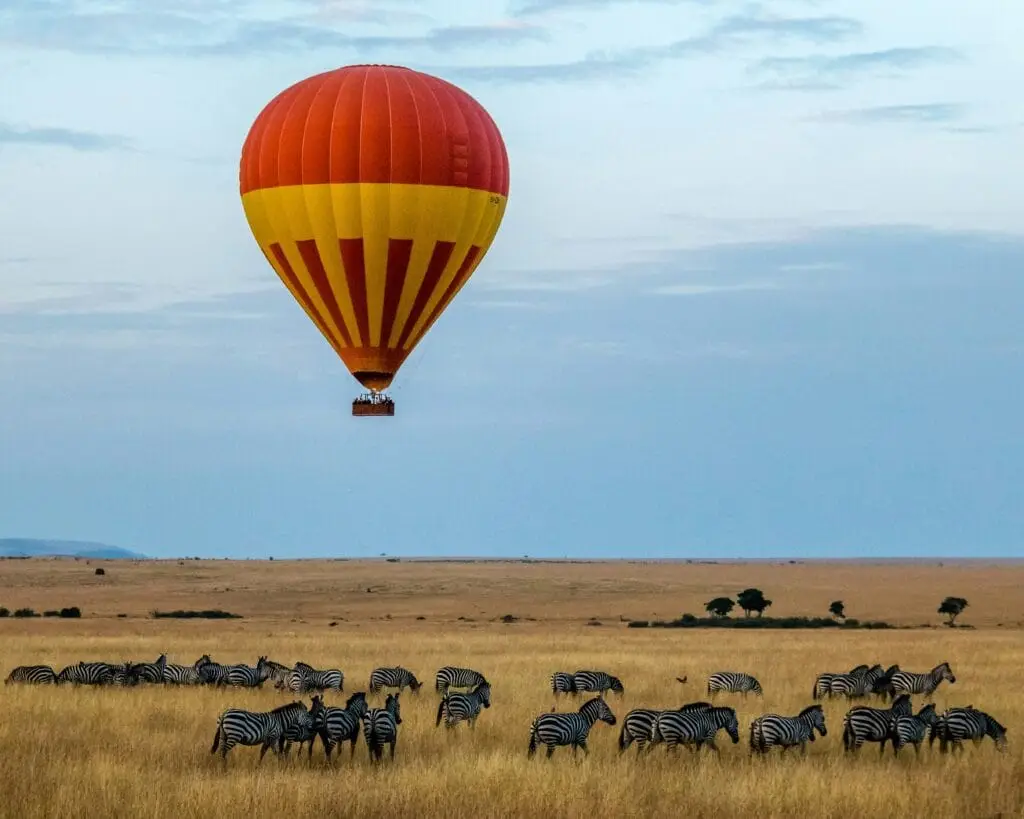
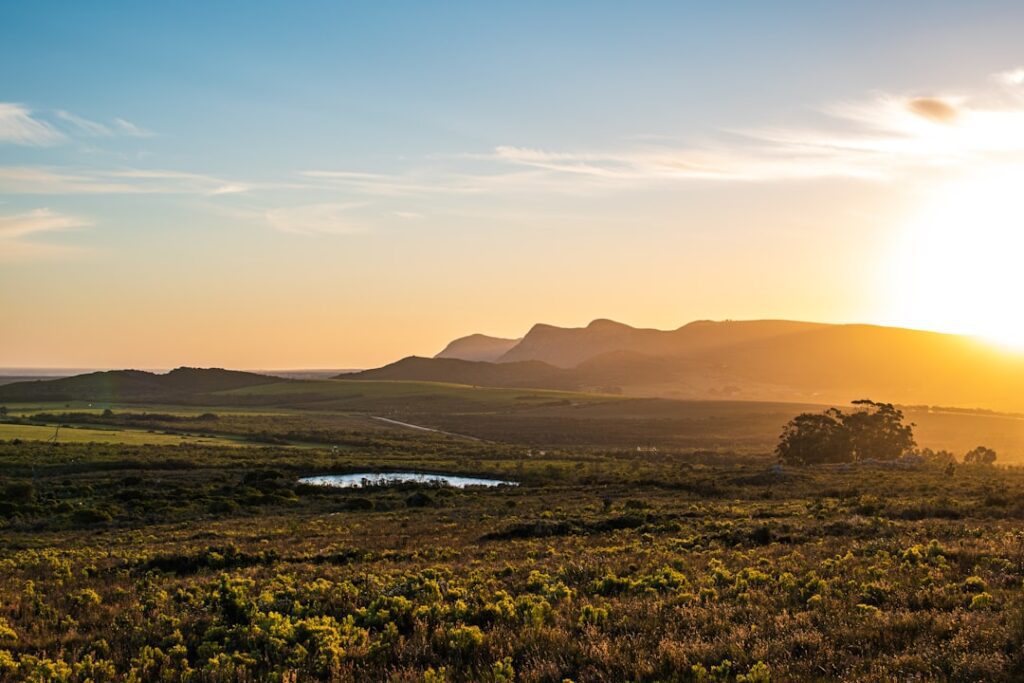
South Africa stands as one of the world’s most captivating destinations for wildlife and travel photography. From the dramatic peaks of Table Mountain to the vast savannas teeming with African megafauna, south africa cape town and safari destinations offer photographers endless opportunities to capture extraordinary moments. Whether you’re a seasoned professional or an enthusiastic amateur, these landscapes and wildlife encounters provide the perfect backdrop for creating award-winning images that will resonate with audiences worldwide.
The challenge many photographers face is deciding where to focus their efforts in such a vast and diverse country. With countless destinations, varying wildlife populations, and seasonal considerations, planning an effective photography trip requires strategic thinking. The solution lies in understanding the unique photography opportunities each region offers and timing your visit to maximize both wildlife encounters and natural lighting conditions.
Why South Africa is a Premier Wildlife Photography Destination
South Africa delivers unparalleled diversity across its ecosystems. The country hosts the iconic African Big Five, stunning coastal landscapes, and vibrant urban environments—all within accessible distances. Unlike many wildlife destinations that require extensive travel infrastructure, South Africa combines world-class tourism amenities with authentic safari experiences, making it ideal for photographers seeking professional-quality shots without sacrificing comfort.
The combination of South Africa wildlife photography and urban exploration creates a unique advantage: you’re never limited to a single experience type. One day you might capture penguins at Boulders Beach, and the next you’re photographing golden hour silhouettes over Table Mountain.
Seven Epic Reasons to Shoot Wildlife in South Africa
1. Iconic Table Mountain and Cape Town Urban Landscapes
Table Mountain serves as Cape Town’s most recognizable landmark, offering photographers countless compositional opportunities. The mountain features approximately 8,200 plant species and attracts diverse bird species that create dynamic wildlife subjects. Signal Hill provides an accessible vantage point for capturing Lion’s Head, Table Mountain, and the Atlantic Ocean in a single frame, making it perfect for photographers seeking layered landscape compositions.
Prime photography spots in the Table Mountain region include:
- Signal Hill for city and mountain combinations
- Kloof Corner ridge for epic Lion’s Head perspectives
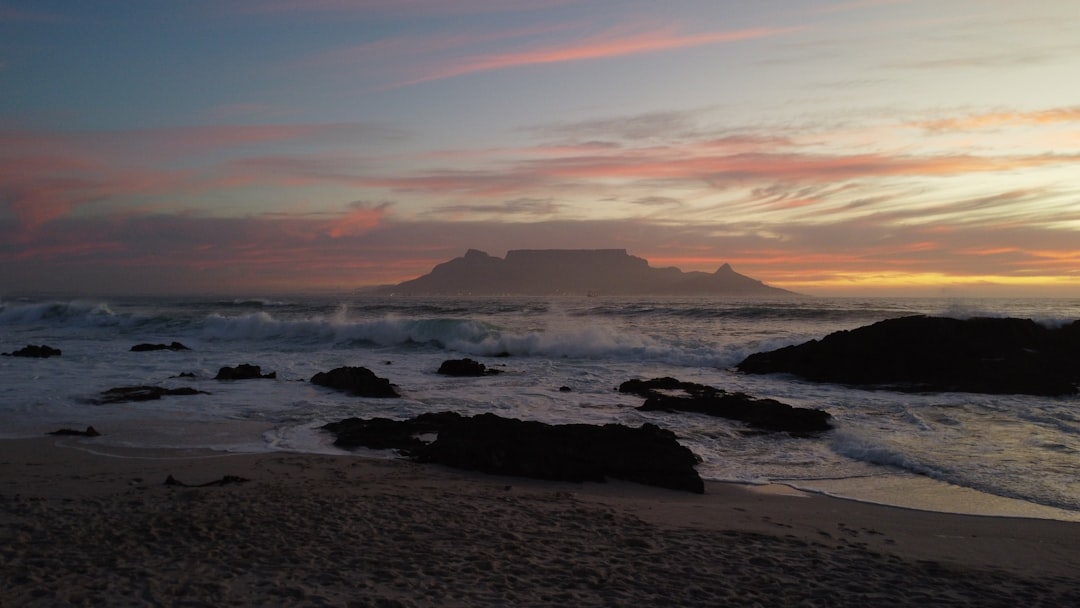
- Blouberg Beach for Table Mountain silhouettes at sunset
- The Tree Canopy Walkway at Kirstenbosch for elevated botanical photography
The golden hour—early morning and late afternoon—bathes these peaks in warm, directional light that transforms ordinary mountain vistas into cinematic masterpieces.
2. Penguin Photography at Boulders Beach
One of the world’s most accessible African penguin colonies awaits at Boulders Beach, just 50 minutes from Cape Town’s city center.[3] This is the only location on Earth where you can photograph these adorable creatures in their natural habitat from a wooden boardwalk at close range. The colony hosts over 3,000 penguins, providing endless opportunities for behavioral shots, family groups, and individual portraits.
Visitors access the penguins via a raised boardwalk, ensuring both wildlife protection and photographer safety. The turquoise waters, granite boulders, and white-sand beach create a visually stunning environment that elevates every frame. Early morning visits yield the best light and less crowded conditions for unobstructed shots.
3. Kirstenbosch Botanical Gardens: Flora and Avian Excellence
This UNESCO World Heritage site sits at the foot of Table Mountain and showcases predominantly indigenous South African plant species. The 130-meter Tree Canopy Walkway suspends photographers twelve meters above the ground, offering panoramic views of Table Mountain and surrounding vegetation that create extraordinary photographic opportunities.
Springtime—September through November—represents peak season when the gardens explode with colorful wildflowers and vibrant birdlife. The botanical diversity ensures that macro, landscape, and wildlife photographers all find compelling subjects within the same location.
4. Chapman’s Peak Drive: Dramatic Coastal Photography
Stretching from Hout Bay to Noordhoek, this legendary scenic drive showcases some of South Africa’s most breathtaking coastal landscapes. Multiple viewpoints along the route offer opportunities to photograph dramatic rocky headlands, turquoise waters, and mountain backdrops. The drive combines accessibility with world-class photographic potential, allowing you to capture diverse compositions without extensive hiking.
Ideal conditions include low tide, golden hour light, and clear skies that reveal the Twelve Apostles mountain range in full glory.
5. Bo-Kaap’s Vibrant Cultural Photography
This historic neighborhood bursts with brightly colored houses that provide stunning architectural and cultural photography subjects. The Muslim quarter’s aesthetic intensity creates immediately recognizable, Instagram-worthy imagery. Street-level exploration reveals authentic daily life, vendor interactions, and candid cultural moments that transform your portfolio beyond typical landscape work.
6. Southern Right Whales During Migration Season
From October through November, Cape Town’s coastline becomes a prime whale-watching destination.[1] The town of Hermanus, located along the Cape Whale Coast, offers elevated vantage points where massive Southern Right Whales appear within a few hundred feet of shore. These gentle giants migrate annually from Antarctic feeding grounds to mate, calve, and raise their young—providing dramatic compositional opportunities and emotional storytelling potential.
The Whale Crier alerts photographers when cetaceans approach, ensuring you’re positioned for optimal shots.
7. Namaqualand Wildflower Season
Each September, the desert-like landscape of Namaqualand—located up the west coast—transforms into a carpet of brilliantly colored daisies and wildflowers.[1] While timing proves unpredictable due to rainfall variability, September consistently offers reliable conditions. This phenomenon represents one of nature’s most visually spectacular events, drawing photographers seeking vibrant color palettes and botanical diversity.
Essential Photography Tips for South African Wildlife and Safari
Lighting and Timing
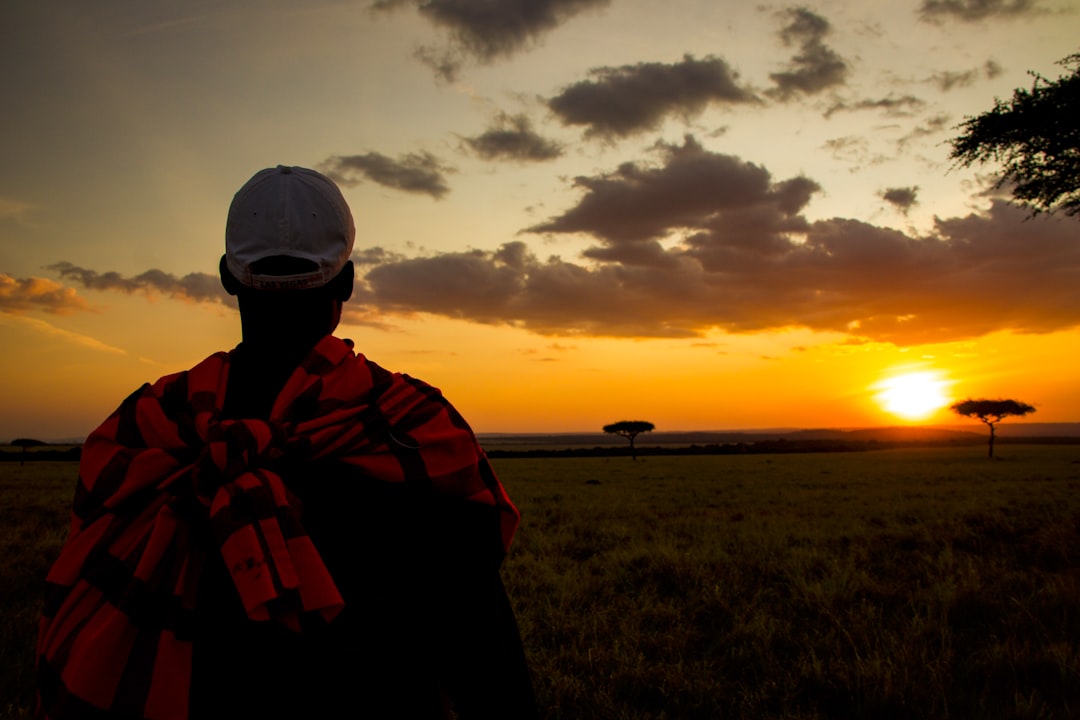
Golden hour photography yields superior results across all South African destinations. Plan early morning shoots to capture soft, directional light that accentuates landscape contours and wildlife features. Late afternoon sessions produce dramatic backlighting perfect for silhouettes and rim-lit subjects. Avoid harsh midday sun that creates unflattering shadows and washes out colors.
Wildlife Photography Ethics and Safety
Responsible wildlife photography requires maintaining safe distances from animals, avoiding flash photography, and respecting guide recommendations. Use telephoto lenses to capture intimate details without disturbing natural behavior. Never feed animals or attempt to chase subjects for superior compositions. Silent camera equipment and quiet movement preserve wildlife welfare while producing authentic behavioral documentation.
Destination Considerations
Cape Town travel photography benefits from year-round accessibility, though seasonal variations influence specific subject availability. Spring (September–November) delivers optimal wildflower blooms and whale migrations. Summer months provide reliable weather and active penguin colonies. Winter brings unique atmospheric conditions and potentially fewer tourists at popular locations.
For those planning extended African safari tours, consider combining Cape Town’s diverse urban and coastal photography with traditional safari experiences. Organizations offering wildlife safari Africa adventures can arrange customized itineraries incorporating both destinations.
Planning Your South African Photography Adventure
Customized Tours and Professional Guidance
Several operators specialize in cape town nature reserves and wildlife photography experiences. These organizations employ experienced photographers and safari guides who understand subject behavior and optimal shooting positions. Hiring professional guides dramatically increases your likelihood of capturing compelling wildlife moments while ensuring ethical practices.
Consider wildlife photography tours that pair technical instruction with authentic field experiences, allowing you to simultaneously develop skills and create portfolio-worthy images.
Equipment Recommendations
Pack telephoto lenses (200–400mm) for wildlife, wide-angle options (16–35mm) for landscape work, and macro capability for botanical subjects. Bring sturdy tripods, circular polarizing filters to enhance skies and water, and graduated neutral density filters for landscape work. Weather protection proves essential given Cape Town’s variable coastal conditions.
Explore comprehensive safari packing lists for photographers to ensure you’ve prepared for technical and environmental requirements.
Internal Connections
If you’re expanding your destination photography portfolio, consider researching best wildlife destinations 2025 to compare global opportunities. For those interested in comparative wildlife experiences, drive thru safari USA options provide domestic alternatives with distinct photographic advantages.
Expert Resources and External Guidance
For comprehensive destination planning, consult South Africa’s official tourism board for current travel advisories, seasonal information, and accommodation recommendations. National Geographic’s wildlife photography guides offer technical expertise and compositional principles applicable across all destinations. Additionally, Travel + Leisure’s destination guides provide cultural context and travel logistics supporting successful photography expeditions.
Frequently Asked Questions
What is the best time to visit South Africa for wildlife photography?
September through November offers optimal conditions, combining wildflower blooms in Namaqualand, whale migrations along the coast, and spring activity across wildlife populations. However, each season delivers unique photographic opportunities—summer for penguin activity, winter for atmospheric conditions and reduced tourism.
Which South African destination offers the most diverse photography subjects?
Cape Town delivers unmatched diversity within compact geography: urban landscapes, botanical gardens, penguin colonies, whale migrations, and dramatic coastal scenery. It’s an ideal basecamp for photographers seeking variety without extensive travel between destinations.
Can I photograph wildlife safely without professional guides?
While many locations permit independent photography, professional guides dramatically improve your results and ensure ethical wildlife interaction. Guides understand animal behavior, know optimal positioning, and prevent dangerous situations while providing compositional expertise.
How do I prepare for wildlife photography in unfamiliar environments?
Study destination resources beforehand, invest in appropriate telephoto equipment, practice ethical photography protocols, and consider hiring professional guides for specific wildlife photography experiences. Join online communities discussing wildlife photo tips South Africa to benefit from experienced photographers’ accumulated knowledge.
Conclusion
South Africa’s Cape Town and safari destinations represent some of Earth’s most compelling photography opportunities, combining world-class wildlife encounters, iconic landscapes, and vibrant cultural subjects within accessible travel infrastructure. From penguin colonies and whale migrations to dramatic mountain peaks and urban artistic expression, this region delivers extraordinary material for photographers at every skill level.
The combination of natural diversity, seasonal predictability, and professional tourism services makes South Africa an ideal destination for photographers seeking to expand their portfolios while creating meaningful environmental stories. Your Cape Town and safari adventure awaits—bring your best equipment, practice ethical approaches, and prepare for moments that will define your photography career.