Planning a trip to Barcelona can often feel like a double-edged sword: you are surrounded by world-class architecture and vibrant culture, yet you are frequently battling overwhelming crowds and tourist traps. Many travelers leave the city with blurry photos of the Sagrada Familia and a sense that they missed the “real” Barcelona hidden beneath the surface. This barcelona travel guide is designed to eliminate that frustration, providing you with a strategic roadmap to navigate the city’s logistics while capturing professional-grade imagery of its most iconic and secret spots.
Navigating the Catalan Capital: Essential Logistics
Before you can focus on your photography, you must master the rhythm of the city. Barcelona operates on a unique schedule, with late lunches and even later dinners, which significantly impacts the “golden hour” for photographers. To move efficiently between Gothic streets and modernista marvels, utilize the T-Usual or T-Casual travel cards for the metro system.
The best time to visit for photography is during the shoulder seasons of May or September. During these months, the light is softer, and the humidity that often plagues Mediterranean summer shots is significantly reduced. If you are used to the rugged landscapes of a Sicily travel guide, you will find Barcelona’s urban geometry a fascinating contrast.
Always book your tickets for major attractions at least two weeks in advance. The city has strict entry windows, and missing your slot means missing your shot. Use the Official Barcelona Tourism Board website to verify opening times and permit requirements for tripod use in public spaces.
Iconic Landmarks and Architectural Photography
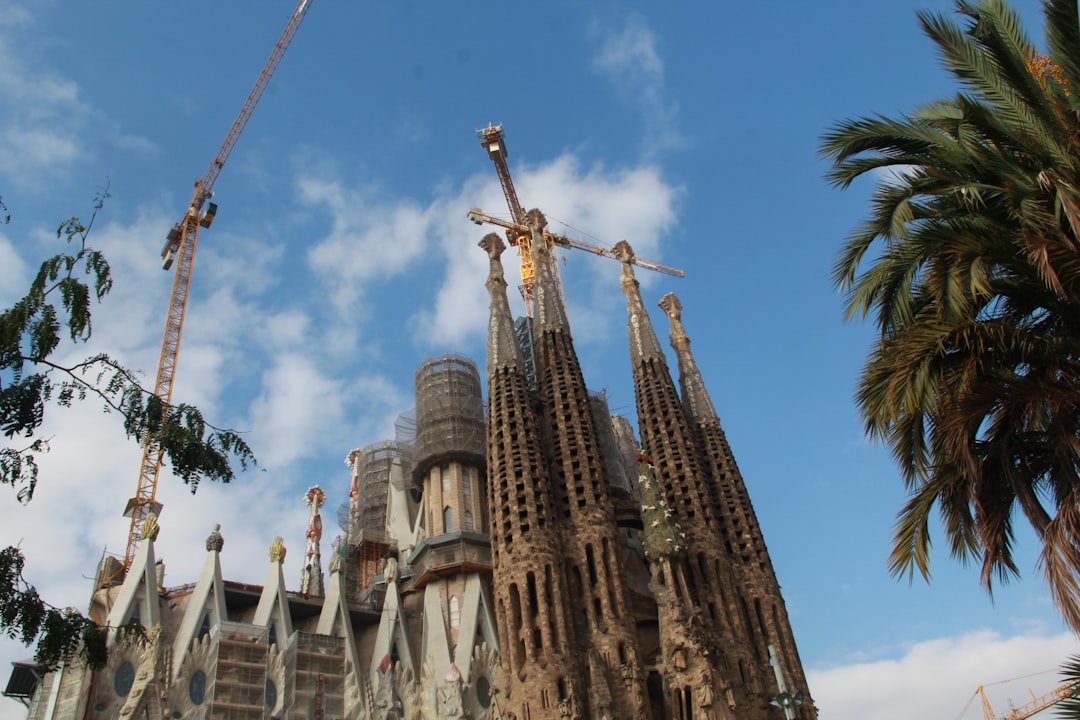
Antoni Gaudí’s influence on the city cannot be overstated, but capturing his work requires more than just pointing and clicking. The Sagrada Familia is best photographed from the parks across the ponds on either side of the basilica. This allows for a reflection shot that encompasses the soaring spires without the perspective distortion caused by standing too close.
Inside the basilica, focus on the “forest” of columns during the late afternoon. As the sun begins to set, the stained-glass windows on the western side cast deep oranges and reds across the nave, creating a celestial atmosphere. This interplay of light and shadow is a masterclass in architectural storytelling.
Must-Visit Gaudí Locations
- Casa Batlló: Aim for the first entry slot of the day to capture the blue-tiled atrium without tourists.
- Casa Milà (La Pedrera): The rooftop chimneys are best shot during the “blue hour” when the city lights begin to twinkle.
- Park Güell: Essential for panoramic views and intricate mosaic details.
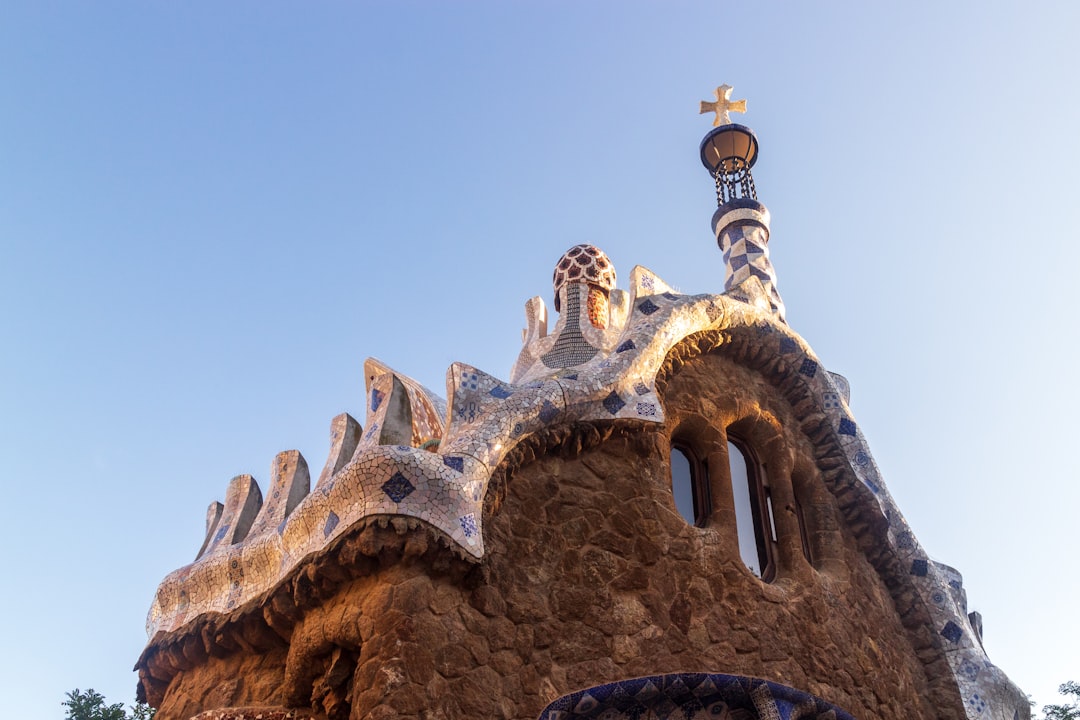
At Park Güell, the serpentine bench offers a leading line that draws the viewer’s eye toward the skyline. To avoid the crowds in the “Monumental Zone,” head to the higher elevations of the park, such as the Three Crosses, where you can get a wider perspective of the city meeting the sea. For more inspiration on capturing grand vistas, check out our guide on the best wildlife destinations.
Urban Wildlife and Natural Escapes
While Barcelona is a bustling metropolis, it harbors a surprising amount of urban wildlife that adds a layer of life to your travel portfolio. Ciutadella Park is the green lung of the city and serves as a primary habitat for several species. Here, the mix of neoclassical architecture and lush greenery provides a perfect backdrop for nature enthusiasts.
The most vocal residents of the city are the Monk Parakeets. These bright green birds are not native but have become a staple of the Barcelona atmosphere. Watching them interact near the Cascada Monumental fountain offers a chance to practice high-speed shutter photography in an urban setting.
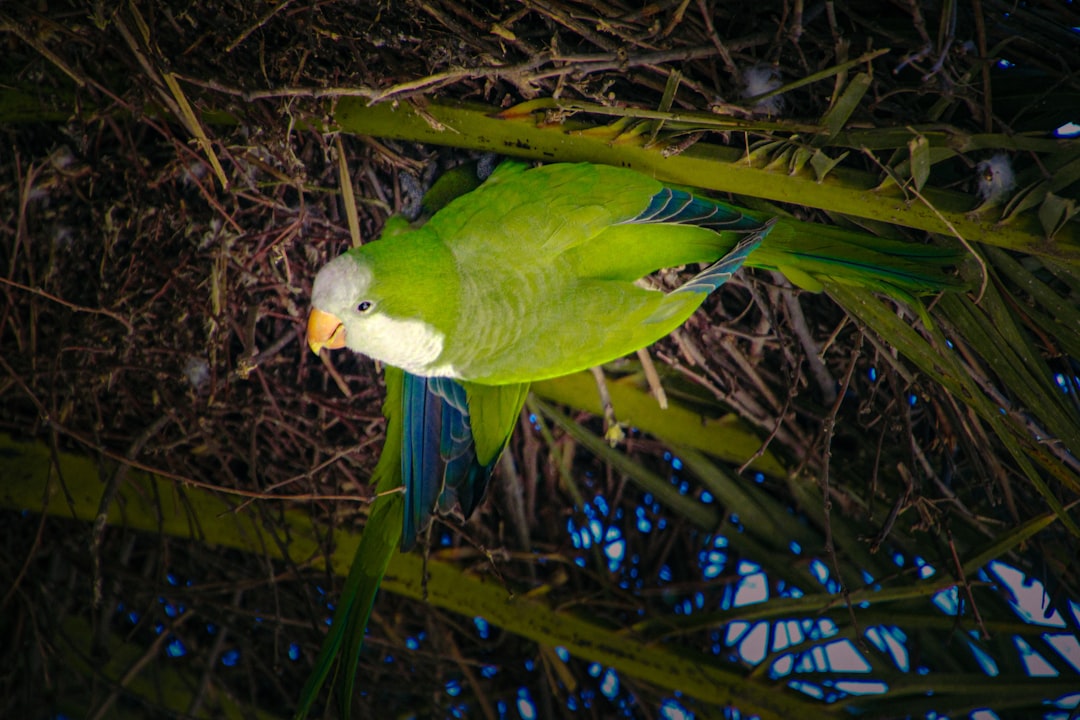
For those looking to sharpen their skills with these fast-moving subjects, our bird photography for beginners guide offers technical tips that apply perfectly to these urban parrots. Beyond the birds, the park’s proximity to the zoo means you can often hear the calls of more exotic animals, creating a surreal soundscape for your city walk.
Mastering Street Photography in the Gothic Quarter
The Barri Gòtic is a labyrinth of narrow alleys where history feels etched into the stone. To succeed here, you must embrace high ISO settings and wide-aperture lenses. The deep shadows cast by the tall buildings mean light is scarce, but the resulting high-contrast scenes are perfect for moody black-and-white photography.
Look for “pockets of light” where the sun hits a specific balcony or a street performer. Patience is key; find a visually interesting corner and wait for a local character to walk through your frame. This “fishing” technique often yields more authentic results than chasing subjects through the crowds.
Be sure to visit the Cathedral of the Holy Cross and Saint Eulalia. The cloister is home to thirteen white geese, representing the age of the martyr Eulalia. Capturing these geese against the medieval Gothic arches provides a unique narrative that most tourists overlook in favor of the more famous Gaudí sites. For further reading on European cityscapes, National Geographic provides excellent historical context.
Logistics: Where to Eat and Stay for Creators
To maximize your shooting time, stay in the Eixample district. It is centrally located with wide streets and excellent light, making it easier to reach both the Gothic Quarter and the northern Gaudí sites. Avoid staying directly on La Rambla, as the noise and crowds can be draining for a focused creator.
When it comes to food, seek out traditional granjas for breakfast. These old-fashioned milk bars serve authentic churros and chocolate, providing a quiet, photogenic start to your day. For dinner, head to the Gràcia neighborhood. It feels like a village within a city, offering a more local experience and plazas that are perfect for candid evening shots.
Photography Gear Checklist
- Wide-Angle Lens (16-35mm): Essential for the tight streets and massive cathedral interiors.
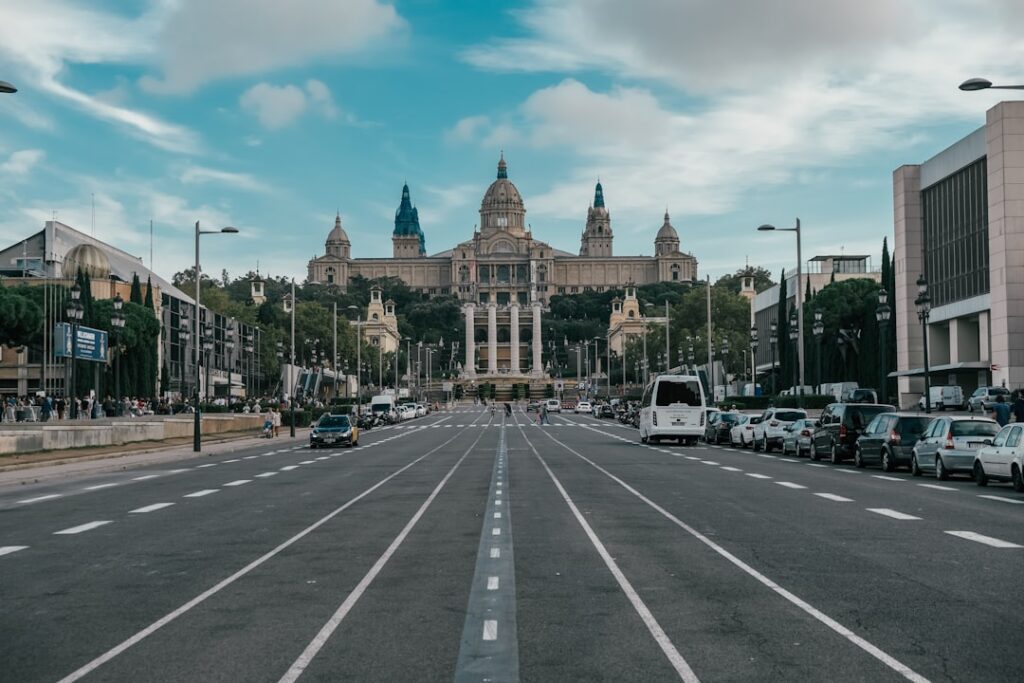
- Travel Tripod: Necessary for night shots at the Bunkers or the Magic Fountain.
- Circular Polarizer: To cut glare on the Mediterranean Sea and saturate the blue skies behind the Sagrada Familia.
- Extra Batteries: The hilly terrain and constant shooting will drain your power quickly.
The Emotional Value of the Catalan Experience
Barcelona is more than just a collection of sights; it is a feeling of creative rebellion and coastal relaxation. The city rewards those who slow down and look up. Whether it is the intricate ironwork on a random balcony or the way the sea breeze hits the Barceloneta boardwalk, these small moments define the “Ultimate Barcelona Travel Guide” experience.
By combining the technical requirements of photography with a deep respect for local culture, you create a travel story that is uniquely yours. The images you take will serve as a bridge back to the sun-drenched streets and the salt-thick air of the Mediterranean.
FAQ: Planning Your Barcelona Trip
What is the best way to avoid crowds at the Sagrada Familia?
To avoid the heaviest crowds, book the very first time slot of the day (usually 9:00 AM). Arrive 20 minutes early to be at the front of the security line. This gives you about 15 minutes of relatively clear views before the interior fills with tour groups.
Do I need a permit for professional photography in Barcelona?
For personal use and social media, no permit is required for handheld photography in public spaces. However, if you plan to use a tripod in busy areas or carry out a commercial fashion shoot, you may need to apply for a permit from the Barcelona Film Commission.
Is Barcelona safe for solo photographers carrying expensive gear?
Barcelona is generally safe, but petty theft and pickpocketing are common in tourist hubs like La Rambla and the metro. Use a discreet camera bag that doesn’t scream “expensive equipment,” and always keep your strap around your neck or wrist. Avoid setting your gear down on café tables or the ground.
How many days are needed to see the main highlights of Barcelona?
A four-day itinerary is ideal for most travelers. This allows two days for the major architectural sites, one day for the Gothic Quarter and harbor, and one final day to explore the parks or take a day trip to Montserrat. For more detailed itineraries, Travel + Leisure offers excellent multi-day breakdowns.