Planning a trip across an entire continent is a daunting task that often leaves travelers feeling paralyzed by choice. You want to see the historic ruins of Rome, the misty peaks of the Alps, and the elusive wildlife of the Highlands, but the logistics feel like an impossible puzzle. Without a comprehensive europe guide travel strategy, you might find yourself stuck in tourist traps, missing the golden hour for your photography, and overspending on inefficient transport.
The Foundations of a Perfect European Journey
Europe is a mosaic of cultures, languages, and ecosystems packed into a relatively small geographic area. To master this continent, you must first understand its rhythm. Seasonality plays a massive role in both the cost of your trip and the quality of your photographs.
While summer offers long days, it also brings stifling heat and overwhelming crowds in cities like Paris and Venice. Transitioning your visit to the shoulder seasons—late spring or early autumn—allows for better light and more breathing room. This is particularly important if you are following a Sicily travel guide to capture the Mediterranean’s rugged coastline.
Logistics are the backbone of any successful itinerary. The European rail network is arguably the best in the world, offering high-speed connections between major capitals. However, for those looking to explore the fringes where wildlife thrives, renting a car is often the only way to reach remote trailheads at sunrise.
Exploring the Cultural Heart of the Continent
Every europe guide travel must prioritize the intersection of history and modern life. Western Europe serves as the gateway for most, where the Gothic spires of Germany meet the romantic boulevards of France. Each city offers a unique visual story, from the brutalist architecture of Berlin to the pastel hues of Amsterdam’s canal houses.
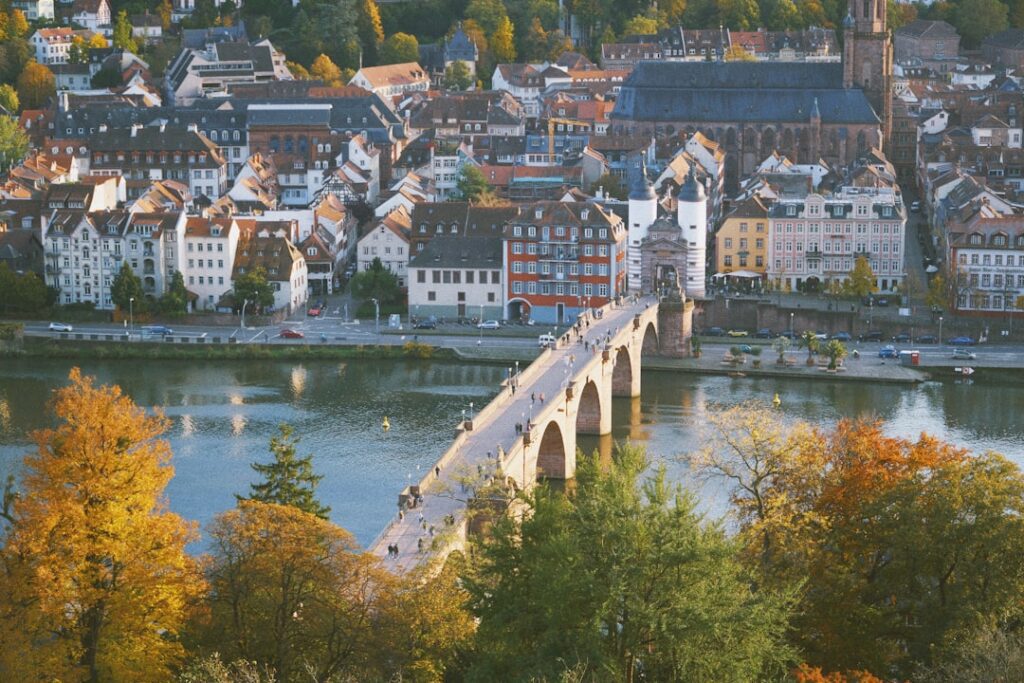
When visiting these hubs, the key to great travel photography is finding height. Seek out cathedral towers or rooftop bars to gain a perspective that the crowds at street level miss. This elevated view helps simplify complex cityscapes and highlights the architectural geometry that defines European urban planning.
Further East, the atmosphere shifts. Cities like Prague and Budapest offer a more dramatic, moody aesthetic. The preservation of medieval centers provides a backdrop that feels frozen in time. These regions are also significantly more budget-friendly, allowing you to extend your stay and dive deeper into local customs and hidden alleyways.
Tracking Majestic Wildlife in the European Wilds
While many associate Europe with museums and cafes, the continent’s natural biodiversity is staggering. From the polar bears of Svalbard to the lynx of the Iberian Peninsula, nature lovers have plenty to explore. One of the most accessible yet dramatic wildlife experiences can be found in the northern reaches of the United Kingdom.
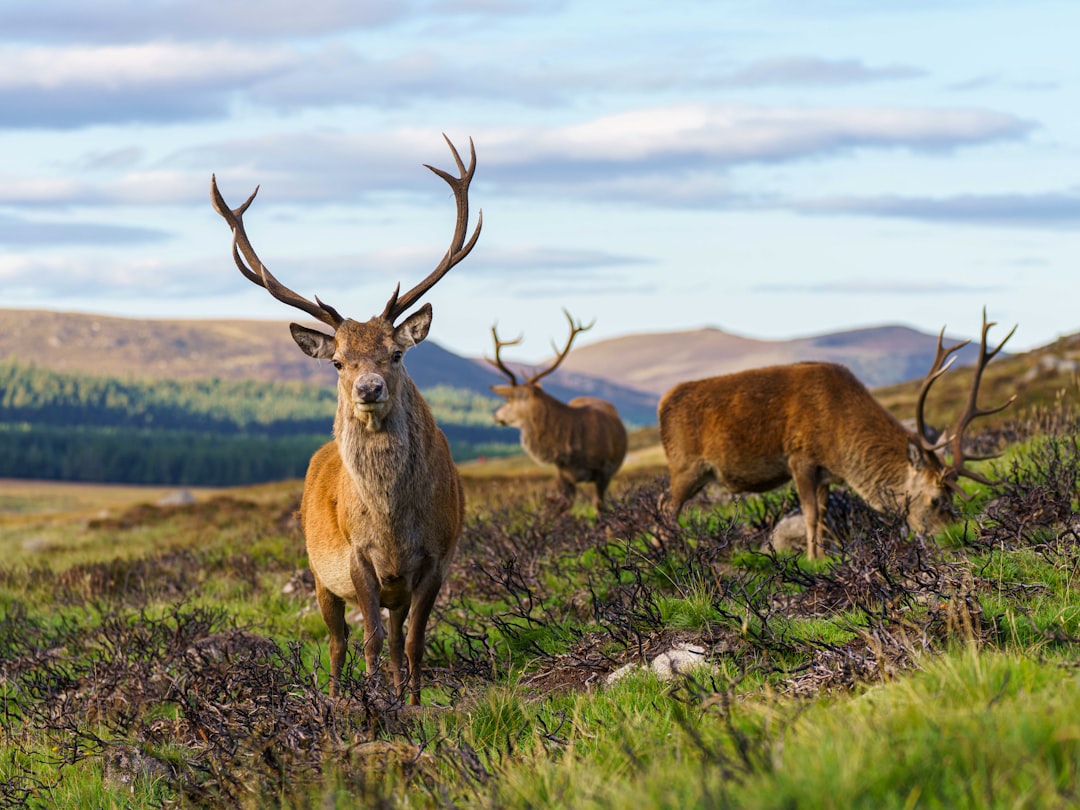
The Scottish Highlands offer a prehistoric landscape of rolling glens and jagged peaks. Here, the red deer reigns supreme. To capture these creatures, you need patience and a long lens, much like the techniques described in our safari packing list for photographers. The mist often rolls through the valleys at dawn, providing a soft, ethereal light that is a dream for any portfolio.
Beyond the UK, the Carpathian Mountains in Romania host the largest populations of brown bears and wolves in Europe. Eco-tourism is growing here, with dedicated hides that allow photographers to observe these predators in their natural habitat without interference. It is a stark reminder that even in one of the world’s most developed continents, true wilderness still exists. For more inspiration on where to go next, check out our list of the best wildlife destinations for 2025.
Designing an Immersive Experience
A truly memorable europe guide travel experience goes beyond checking boxes on a bucket list. It involves slowing down to match the local pace of life. In the Mediterranean, this might mean a three-hour lunch in a sun-drenched plaza. In Scandinavia, it could involve a silent hike through a pine forest where the only sound is the crunch of snow under your boots.
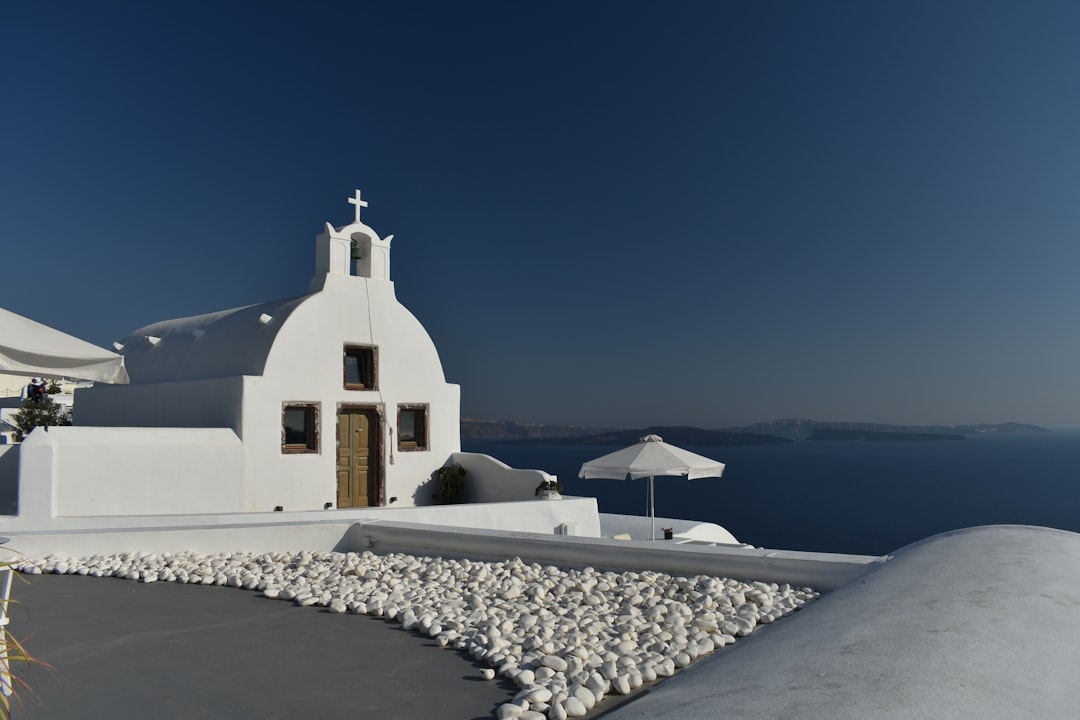
Coastal regions offer a different kind of photographic challenge. The high contrast of white-washed buildings against the deep blue of the Aegean Sea in places like Santorini requires careful exposure management. Aim to shoot during the “blue hour”—the period just after sunset—to balance the artificial lights of the villages with the natural light of the sky.
For those seeking high-authority travel advice, consulting resources like the Official Tourism Board of Italy or National Geographic Travel can provide up-to-date entry requirements and cultural etiquette. These sources ensure your trip is not only beautiful but respectful of the local heritage.
Essential Gear for the European Photographer
Packing for Europe is a balancing act between being prepared and staying mobile. You will likely be walking thousands of steps a day across cobblestone streets. A lightweight mirrorless camera system is ideal, paired with a versatile zoom lens (like a 24-70mm) and a fast prime lens for low-light interiors of cathedrals.
- Comfortable Footwear: Never underestimate the toll of European pavement; waterproof hiking boots are a must for rural areas.
- Power Adapters: Europe uses Type C, E, and F plugs (and Type G in the UK), so a universal adapter is essential.
- External Hard Drive: Back up your images every night. The loss of a memory card is the loss of your memories.
According to Tripadvisor, one of the most common mistakes travelers make is over-packing. Focus on layers that can be mixed and matched. This not only saves your back but also makes navigating narrow train aisles and small elevators much easier.
Navigation and Language Tips
While English is widely spoken in most major European cities, learning a few basic phrases in the local tongue goes a long way. A simple “hello” or “thank you” in French, Italian, or German can open doors to more authentic interactions. Use translation apps with offline capabilities to help navigate menus and transit signs in more rural areas.
Public transportation is your best friend. Download local transit apps for cities like London (TfL) or Paris (RATP) to get real-time updates. For cross-border travel, the Eurail website is an invaluable resource for planning routes and booking seat reservations in advance, which is often required for high-speed lines.
FAQ: Navigating Your Europe Guide Travel
What is the best month to visit Europe for photography?
The best months are generally May, June, September, and October. During these periods, the light is softer, the colors are vibrant (spring blooms or autumn leaves), and the tourist crowds are significantly thinner than in July and August.
Is Europe safe for solo travelers?
Yes, Europe is generally very safe for solo travelers. Most major cities have excellent infrastructure and low rates of violent crime. However, petty theft like pickpocketing is common in high-traffic tourist areas, so always stay vigilant with your gear and belongings.
How much should I budget per day in Europe?
Budgeting varies wildly by region. Eastern Europe (Poland, Hungary, Romania) can be enjoyed for $50–$80 USD per day. Western and Northern Europe (Switzerland, Norway, France) typically require $150–$250 USD per day for a mid-range experience including accommodation and meals.
Do I need a visa to travel to Europe?
Most Western travelers (from the US, Canada, Australia) can enter the Schengen Area for up to 90 days without a visa for tourism. However, starting in 2025, the ETIAS travel authorization will be required for visa-exempt visitors. Always check official government websites before booking.
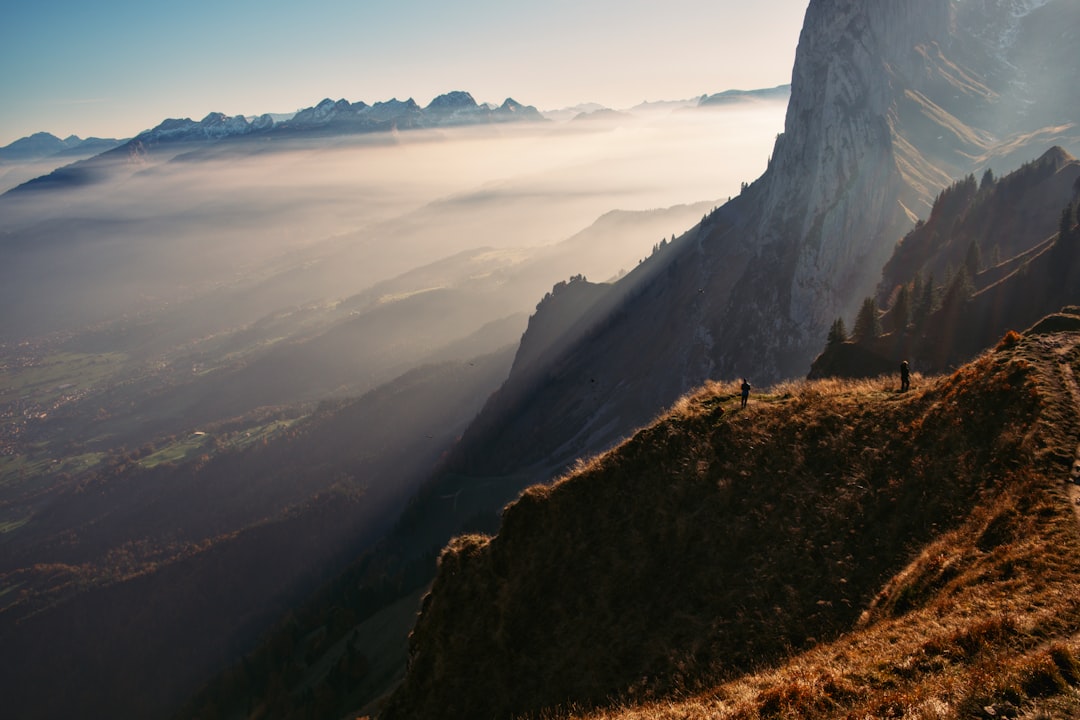
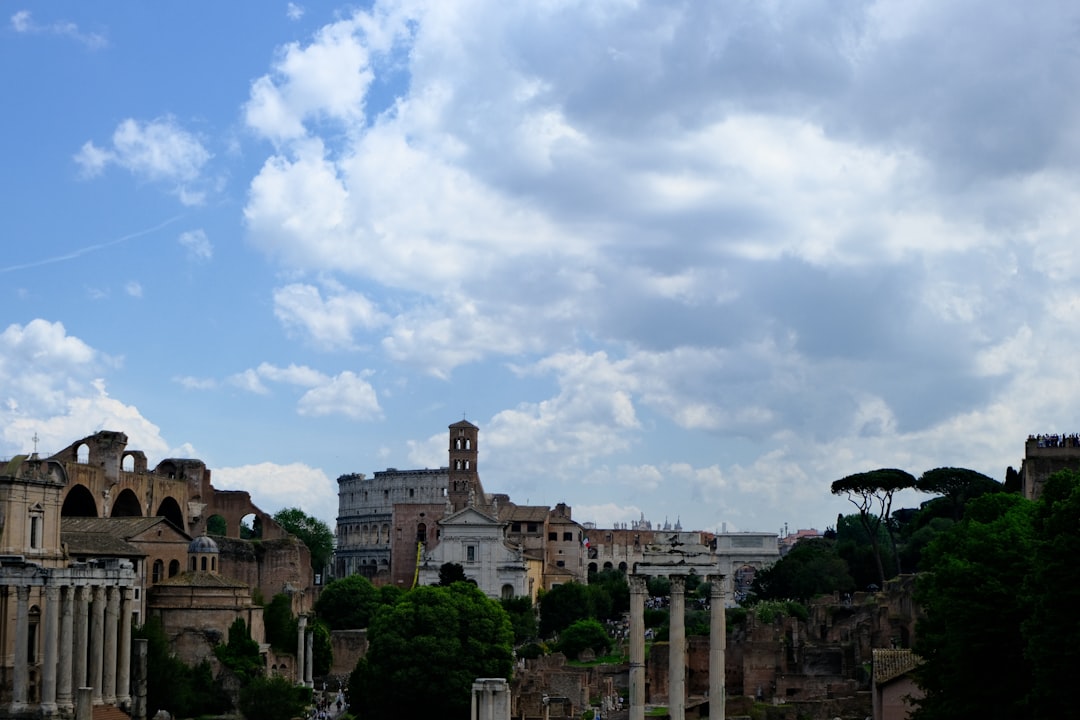
Embracing the vastness of Europe requires a shift in perspective. It is not about seeing everything, but about seeing the right things deeply. Whether you are standing in the shadow of the Colosseum or waiting for a Golden Eagle to take flight in the Alps, the continent rewards those who plan with intent and remain open to the unexpected. By following this europe guide travel, you ensure that your journey is as breathtaking as the photographs you’ll bring home. Europe is a lifelong discovery; start your first chapter today.