Planning a trip to Tokyo often feels like trying to solve a beautiful but complex puzzle. Between the neon-drenched skyscrapers of Shinjuku and the hushed, incense-filled courtyards of ancient temples, the sheer volume of choices can be paralyzing. For many travelers, the fear of missing out on the “authentic” Japan or failing to capture the city’s kinetic energy on camera leads to unnecessary stress and over-packed schedules.
This tokyo travel guide is designed to strip away the confusion and provide a clear, actionable path through the labyrinth. By focusing on high-impact photography locations and curated cultural experiences, you can transform your visit from a frantic commute into a visual and spiritual journey. We provide the expert insights you need to navigate the world’s most populous metropolis with the confidence of a seasoned local.
Navigating the Neon Labyrinth: Understanding Tokyo’s Layout
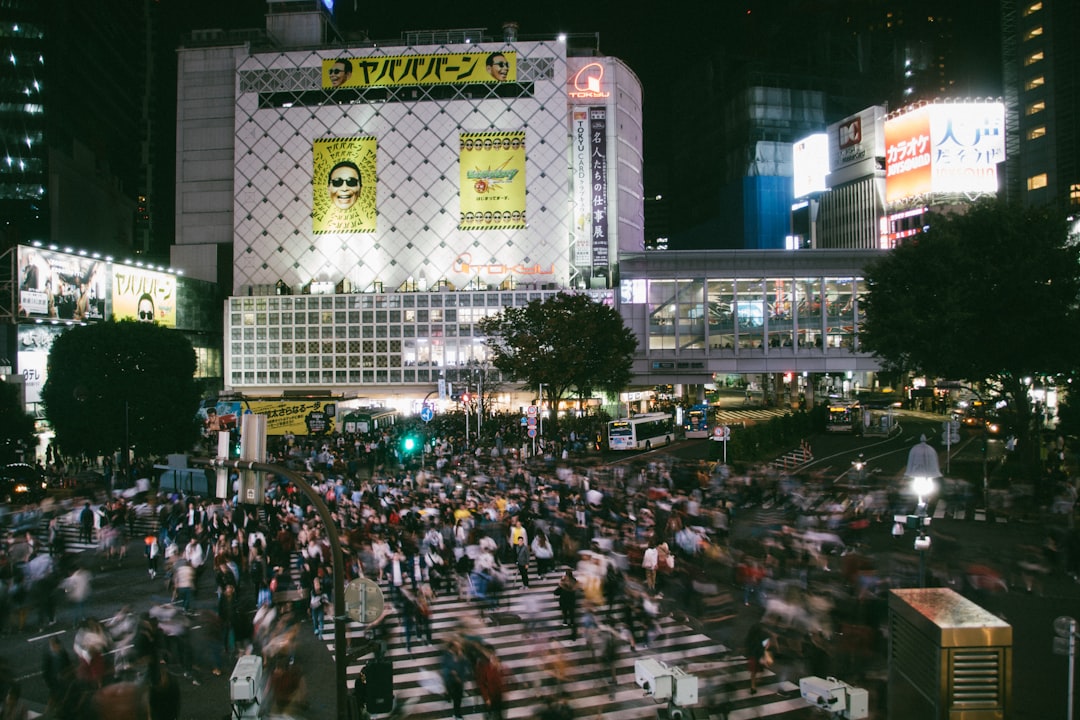
Tokyo is not a single city center but a collection of distinct hubs, each with its own personality and visual language. To make the most of your Ultimate Tokyo Travel Guide: Expert Photography and Itinerary Tips, you must understand the Yamanote Line. This circular train route connects the major districts, including Shinjuku, Shibuya, and Ueno, making it your primary lifeline for exploration.
When planning your movements, group your activities by district to avoid spending hours on the subway. For instance, combine the modern chaos of Shibuya with the youth culture of Harajuku. Alternatively, pair the traditional vibes of Asakusa with the electronics and anime culture of Akihabara for a day of sharp contrasts.
For those interested in extending their journey across the archipelago, exploring the many things to do in Japan will show you how Tokyo serves as the perfect launchpad for wider adventures. Whether you are heading north to the mountains or south to the coast, the capital is where your story begins.
Iconic Landmarks and Heritage Sites
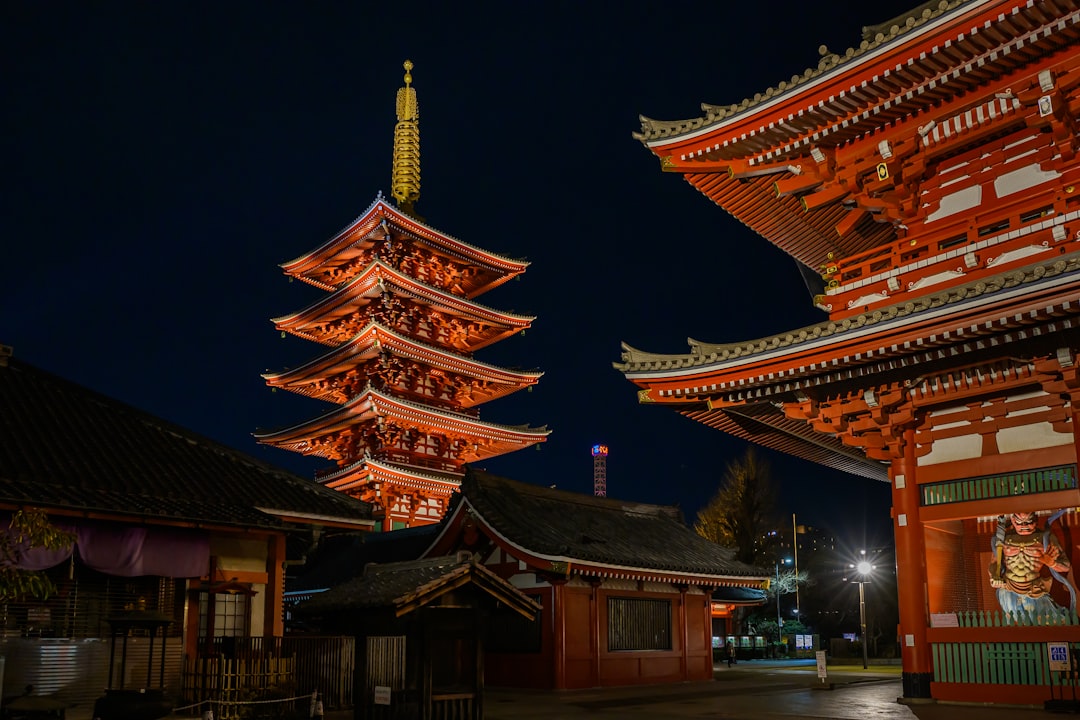
No visit to Tokyo is complete without visiting Senso-ji, the city’s oldest temple located in the heart of Asakusa. The approach through the Kaminarimon Gate is a sensory explosion of street food scents and the sight of traditional crafts. For photographers, this area offers a wealth of textures, from the weathered wood of the temple structures to the vibrant silk of rental kimonos.
To get the best shots at Senso-ji, arrive at sunrise before the crowds descend. The morning light hits the red structures with a soft glow that highlights the architectural details without the distraction of thousands of tourists. This is also the best time to capture the “empty” streets of Nakamise-dori before the shop shutters open.
Beyond the temples, consider these essential stops:
- Meiji Jingu: A serene forest shrine dedicated to Emperor Meiji, offering a peaceful escape from the Harajuku bustle.
- The Imperial Palace East Garden: While the inner palace is restricted, the historic ruins and manicured gardens offer a glimpse into the Edo period.
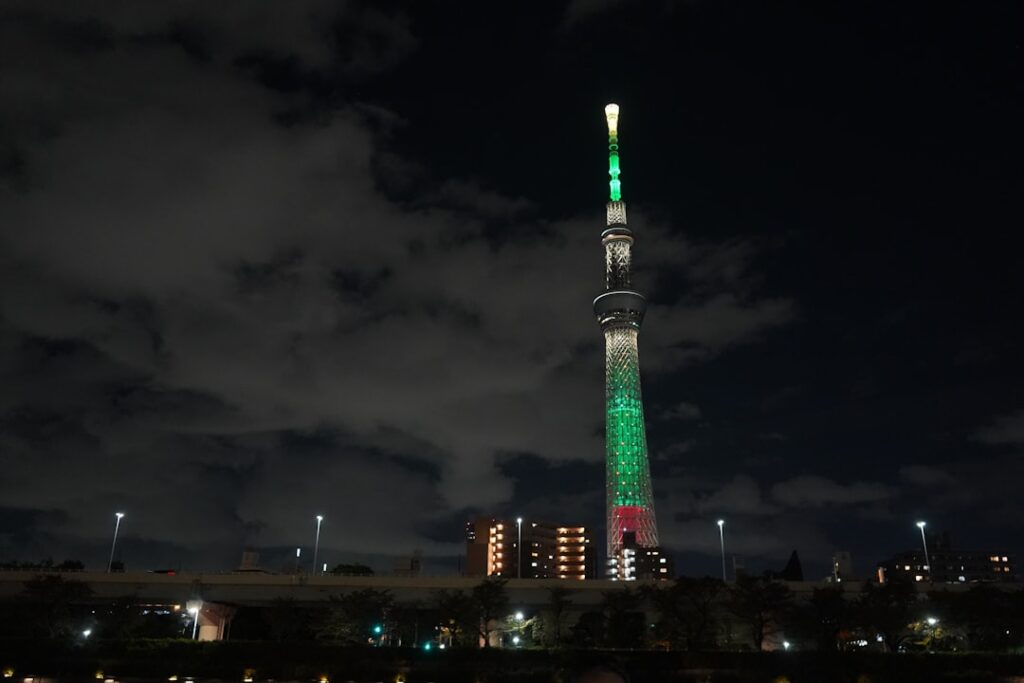
- Tokyo Skytree: For a bird’s-eye view of the sprawl, this is the tallest structure in Japan and provides an unparalleled panorama.
Photography Tips for Urban Explorers
Tokyo is perhaps the most “photogenic” city on Earth, but capturing its essence requires more than just pointing and shooting. The contrast between light and shadow is extreme, especially in narrow alleys like Omoide Yokocho (Piss Alley) in Shinjuku. To master these environments, you should check the official Japan National Tourism Organization website for seasonal light conditions.
When shooting at night, avoid using a flash. Instead, increase your ISO and use the vibrant neon signs as your primary light source to create moody, cinematic portraits. If you are carrying a professional rig, ensure you have a versatile zoom lens (like a 24-70mm) to switch between wide street scenes and tight architectural details without losing precious time.
Don’t forget to pack correctly for a day of heavy shooting. Reviewing a safari packing list for photographers might seem out of place for a city, but the principles of gear protection and comfortable footwear remain identical when you are on your feet for 12 hours.
Wildlife and Nature in the Concrete Jungle
While Tokyo is a masterclass in urban planning, nature still finds a way to thrive. Ueno Park is a primary example, housing several museums alongside a massive lotus pond and a local zoo. For those willing to venture just outside the city limits, the opportunities for nature photography expand significantly, particularly during the cherry blossom or autumn leaf seasons.
If you are a fan of animal photography, the Japanese macaque, or “Snow Monkey,” is an iconic subject. While the most famous troops are in Nagano, you can find these resilient primates in several natural parks within a few hours of Tokyo. Observing their social structures and human-like expressions is a highlight for any wildlife enthusiast.
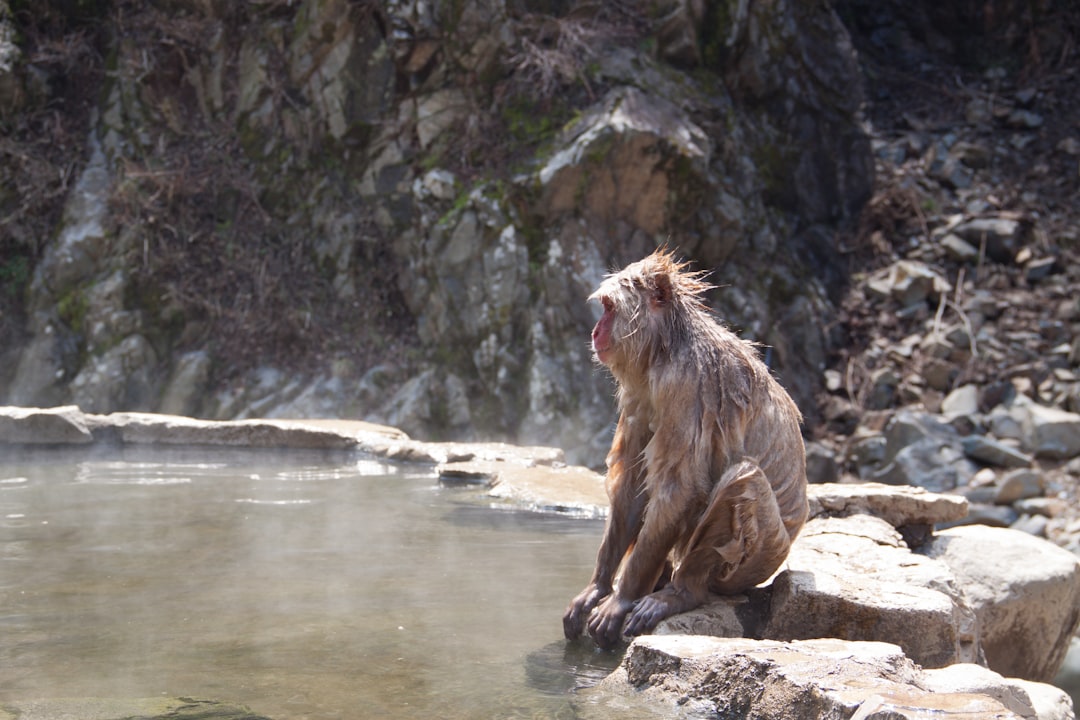
Japan is frequently cited among the top 10 wildlife destinations in the world due to its unique endemic species and carefully preserved habitats. In Tokyo, you can also visit specialized bird cafes or the Tokyo Sea Life Park to practice your macro and high-speed photography in controlled environments.
Culinary Adventures: Eating Your Way Through the City
Food in Tokyo is an art form. From 7-Eleven egg salad sandwiches (a cult favorite) to Michelin-starred sushi counters, the city caters to every budget and palate. For a truly local experience, visit an Izakaya—a Japanese-style pub—where you can order small plates like yakitori, edamame, and sashimi to share.
For the most authentic food photography, head to the outer markets of Tsukiji. While the famous inner wholesale market moved to Toyosu, the outer market remains a bustling hub of stalls selling fresh seafood, Wagyu beef skewers, and giant oysters. The steam rising from the stalls and the focused expressions of the chefs make for incredible documentary-style images.
Consider these must-eat experiences:
- Tonkatsu in Ginza: Deep-fried pork cutlets served with shredded cabbage and a savory sauce.
- Ramen in Shinjuku: Explore “Ramen Street” for different regional styles, from creamy Tonkotsu to salty Shio.
- Monjayaki in Tsukishima: A savory pancake-like dish that is a Tokyo specialty, cooked right at your table.
Practical Logistics for a Seamless Trip
Navigating Tokyo is incredibly efficient if you have the right tools. Purchase a Suica or Pasmo card (or add it to your Apple/Google Wallet) as soon as you arrive. These prepaid cards work for almost all trains, buses, and even vending machines, eliminating the need to figure out individual ticket prices.
While Japan is becoming more digital, carrying cash is still essential, especially at smaller shrines and local eateries. You can find English-friendly ATMs in almost every 7-Eleven convenience store. For detailed planning and peer reviews of specific locations, Tripadvisor Tokyo Forums provide real-time updates on closures and crowd levels.
Connectivity is also key. Renting a Pocket Wi-Fi or purchasing an e-SIM is highly recommended. Google Maps is exceptionally accurate for Tokyo’s transit system, even telling you which train carriage is closest to your next transfer or exit. Without a reliable data connection, the underground stations can quickly become overwhelming.
Immersive Cultural Experiences
To truly understand Tokyo, you must look beyond the landmarks and participate in the city’s daily rituals. This might mean joining a tea ceremony in a traditional garden like Rikugien or watching a sumo wrestling practice session in Ryogoku. These moments provide a deeper emotional connection to the city that goes beyond simple sightseeing.
For those interested in high fashion and luxury, a stroll through Ginza or Omotesando reveals a different side of Tokyo’s creativity. The architecture in these districts is avant-garde, with flagship stores designed by world-renowned architects. For more ideas on global travel and photography, check out the Travel + Leisure Tokyo Guide to see how Tokyo compares to other major capitals.
The beauty of Tokyo lies in its layers. You can spend the morning in 14th-century silence and the evening in a 22nd-century neon dream. It is a city that rewards the curious and the patient, offering endless surprises to those willing to look past the main thoroughfares and into the quiet backstreets.
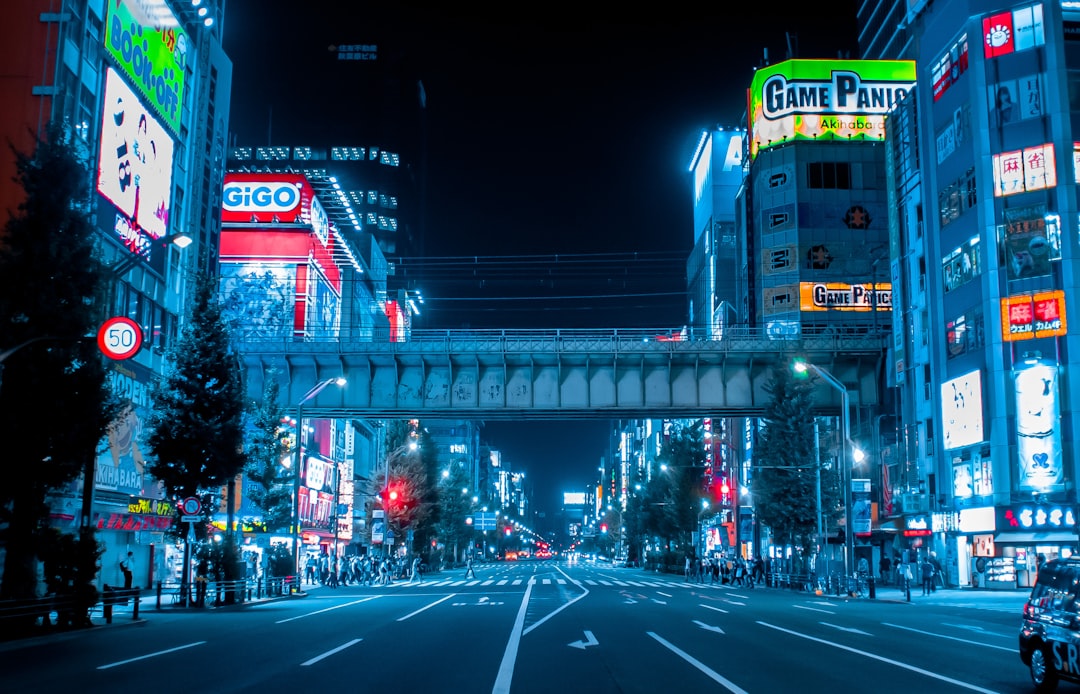
Tokyo is a city of infinite discovery, where every corner turned reveals a new story or a perfect frame. Whether you are there to capture the high-octane energy of Shinjuku or the quiet dignity of a hidden shrine, the capital of Japan promises an experience that will stay with you long after you’ve boarded your flight home. By following this guide, you have the tools to navigate the complexity and find the soul of the city. Remember to put the camera down occasionally and simply breathe in the atmosphere—the scent of grilled yakitori, the chime of the train doors, and the polite hum of a city that never truly sleeps.
FAQ
What is the best month to visit Tokyo for photography?
The best months are April for cherry blossoms (Sakura) and late November for autumn colors. However, winter offers the clearest skies and the best chances to see Mount Fuji from the city’s observation decks.
Is Tokyo expensive for tourists?
Tokyo can be expensive, but it is also very manageable. Budget-friendly options abound, from affordable business hotels to “conbini” meals. Public transportation is reasonably priced, and many of the city’s best sights, like parks and shrines, are free to enter.
Do I need to speak Japanese to get around Tokyo?
While knowing basic phrases is helpful and polite, you can navigate Tokyo easily with English. Most signs in the transit system are multilingual, and translation apps can handle menus and basic communication with ease.
How many days are enough for a first trip to Tokyo?
Five to seven days is ideal for a first-time visitor. This allows you to see the major districts, take one or two day trips (such as to Hakone or Nikko), and still have time to explore the city at a relaxed pace.