If you’re searching for the top 10 wildlife destinations in the world, you’re probably overwhelmed by choices, limited time, and the fear of coming home without a single frame you love. The world is huge, animals are elusive, and seasons can make or break your results.
Miss the migration by two weeks in East Africa, and you lose river crossings. Visit Borneo in heavy storms, and orangutans vanish in the canopy. Pick the wrong focal length, and your dream jaguar becomes a speck at 200 meters.
Here’s the solve: a photographer-first guide to the best places for wildlife photography—when to go, what to bring, signature encounters, and practical tips from the field. Use this as your planning blueprint for safari photography, polar bear photography, orangutan photography, epic birding destinations, and everything in between.
How to choose your wildlife hotspots
- Seasonality is everything: migrations, calving, river levels, ice conditions, and breeding cycles dictate sightings.
- Access defines success: boats vs. vehicles vs. on-foot treks determine how close you can safely get.
- Lens plan = keeper rate: pair a fast telephoto with a flexible zoom; know your minimum shutter speeds.
- Ethics first: your presence should have zero negative impact on behavior or habitat.
- Backup strategy: second body and extra batteries matter more than an extra pair of socks.
Quick gear checklist for nature travel photographers:
- Bodies: 2 (primary + backup)
- Lenses: 100–400mm or 200–600mm; 24–70mm for landscapes/portraits; fast prime if you have it
- Support: bean bag for vehicles, compact monopod/travel tripod
- Essentials: rain covers, dry bags, sensor swabs, extra memory, power bank, CPL/ND
For a deep dive on kit, see the Safari Packing List for Photographers.
1) Maasai Mara & Serengeti, Kenya/Tanzania
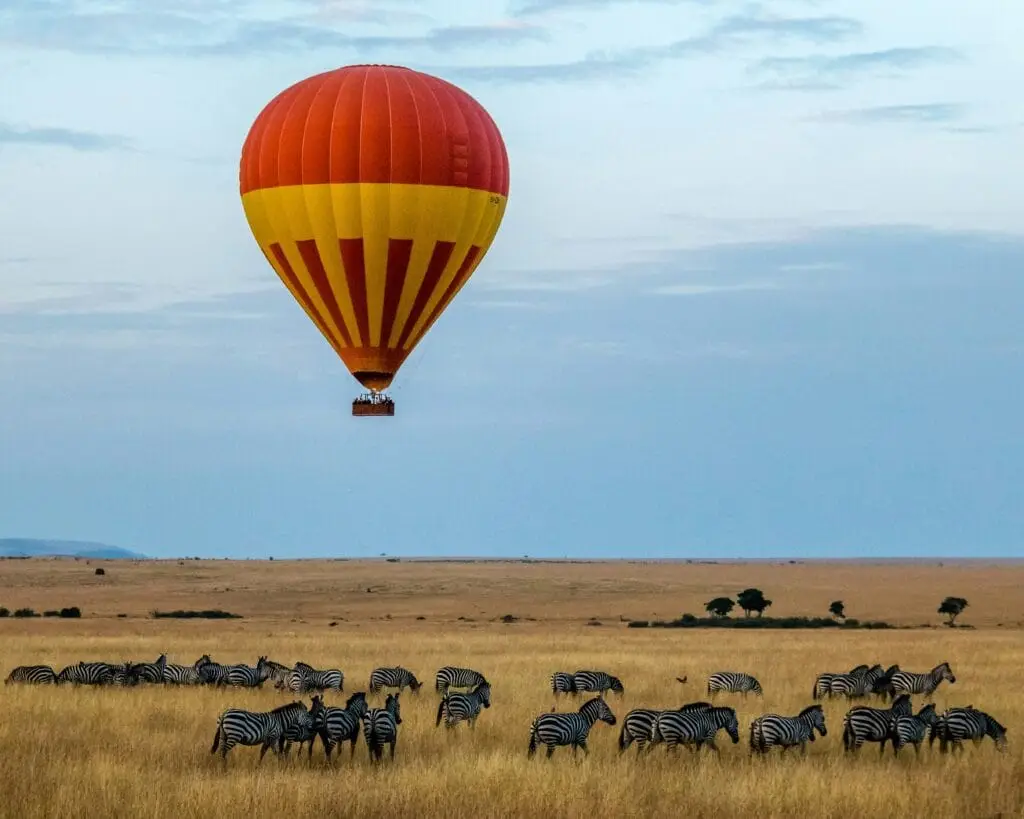
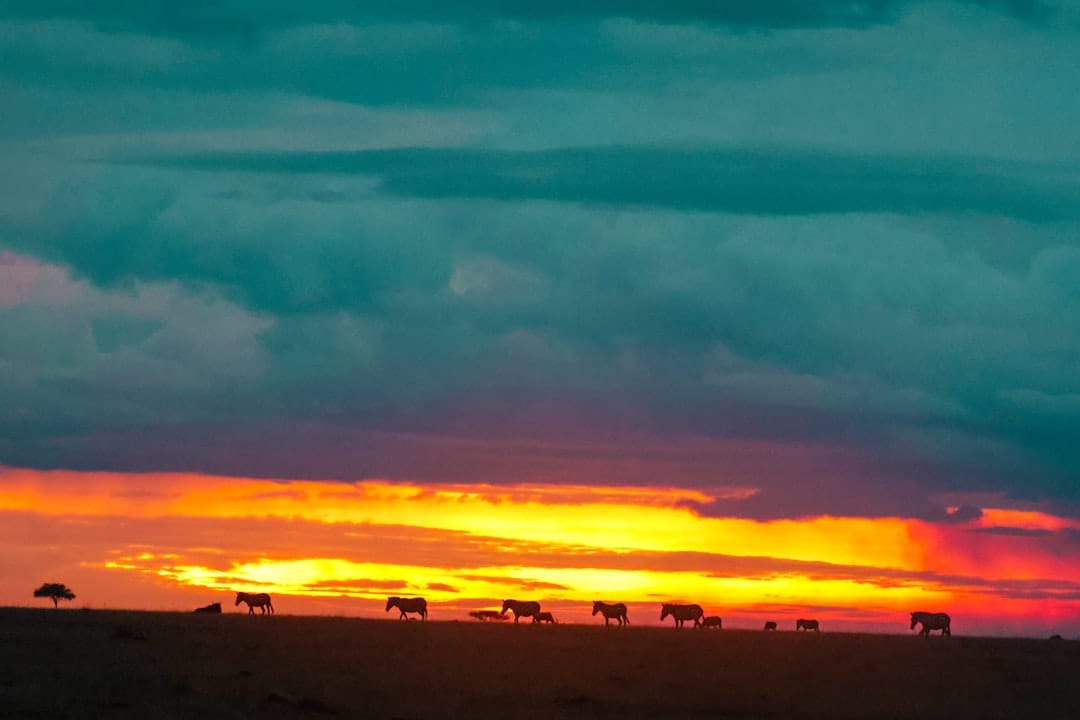
Why it’s elite: The stage for the Great Migration and some of the world’s most approachable big cats. It’s the classic big five safari with drama at every golden hour.
Signature subjects:
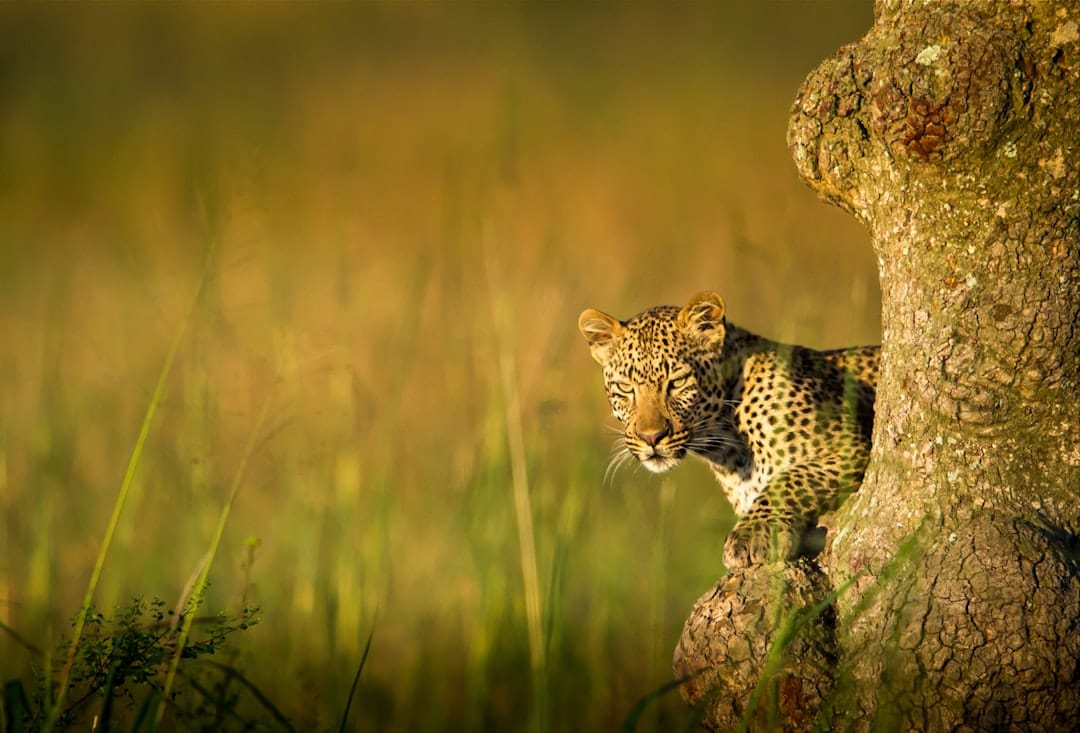
- Lions (large prides), cheetahs, leopards
- Wildebeest river crossings (July–October)
- Elephants, giraffes, hippos, crocs, raptors
Best time to go:
- July–October for crossings
- January–March for predator action and clear light
Photo tips:
- Use 1/1600s+ for running wildlife; Auto ISO with a cap helps.
- Position for backlight at sunrise/sunset; dust creates cinematic glow.
- Ask your guide for low-angle opportunities near safe, legal spots.
Learn more about planning an African adventure: Wildlife Safari in Africa: The Ultimate Adventure for Nature Lovers and National Geographic’s overview of the Great Migration.
2) Okavango Delta, Botswana
Why it’s elite: A flooded Eden where channels, islands, and papyrus support dense wildlife with minimal crowding. Water-level dynamics make every day different.
Signature subjects:
- Elephants, lechwe, hippos, lion, leopard, African wild dog
- Birdlife galore: malachite kingfishers, bee-eaters, fish eagles
Best time to go:
- June–October (dry season and annual flood peak)
- Shoulder months offer softer pricing with excellent sightings
Photo tips:
- Bring a polarizer for boat-based reflections.
- From mokoro or boat, a 100–400mm is ideal; in vehicles, a 200–600mm shines.
- Watch for hunting wild dogs at first light.
3) Greater Kruger (incl. Sabi Sands), South Africa
Why it’s elite: High predator densities and off-road allowances in private reserves make close-range big-cat encounters common—making it one of the best wildlife photography destinations for beginners and pros alike.
Signature subjects:
- Leopards (exceptional viewing), lions, rhinos, elephants, buffalo
- Iconic birding: lilac-breasted roller, hornbills, raptors
Best time to go:
- May–October (dry season for visibility)
- Summer storms add dramatic skies and babies
Photo tips:
- Bean bag on the vehicle door; keep a second body with 24–70mm for close approaches.
- Ask your guide to anticipate cat movements for clean backgrounds.
4) Pantanal, Brazil
Why it’s elite: The planet’s most reliable jaguar photography. Rivers become wildlife highways, allowing respectful, legal proximity from boats.
Signature subjects:
- Jaguars hunting along banks
- Giant otters, capybara, caiman
- Toucan, hyacinth macaw, jabiru stork
Best time to go:
- July–October (low water levels concentrate prey)
Photo tips:
- Boats can be unsteady—use faster shutter speeds (1/2000s for action).
- A 400–600mm reach is helpful; pack a rain cover.
- Early season yields cleaner banks and fewer floating logs in frames.
5) Svalbard, Norway
Why it’s elite: Arctic light, glaciers, and sea ice offer surreal polar bear photography and seabird cliffs set against mirror-calm fjords.
Signature subjects:
- Polar bears, arctic fox, walrus, bearded seals
- Puffins, guillemots, kittiwakes
Best time to go:
- May–August via expedition ships; earlier trips offer better sea ice for bears
Photo tips:
- Expose to protect highlights on ice; use +0.3 to +1 EV when metering snow.
- Long lenses (400–600mm) with stabilization help on zodiacs.
- Dress for wind-chill; condensation control is essential when re-boarding.
Plan with official guidance from Visit Norway: Svalbard.
6) Borneo, Indonesia & Malaysia (Sabah)
Why it’s elite: A rainforest cathedral for orangutan photography, pygmy elephants, and cloud forests packed with endemic birds and frogs.
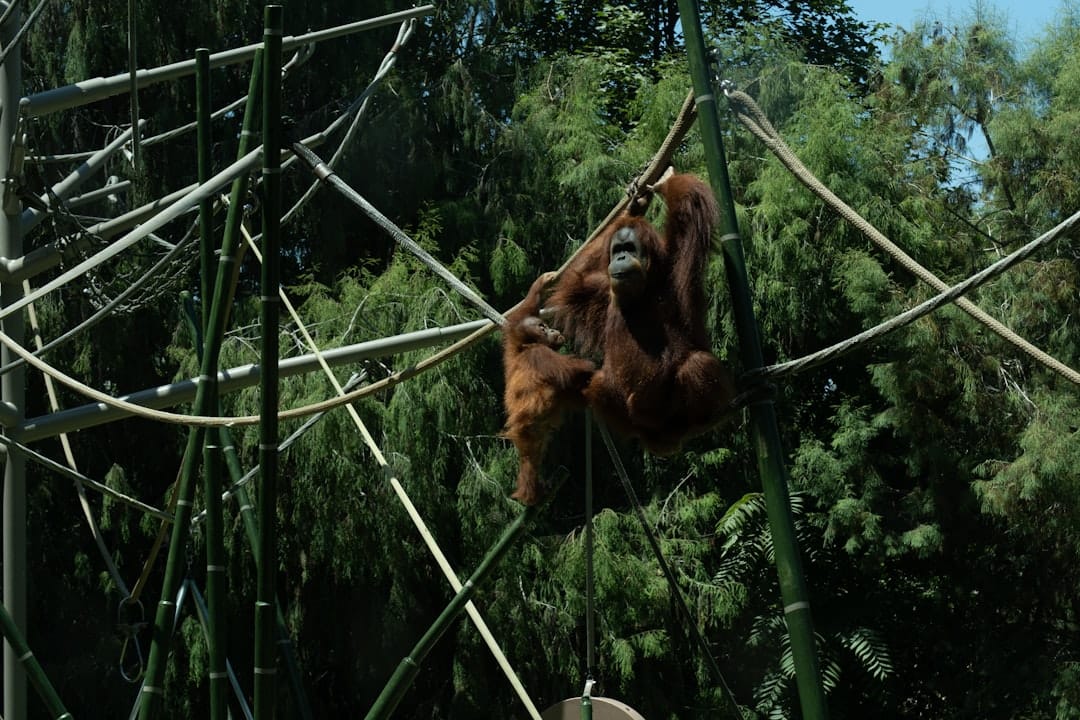
Signature subjects:
- Wild orangutans, proboscis monkeys, Bornean pygmy elephants
- Hornbills, pitas, flying lizards, nocturnal tarsiers
Best time to go:
- March–October for drier trekking; showers still likely
Photo tips:
- In dense canopy, prioritize fast glass (f/2.8–f/4) and clean ISO.
- Track eyes through leaves; single-point AF and manual exposure help.
- Ethical rule: never bait or approach; let behavior unfold naturally.
7) India’s Tiger Circuit (Ranthambore, Bandhavgarh, Tadoba)
Why it’s elite: The highest odds of tiger photography on Earth, set in palaces, lakes, teak forests, and bamboo thickets.
Signature subjects:
- Bengal tigers, sloth bear, dhole, gaur
- Peacocks, rollers, changeable hawk-eagles
Best time to go:
- March–May for heat-driven waterhole sightings
- Nov–Feb for misty, ethereal forests
Photo tips:
- Pre-focus on tracks; request zones with fresh pugmarks.
- Tigers often appear at first/last light—use fast primes if you have them.
- Keep your shutter silent or in low burst to avoid disturbance.
8) Galápagos Islands, Ecuador
Why it’s elite: Wildlife with no fear of humans means intimate, wide-angle encounters—perfect for storytelling and environmental portraits.
Signature subjects:
- Marine iguanas, giant tortoises, blue-footed boobies
- Galápagos penguins, sea lions, frigatebirds
Best time to go:
- Year-round; June–December for cooler waters and rich marine life
- December–May offers calmer seas and lush landscapes
Photo tips:
- Go wide: 16–35mm and even fisheye for sea lions.
- Practice careful footing—nesting birds use trailsides.
- Snorkel housings yield unforgettable split-level frames.
Official info: Galápagos National Park.
9) Antarctica & South Georgia
Why it’s elite: The greatest birding destinations for sheer biomass and spectacle. Think king penguin colonies stretching to the horizon, whales bubble-net feeding, and albatross carving wind.
Signature subjects:
- King, gentoo, chinstrap, and Adélie penguins
- Humpback and minke whales, leopard seals, snow petrels
Best time to go:
- November–March via expedition ships
- South Georgia shines Dec–Feb for chicks and dense colonies
Photo tips:
- Wide and long: 24–70mm for colonies; 100–400mm for behavior.
- Mind the 5-meter wildlife rule and biosecurity protocols.
- Use soft overcast to your advantage for rich color in plumage.
Responsible travel resources: IAATO traveler guidance.
10) Uganda & Rwanda (Mountain Gorillas)
Why it’s elite: Life-changing trekking to meet gentle giants in misty, emerald forests—arguably the most emotional experience in nature travel.
Signature subjects:
- Mountain gorilla families, golden monkeys
- Albertine Rift endemics for serious birders
Best time to go:
- June–September and December–February for fewer storms
Photo tips:
- ISOs climb fast—shoot RAW and lean on noise reduction.
- Keep a 24–105mm ready; you’re often closer than expected.
- Respect distance, masks, and guidelines to protect these endangered animals.
Rapid planning guide: where to photograph wildlife by goal
If you want big cats up close:
- Greater Kruger (leopards), Maasai Mara/Serengeti (lions, cheetah), India (tigers)
If you want apex water encounters:
- Pantanal (jaguar river hunts), Okavango (wild dogs and aquatic backdrops)
If you want polar and ice:
- Svalbard (polar bears), Antarctica/South Georgia (penguins, whales)
If you want primates and rainforest:
- Borneo (orangutans), Uganda/Rwanda (gorillas)
If you want approachable, wide-angle wildlife:
- Galápagos (tame behavior and unique species)
Photographer’s ethics and fieldcraft
- Be invisible: stay quiet, keep distance, and let wildlife move first.
- No baiting, no playback, no drone harassment.
- Work with certified, conservation-led operators.
- Study animal behavior—anticipation beats reaction 9 times out of 10.
For a year-ahead inspiration list, see Best Wildlife Destinations 2025.
Pro settings that save shots
- Action baseline: 1/1600s, Auto ISO, aperture wide open, continuous AF with subject tracking.
- Static portraits: 1/500s, lower ISO, stop down to f/5.6–f/8 for detail.
- Low light forest: manual 1/320s, Auto ISO, f/2.8–f/4; time your shots for subject pauses.
- On water: raise shutter speeds and enable IBIS/VR; brace elbows, control breathing.
Logistics that improve your keeper rate
- Choose small-group or private vehicles; fewer shooters = better angles.
- Book shoulder seasons for fewer vehicles at sightings.
- Stay near action: riverfront lodges in Pantanal, private conservancies in Mara, Sabi Sands for off-road privilege.
- Pre-brief your guide on your photo goals, not just “see animals.”
For technique building blocks, try Bird Photography for Beginners (Bosque del Apache).
Budget vs. experience trade-offs
- Splurge categories that matter: guiding quality, location, and time in the field.
- Save on: room size and fancy finishes—you won’t be in your tent much.
- Hidden costs: internal flights, park permits, overweight photo bags, tips.
Safety and resilience
- Backups: dual-card recording, daily offloads to SSD, cloud when possible.
- Weatherproofing: silica packs, rain shells, and a towel in every bag.
- Health: malaria prophylaxis where advised, N95s for gorilla treks, sun and wind protection in polar zones.
Conservation impact
- Pick lodges funding anti-poaching or community projects.
- Support citizen science (e.g., submitting ID shots of jaguars or leopards).
- Buy local—guides, crafts, and co-ops keep money in the ecosystem.
- Learn species status: WWF overview for Polar Bears.
Sample 10-day photo itineraries
East Africa (Mara + Serengeti):
- 3 nights private conservancy (night drives, off-road).
- 4 nights central Serengeti for predators.
- 3 nights near major crossing points (July–Oct).
Brazil Pantanal:
- 2 nights South Pantanal wetlands (birds, giant otter).
- 4 nights Porto Jofre for jaguars.
- 4 nights Northern rivers (repeat jaguar sessions).
Arctic Svalbard:
- 10–12 days expedition ship.
- Mix of zodiac cruises, glacier fronts, walrus haul-outs.
- Flex days for ice scouting and bear encounters.
Common mistakes (and easy fixes)
- Arriving in the wrong month: anchor your trip to animal seasonality first.
- Under-lensing or over-lensing: two bodies—one long, one midrange.
- Shooting only eye-level: add environmental frames and behavior sequences.
- Ignoring backgrounds: reposition the vehicle or wait 60 seconds for a clean angle.
- Not telling your guide your must-have shots: communicate daily.
Bonus picks if you have extra time
- Yellowstone/Grand Teton (USA): wolves, bison, grizzlies, trumpeter swans.
- Sri Lanka (Yala/Wilpattu): leopards, elephants, blue whale day trips.
- Namibia (Etosha + dunes): stark drama, black rhino at night waterholes.
Ready to plan your route through the world’s most thrilling wildlife hotspots? Use this guide to align seasons, gear, and goals—then chase the light. Share it with your photo buddies, and start blocking dates. The wild won’t wait.
FAQs
What is the single best destination for first-time safari photography?
Greater Kruger (particularly Sabi Sands) offers high big-cat density, excellent guiding, and off-road access that brings you closer than most parks—ideal for building confidence and a strong first portfolio.
When is the best time to photograph the Great Migration?
July–October for river crossings in the Maasai Mara and northern Serengeti. Calving season in Ndutu (Jan–March) delivers predator action and softer light without the crossings.
How much focal length do I need for polar bear photography?
Aim for 400–600mm on full-frame. On zodiacs, stabilization and fast shutters (1/2000s for movement) are crucial; dress lenses and bodies for cold and condensation.
Is orangutan photography possible without baiting or captive settings?
Yes—responsible, guide-led treks in Sabah (Danum Valley, Kinabatangan) and Indonesian Borneo focus on wild or semi-wild populations with strict no-contact rules. Always choose operators that follow forest and wildlife guidelines.