Planning a trip to the “Last Frontier” can feel as daunting as navigating its massive, shifting glaciers. Many travelers find themselves overwhelmed by the sheer scale of the landscape, struggling to decide whether to prioritize the misty fjords of the south or the rugged peaks of the interior. Without a comprehensive alaska travel guide, it is easy to spend more time on logistics than actually witnessing the raw, untamed beauty that makes this state a bucket-list destination.
This guide bridges that gap, providing you with a definitive roadmap to navigate Alaska’s vast wilderness with confidence. From the high-altitude wonders of Denali to the whale-filled waters of the Inside Passage, we offer actionable insights and expert tips to ensure your journey is as seamless as it is spectacular. Whether you are a wildlife photographer or an adventure seeker, the following sections will help you master the ultimate Alaska experience.
Understanding the Regions of the Last Frontier
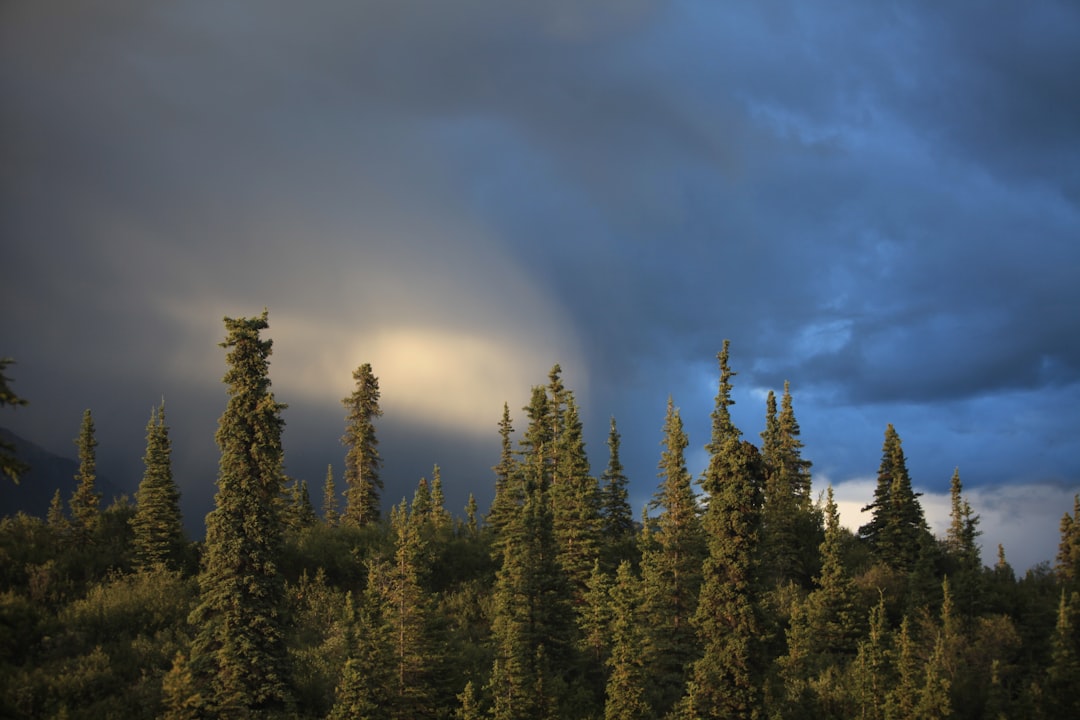
Alaska is more than just a state; it is a collection of distinct ecosystems, each offering a unique window into the natural world. To plan your itinerary effectively, you must first understand the primary regions that define the Alaskan experience. Most travelers focus on the Southcentral and Interior regions, but the Southeast offers a completely different, lush coastal perspective.
The Inside Passage is a labyrinth of islands and fjords where the mountains meet the sea. This region is primarily accessible by boat or plane, making it the heart of Alaska’s cruise industry and a haven for those seeking temperate rainforests and ancient Tlingit culture. Cities like Juneau and Ketchikan serve as gateways to the Mendenhall Glacier and the Tongass National Forest.
Moving north, Southcentral Alaska is home to Anchorage and the Kenai Peninsula. This area provides the perfect balance of accessibility and wild adventure. Here, you can drive from bustling urban centers to the edge of massive glaciers within an hour, making it an ideal starting point for first-time visitors who want a mix of hiking, fishing, and scenic driving.
When to Visit: Timing Your Alaskan Adventure
Timing is everything when it comes to the “The Ultimate Alaska Travel Guide: Capturing Wild Frontiers.” The state transforms completely with the seasons, meaning your experience will vary wildly depending on which month you choose to visit. While summer is the most popular time, the “shoulder seasons” of late May and September offer unique advantages for those looking to avoid crowds.
Summer (June to August) provides nearly 20 hours of daylight, allowing for endless exploration. This is the peak season for hiking, fishing, and most wildlife tours. However, it is also the time when mosquitoes are most active and popular trails can become crowded. If you are prioritizing wildlife sightings, mid-summer is the best time to see bears congregating near salmon runs.
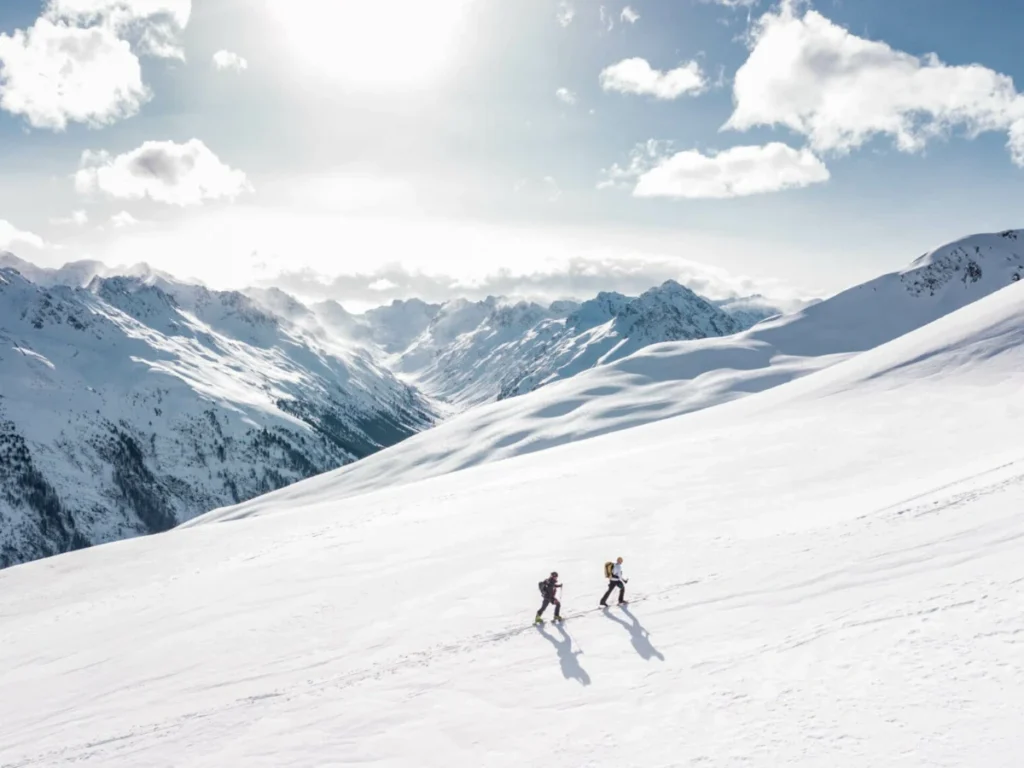
Winter (November to March) is a different world entirely, characterized by deep snow and the ethereal glow of the Northern Lights. While many tourist services shut down, the interior around Fairbanks becomes a global hub for aurora hunters. For those who enjoy winter sports or the quiet solitude of a frozen landscape, the Alaskan winter is unparalleled in its stark, quiet beauty.
Essential Wildlife Viewing and Attractions
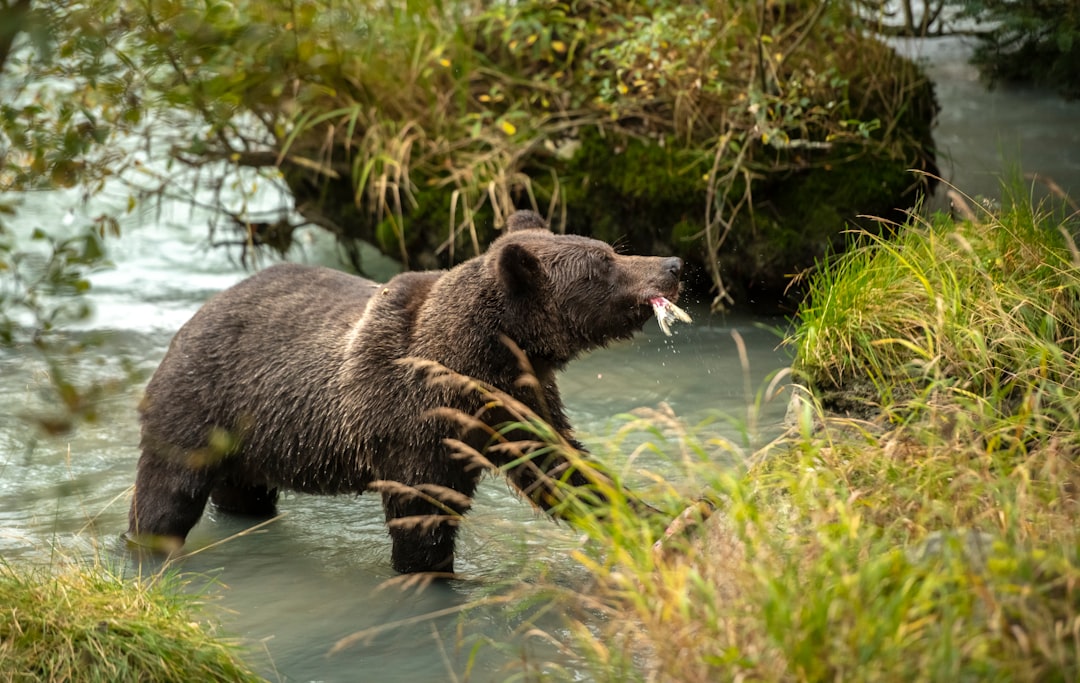
No journey to Alaska is complete without witnessing its legendary wildlife in their natural habitat. The state is home to the “Big Five”: grizzly bears, moose, caribou, Dall sheep, and wolves. For many, seeing a brown bear successfully snatch a salmon from a waterfall is the pinnacle of their trip.
Brooks Falls in Katmai National Park is world-renowned for bear viewing, particularly in July. However, if you are looking for other top-tier spots, consider the best wildlife destinations for 2025 to see how Alaska ranks against global hotspots. Denali National Park also offers a high probability of spotting moose and grizzly bears along the Park Road, though private vehicle access is limited to protect the ecosystem.
Top 5 Places for Wildlife Encounters
- Brooks Falls: Best for watching brown bears fish for salmon during the peak runs.
- Kenai Fjords National Park: Ideal for marine life, including humpback whales, orcas, and sea otters.
- Denali National Park: The premier spot for terrestrial mammals like caribou and grizzly bears.
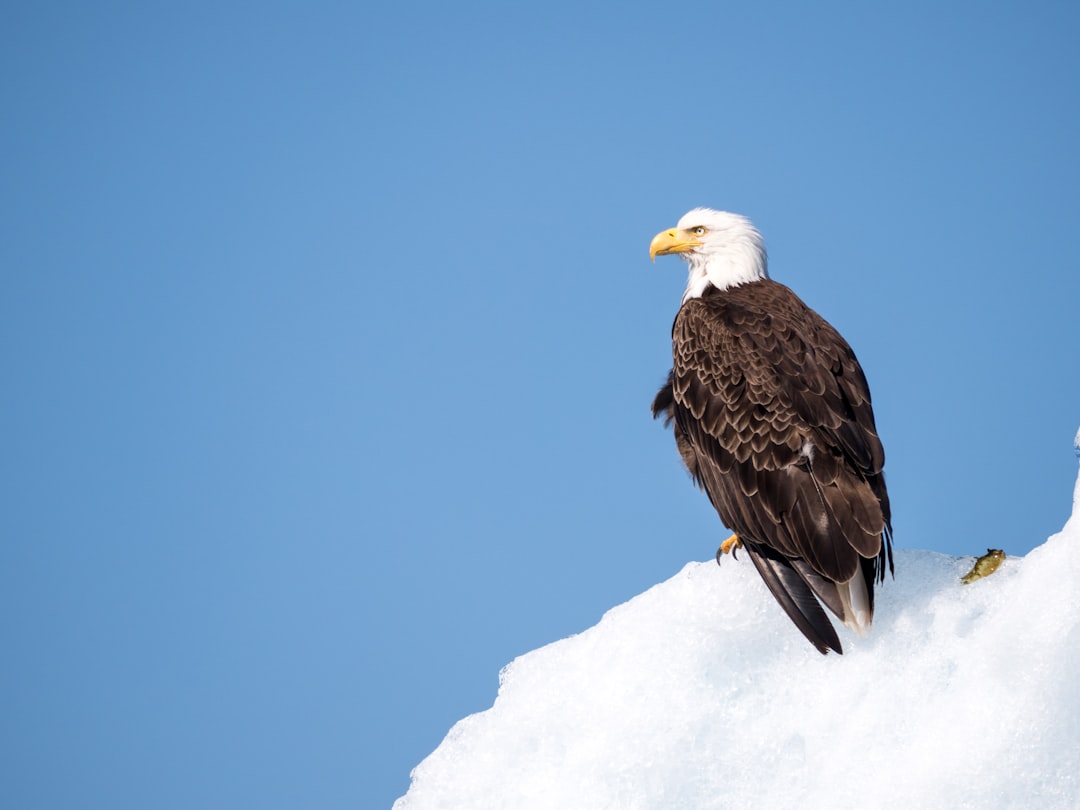
- Haines: Known for the largest gathering of bald eagles in the world during the late autumn.
- Round Island: A remote sanctuary where thousands of Pacific walruses haul out on the beaches.
For more information on wildlife conservation and viewing ethics, visit the Alaska Department of Fish and Game.
Immersive Experiences and Photography Tips
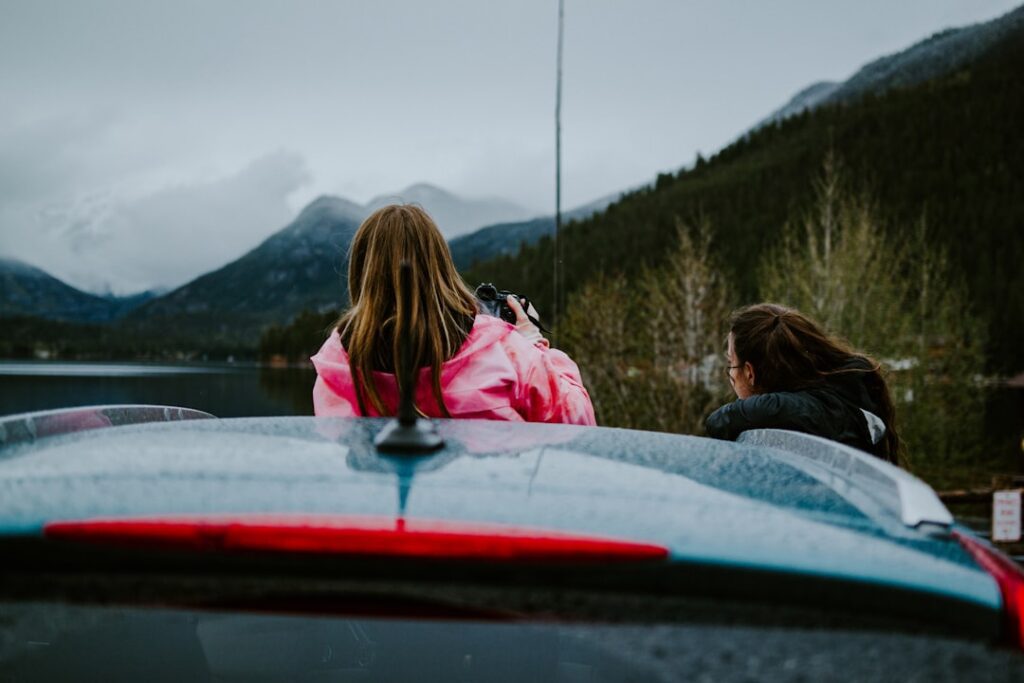
Capturing the essence of Alaska requires more than just a camera; it requires patience and an understanding of the environment. The light in the high latitudes is unique, often resulting in “golden hours” that last significantly longer than in the lower 48 states. This provides photographers with extended windows to capture the perfect shot.
When photographing bald eagles or other fast-moving birds, remember that shutter speed is your most critical setting. If you are just starting out with wildlife photography, reviewing a bird photography for beginners guide can help you master the basics before you reach the coastal forests of the Inside Passage.
Beyond photography, Alaska offers immersive experiences that connect you to the land. Kayaking among icebergs in Glacier Bay National Park allows you to hear the “white thunder” of calving glaciers up close. These moments of profound silence, interrupted only by the sounds of nature, define the emotional impact of an Alaskan journey.
Packing and Preparation for the Wilderness
The Alaskan environment is famously unpredictable. A sunny morning in Seward can turn into a torrential downpour by noon. Therefore, “layering” is the most important concept in your packing strategy. You should always have a moisture-wicking base layer, an insulating mid-layer (like fleece or down), and a waterproof, breathable outer shell.
Footwear is equally important. Even on well-maintained trails, the ground can be spongy or rocky. Waterproof hiking boots with good ankle support are non-negotiable. If you are planning on bringing heavy camera gear, make sure to check out a specialized safari packing list for photographers to ensure your equipment stays dry and functional in the field.
Essential Gear Checklist
- Binoculars: A high-quality pair (8×42 or 10×42) is essential for spotting wildlife from a distance.
- Bear Spray: Mandatory for hikers; ensure you know how to use it and that it is easily accessible.
- Power Bank: Cold weather drains batteries quickly; always have a backup power source for your phone and camera.
- Dry Bags: Essential for boat tours or kayaking trips to protect your electronics from salt spray.
For official safety guidelines and park regulations, refer to the National Park Service Alaska website.
Navigating Alaska: Transportation Options
Getting around Alaska is part of the adventure. Because many parts of the state are not connected by roads, you will likely use a combination of planes, trains, and automobiles. The Alaska Railroad is one of the most scenic ways to travel between Anchorage, Denali, and Fairbanks, offering glass-domed cars for panoramic viewing.
For those who prefer independence, renting a campervan or SUV is a popular choice. The Seward Highway and the Glenn Highway offer some of the most beautiful drives in North America. However, be mindful of “Alaskan distances”—what looks like a short drive on a map can take hours due to mountain passes and wildlife crossings.
Lastly, the Alaska Marine Highway System (the state ferry) is a budget-friendly alternative to luxury cruises. It allows you to visit small coastal communities at your own pace while carrying your vehicle along for the ride. This is an excellent way to see the Inside Passage if you prefer a more authentic, local experience.
The Cultural Heritage of the North
While the landscapes are breathtaking, the soul of Alaska lies in its people. Indigenous cultures, including the Inuit, Yup’ik, and Tlingit, have thrived here for thousands of years. Visiting cultural centers, such as the Alaska Native Heritage Center in Anchorage, provides vital context to the land you are exploring.
Respecting these traditions and the land is a core part of being a responsible traveler. Many areas of Alaska are sacred or belong to native corporations; always ensure you have the proper permits if you are venturing off the beaten path. Learning even a few words of the local language or the history of a totem pole can deeply enrich your travel experience.
For more inspiration on planning your trip, visit the Travel Alaska Official Site.
Key Cultural Considerations
- Support Local: Buy authentic Native Alaskan art (look for the “Silver Hand” or “Made in Alaska” labels).
- Leave No Trace: Alaska’s ecosystem is fragile; stay on trails and pack out all trash.
- Respect Private Land: Much of the wilderness is owned by Native Corporations; always check for permit requirements.
Exploring Alaska is a transformative experience that challenges your perspective on the natural world. It is a place where humans are small and the wilderness is vast, reminding us of the raw power of the earth. By following this guide, you are not just planning a vacation; you are preparing for a profound encounter with one of the planet’s last truly wild places.
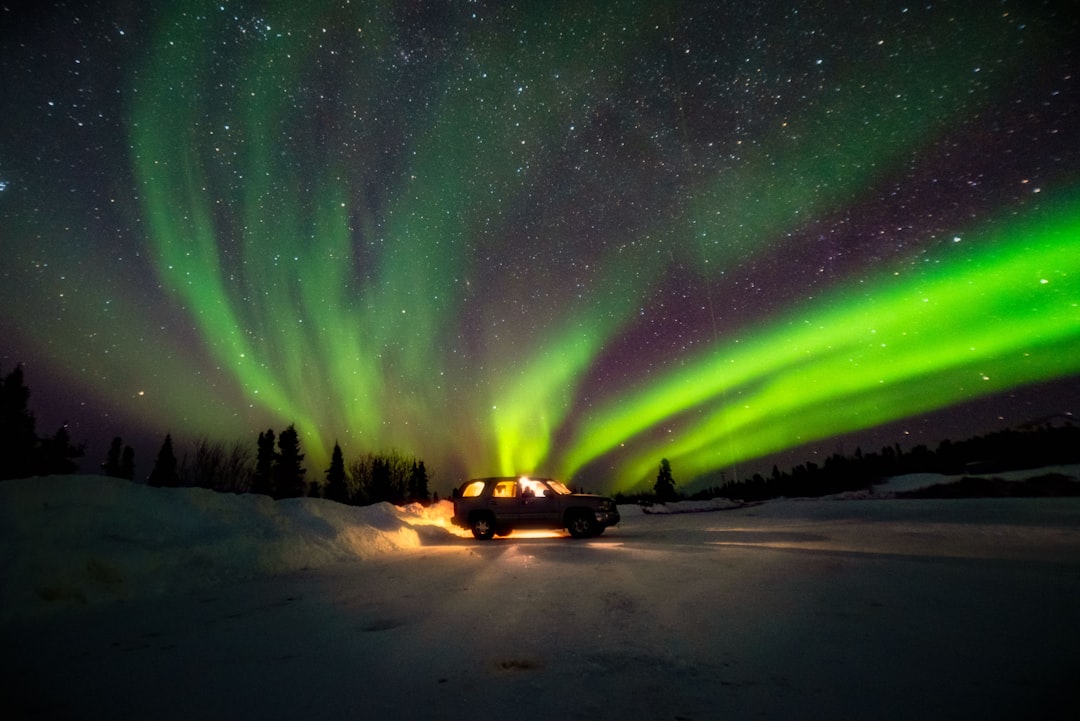
Alaska demands respect, preparation, and an open heart. Whether you are standing before the towering face of a glacier or watching the sky dance with green fire, the memories you make here will resonate for a lifetime. The Last Frontier is waiting—it’s time to capture your own wild frontier.
Frequently Asked Questions
When is the best time to see the Northern Lights in Alaska?
The best time to see the Aurora Borealis is from late August to mid-April, when the nights are sufficiently dark. Fairbanks is considered one of the best places in the world for viewing due to its position under the “Auroral Oval” and its generally clear skies.
Do I need to worry about bears while hiking in Alaska?
Yes, Alaska is bear country. While attacks are rare, you must practice bear safety. This includes making noise while hiking, carrying bear spray in an accessible location, and properly storing food. Always maintain a distance of at least 100 yards from bears.
Is it possible to see Alaska on a budget?
While Alaska is generally expensive due to its remote location, you can save money by traveling in the shoulder season (May or September), using the Alaska Marine Highway System instead of cruises, and opting for campsites or hostels rather than luxury lodges.
What is the best way to see Denali?
Since most of the park road is closed to private vehicles, the best way to see Denali is by taking one of the park’s narrated transit buses or tour buses. These buses allow you to travel deep into the wilderness where the highest concentration of wildlife and the best views of the mountain are found.