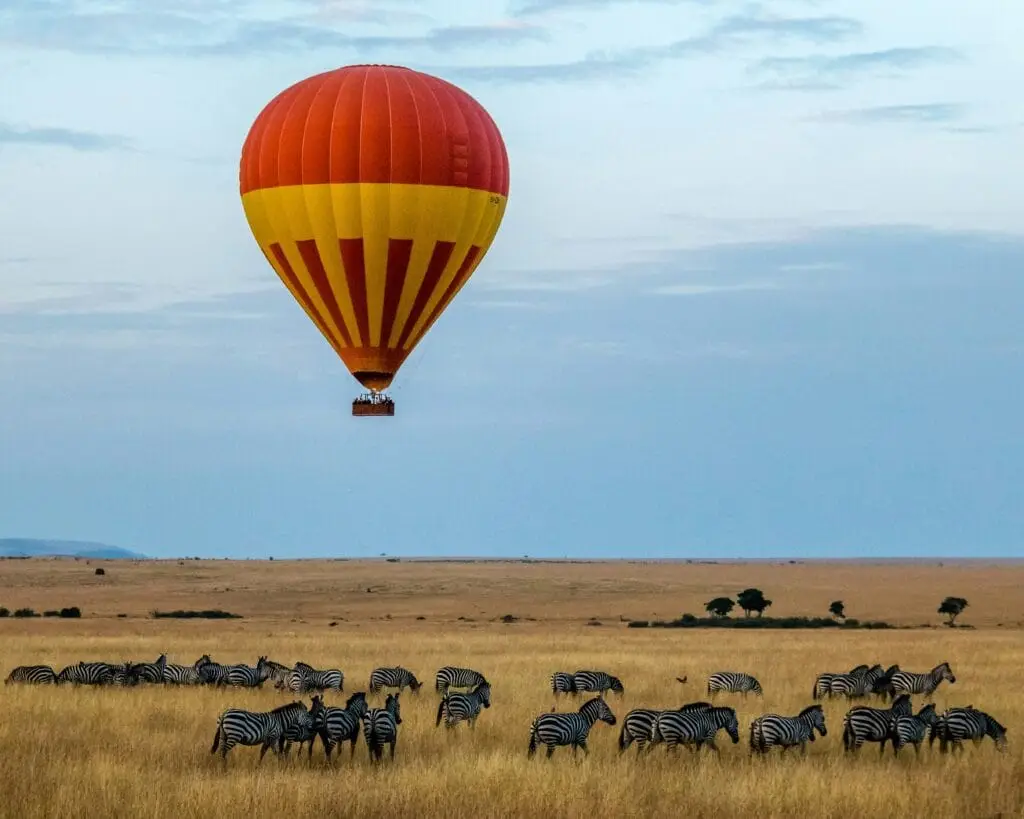
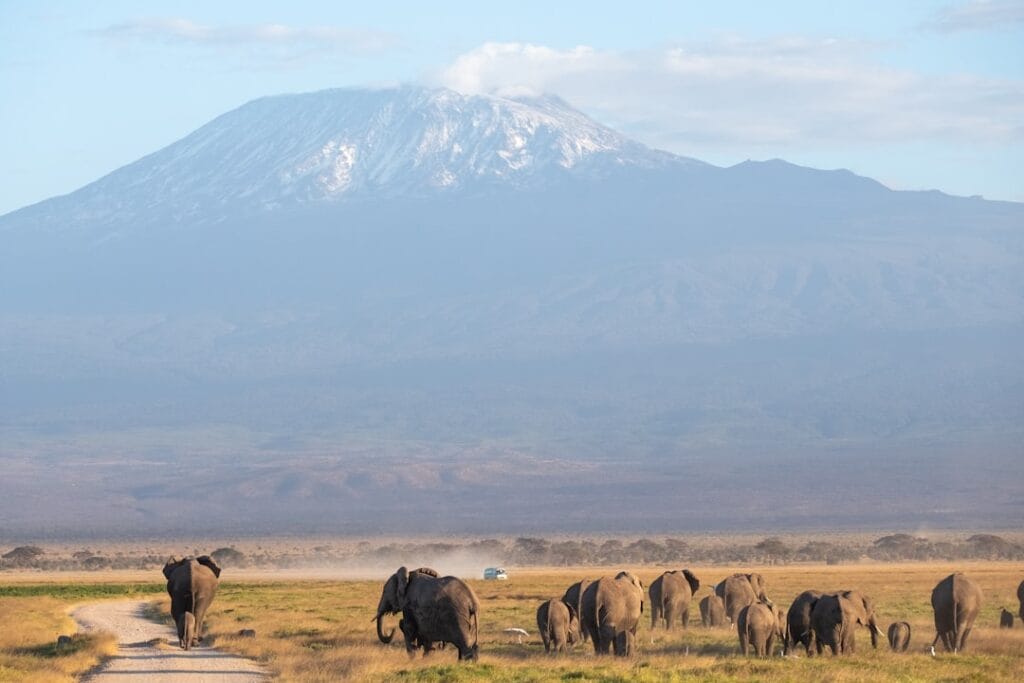
You’re planning a once-in-a-lifetime wildlife trip—but the options feel endless, prices are rising, and you don’t want to land in a crowded park with poor sightings. This guide distills the best wildlife destinations 2025 into 15 epic picks across land and sea, with timing, ethics, and photography advice so you return with unforgettable encounters and portfolio-worthy shots.
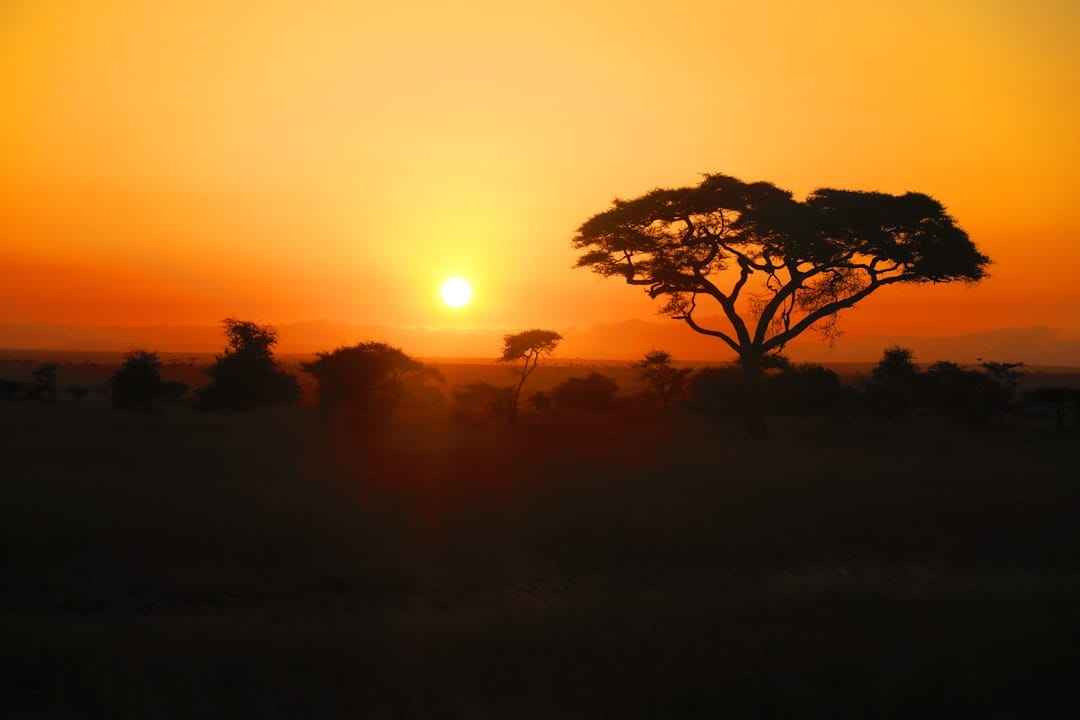
The problem: wildlife trips are time-sensitive and seasonal. Migrations shift, oceans warm, and traveler pressure can alter animal behavior. Agitate: book blindly and you might miss the prime window—or worse, support practices that harm wildlife. Solve: use this data-driven, field-tested shortlist with exact months, habitats, species highlights, and ethical operators to target the right place at the right time in 2025.
How we chose these 15 epic destinations
- High probability of marquee species (based on multi-year sighting data and seasonality)
- Diverse ecosystems (savanna, rainforest, wetlands, polar, pelagic)
- Strong conservation management and ethical guiding standards
- Excellent viewing and photography conditions (light, access, backgrounds)
- Clear “best time” windows for 2025 travel planning
Quick Planner: Best time for safari 2025 (at a glance)
- East Africa (Serengeti, Maasai Mara): June–October for dry-season concentrations; late Jan–March for calving in southern Serengeti
- Southern Africa (Botswana, Zambia, Namibia): July–October for peak game density and waterhole action
- India & Sri Lanka: Feb–April for tigers and leopards; Nov–March for dry, clear conditions
- Amazon & Pantanal (Brazil): July–October for jaguars; June–August for vibrant birdlife
- Polar (Svalbard): May–August for polar bears and midnight sun
- Islands & Marine (Galápagos, Raja Ampat, Baja): Species-specific peaks vary—see each destination below
Pro tip: Build flexibility into your dates. A 48-hour swing can be the difference between missing and nailing a migration crossing.
The 15 epic picks for 2025
1) Serengeti & Ngorongoro, Tanzania
- Why 2025: Consistent calving in late Jan–March brings predator action on open plains; dry-season (June–October) funnels wildlife to water.
- Best for: Big cats, massive herds, classic savanna scenes.
- Photo tips: Use longer glass (400–600mm) for clean subject isolation on golden grass backdrops.
- When to go: Late Jan–March (Ndutu calving) or June–October (central/northern Serengeti).
2) Maasai Mara, Kenya
- Why 2025: Mara River crossings typically peak Aug–September; resident cats year-round.
- Best for: Iconic river drama, cheetah hunts, big skies.
- Ethics: Choose guides who avoid crowding at sightings; set a time limit per vehicle.
- When to go: July–September for migration; October–February for quieter, cat-forward trips.
3) Okavango Delta, Botswana
- Why 2025: The annual flood peaks July–August, drawing elephant, buffalo, and predators to channels and islands.
- Best for: Mokoro-level eye-lines, leopard on fallen trees, wild dogs.
- Photo tips: Polarizer to manage reflections on water; soft dawn light over reedbeds.
- When to go: June–October (dry, best visibility).
4) South Luangwa, Zambia
- Why 2025: The birthplace of walking safaris; leopard density is exceptional.
- Best for: Low-angle encounters, night drives with civets, genets, and lion on the move.
- When to go: July–October; consider the “emerald season” (Nov–March) for moody storms and birds.
5) Greater Kruger & Sabi Sands, South Africa
- Why 2025: Predictable big cat sightings and off-road allowances in private reserves enable intimate photography.
- Best for: Leopard behavior, wild dogs in winter, rhino.
- When to go: May–September for crisp air, open bush.
6) Etosha & Skeleton Coast, Namibia
- Why 2025: Etosha’s pans create high-contrast, minimalist frames; Skeleton Coast offers desert-adapted lion and elephant.
- Best for: Waterhole stakeouts, oryx in mirage heat, dramatic dunes + wildlife combos.
- When to go: June–October.
7) Uganda & Rwanda (Mountain Gorillas)
- Why 2025: Gorilla trekking remains one of the planet’s most profound wildlife experiences with regulated permits.
- Best for: Intimate portraits, storytelling of conservation success.
- Ethics: Keep 7m distance, masks often required—follow ranger instructions.
- When to go: June–September; December–February.
8) India (Ranthambore, Tadoba, Kaziranga)
- Why 2025: Tiger numbers are strong; Kaziranga adds rhino, swamp deer, and elephants.
- Best for: Tigers in ruins (Ranthambore), barasingha in mist, elephant-backed perspectives (from roads only).
- When to go: Feb–April for heat-driven waterhole sightings; Nov–Feb for birding and clear light.
9) Sri Lanka (Yala, Wilpattu + Blue Whales in Mirissa)
- Why 2025: High density of leopards in Yala; offshore Mirissa sees seasonal blue whales.
- Best for: Leopard on granite outcrops; dual land-and-sea itineraries.
- When to go: Feb–April (leopard); Nov–April (blue whales).
10) Sabah, Borneo (Kinabatangan, Danum Valley)
- Why 2025: Orangutans, proboscis monkeys, pygmy elephants, and hornbills in ancient rainforest.
- Best for: Canopy walks, river boats, macro and bird photography.
- When to go: March–October; shoulder months are quieter and lush.
11) Pantanal, Brazil
- Why 2025: Boat-based jaguar photography is at its best in low-water months.
- Best for: Jaguars on riverbanks, giant otters, hyacinth macaws.
- When to go: July–October.
12) Galápagos Islands, Ecuador
- Why 2025: Behavior-rich encounters with fearless wildlife under strict conservation rules.
- Best for: Blue-footed boobies, marine iguanas, sea lions, penguins.
- When to go: June–November for cooler seas and active marine life; Dec–May for calmer waters.
13) Baja California Sur, Mexico
- Why 2025: Close, ethical gray whale interactions in protected lagoons; mobula ray aggregations offshore.
- Best for: Intimate behavior, aerial drone scenes where legal.
- When to go: January–March (gray whales); April–June (mobula rays).
14) Svalbard, Norway
- Why 2025: Pack ice access for polar bears, walrus, and Arctic fox under midnight sun.
- Best for: Abstract ice compositions, backlit bears on floes.
- When to go: May–August via expedition ships; consider smaller vessels for flexibility.
15) Raja Ampat & Komodo, Indonesia
- Why 2025: Biodiversity hotspot for reefs; mantas, reef sharks, and macro abound.
- Best for: Marine wildlife photography with surreal water clarity.
- When to go: October–April (Raja Ampat); April–November (Komodo).
Top national parks and reserves for wildlife in 2025
- Serengeti National Park (Tanzania): Migration drama + predator density
- Maasai Mara National Reserve (Kenya): Crossing spectacle and big cats
- Chobe and Moremi (Botswana): Elephant capital and predator-rich channels
- South Luangwa National Park (Zambia): Walking safaris and leopards
- Kruger National Park + Sabi Sands (South Africa): Big Five with excellent access
- Etosha National Park (Namibia): Waterhole theater and stark vistas
- Kaziranga National Park (India): One-horned rhino stronghold
- Yala National Park (Sri Lanka): Island leopards
- Galápagos Marine Reserve (Ecuador): Strictly protected megafauna
- Komodo National Park (Indonesia): Mantas + dragons, carefully regulated
What you’ll see on safari in 2025
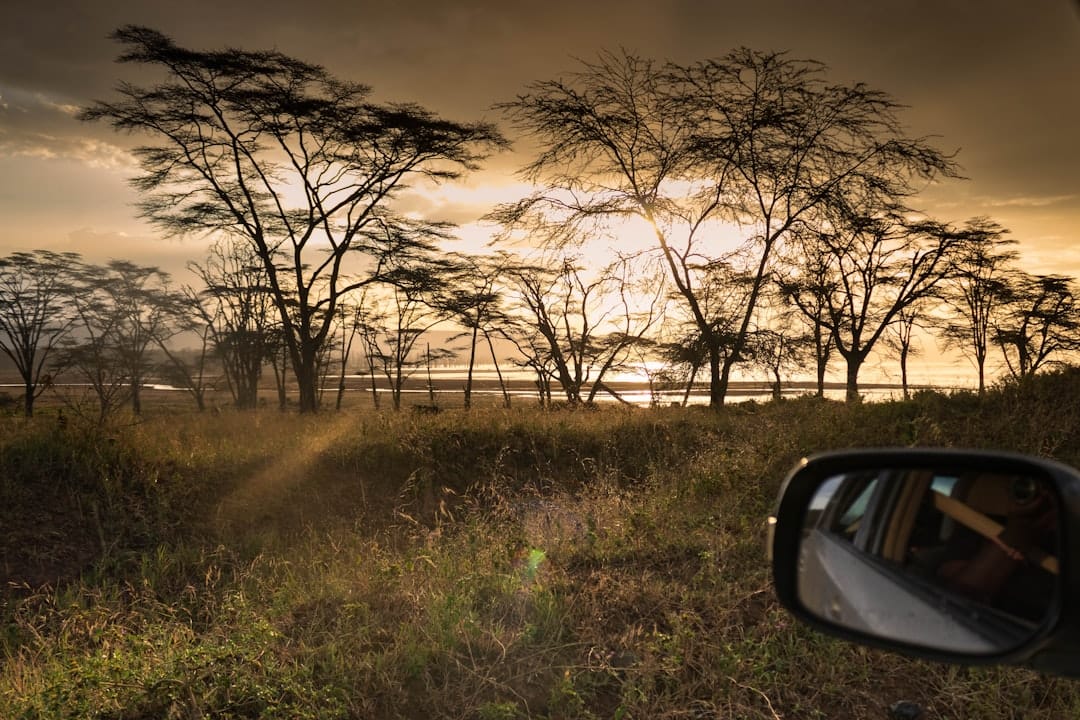
- Big cats: lions, leopards, cheetahs, tigers—most active at dawn/dusk
- Giants: elephants in Botswana, rhino in South Africa, blue whales in Sri Lanka
- Rare icons: jaguars (Pantanal), polar bears (Svalbard), mountain gorillas (Bwindi/Volcanoes)
- Birds: carmine bee-eaters, shoebills, toucans, hornbills, penguins, albatross
- Marine life: whale sharks, manta rays, dolphins, sea lions, mobula rays
Marine wildlife photography: where and when to dive in 2025
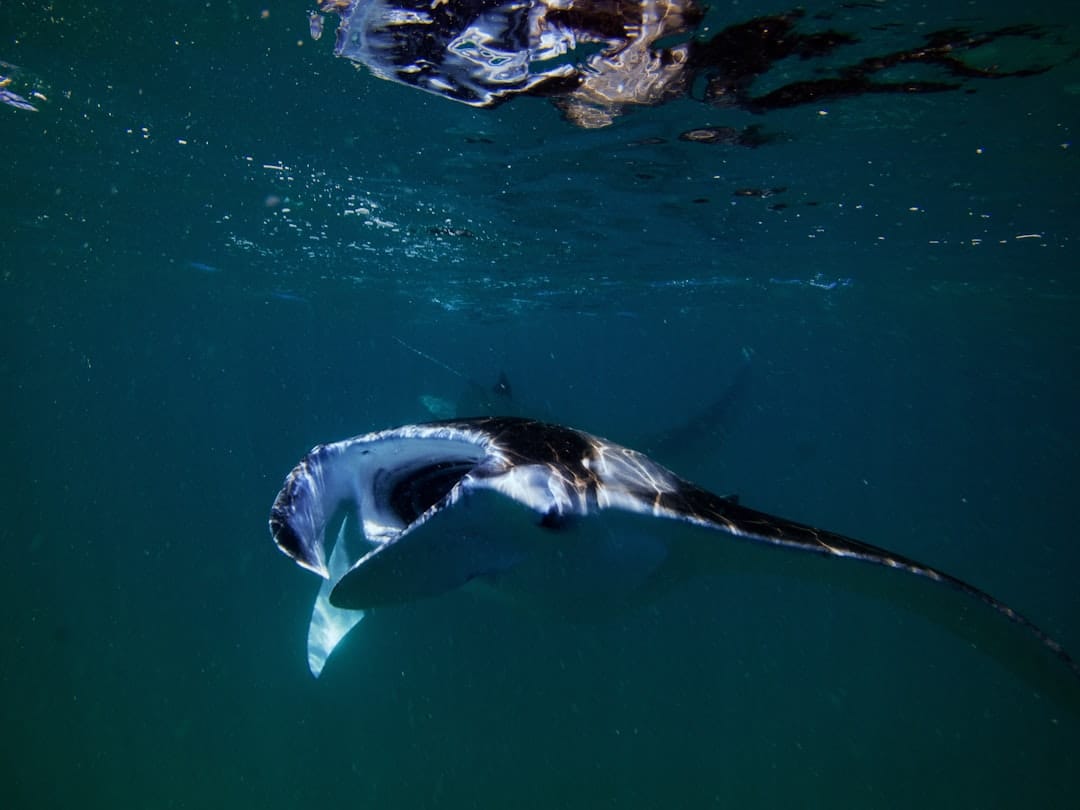
- Raja Ampat (Oct–Apr): Mantas at cleaning stations; bring red filters and strobes for color fidelity.
- Galápagos (Jun–Nov): Cooler waters mean higher marine activity; currents demand solid drift skills.
- Baja California Sur (Jan–Mar, Apr–Jun): Gray whales in lagoons; mobula aggregations at dawn/dusk.
- Ningaloo Reef, Australia (Mar–Aug): Whale sharks and mantas on the edge of the reef.
- Sri Lanka (Nov–Apr): Blue whales off the south coast in calmer seas.
Underwater tips:
- Shutter priority for fast-moving pelagics; start at 1/500s.
- Use manual white balance or filters at depth; RAW files are critical.
- Keep distance and never chase megafauna—let the subject approach.
Ethical wildlife tourism in 2025: the essentials
- Choose certified operators who limit vehicles at sightings and avoid baiting or playback.
- Follow distance rules: gorillas (7m), whales (country-specific), predators (stay in vehicles).
- Ask where your money goes: community-owned conservancies and park fees should support local livelihoods and anti-poaching.
- Leave No Trace: pack out plastics, avoid single-use bottles, and respect quiet in sensitive habitats.
- Never handle, feed, or spotlight animals for photos.
Further reading:
- Responsible travel frameworks and species status: IUCN Red List
- UNESCO-listed ecosystems (e.g., Serengeti): UNESCO World Heritage
- Global travel storytelling and science-backed inspiration: National Geographic Travel
Where to photograph wildlife in 2025: itineraries that work
- Two-week East Africa (June–Sept)
- Mara (5 nights) for crossings + cheetah
- Northern Serengeti (4 nights) for river viewpoints
- Ngorongoro Highlands (2 nights) for landscapes + cultural visits
- Southern Africa action (Aug–Oct)
- Okavango (4 nights) + Khwai/Moremi (3 nights) + Chobe (3 nights)
- Add Victoria Falls (2 nights) if time allows
- Asia’s big cats + whales (Feb–Apr)
- Ranthambore/Tadoba (6–7 nights total) + Yala (3 nights) + Mirissa (2–3 days at sea)
- Amazon to Pantanal (July–Oct)
- North Pantanal (5–6 nights) for jaguars + Cuiabá River
- South Pantanal (3–4 nights) for macaws + wetlands
- Optional Amazon add-on for primates and macro
Wildlife photography gear, settings, and setup
- Core kit: 24–70mm for environmentals, 100–400mm or 200–600mm for action; 1.4x teleconverter for extra reach.
- Shutter speeds: 1/1000s for big cats on the move; 1/320s–1/500s for elephants; 1/2000s for birds-in-flight.
- Stabilization: Beanbags in vehicles; gimbal/monopod for long lenses; dry bags on boats.
- File strategy: Dual card slots, daily backups to SSD; dust control in dry season.
Related deep dives:
- Field packing and protection: Safari Packing List for Photographers
- Africa trip planning inspiration: Wildlife Safari in Africa: The Ultimate Adventure for Nature Lovers
- Flight techniques and exposure: Bird Photography for Beginners (Bosque del Apache)
Budget and booking strategy for the best safaris 2025
- Book 9–12 months out for peak weeks (Aug–Sept in Mara/Serengeti; July–Oct in Botswana/Zambia).
- Combine private conservancies with national parks for crowd control and off-road access.
- Consider shoulder seasons: April/May and November can be superb for cats and dramatic skies.
- Small-group departures lower costs without sacrificing guiding quality—aim for max 4–6 guests per vehicle.
- Always confirm ethics: max vehicles per sighting, no spotlighting of diurnal species, no feeding/baiting.
Responsible operator checklist
- Is the lodge community-owned or employing local staff in leadership roles?
- Are sightings capped with time/vehicle limits?
- Are fees supporting anti-poaching and habitat restoration?
- Do they brief guests on wildlife-first behavior before drives or dives?
Destination spotlights with timing and tips
Tanzania: Serengeti, Ndutu, Ngorongoro
- Best time: Jan–Mar (calving), Jun–Oct (dry season concentrations)
- Highlights: Wildebeest herds, hyena clans, crater backdrops
- Tips: Shorter zooms for storytelling in calving season where proximity can be closer (respect distances)
Botswana: Okavango, Moremi, Chobe
- Best time: Jun–Oct
- Highlights: Elephant herds, wild dog packs, leopards in jackalberry trees
- Tips: Keep shutter high for dogs; anticipate zig-zag chases
Zambia: South Luangwa
- Best time: Jul–Oct
- Highlights: Night drives, leopard sightings, carmine bee-eater colonies (late dry season)
- Tips: Fast primes shine at night; request guides skilled with red-filtered spotlights
Kenya: Maasai Mara
- Best time: Jul–Sept (migration), Oct–Feb (resident cats, fewer crowds)
- Highlights: River crossings, cheetah on termite mounds
- Tips: Backup bodies for dust; pre-focus on crossing points
India: Ranthambore, Tadoba, Kaziranga
- Best time: Feb–Apr
- Highlights: Tigers at waterholes, rhino in misty grasslands
- Tips: Focus on tracks and alarm calls; use silent mode near waterholes
Sri Lanka: Yala + Mirissa
- Best time: Feb–Apr (leopard), Nov–Apr (blue whales)
- Highlights: Granite outcrops, deep blue pelagics
- Tips: Stabilize long lenses in jeeps; on boats, brace and pre-compose
Brazil: Pantanal
- Best time: Jul–Oct
- Highlights: Jaguars, giant otters
- Tips: Continuous AF on river bends; secure rain covers for afternoon storms
Ecuador: Galápagos
- Best time: Jun–Nov (marine life), Dec–May (calm seas)
- Highlights: Close encounters with fearless wildlife
- Tips: Wide-angles for sea lions; avoid flash with sensitive species
Indonesia: Raja Ampat & Komodo
- Best time: Raja (Oct–Apr), Komodo (Apr–Nov)
- Highlights: Manta cleaning stations, dragons on Komodo
- Tips: Respect no-touch policies; watch current charts with your guide
Norway: Svalbard
- Best time: May–Aug
- Highlights: Polar bears, Arctic fox, walrus
- Tips: Long glass and weather protection; keep buffers clear for sudden action
Namibia: Etosha & Skeleton Coast
- Best time: Jun–Oct
- Highlights: Desert-adapted wildlife, stark salt pans
- Tips: Midday heat works for high-key images at waterholes
South Africa: Greater Kruger
- Best time: May–Sept
- Highlights: Leopard behaviors, rhino
- Tips: Monopods in vehicles; ask for side-lighting at dawn
Uganda & Rwanda: Gorillas
- Best time: Jun–Sept, Dec–Feb
- Highlights: Family behaviors, silverbacks
- Tips: Fast zooms (24–105, 70–200); high-ISO performance matters under canopy
Mexico: Baja California Sur
- Best time: Jan–Mar (whales), Apr–Jun (mobulas)
- Highlights: Face-to-face gray whale encounters, huge ray schools
- Tips: Respect captain instructions; get in early for first light
Borneo (Sabah)
- Best time: Mar–Oct
- Highlights: Orangutans, pygmy elephants, proboscis monkeys
- Tips: Quiet shutters; avoid flash with primates
Fieldcraft for better sightings
- Read the landscape: wind direction, water sources, shade lines
- Patience pays: stake out waterholes and river crossings
- Listen: alarm calls, oxpeckers, and monkey chatter reveal predators
- Light over quantity: three great minutes in golden light can beat three hours at noon
Booking responsibly: a final checklist
- Confirm conservation contributions in writing
- Choose smaller camps with fewer vehicles
- Ask for guide-to-guest ratio and vehicle seating (max 4–6)
- Verify photography policies (off-road rules, night drives, flash restrictions)
- Purchase carbon offsets and consider longer, fewer trips
Trip add-ons that elevate your portfolio
- Pre-trip practice at accessible parks or centers to dial in settings and panning
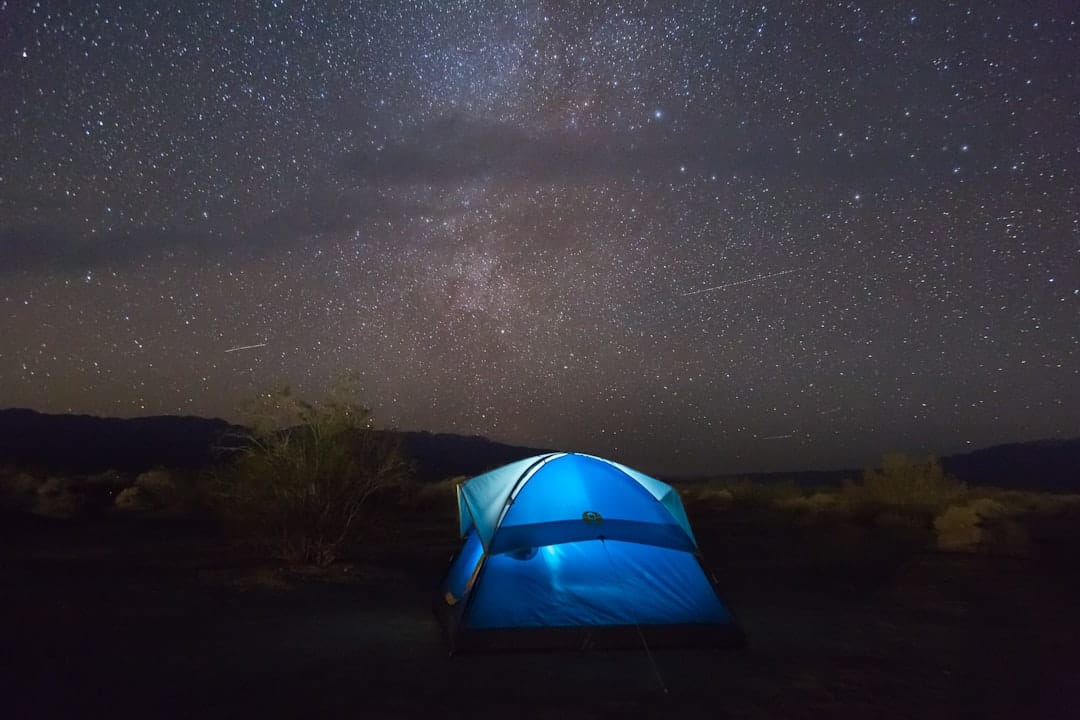
- Night sky and landscape sessions to contextualize your wildlife story
- Short masterclass with your guide on tracking and reading behavior
A few words on safety and comfort
- Vaccinations, malaria prophylaxis, and travel insurance should be confirmed early
- Hydration, sun protection, and layered clothing for dawn drives
- Back up gear nightly and keep a second body ready for surprise moments
Conclusion
Your 2025 wildlife journey should be more than a checklist—it’s a chance to witness raw nature, support conservation, and return changed. Pick a destination that matches your dream species and ideal season, travel with operators who put wildlife first, and give yourself the light, time, and patience to create images you’ll treasure forever. Share this guide with your travel crew and start planning now—prime weeks go fast.
FAQs
What is the best time for safari in 2025?
In East Africa, aim for June–October (dry season) or late January–March (Serengeti calving). In Southern Africa, July–October is prime. For jaguars in the Pantanal, July–October; for polar bears in Svalbard, May–August.
Which destinations are best for marine wildlife photography in 2025?
Top picks include Raja Ampat (Oct–Apr) for mantas, Galápagos (Jun–Nov) for active marine life, Baja California Sur (Jan–Mar gray whales; Apr–Jun mobulas), and Ningaloo Reef (Mar–Aug) for whale sharks and mantas.
How can I ensure ethical wildlife tourism?
Choose operators with strict sighting limits, no baiting or playback, and transparent conservation contributions. Keep respectful distances, never feed or touch wildlife, and follow Leave No Trace principles.
What gear do I need for a wildlife photography trip?
A 100–400mm or 200–600mm telephoto, a 24–70mm for environmentals, fast shutter speeds (1/1000s+ for action), beanbag or monopod stabilization, and dual card backups. For underwater, add strobes/filters and a reliable housing.