
Planning a trip to the French capital can feel like trying to memorize a thousand-year-old masterpiece in a single afternoon. Most travelers arrive with high expectations, only to get lost in the winding arrondissements or stuck in endless queues at the Louvre. This paris france travel guide is designed to cut through the noise, helping you navigate the city’s complex layers with ease and confidence.
Navigating the Arrondissements: Where to Stay
Paris is divided into 20 administrative districts, known as arrondissements, which spiral out from the center like a snail shell. Each neighborhood offers a distinct personality, from the historic grandeur of the 1st to the bohemian slopes of the 18th. For first-timers, staying in the 4th (Le Marais) or the 6th (Saint-Germain-des-Prés) provides a central base within walking distance of major landmarks.
Choosing the right district depends on your travel style:
- The 1st & 2nd: Luxury shopping, the Tuileries Garden, and the Louvre.
- The 5th (Latin Quarter): Academic history, narrow medieval streets, and affordable bistros.
- The 7th: Home to the Eiffel Tower and wide, prestigious boulevards.
- The 11th: The epicenter of the modern culinary scene and vibrant nightlife.
If you are looking for more global travel inspiration after exploring Europe, you might enjoy our 33 best things to do in Bali for a completely different cultural pace.
Iconic Landmarks and Cultural Essentials
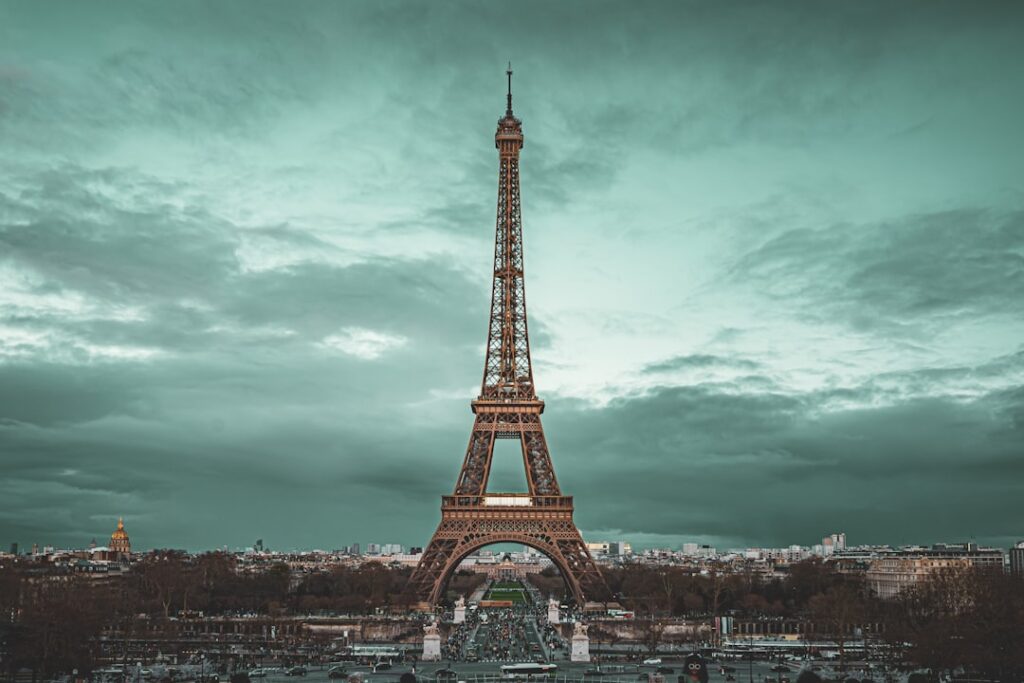
No visit to the City of Light is complete without acknowledging its architectural titans. The Eiffel Tower, originally intended as a temporary installation, remains the definitive symbol of French ingenuity. To avoid the heaviest crowds, consider booking the first elevator slot of the morning or visiting during the “blue hour” when the iron lattice begins its golden sparkle.
The Louvre Museum is another essential stop, though its sheer scale can be intimidating for any visitor. With over 35,000 works on display, it is impossible to see everything in one day; focus on specific wings like the Richelieu or Denon to maintain your sanity. For a more modern perspective, the Centre Pompidou offers a striking contrast with its high-tech architecture and premier contemporary art collection.

Capturing the City: A Photographer’s Guide
Paris is perhaps the most photographed city in the world, yet it still offers unique perspectives for those willing to look closer. For the best views of the skyline, skip the Eiffel Tower queues and head to the Arc de Triomphe or the rooftop of Galeries Lafayette. The symmetry of the Palais-Royal and the colorful houses of Rue Crémieux provide excellent backdrops for street photography.
If your interests lean toward capturing natural beauty within urban environments, you may find the techniques in our Sicily travel guide photography useful for the similar Mediterranean light found in Southern France. For more general travel tips across different climates, check out our guide on things to do in Japan.
The Parisian Experience: Beyond the Monuments
True Parisian life happens in the “entre-deux”—the moments between the major sights. It is found in the slow mornings spent at a sidewalk cafe with a café au lait and a tartine. It is in the meticulously manicured greenery of the Jardin du Luxembourg, where locals go to read, sail model boats, or play chess.
While Paris is a bustling metropolis, it maintains a surprising amount of green space where urban wildlife thrives. In parks like the Parc des Buttes-Chaumont or the Bois de Boulogne, you can spot various bird species and small mammals.
Essential Experiences for Every Traveler
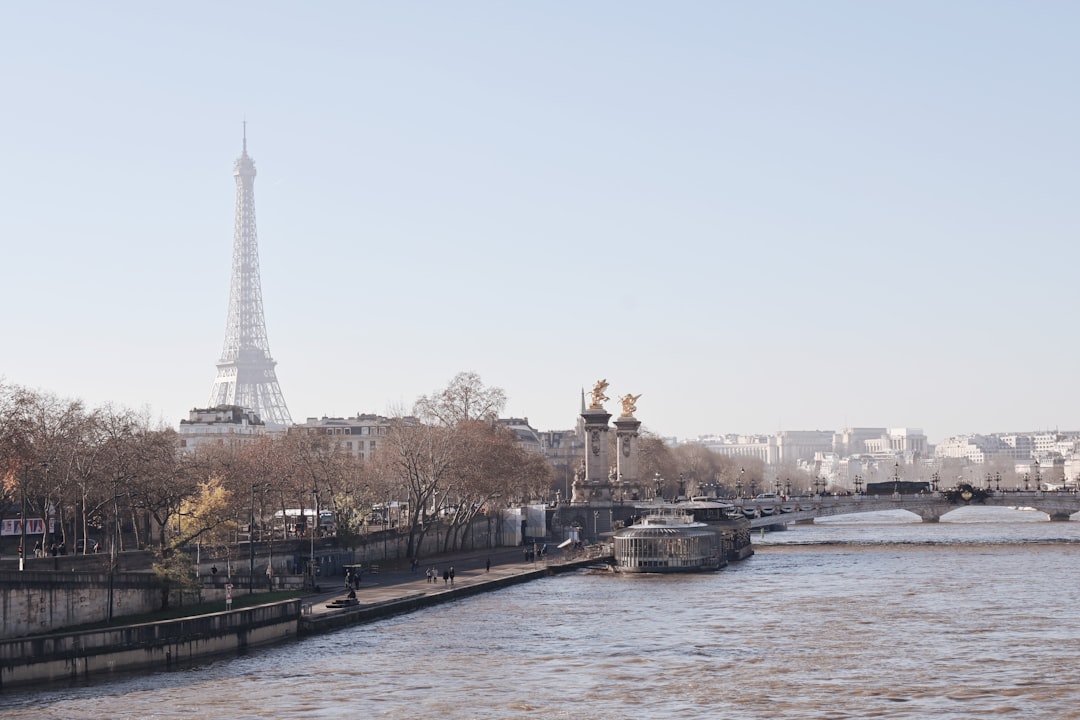
- Walk the Seine at Sunset: The riverbanks are a UNESCO World Heritage site and the perfect place for a “flâneur” (stroller) to enjoy the evening air.
- Visit a Boulangerie: Look for the “Grand Prix de la Baguette” winners to find the best bread in the city.
- Explore the Passage Couverts: These 19th-century glass-roofed shopping arcades are hidden gems filled with antique books and boutiques.
- Market Day at Marché d’Aligre: Experience the authentic buzz of a Parisian food market away from the tourist traps.
Culinary Traditions and Modern Dining
The French culinary landscape is as much about etiquette as it is about flavor. In Paris, lunch is typically served between 12:00 PM and 2:00 PM, while dinner rarely begins before 7:30 PM. While Michelin-starred restaurants are plentiful, the traditional bistro remains the soul of the city, serving classics like confit de canard and steak frites.
For the most up-to-date recommendations on dining and events, the Official Paris Tourism Website is an invaluable resource. You can also find deep dives into historical contexts through National Geographic’s Paris guide or browse peer reviews on Tripadvisor.
Practical Logistics: Planning Your Arrival
The best time to visit Paris is during the shoulder seasons—late spring (April to June) or early autumn (September to October). During these months, the weather is mild, and the city’s gardens are either in full bloom or transitioning into vibrant fall colors. Winters can be grey and damp, though the holiday lights provide a festive atmosphere.
Transportation Tips:
- The Metro: The most efficient way to travel; download the “Bonjour RATP” app for real-time routing.
- Walking: Paris is surprisingly compact; many of the best discoveries are made on foot.
- Navigo Easy: Purchase a rechargeable card to save money on individual ticket prices.
- Safety: While generally safe, be vigilant against pickpockets in high-traffic tourist zones.
Paris is a city that rewards those who take their time. Rather than rushing to check off every museum on a list, allow yourself the luxury of a long afternoon in a park or a slow walk through an unfamiliar neighborhood. This Ultimate Paris France Travel Guide: Capturing the City of Light is just the beginning of your journey into a city that has inspired artists and travelers for centuries.
Whether you are admiring the ironwork of the Eiffel Tower or sharing a quiet moment in a courtyard, Paris remains a place of endless discovery. The city does not just offer sights; it offers a feeling of timelessness and a reminder to appreciate the beauty in the everyday.
FAQ
What is the best way to get around Paris?
The Paris Metro is the most efficient and cost-effective method for navigating the city. With 16 lines and over 300 stations, it connects almost every corner of the capital. For shorter distances, walking is highly recommended to experience the local architecture and atmosphere.
Is Paris expensive for tourists?
While Paris can be costly, it is possible to visit on a budget. Many of the city’s best experiences—such as walking along the Seine, exploring public parks, and visiting certain churches—are free. Opting for a “formule” (set menu) at lunch can also significantly reduce dining costs.
Do I need to speak French to visit?
While you do not need to be fluent, learning basic French phrases like “Bonjour” (Hello), “Merci” (Thank you), and “S’il vous plaît” (Please) is considered essential etiquette. Most Parisians in the service industry speak English, but starting a conversation in French is a sign of respect that is greatly appreciated.
How many days are enough for a first trip to Paris?
For a first-time visitor, four to five days is usually enough to see the major highlights without feeling overly rushed. This allows for dedicated days at the Louvre and Eiffel Tower, with extra time to explore neighborhoods like Montmartre and the Marais.