Planning a trip to the Southwestern United States often leads to a common dilemma: how do you capture the soul of a state so vast? Without a comprehensive new mexico travel guide, many travelers find themselves stuck in tourist traps or missing the ephemeral light that defines the high desert. You might spend hours driving through monotonous scrubland, unaware that a world-class wildlife refuge or an ancient UNESCO World Heritage site is just over the next ridge.
The “Land of Enchantment” is a place where the air is thinner, the colors are more vivid, and the history is measured in millennia rather than centuries. This guide bridges the gap between a standard itinerary and a deep, immersive experience. We provide the structural roadmap you need to navigate the high-altitude deserts and pine-clad peaks with the precision of a local.
The Cultural Heart of the North: Santa Fe and Taos
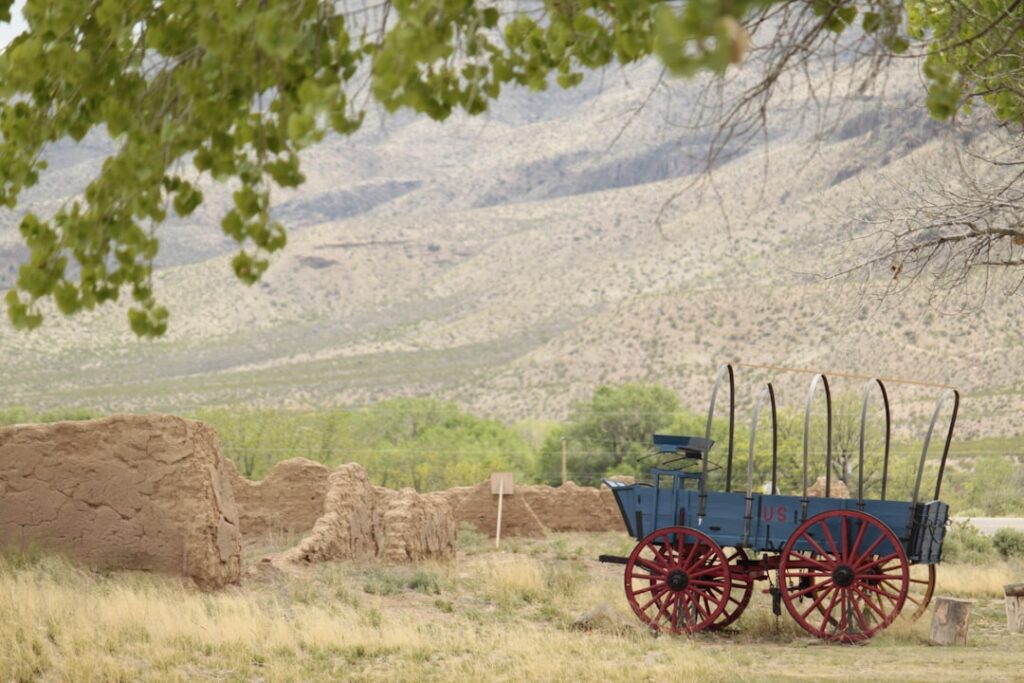
Northern New Mexico is characterized by its high-altitude light and deep-rooted Puebloan culture. Santa Fe, the state capital, sits at 7,000 feet and offers a unique blend of Spanish Colonial and Native American influences. Its narrow streets and earth-toned buildings create a visual harmony rarely seen in American cities.
The Santa Fe Plaza serves as the geographical and cultural anchor of the city. Here, you can find local artisans selling handmade silver jewelry under the portal of the Palace of the Governors. It is a place where history is not just displayed in museums but lived daily on the street corners.
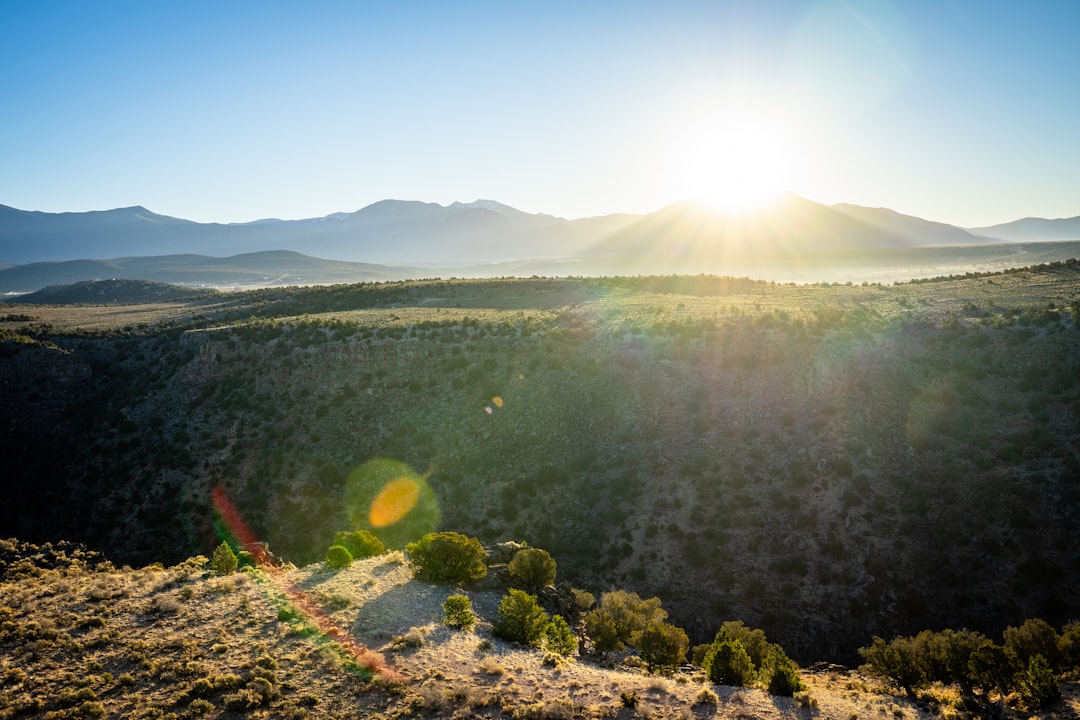
Just a short drive north lies Taos, a town that feels even more rugged and artistically inclined. Taos is famous for its namesake Pueblo, but it is also a gateway to the Sangre de Cristo Mountains. Travelers here often find themselves caught between the sophisticated art galleries and the raw, untamed wilderness of the Rio Grande Gorge.
If you are looking to expand your Southwestern portfolio beyond New Mexico, consider pairing this trip with an Arizona desert photography excursion. The two states share a geological heritage but offer distinct visual palettes for the dedicated traveler.
Wildlife and Natural Wonders of the Middle Rio Grande
Central New Mexico offers a dramatic shift in landscape, moving from the mountainous north into the fertile valley of the Rio Grande. This corridor is essential for migratory birds and serves as one of the premier wildlife viewing destinations in North America. For photographers, this is the crown jewel of the state.
The Bosque del Apache National Wildlife Refuge is the highlight of this region. Every winter, tens of thousands of Sandhill Cranes and Snow Geese descend upon the flooded fields. The “blast-off” at sunrise, where thousands of birds take flight simultaneously, is a sensory experience that defines New Mexico wildlife.
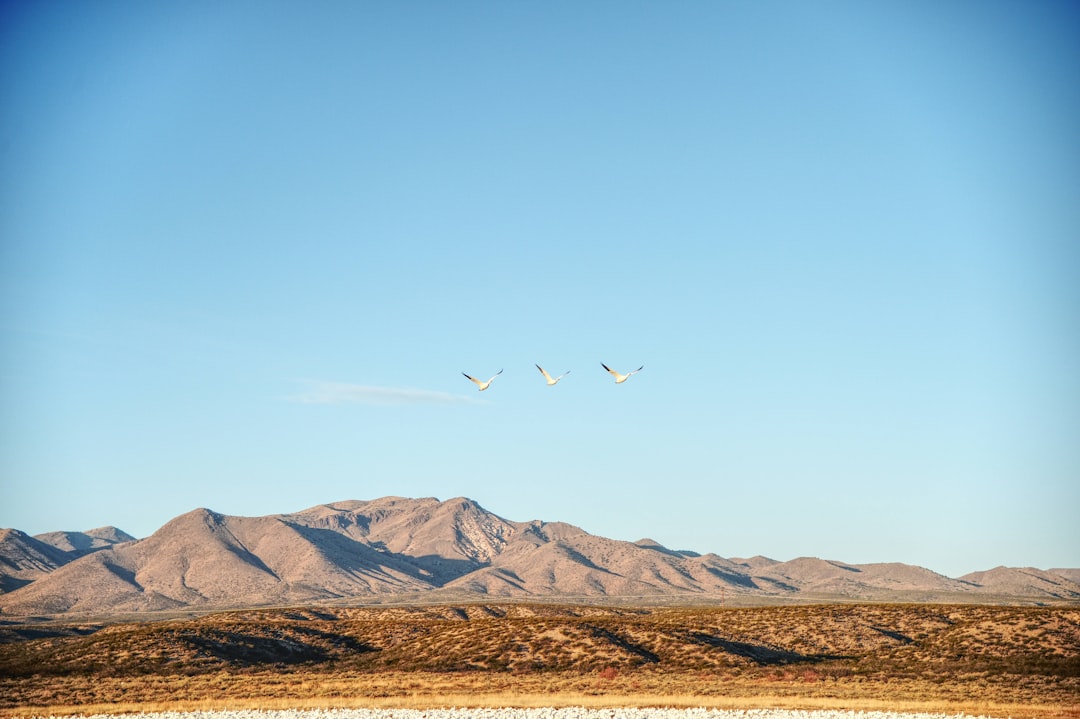
For those heading to the Rio Grande Valley, our bird photography for beginners guide covers everything you need for the crane migration. Success at Bosque del Apache requires patience and an understanding of light, as the birds often move in predictable patterns according to the sun.
Top Wildlife Viewing Spots in Central New Mexico:
- Bosque del Apache NWR: Famous for Sandhill Cranes and Snow Geese from November to February.
- Sandia Crest: A high-altitude spot near Albuquerque perfect for spotting Rosy-finches.
- Valle de Oro NWR: An urban refuge in Albuquerque showcasing Rio Grande restoration.
- Rio Grande Nature Center State Park: Excellent for waterfowl and songbirds within city limits.
The Deep South: White Sands and Carlsbad Caverns
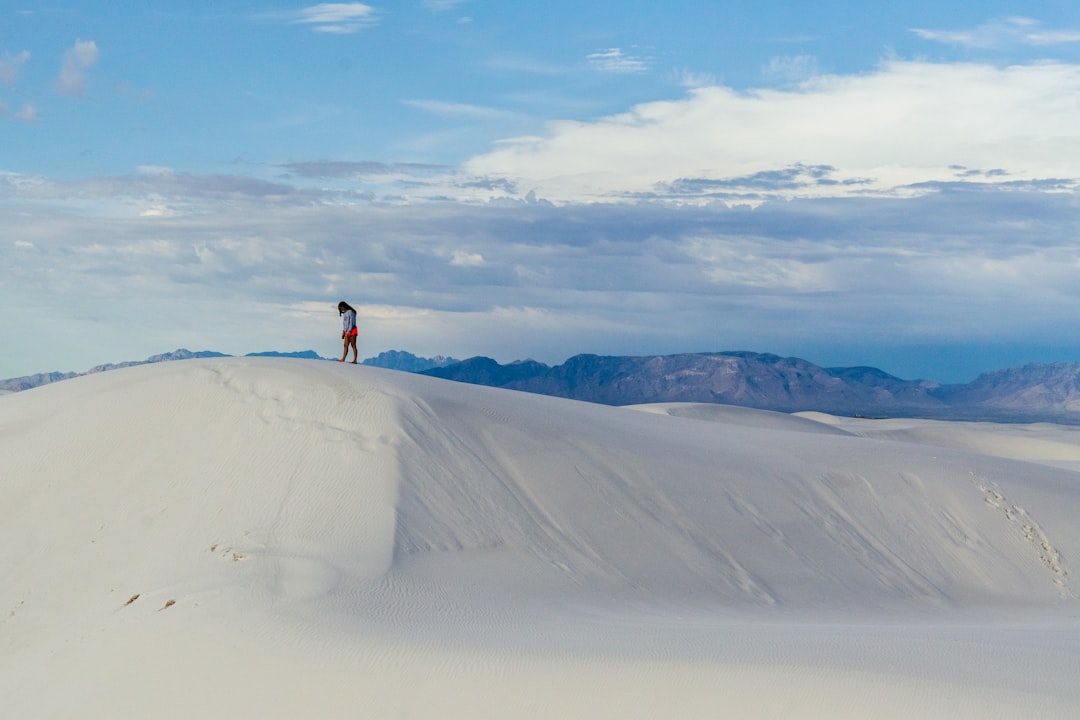
The southern portion of the state feels like another planet entirely. Here, the landscape is dominated by the Tularosa Basin and the rugged Guadalupe Mountains. It is home to some of the most iconic geological formations in the world, including the largest gypsum dune field on Earth.
White Sands National Park is a surreal expanse of brilliant white sand. Walking through the dunes at “blue hour”—just after the sun dips below the horizon—reveals soft purples and pinks that reflect off the white crystals. It is a minimalist’s dream and a masterclass in composition for any traveler.
Further east, the terrain hides a subterranean secret. Carlsbad Caverns National Park contains more than 119 caves, formed by sulfuric acid dissolving the surrounding limestone. The “Big Room” is one of the largest cave chambers in the world and offers a cool, dark escape from the intense desert heat above.
Visit the official New Mexico Tourism Board for updated local event calendars and seasonal park hours. Planning your route between these southern landmarks requires careful timing, as distances are vast and services can be sparse in the Chihuahuan Desert.
Experiencing the Living History of the Pueblo People
New Mexico’s identity is inextricably linked to the 19 Pueblos that have called this land home for centuries. Unlike many historical sites in the U.S., these are living communities where ancient traditions are maintained alongside modern life. Respectful visitation is the cornerstone of any new mexico travel guide.
Taos Pueblo is perhaps the most famous, known for its multi-storied adobe buildings that have been inhabited for over 1,000 years. The architecture is designed to blend with the surrounding mountains, using local clay, straw, and water. It stands as a testament to the endurance and ingenuity of the Puebloan people.
When visiting these sovereign nations, it is vital to follow local regulations regarding photography and entry. Many Pueblos close for private religious ceremonies throughout the year. Always check the official tribal websites or call ahead to ensure the community is open to the public.
Travelers coming from the east may want to combine their visit with a Texas Hill Country road trip for a complete southern experience. The transition from the green rolling hills of Texas to the high-desert plateaus of New Mexico offers a fascinating look at the American West’s diversity.
Culinary Traditions: The Red or Green Question
No guide to New Mexico is complete without discussing the food. The state’s cuisine is distinct from “Tex-Mex” or Mexican food, centered heavily on the New Mexico Chile. Whether it is the earthy, dried pods of red chile or the bright, pungent heat of roasted green chile, it is the soul of every meal.
In every restaurant, you will be asked the state question: “Red or green?” If you cannot decide, the answer is “Christmas,” which provides a serving of both. This culinary tradition is a point of immense pride and is legally protected as a state trademark.
Must-Try New Mexican Dishes:
- Enchiladas Montadas: Stacked (not rolled) blue corn enchiladas topped with a fried egg.
- Green Chile Cheeseburger: A local staple found at nearly every diner and roadside stand.
- Sopaipillas: Fried dough served with honey to cool the palate after a spicy meal.
- Carne Adovada: Pork slow-cooked in a rich, spicy red chile sauce until it falls apart.
For a deeper dive into Southwestern travel logistics, check the National Park Service website for current weather alerts. The high desert environment means that temperatures can swing 40 degrees in a single day, making layers essential for any food tour or hike.
Essential Photography Tips for the Land of Enchantment
Capturing New Mexico through a lens requires a different approach than other destinations. The atmosphere is incredibly dry, which leads to exceptional clarity and sharp shadows. However, the intensity of the sun can wash out colors during midday, making the “Golden Hours” even more critical.
Polarizing filters are indispensable here. They help manage the deep blue of the high-altitude sky and reduce glare on the reflective gypsum of White Sands. Additionally, a sturdy tripod is necessary for capturing the Milky Way, as New Mexico boasts some of the darkest skies in the lower 48 states.
If you are serious about your equipment, explore more luxury stay and gear options via Travel + Leisure. Proper preparation ensures that you spend your time composing shots rather than struggling with the harsh environmental conditions of the Southwest.
Practical Logistics: Getting Around and Staying Safe
New Mexico is the fifth-largest state in the U.S., but it has a relatively small population. This means that driving distances between major attractions like Albuquerque and Carlsbad can take several hours. A reliable vehicle is a necessity, and keeping your gas tank full is a non-negotiable rule of the road.
Elevation is another factor many travelers overlook. Much of the state sits above 5,000 feet, with Santa Fe and the northern mountains reaching much higher. Altitude sickness is common; the best remedy is to stay hydrated and avoid overexertion during your first 24 hours in the state.
Packing List Essentials:
- High-SPF Sunscreen: The sun is much stronger at high altitudes.
- Reusable Water Bottle: Dehydration happens quickly in the low humidity.
- Wide-Brimmed Hat: Essential for hiking the exposed dunes of White Sands.
- Sturdy Layers: Even in summer, desert nights can be surprisingly chilly.
New Mexico is more than just a destination; it is a sensory shift. It asks you to slow down, to watch the way the shadows stretch across an adobe wall, and to listen to the wind through the sagebrush. Whether you are there for the wildlife, the history, or the heat of the chile, the Land of Enchantment leaves an indelible mark on everyone who visits.
Frequently Asked Questions
When is the best time to visit New Mexico?
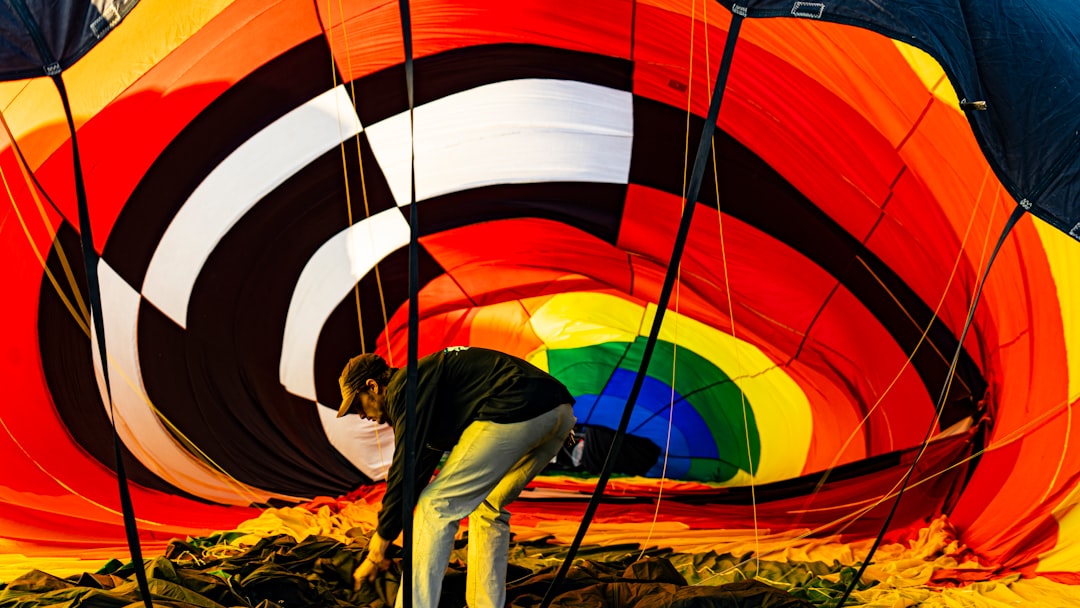
The best time to visit is during the fall (September to October). The weather is mild, the Albuquerque International Balloon Fiesta takes place in October, and the cottonwoods along the Rio Grande turn a brilliant gold. Spring is also beautiful but can be quite windy.
Is New Mexico expensive to visit?
New Mexico is generally more affordable than neighboring states like Colorado or Arizona. While luxury resorts exist in Santa Fe and Taos, there are many budget-friendly options for lodging and dining. Most of the state’s best attractions are natural and managed by the National Park Service or Forest Service, keeping costs low.
Do I need a 4WD vehicle for a New Mexico road trip?
For most major attractions like Santa Fe, Albuquerque, and White Sands, a standard 2WD vehicle is perfectly fine. However, if you plan to explore off-the-beaten-path locations like the Bisti Badlands or remote areas of the Gila National Forest, a high-clearance 4WD vehicle is highly recommended.
How do I handle the high altitude in Santa Fe?
To prevent altitude sickness, drink twice as much water as you usually do and limit alcohol consumption for the first few days. If you feel a headache or dizziness, take it easy and descend to a lower elevation if symptoms persist. Most people acclimatize within 48 hours.