15 Epic Photo Spots on a Texas Hill Country Road Trip
A texas hill country road trip sounds easy: hop in, drive some ranch roads, and stop for bluebonnets. But the Hill Country is vast, seasonal, and wildly varied—granite domes, cypress-lined rivers, limestone canyons, German towns, and vine-laced hills. Miss the timing by a few weeks or follow the wrong route, and you’ll drive past the show without seeing it.
Now imagine peaking bluebonnets gone, mid-day glare over the Pedernales, and winery crowds at golden hour. Aggravating, right? The photos you came for—the ones with big Texas skies and luminous wildflowers—slip away fast if you don’t plan for light, locations, and the right season.
This guide solves that. Below you’ll find the best time to visit, a tight 3-day itinerary, expert wildlife photography tips, and 15 pinpointed photo spots—from Enchanted Rock sunsets to the cypress roots of the Llano River. Bring extra memory cards. You’re going to need them.
When to Go: Seasons, Light, and Wildflowers
Timing is everything here. Spring and fall are prime; summer can be harsh midday but sublime at sunrise and after dusk.
- Spring wildflowers: Late March to mid-April is peak bluebonnet season, with Indian paintbrush and coreopsis through May.
- Wildlife: Deer are active at dawn/dusk year-round; painted bunting activity peaks May–June along brushy edges and river corridors.
- Water flows: Pedernales Falls and the Llano River vary with rainfall. After spring rains, cascades and reflections pop.
- Fall color: Late October to mid-November at Lost Maples (bigtooth maples) and along cypress-lined rivers.
Best light: Golden hour for fields and vineyards, blue hour for river reflections, and astro conditions on moonless nights (the Hill Country has excellent dark skies).
How to Plan Your Scenic Loop
Base yourself in Fredericksburg (wineries, food, central location) or Johnson City (quieter base near Pedernales). A classic 250–300-mile loop connects the region’s granite, rivers, and ranch roads.
- Day 1: Austin or San Antonio → Johnson City → Pedernales Falls → Fredericksburg.
- Day 2: Enchanted Rock → Llano → Willow City Loop → Fredericksburg wineries.
- Day 3: Kerrville → Hunt/Ingram → Lost Maples or South Llano River State Park → Wimberley/Blanco → return.
Road tips:
- The Willow City Loop is narrow: pull fully off the road, never crush wildflowers, and obey private property signs.
- Carry paper maps; cell service fades on ranch roads.
- Start drives before sunrise to scout compositions and beat crowds.
15 Epic Photo Spots (With Exact Shot Ideas)
Use this list as your location checklist. Sunrise/sunset notes help you stack your day for light.
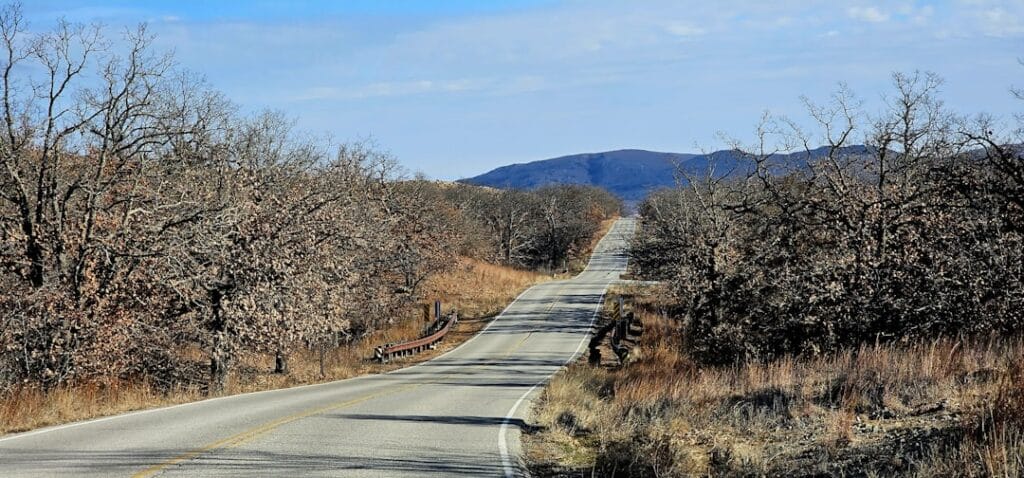
- Willow City Loop (FM 1323 and CR 1323)
- Why: Quintessential rolling ranchland, fence-line wildflowers, and open skies.
- Best light: Sunrise for backlit bluebonnets; evening for long shadows.
- Shot idea: Telephoto compression of dips and ridgelines; low angles for blooms.
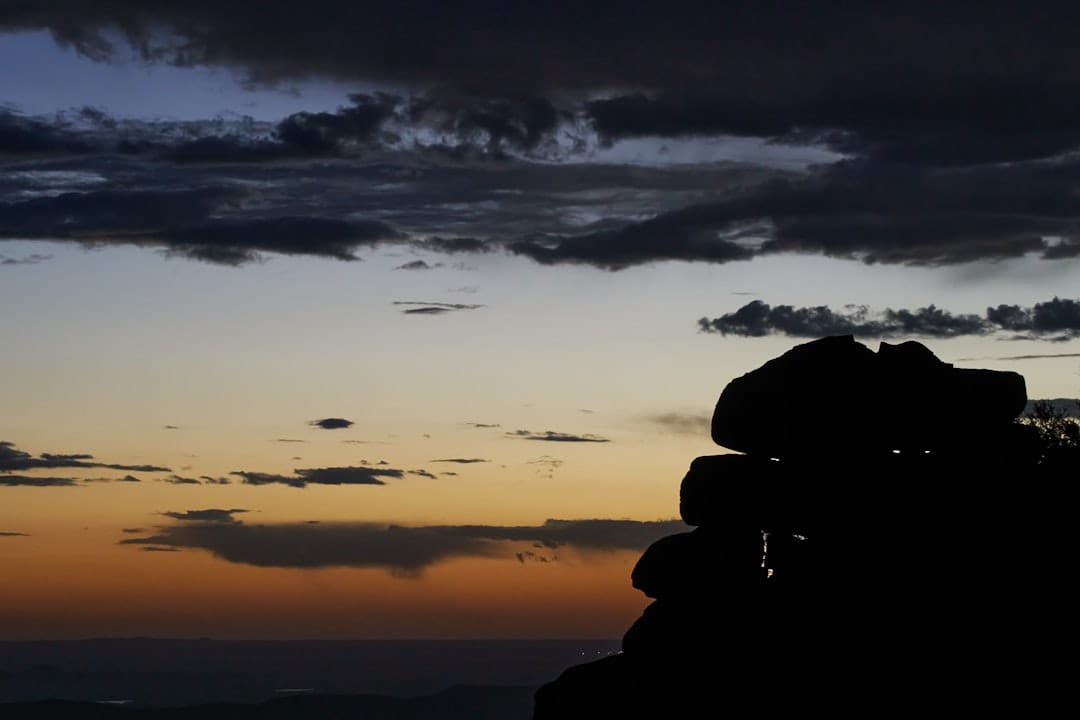
- Enchanted Rock State Natural Area
- Why: The pink granite dome glows at golden hour, with 360-degree views.
- Best light: Sunset from Summit Trail; blue hour for silhouettes.
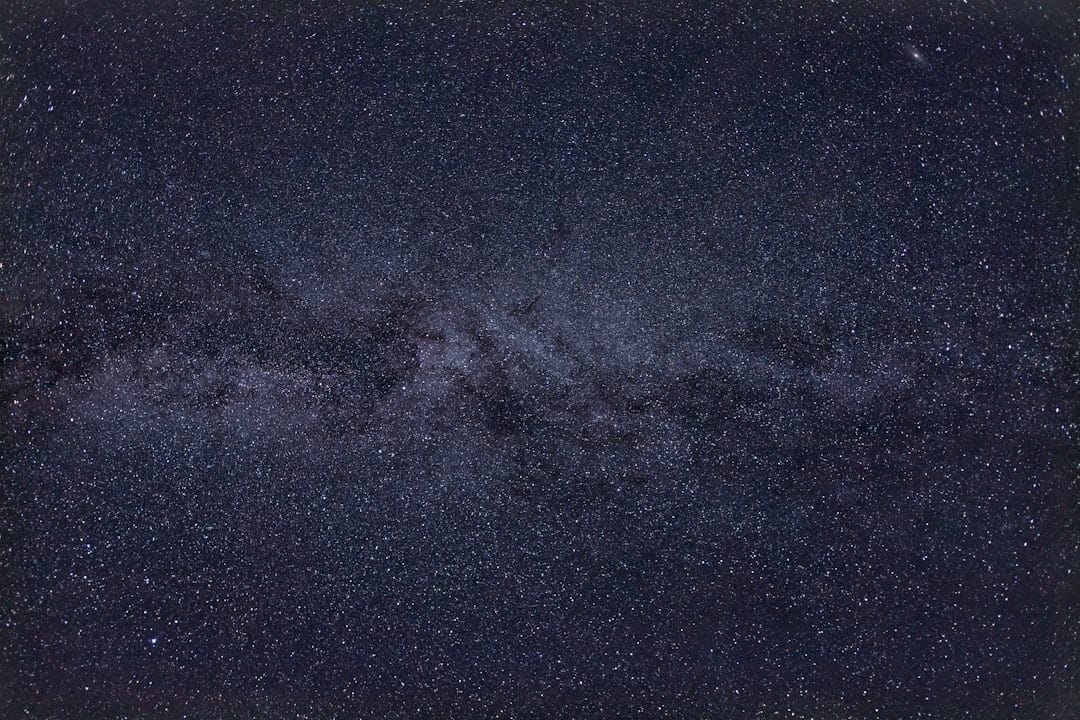
- Shot idea: Place hikers small-in-frame to scale the dome. For night, track the Milky Way arch over the granite.
- Pedernales Falls State Park
- Why: Terraced limestone, teal pools, and sculpted channels.
- Best light: Early morning for soft contrast; still water for reflections.
- Shot idea: Long exposures at 1/4–1 sec for silky eddies; polarizer to cut glare.
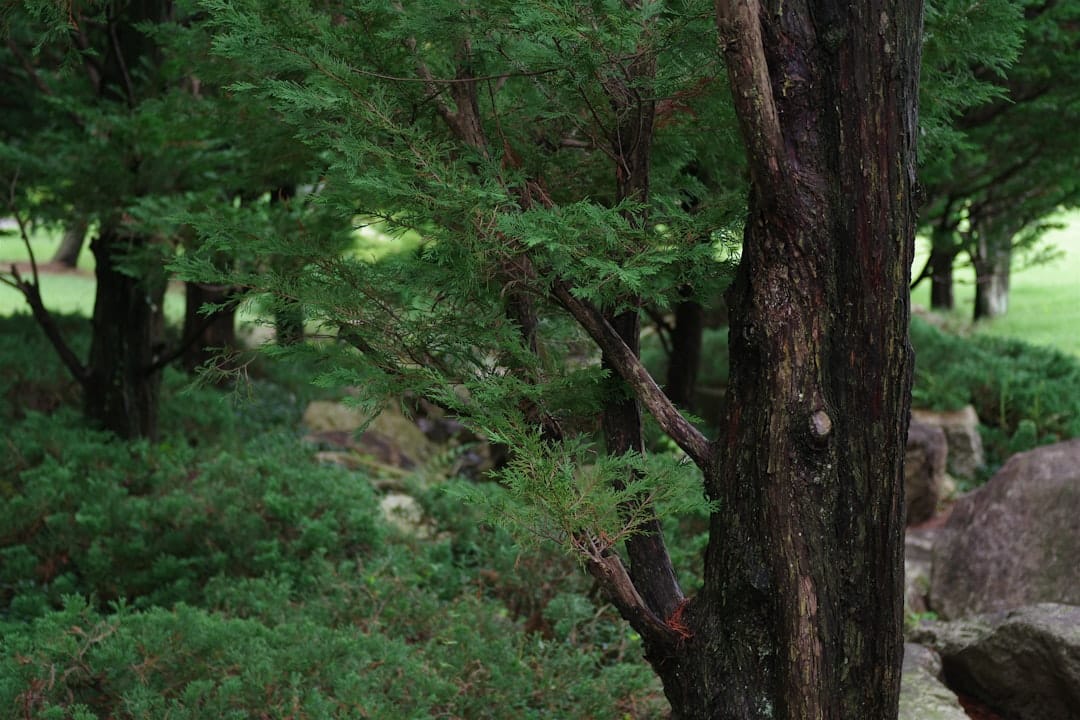
- Llano River Cypress Groves (Llano, Castell, Kingsland)
- Why: Towering cypress, clear runs, and frequent wildlife.
- Best light: Morning along east-facing banks.
- Shot idea: Use reflections and cypress root buttresses as leading lines.
- Fredericksburg Wineries (US-290 Wine Trail)
- Why: Vineyard rows, oak-framed tasting rooms, and amber twilight.
- Best light: Sunset through vine leaves; post-sunset glow for tasting room exteriors.
- Shot idea: Backlit glasses at f/2–f/2.8; frame tasting patios with rolling hills.
- Travel planning: See the official Visit Fredericksburg site for events and reservations.
- Old Tunnel State Park
- Why: A summer bat emergence (3 million+ Mexican free-tailed bats) from a historic railroad tunnel.
- Best light: Dusk silhouettes.
- Shot idea: Fast shutter 1/1000s to freeze swarms; or slow to 1/15s for motion streaks. Arrive early—parking is limited.
- Balcones Canyonlands National Wildlife Refuge
- Why: Songbirds, juniper-oak canyons, and painted bunting habitat.
- Best light: Early morning for birds; evening for layered canyon shots.
- Shot idea: 400–600mm lenses for shy birds; wait for buntings on exposed perches.
- South Llano River State Park (Junction)
- Why: Bird blinds, riparian forest, and reliable whitetail deer sightings.
- Best light: Morning at blinds; golden-hour river crescents.
- Shot idea: Use blinds for natural perches; pre-focus on feeders.
- Hamilton Pool Preserve (check status)
- Why: Iconic collapsed grotto, fern-draped limestone, emerald water.
- Best light: Mid-to-late morning for glow; crowds thin early.
- Shot idea: 16–24mm to include the overhang; polarizer to manage reflections. Reservations required.
- Blue Hole Regional Park (Wimberley)
- Why: Spring-fed cypress tunnel and turquoise swimming hole.
- Best light: Afternoon shafts of light between cypress trunks.
- Shot idea: Shoot low from the bank with a 35mm; lead the eye along the cypress corridor.
- Lyndon B. Johnson State Park & Historic Site
- Why: Historic ranch scenes, bison and longhorn pastures, seasonal wildflowers.
- Best light: Sunrise for low-angle fog across fields.
- Shot idea: Longhorns against dawn haze with a 70–200mm.
- Garner State Park (Frio River)
- Why: Clear river swings, cypress reflections, and limestone bluffs—classic Hill Country south.
- Best light: Sunset on the bluffs; blue hour mirror water.
- Shot idea: Introduce human scale with swimmers or kayaks for summer storytelling.
- Lost Maples State Natural Area
- Why: Rare Texas fall color from bigtooth maples; canyons with limestone walls.
- Best light: Backlit late-afternoon glow through maple leaves.
- Shot idea: 50mm for minimal distortion canopy shots; circular polarizer to enrich reds.
- Devil’s Backbone Scenic Drive (Ranch Road 32)
- Why: A high limestone ridge with sweeping views and dramatic skies.
- Best light: Sunset silhouettes of ridge-live oaks.
- Shot idea: Storm-light drama; bracket exposures for sky detail.
- Blanco State Park (or Blanco town square)
- Why: Small, easy-access cascades and historic limestone architecture.
- Best light: Morning for falls; evening street scenes on the square.
- Shot idea: Combine slow water (1/5s) with static limestone blocks for contrast.
Wildlife Photography in the Hill Country: Fast Wins
You’ll encounter whitetail deer, Rio Grande turkeys, foxes, armadillos, and a parade of songbirds. Painted buntings are the star—look for brushy edges May–June.
Quick, field-tested tips:
- Use edges: Birds ride fence lines and yucca tops after sunrise. Pre-focus and wait.
- Go silent: Electronic shutter spooks wildlife less during close encounters.
- Backlit blooms: Shoot bluebonnets low and backlit for luminous petals.
- Stabilize: In wind, use faster shutter speeds (1/500–1/1000s) even on landscapes.
- Polarizer: Essential for cutting water glare at Pedernales and the Llano.
- Ethical distance: For deer and birds, give space; prioritize behavior over proximity.
Further reading and inspiration:
- Texas park blinds and etiquette are similar to many wildlife centers; review these Fossil Rim Wildlife Center photo tips for field craft and gear ideas.
- Broaden technique with this comprehensive Ontario wildlife photography guide.
- For bigger-picture fieldcraft and storytelling, see Wildlife safari Africa: The ultimate adventure for nature lovers.
For expert technique on behavior, light, and lens choices, bookmark National Geographic’s wildlife photography tips.
The Enchanted Rock Golden-Hour Playbook
Enchanted Rock is a granite monolith with wind-sculpted vernal pools and big-sky horizons. It’s also the place where average photos turn epic with timing and composition.
- Arrive 90 minutes before sunset; the Summit Trail takes 20–40 minutes.
- Scout foregrounds (cactus clumps, vernal pools, lichen patches) for scale and texture.
- Stay through blue hour—after the sun drops, the granite radiates color and the crowds thin.
- Night shooting: On moonless nights, track the Milky Way or star trails over the dome.
For closures, reservations (often required on weekends/holidays), and safety updates, check Texas Parks & Wildlife – Enchanted Rock SNA before you go.
Sip and Shoot: Fredericksburg Wineries
Photography-friendly vineyards are clustered along US-290. Many tasting rooms sit on hilltops or beside live oaks, perfect for late light.
- Midweek tastings are quieter—ask staff about vineyard access and best sunset spots.
- Isolate details: backlit grape leaves, hands pouring, stemware silhouettes.
- Storyboard: arrival wide shot → detail macro → portrait of friends → twilight exterior.
For events, shuttle services, and maps, consult Visit Fredericksburg.
3-Day Texas Hill Country Road Trip Itinerary
This itinerary balances wildflowers, granite, rivers, and vineyards with sunrise/sunset timing and minimal backtracking.
Day 1: Johnson City → Pedernales Falls → Fredericksburg
- Sunrise: Johnson City fields or LBJ State Park for deer and longhorns.
- Mid-morning: Pedernales Falls State Park; work terraces with a polarizer.
- Lunch: Fredericksburg German fare (save winery tastings for late afternoon).
- Golden hour: Old Tunnel State Park overlook or a quiet ranch road pullout.
- Blue hour: Fredericksburg Main Street facades; tripod for clean lines.
Day 2: Enchanted Rock → Llano → Willow City Loop → Wineries
- Sunrise: Summit of Enchanted Rock; silhouettes and warm granite.
- Late morning: Llano River park; aim for cypress reflections and wading birds.
- Afternoon: Siesta or gallery stroll in Fredericksburg.
- Golden hour: Drive the Willow City Loop; practice telephoto compression.
- Sunset to blue hour: US-290 wineries; vineyard backlight and tasting room exteriors.
Day 3: Kerrville → Hunt → Lost Maples or South Llano → Wimberley
- Sunrise: River bends near Hunt/Kerrville for misty light.
- Midday: Lost Maples (fall) or South Llano River SP (bird blinds, year-round).
- Late afternoon: Blue Hole, Wimberley; cypress corridor symmetry.
- Evening: Devil’s Backbone for big-sky sunset; return via Blanco.
Gear and Settings Cheat Sheet
- Lenses: 16–35mm (landscapes), 24–70mm (general), 70–200mm (compression, wildlife), 400mm+ (birds).
- Filters: Circular polarizer; 3-stop ND for water smoothing; headlamp with red mode for astro.
- Settings:
- Landscapes: f/8–f/11, base ISO, manual focus on hyperfocal.
- Wildlife: Auto-ISO capped at 3200, 1/1000s for birds, 9–15 AF points.
- Astro: 14–24mm at f/1.8–2.8, 10–20s, ISO 3200–6400 (check star trailing rules).
- Apps: Clear Outside (cloud cover), PhotoPills (sun/MW alignment), Windy (gusts for wildflowers).
Practical Notes: Access, Safety, and Etiquette
- Reservations: Enchanted Rock weekends/holidays and Hamilton Pool (always) may require reservations.
- Private land: Much of the Hill Country is private. Photograph flowers from right-of-way; do not enter fields or block gates.
- River safety: Flash-flood risk after storms; check local conditions.
- Heat: Summer UV is brutal. Plan sunrise/late light and siestas midday.
- Packing:
- Wide-brim hat, SPF 50, 2–3L water/day
- Sturdy shoes (granite can be slick)
- Polarizer, microfiber cloths, rocket blower for dust
- Trash bags and a small mat for kneeling in fields
Responsible Wildflower Photography
- Never trample blooms or create social trails—one footprint invites many.
- Keep pets and kids on durable surfaces.
- Leave No Trace: pack out everything; watch for ground-nesting birds in spring.
- Wildlife first: If an animal changes behavior, you’re too close.
Bonus: Painted Bunting Micro-Missions
- Timeframe: Mid-May through June at brushy creek margins, refuge edges, and park perimeters.
- Strategy: Arrive 30 minutes before sunrise, stake out perches near seed sources.
- Settings: 1/2000s, wide-open aperture, Auto-ISO; back-button focus.
- Sound: Avoid playback—wait quietly and let behavior unfold.
Park Quick-Checks You’ll Use
- Enchanted Rock status, reservations, and closures: Texas Parks & Wildlife – Enchanted Rock
- Winery bookings and shuttle options: Visit Fredericksburg
- Wildlife technique and ethics: National Geographic wildlife photo tips
The Hill Country rewards planners and early risers. Time your visit for spring wildflowers or fall color, chase the edges of day, and let rivers, granite, and vineyards guide your frames. If this helped map your route, share it with a fellow road-tripper—and tag your favorite spot so others can experience these bluebonnet sunrises and Milky Way nights, too.
FAQs
When is the best time to visit the Texas Hill Country for photos?
Late March to mid-April for bluebonnets and spring wildflowers; May–June for painted buntings; late October to mid-November for Lost Maples fall color. Winter is mild with clear skies for night photography.
Where can I reliably see wildlife on this route?
South Llano River State Park’s bird blinds, Balcones Canyonlands NWR edges for songbirds, and dawn/dusk along the Llano River for whitetail deer and herons. Always keep respectful distance.
Do I need reservations for popular spots?
Often. Enchanted Rock may require reservations on weekends/holidays, and Hamilton Pool requires advance reservations year-round. Check park websites before you go.
What lenses should I pack for a Hill Country road trip?
A wide zoom (16–35mm) for landscapes, a mid-zoom (24–70mm) for general scenes, a telephoto (70–200mm) for compression and wildlife, and a 400mm+ if you plan to focus on birds. A circular polarizer is essential for rivers and bluebonnet fields.