You want wild Texas without flying to Africa? Fossil Rim Wildlife Center in Glen Rose delivers a self-drive safari, photogenic animals up-close, and golden-hour scenes that look straight out of the Serengeti—yet many visitors leave with flat photos or missed moments. The problem: harsh midday light, skittish animals, and the chaos of shooting from a car. Agitate: you drove 90 minutes from DFW, bought pellets, and still your giraffe shot is backlit and blurry. Solve: with the right route timing, camera settings, and fieldcraft, you’ll come home with magazine-quality images and a family experience you’ll want to repeat.
Why Fossil Rim belongs on your Texas road trip
Fossil Rim is a 1,800-acre conservation-focused, drive-thru safari about 75 minutes from Dallas–Fort Worth. Expect rolling Texas hills, open savanna, and 1,100+ animals from 50+ species including giraffes, rhinos, cheetahs, zebras, addax, scimitar-horned oryx, and ostriches. It’s one of the most photogenic wildlife experiences in the state and an easy add-on to Dinosaur Valley State Park in Glen Rose.
Quick facts:
- Location: 2299 County Road 2008, Glen Rose, TX
- Drive: ~1.5 hours from Dallas or Fort Worth
- Safari length: 2–3.5 hours (depends on traffic, animal stops, and pellet feeding)
- Best light: First 2 hours after opening and the last 2 hours before closing
For hours, route maps, and current conditions, check the Fossil Rim official site.
Planning your self-drive safari
A little prep pays off with better images and smoother animal encounters.
- Tickets: Reserve timed-entry Fossil Rim tickets in advance, especially weekends and holidays.
- Vehicle: Cars, SUVs, and trucks are allowed. No convertibles with the top down, motorcycles, or pets outside the vehicle.
- Pellets: Buy a bag at the gate (card accepted). Pellets help with close-ups, but use sparingly for natural behavior.
- Route: You’ll drive a one-way loop with overlooks and pull-outs. The Overlook (midpoint) has restrooms, café, and views.
- Time: Plan 3 hours with kids or photos; 2 hours for a quick lap.
- Combine: Pair with Dinosaur Valley State Park for a full “American Adventures” weekend.
Best time to visit Fossil Rim (for photographers)
- Golden hours: Arrive at opening or plan a late-afternoon slot for warm, low-contrast light.
- Weather: Bright overcast is great for portraits; avoid the harsh midday sun if photos matter most.
- Seasons: Spring and fall offer mild temps and active animals. Summer heat pushes animals to shade midday; winter has crisp air and fewer crowds.
- Weekdays: Less traffic = better angles, easier stops, and calmer animals.
What you’ll see and where to look
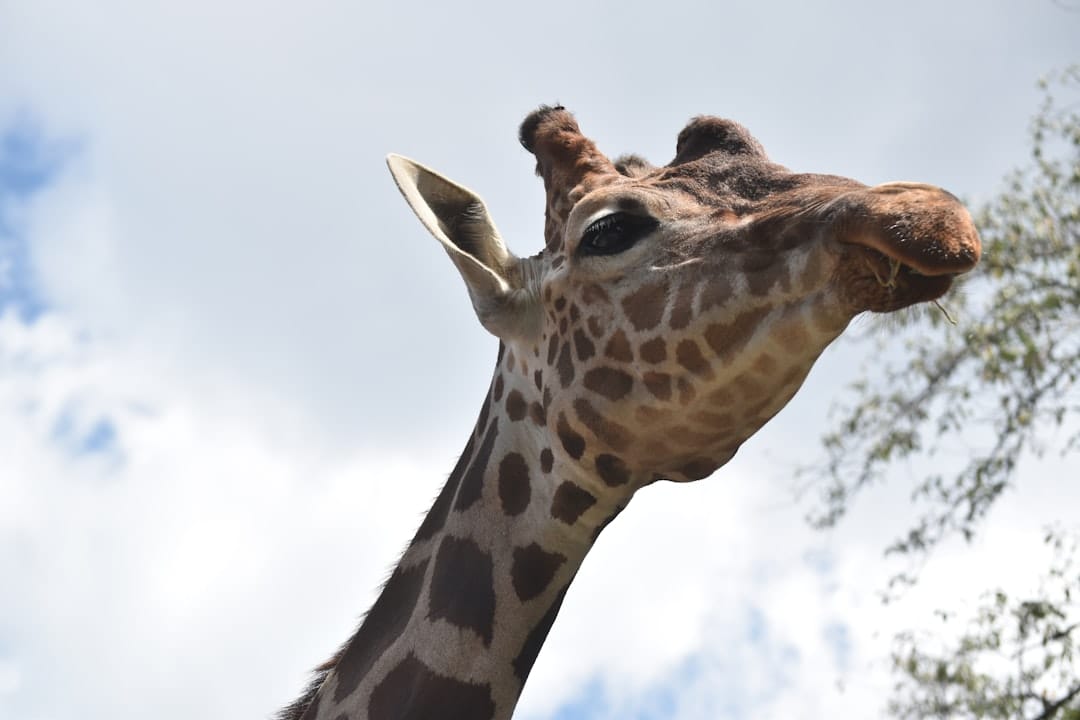
- Giraffes: Often near the feeding platforms and along open grasslands; incredible eye-level portraits from the car.
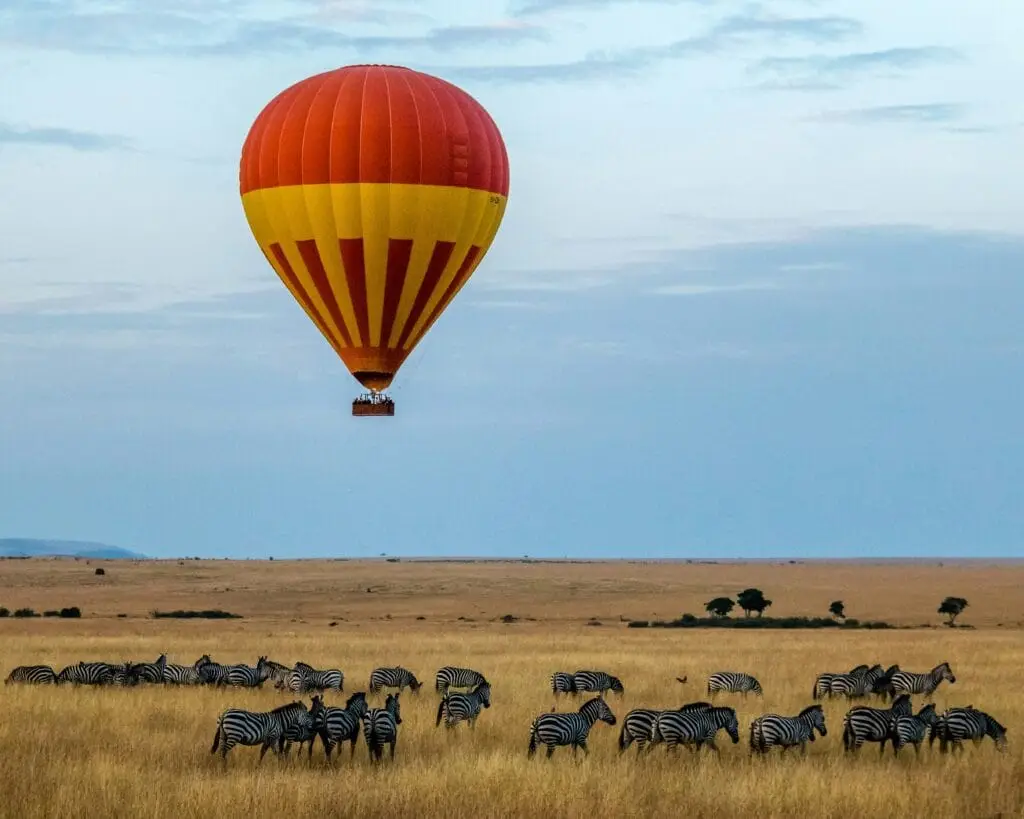
- Zebras and wildebeest: Roaming the rolling hills—look for dust trails and backlit manes.
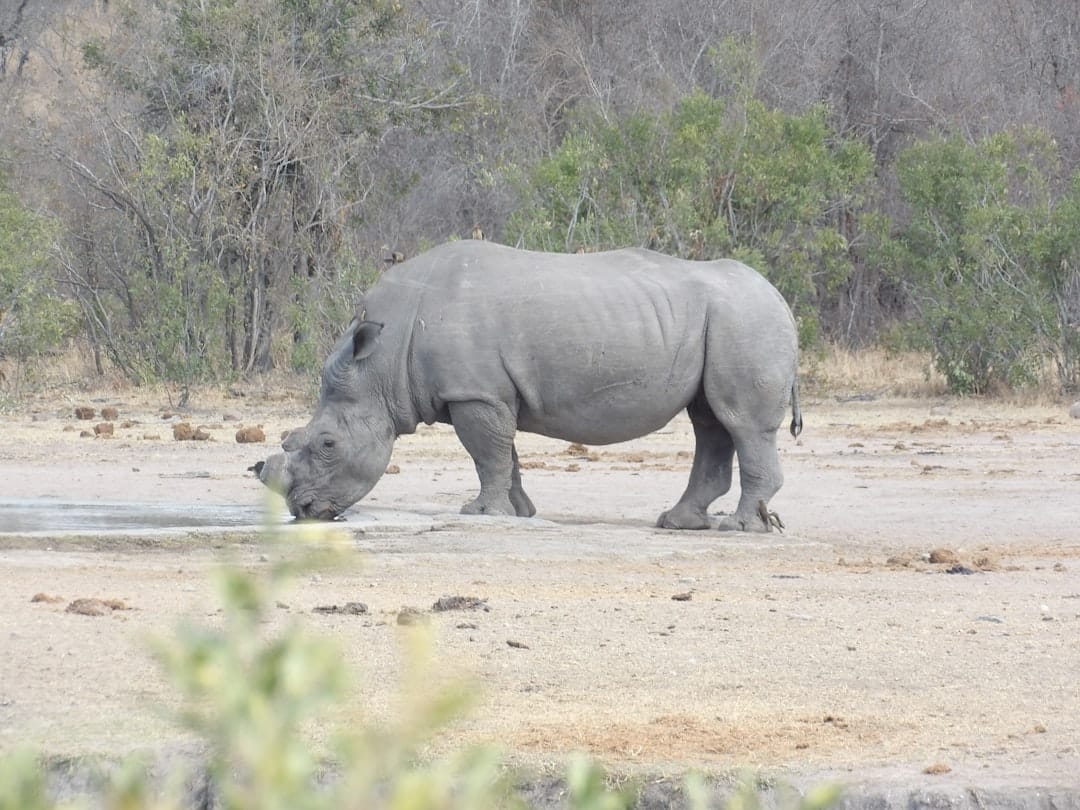
- White rhinos: Wide-open sections of the scenic drive; cross the road near dusk.
- Cheetahs: In protected habitats—observe from designated vantage points (no feeding).
- Oryx, addax, aoudad, emu, ostrich: Spread across the route; watch water sources in warm hours.
17 epic photo tips for Fossil Rim Wildlife Center
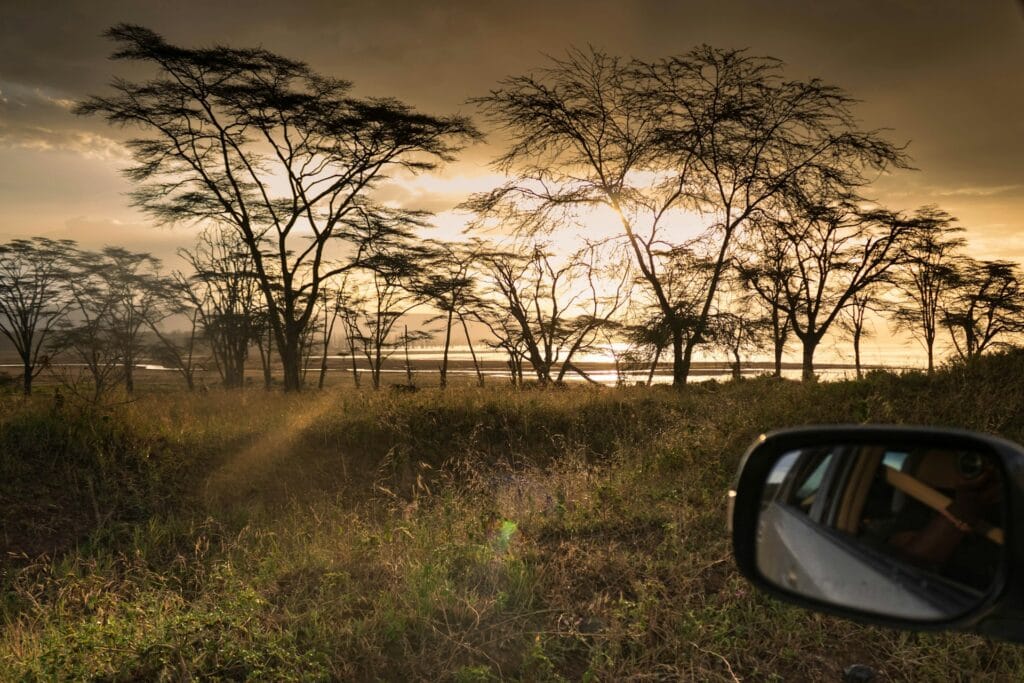
- Beat the light: Enter at opening or 90 minutes before sunset. Low sun = soft shadows, catchlights, and rim-lit fur.
- Drive, don’t rush: Let cars pass so you can wait for clean backgrounds, better angles, and natural behavior.
- Shoot eye-level: Lower your window and your lens to the animal’s eye line for intimate portraits—avoid top-down angles.
- Background control: Move a few feet to align animals with distant hills or open sky. Avoid clutter like parked cars and signs.
- Use long glass: 200–400mm is ideal; 100–500mm covers birds and distant grazers. If using a 70–200mm, plan to crop.
- Fast enough shutter: Start at 1/1000s for movement (zebra trot, ostrich stride). Bump to 1/2000–1/3200s for running shots.
- Auto-ISO + minimum shutter: Set min 1/1000s with Auto-ISO and aperture wide open (f/4–f/5.6) to react quickly from the car.
- Focus on the nearest eye: Use continuous autofocus (AF-C/AI-Servo) with a flexible zone for erratic movement.
- Polarizer wisely: A CPL cuts glare on shiny coats after rain, but reduce it in low light to keep shutter speeds up.
- Work the behavior: Wait for ears forward, tongues out (giraffe!), yawns, dust kicks, or herd interactions for storytelling frames.
- Use pellets ethically: Keep hands inside, extend pellets on flat palms, and don’t crowd animals. Take a few frames, then let them move on.
- Compose with the road: Leading lines of the safari road pull the viewer into the scene—works beautifully with zebras and hills.
- Golden dust: Backlight dust trails in late sun for dramatic atmosphere. Expose for highlights; try -0.3 to -0.7 EV to preserve glow.
- Smartphone savvy: Tap-to-focus on the eye, use 2x/3x optical lenses if available, and brace your phone on the window frame to stabilize.
- Clean glass matters: Wipe your windshield interior and exterior; keep a microfiber cloth for windows and lenses.
- Quiet shots: If your camera has electronic shutter or silent mode, use it near sensitive species to reduce stress.
- Tell a sequence: Shoot wide establishing frames, medium behavior shots, and tight portraits—three images make a story.
Route strategy for photographers
- Segment 1 (early light): Cruise slowly through the first open grasslands. Stop for backlit antelope and dew on grass.
- Overlook break (mid-route): Refuel, restroom, check memory/ battery, clean glass, and scan the valley for herds.
- Segment 2 (late light): Position for rhinos and zebras on ridge lines as the sun drops. Leave buffer time for a last stop.
Essential gear checklist
- Camera body with good high-ISO performance
- 100–500mm or 200–600mm zoom; optional 70–200mm
- Extra batteries, dual memory cards, and in-car charger
- Microfiber cloths, blower, and a small dry bag for dust
- Beanbag or window mount to stabilize shots from the car
- Sunglasses hat for glare; neutral clothing to reduce reflections
Settings cheatsheet (copy-paste ready)
- Moving wildlife: 1/2000s, f/5.6, Auto-ISO (cap at ISO 6400), AF-C, wide tracking area
- Portraits: 1/800s, f/4–f/5.6, ISO 200–800, single-point AF on the eye
- Backlit dust: 1/2000s, f/5.6, -0.3 to -0.7 EV, Auto-ISO, aim for highlight retention
- Phone: Tap-eye focus, HDR on, exposure slider down slightly for bright scenes
Family wildlife adventure tips
- Assign roles: One adult drives, another photographs; kids can be “spotters.”
- Window rules: Hands inside; pellets on flat palm. Keep a respectful distance from horns and beaks.
- Breaks: Plan a 15–20 minute pause at the Overlook for food and restrooms.
- Teach ethics: No honking, no yelling, no feeding anything except approved pellets.
Etiquette, safety, and conservation
- Stay in your vehicle unless in designated areas.
- Observe posted speed limits; animals have right of way.
- Do not touch animals. Feeding is via approved pellets only.
- Pack out trash; never toss food or plastic.
- Respect staff instructions—this is a conservation facility first.
Learn more about conservation priorities at Fossil Rim’s Conservation & Research.
Sample half-day itineraries
- Photographer’s AM: Enter at opening → slow roll through first savanna → Overlook coffee + scan → second segment for portraits → exit before harsh light.
- Golden-PM Family: Arrive 2.5 hours before close → scenic drive with pellet stops → sunset at ridge lines → dinner in Glen Rose.
Where to eat and stay
- On-site: The Overlook Café for lunch, snacks, and views.
- Glen Rose: Family-friendly options in town; book weekends early during peak seasons.
- Nearby stays: Cabins, B&Bs, and campgrounds pair well with a two-day photo weekend.
For destination info, see Visit Glen Rose and statewide planning via Travel Texas.
Tickets, hours, and practical details
- Book ahead: Fossil Rim tickets
- Typical hours: Vary by season—confirm before you go.
- Route time: 2–3.5 hours; allow extra for photos or with kids.
- Accessibility: Remain in-vehicle experience is friendly for most mobility needs.
- Review traveler tips: Read recent visitor feedback on Tripadvisor: Fossil Rim Wildlife Center.
Responsible travel photography
- Prioritize animal welfare over the shot.
- Avoid baiting beyond approved pellets; never provoke reactions.
- Share context and conservation messages with your audience.
Continue your American Adventures
Magic hour, dust-lit silhouettes, and eye-level giraffe portraits—Fossil Rim is Texas at its wildest. Time your route, work the light, and use these tips to turn a family wildlife park into a gallery-worthy photo safari. If this guide helped, share it with your road-trip crew and tag your best shots so others can plan their own Glen Rose wildlife adventure.
FAQ
Is Fossil Rim Wildlife Center worth it for photographers?
Yes. The self-drive route, approachable species, and big-sky backdrops are ideal for wildlife photography in Texas. Go at opening or late afternoon for the best light.
How long does the drive-thru safari take?
Most visits run 2–3.5 hours, depending on traffic, pellet stops, and how much you photograph. Add 20–30 minutes for the Overlook break.
Can you feed the animals?
You can feed approved pellets purchased on-site to certain species from your vehicle. Keep hands inside and follow staff guidance.
What camera gear should I bring?
A 100–500mm or 200–600mm zoom, a second body or 70–200mm for closer encounters, extra batteries/cards, and a window support or beanbag. Smartphones can capture great images with good light and steady bracing.