You came to Ontario for moose, owls, and misty lakes—but between the endless forest and 250,000+ lakes, it’s hard to know where to point your lens. That’s the problem with Ontario wildlife photography: sheer scale. You can drive for hours and still miss the action window by 20 minutes or 20 meters. Aggravating, right? Dawn fog lifts, the loon calls fade, and the only thing in your frame is reeds.
Here’s the fix: a proven field guide to the best places for wildlife in Ontario, the right seasons and times, and the tactics that consistently deliver keepers. Whether you’re after moose in Algonquin, snowy owls on the lakeshore, or the migration wave at Point Pelee, the playbook below packages local know‑how into step‑by‑step photo strategy.
Why Ontario is a wildlife photographer’s dream
Ontario is a macro-wild studio: Boreal forest in the north, Canadian Shield lakes in the center, and Great Lakes flyways in the south. This range supports moose, black bear, wolves, red fox, beaver, otter, and 490+ bird species. For bird photography Ontario is world-class—spring warblers, fall raptors, and winter irruptions of snowy owls and finches. The mix of canoe routes, drive-up boardwalks, and dark-sky shorelines makes Ontario uniquely accessible for both beginners and seasoned pros.
The 15 best places for wildlife in Ontario
Use this list to plan shoots by target species, vantage, and access style. These are the best places for wildlife in Ontario with reliable viewing and strong photo compositions.
- Algonquin Provincial Park (Highway 60 corridor)
- Targets: Moose (spring/summer), beaver, wolves (rare), loons, bull moose in rut (late Sept–Oct).
- Tactics: Glass wetlands at dawn, especially in May–June when moose crave roadside sodium. Check Mew Lake, Brewer Lake, Costello Creek.
- Why it’s great: Iconic Algonquin Park wildlife with misty lakes and backlit bogs.
- Killarney Provincial Park
- Targets: Red fox, black bear, moose, loons.
- Tactics: Hike the Cranberry Bog Trail and shoreline at dawn. Autumn maples create color-drenched frames.
- Composition tip: Use white La Cloche quartzite ridges for clean backgrounds.
- Point Pelee National Park
- Targets: Spring warbler fallout, monarchs in fall, herons/egrets in marsh.
- Tactics: Work the Marsh Boardwalk at sunrise and repoint for sunset silhouettes. Peak point pelee bird migration is early–mid May.
- Access: Drive-up, flat boardwalks—ideal for heavy long glass.
- Long Point (and Long Point Provincial Park)
- Targets: Shorebirds, terns, herons, migrating passerines.
- Tactics: Beach low-angle work with a ground pod; respect roped nesting areas.
- Presqu’ile Provincial Park
- Targets: Spring shorebirds, fall waterfowl, owls in winter nearby.
- Tactics: Scout Owen Point and Marsh Boardwalk; check winds for migrant pushes.
- Bruce Peninsula National Park & Fathom Five
- Targets: Songbirds, black bear, fox, amphibians.
- Tactics: Early morning forest edges and quiet backroads; avoid peak summer crowds.
- Lake Superior Provincial Park
- Targets: Moose, black bear, loons, otter, dramatic coastscapes.
- Tactics: Pre-dawn on smaller inland lakes; moose frequent aquatic vegetation.
- Pukaskwa National Park
- Targets: Boreal birds, black bear, woodland caribou off-limits but the habitat is intact.
- Tactics: Remote, low human pressure equals shy behavior—long glass and patience.
- Carden Alvar (near Kirkfield)
- Targets: Upland sandpipers, Eastern bluebirds, snipe, kestrels, loggerhead shrikes (protected).
- Tactics: Car-based blinds along backroads; stay off fragile alvar meadows.
- Amherst Island (Lennox & Addington)
- Targets: Snowy, short-eared, and saw-whet owls (some winters), hawks.
- Tactics: Scan pasture fence lines at golden hour; winter only, variable with prey cycles.
- Etiquette: Stay roadside—no trespassing onto private farms.
- Hilliardton Marsh Research & Education Centre
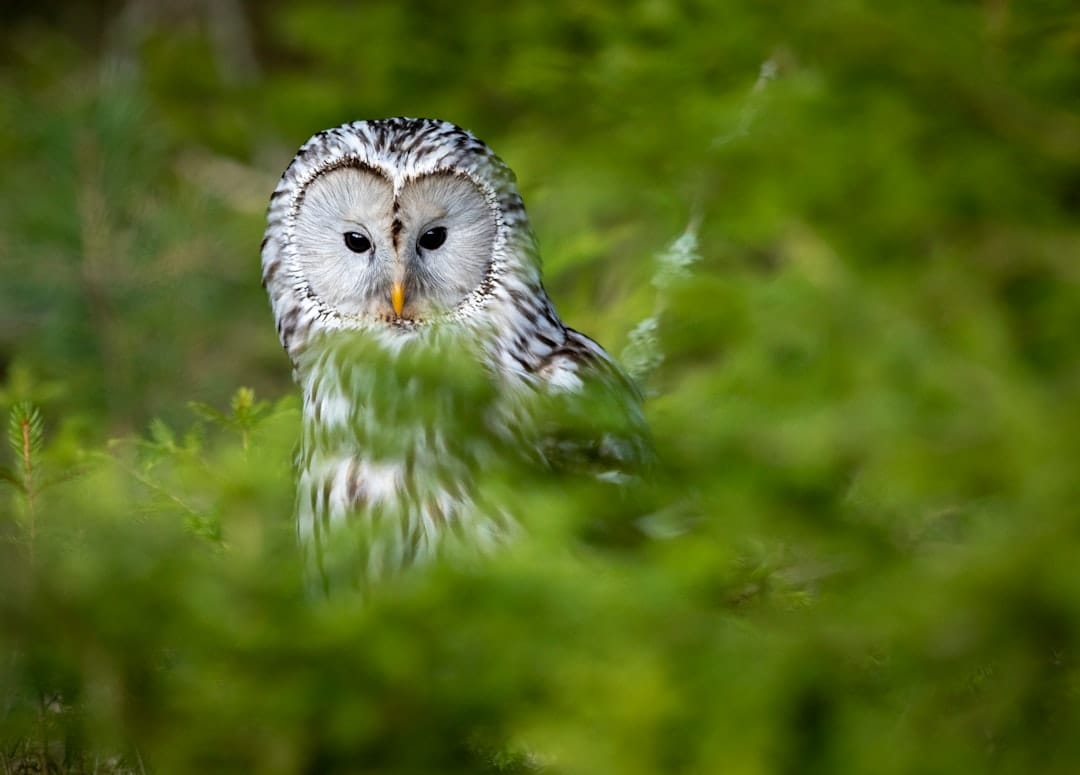
- Targets: Migrant passerines, owls (banding programs in season), waterfowl.
- Tactics: Check schedules; great learning for ethical handling and ID.
- Wye Marsh Wildlife Centre (Midland)
- Targets: Trumpeter swans, herons, turtles.
- Tactics: Family-friendly boardwalks and beginner-friendly distances.
- Tommy Thompson Park (Toronto)
- Targets: Herons, cormorants, owls in winter some years, butterflies and dragonflies.
- Tactics: Weekdays for fewer cyclists; shoreline backlight opportunities.
- Mashkinonje Provincial Park (near North Bay)
- Targets: Moose sign, beaver, loons, songbirds.
- Tactics: Quiet trails; useful stop on a Highway 17 loop.
- Sleeping Giant Provincial Park
- Targets: Moose, fox, raptors, owls, boreal passerines.
- Tactics: Sibley Peninsula backroads at dawn/dusk, lakeside low-angle loons.
Season-by-season: when to go and what to expect
- Late Winter (Feb–early Mar): Snowy owls along Lake Ontario and farm country; foxes begin denning; wolves vocalize on cold, calm nights.
- Spring (Apr–May): Waterfowl migration, salamander nights after warm rains; peak point pelee bird migration early–mid May with 30–40 warbler species possible.
- Early Summer (Jun): Moose on aquatic plants, loon nesting, dragonflies and orchids; black flies fade by late June.
- Late Summer (Jul–Aug): Family groups active at dawn/dusk; shorebirds stage along Lake Erie/Ontario.
- Fall (Sept–Oct): Moose rut, bear on mast crops, raptor migration, insane color for habitat context.
- Early Winter (Dec–Jan): Irruption finches, boreal owls some years; clean snow backgrounds for high-key portraits.
Target species playbook
Moose photography Ontario: how to land the shot
- Where: Algonquin (Costello Creek, Lake of Two Rivers), Lake Superior PP, Sleeping Giant.
- When: May–June for feeding in shallows; late Sept–Oct rut for bull behavior (keep 100+ m).
- Settings: 1/1000s+, f/5.6–f/8, Auto ISO; use EV +0.3–0.7 to brighten dark bodies against bright water.
- Fieldcraft: Park, glass quietly, and let moose approach. Never block crossings or call.
Bird photography Ontario: warblers to owls
- Warblers: Point Pelee and Long Point in May—overcast is ideal for color and dynamic range.
- Shorebirds: Presqu’ile and Long Point; go prone with a ground pod and 400–600mm.
- Owls: Amherst Island, rural eastern Ontario. Stay in your vehicle when possible; if the bird looks at you repeatedly, you’re too close.
Algonquin Park wildlife beyond moose
- Beavers at dusk on small ponds; loons at eye level from a canoe (hug shore, telephoto).
- Wolf howls happen some summers (park-led only). Listen rather than pursue.
Red fox in fall color
- Edge habitats in Killarney and Bruce Peninsula. Work at 400–600mm for intimate portraits and let behavior unfold.
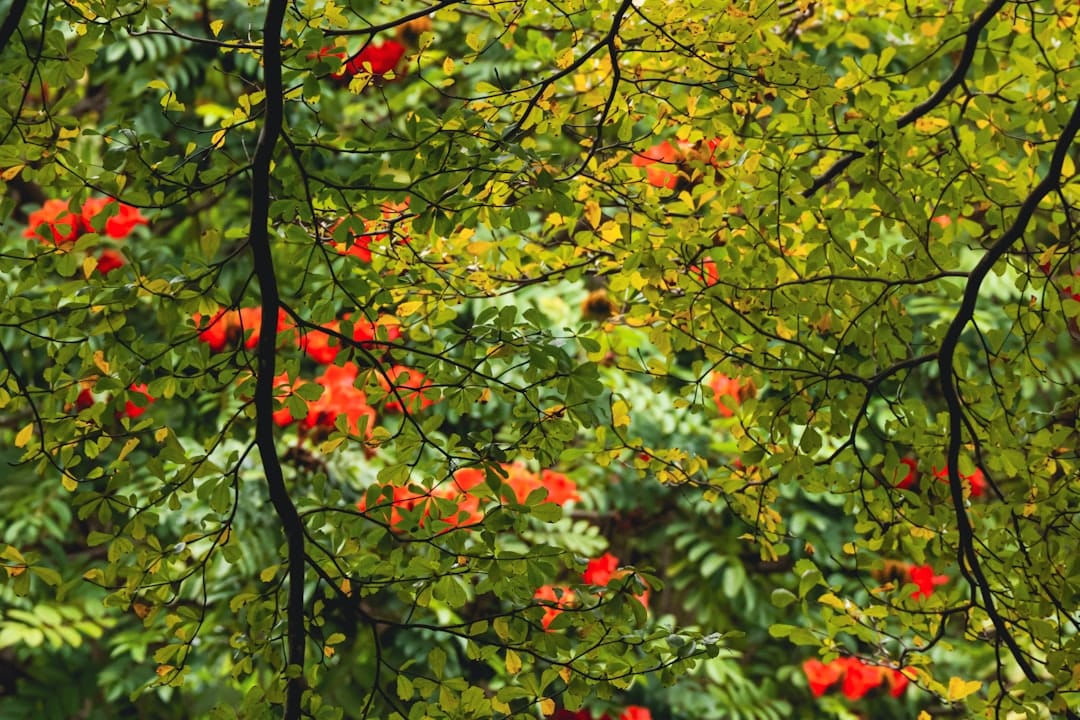
Field techniques that consistently work
- Think micro‑habitats: bog edge, beaver dam spillway, spruce-fir ecotone, cattail margins.
- Arrive 45–60 minutes before sunrise; set white balance and test exposure before wildlife shows.
- Use your car as a blind on rural roads; kill the engine to reduce vibration.
- For loons and shorebirds, go low—elbow pod, bean bag, or ground pod for creamy bokeh.
- Backlight is your ally in marshes—expose for highlights and watch for rim-lit plumage.
Recommended gear and quick settings
- Lenses: 100–400mm or 200–600mm for versatility; 500–600mm primes for distance-sensitive species.
- Support: Gimbal on tripod for long sessions; bean bag in car; ground pod for shorebirds.
- Bodies: Fast AF, clean ISO at 3200–6400. High FPS helps with behavior sequences.
- Baseline settings for moving subjects: Manual, 1/2000s, f/5.6–f/7.1, Auto ISO, AF-C, Wide/Tracking.
- For static portraits: 1/800s, f/4–f/5.6, single-point AF on the eye, EV to taste.
- Essentials: Bug jacket (May–June), chest waders for marsh work, lens rain cover, spare batteries (cold drains fast).
Ethical wildlife photography tips (Ontario-specific)
- Distance first: If the animal changes behavior, you’re too close—step back immediately.
- Stay on public roads, boardwalks, and signed trails; Ontario nature reserves often protect fragile habitats.
- Never bait or audio lure owls and predators; it harms them and is often illegal.
- Keep nest sites off social media and avoid GPS-tagging sensitive species.
- Pack out all trash; avoid trampling alvar, dunes, and bog mats.
- For canoe photography, wear a PFD and stow long glass below gunnel height.
Ontario wildlife tours and workshops
Guides can accelerate your learning curve, especially for nocturnal or seasonal specialties.
- Algonquin: Guided canoe wildlife tours and occasional park-led wolf howls during suitable summers.
- Point Pelee/Long Point: Spring migration birding workshops and marsh paddles.
- Hilliardton Marsh: Educational banding sessions—observe ethically and learn ID up close.
- African Lion Safari (near Hamilton): While not wild, it’s a controlled setting to practice long-lens technique and behavior timing before big trips. For pro-level planning, see this deep dive: African Lion Safari Ontario Photography Guide.
Logistics, permits, and safety
- Permits: Ontario Parks uses day-use reservations at popular parks in peak season—check current rules at Ontario Parks.
- Point Pelee: Entry fees and seasonal hours at Parks Canada – Point Pelee.
- Road safety: Many wildlife hotspots are on narrow rural roads—use hazards, pull fully off, and never stop on blind crests.
- Wildlife safety: Black bears are generally shy—carry bear spray in the north, make noise on trails, secure food. Keep 100 m from moose and bears, 25–50 m from fox and smaller mammals.
- Bugs & weather: Black flies peak late May–mid June in the Shield; wear a head net. Thunderstorms build fast near the lakes—watch radar.
- Accessibility: Boardwalks at Point Pelee and Presqu’ile are flat and accessible, great for telephoto from a wheelchair or stroller.
Sample itineraries
2-day Algonquin sampler
- Day 1: Dawn at Costello Creek (moose/loon), midday interpretive center for wolf/bird intel, dusk at Mew Lake for beaver.
- Day 2: Sunrise fog at Lake of Two Rivers, hike Centennial Ridges for scenics, evening along the Opeongo Road.
7-day Great Lakes flyway road trip
- Day 1–2: Point Pelee dawn boardwalks and woodland warblers.
- Day 3: Hillman Marsh/Leamington shoreline for shorebirds.
- Day 4: Presqu’ile for terns and marsh life.
- Day 5: Tommy Thompson Park for urban wildlife contrast.
- Day 6: Long Point beach low-angle shorebirds.
- Day 7: Amherst Island winter (shift this day into Dec–Feb for owls).
Compositions that elevate your portfolio
- Habitat-forward frames: Include reeds, birch trunks, and quartzite ridges to anchor place.
- Waterline minimalism: Loon or moose muzzle breaking plane—use negative space.
- Color stories: Autumn fox against maple fire; blue-hour marsh with egret silhouettes.
- Behavior beats portraits: Feeding, preening, scent-marking, yawns—tell the story.
Planning resources and further reading
- When to go: Month-by-month park timing and crowd notes in Best Time to Visit Ontario Parks.
- Technique practice: Controlled setting tips that transfer to the wild—Fossil Rim Wildlife Center Photo Tips.
- Broaden your safari skills for future trips: Wildlife Safari Africa: The Ultimate Adventure for Nature Lovers.
Authoritative external references for rules and skills:
- Park rules and closures: Ontario Parks
- Point Pelee official info: Parks Canada – Point Pelee
- Pro ethics and technique: National Geographic – Wildlife Photography Tips
Quick field checklist
- Navigation: Offline maps, paper map, extra vehicle key.
- Clothing: Layered synthetics/wool, bug net, waterproof boots, fingerless gloves.
- Photo kit: Long lens (400–600mm), zoom backup, 1–2 bodies, spare batteries/cards, microfiber, rain covers.
- Safety: First aid kit, headlamp, bear spray (north), whistle.
- Comfort: Thermos, sit pad/ground sheet, mosquito repellent, snack bars.
Mistakes to avoid
- Chasing reports blindly instead of studying habitat and light.
- Overexposing white birds in golden hour—use zebra warnings and test shots.
- Parking carelessly on rural roads.
- Posting exact owl locations online.
- Forgetting ear protection on windy lakes in winter—frostbite risk is real.
Putting it together: a sample day plan (spring migration)
- 5:15 a.m.: Arrive at Point Pelee Marsh Boardwalk, scout wind, set exposure.
- 6:00–8:00 a.m.: Warblers along woodland trails; shoot eye-level from subtle kneel.
- 10:00 a.m.: Midday break; backup cards; check eBird trends and wind shifts.
- 4:30 p.m.: Shorebirds at low tide-like flats (water level dependent).
- Sunset: Egret/heron silhouettes from the tower; create series with consistent framing.
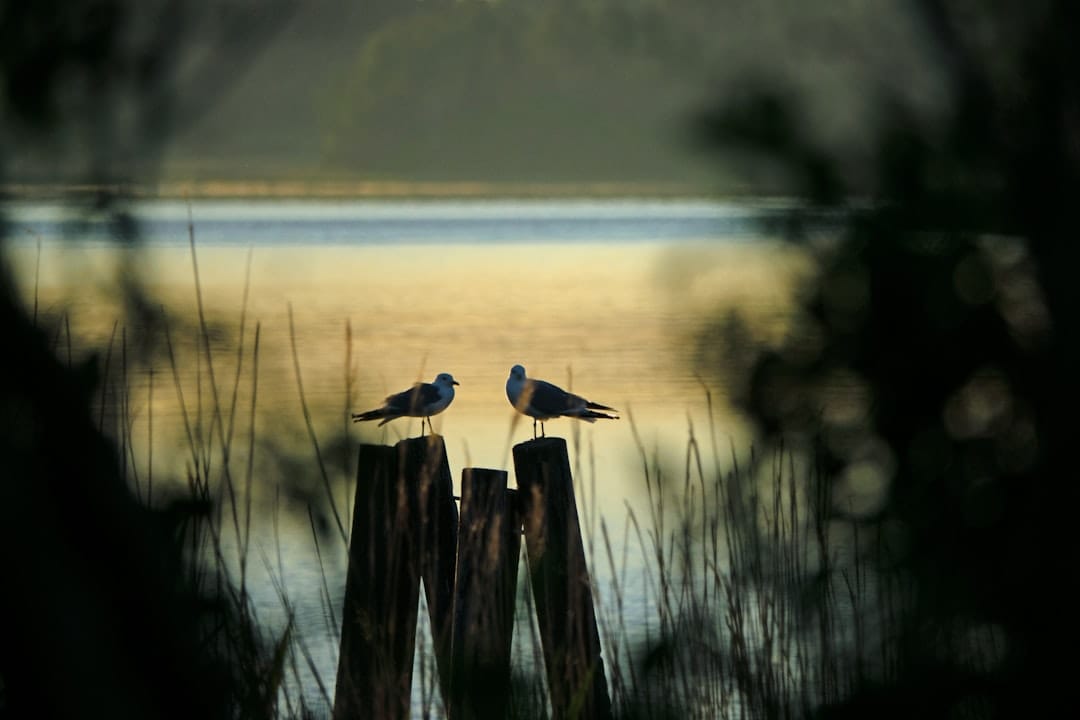
Ontario rewards photographers who pair patience with precise timing. Choose the right micro‑habitat at the right hour and you’ll leave with images that sound like the place—loons echoing, reeds whispering, the soft clop of a moose at dawn. Pack ethics, plan for weather, and let the landscape set your pace. If this guide helped, share it with a friend and start mapping your next golden hour.
FAQs
What is the best month for Ontario wildlife photography?
May is prime for spring migration and mammal activity, while late September to mid-October delivers moose rut, fall color, and active bears. Winter (Dec–Feb) can be excellent for snowy owls and minimalist snow scenes.
Where can I photograph moose in Ontario?
Algonquin Provincial Park is the most reliable, especially along the Highway 60 corridor at dawn in May–June and during the fall rut. Lake Superior and Sleeping Giant also hold moose with fewer crowds.
Are there guided Ontario wildlife tours worth booking?
Yes. Consider guided canoe trips in Algonquin, spring birding workshops at Point Pelee/Long Point, and educational sessions at Hilliardton Marsh. For practicing long-lens technique, see African Lion Safari Ontario Photography Guide.
Any quick ethical rules I should follow?
Keep distance (100 m for large mammals), never bait or call owls, stay on trails/roads, and avoid posting exact locations for sensitive species or nests.