Planning a trip to East Asia often leads travelers to the neon lights of Tokyo or the historic sprawl of Beijing, but many overlook the hidden gem of the Pacific. Finding a destination that balances hyper-modern infrastructure with rugged, untamed wilderness is a challenge for any photographer or nature lover. You may find yourself stuck between choosing a city break and a nature retreat, worried that you will miss the soul of a culture by staying on the beaten path.
This taiwan travel guide is designed to solve that dilemma by guiding you through a landscape where ancient traditions meet towering peaks and endemic wildlife. Whether you are hunting for the perfect Taipei 101 sunset or trekking through marble canyons, Taiwan offers a visual feast that rivals the best wildlife destinations for 2025. We will explore the essential stops, photography tips, and cultural nuances that make this island a world-class destination.
The Urban Pulse: Starting Your Journey in Taipei
Your adventure begins in Taipei, a city that feels both futuristic and deeply rooted in history. It serves as the perfect home base for acclimatizing to the island’s unique pace of life before heading into the wild. The city is remarkably safe, easy to navigate, and offers a level of cleanliness that rivals the best things to do in Japan.
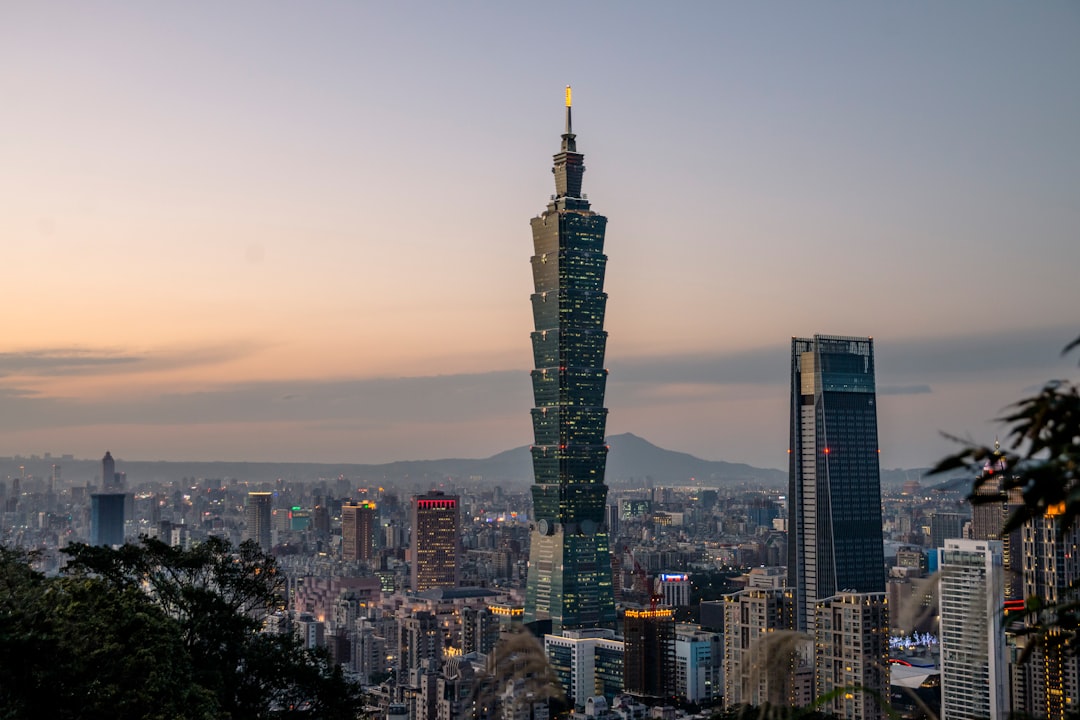
For photographers, the Elephant Mountain (Xiangshan) hike is a non-negotiable sunset spot. The trail is steep but paved, leading to several platforms that provide an unobstructed view of the Taipei 101 skyscraper. During the “golden hour,” the city transforms into a sea of orange and purple hues, reflecting off the glass facades of the Xinyi District.
Beyond the skyscrapers, Taipei’s night markets are a sensory explosion. Shilin and Raohe night markets offer endless opportunities for street photography and culinary exploration. From the steam rising off giant fried chicken cutlets to the glowing signs of fortune tellers, the markets capture the energetic heart of Taiwanese culture.
Essential Taipei Photography Spots
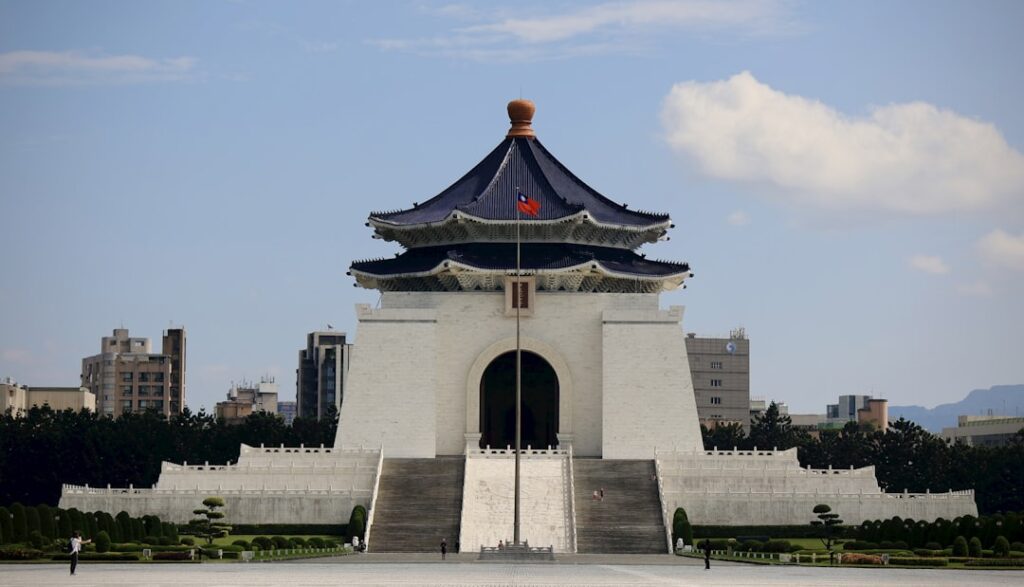
- Chiang Kai-shek Memorial Hall: Massive white marble structures and blue-tiled roofs.
- Longshan Temple: Intricate dragon carvings and the atmospheric smoke of burning incense.
- Dadaocheng: The oldest neighborhood in Taipei, featuring traditional red-brick architecture.
- Beitou Thermal Valley: Mist-covered sulfuric springs that create a mystical, moody aesthetic.
Wildlife and Wilderness: The Heart of the Island
While the cities are vibrant, the true soul of Taiwan lies in its mountainous interior. Over 50% of the island is covered in dense forest, providing a sanctuary for species found nowhere else on Earth. For those who enjoy wildlife photography, understanding the terrain is key to capturing the island’s most elusive residents.
The Formosan Rock Macaque is perhaps the most iconic animal you will encounter. These primates are highly adaptable and can be found in various mountainous regions, including the outskirts of Kaohsiung and the higher elevations of the central mountain range. Unlike many macaques in tourist-heavy areas, the wild populations in Taiwan’s national parks maintain a fascinating, rugged dignity.
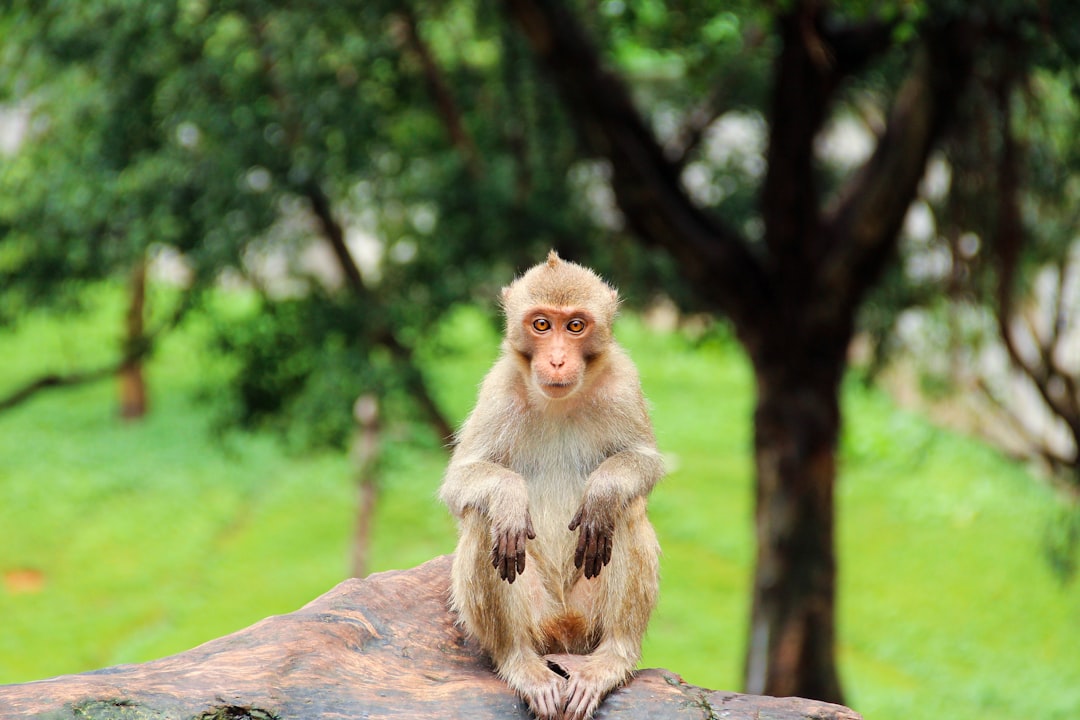
To successfully photograph these creatures, patience is required. Using a telephoto lens is essential to maintain a respectful distance while capturing intimate details of their expressions and social interactions. If you are coming from a background of North American nature trips, you might find your safari packing list for photographers surprisingly relevant here, especially regarding moisture protection and fast lenses.
Top Wildlife to Watch For
- Formosan Black Bear: The island’s largest carnivore, though sightings are rare and usually limited to high-altitude protected areas.
- Mikado Pheasant: Often called the “King of the Mist,” this bird is a prize for any wildlife photographer, typically found in the high mountains of Alishan.
- Swinhoe’s Pheasant: A brilliantly colored bird often spotted in the undergrowth of secondary forests.
- Formosan Serow: A unique goat-antelope species that inhabits the steep rocky slopes of the central mountains.
Exploring the Majesty of Taroko National Park
No taiwan travel guide is complete without a deep dive into Taroko Gorge. This world-renowned landmark is a testament to the power of the Liwu River, which has carved its way through solid marble over millions of years. The result is a vertical landscape of white and grey stone contrasted against turquoise water and lush green vegetation.
Driving through the Central Cross-Island Highway provides access to numerous trails, ranging from easy boardwalks to strenuous mountain climbs. The Swallow Grotto (Yanzikou) trail offers some of the most dramatic views of the gorge, where the canyon walls are so narrow they almost seem to touch. Here, you can see the potholes carved by the river and the birds that nest in the cliffside.
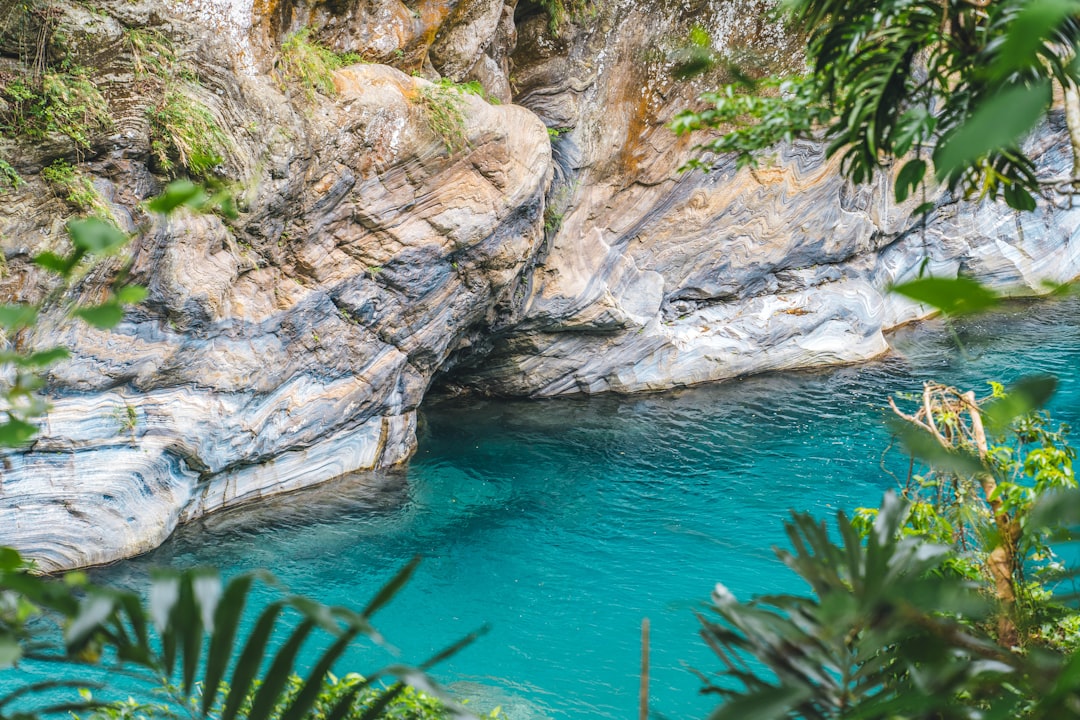
For a more immersive experience, the Lushui Trail provides a glimpse into the historic footpaths used by the indigenous Truku people. As you walk, the sound of the rushing river below provides a constant soundtrack to the visual splendor. According to the Taroko National Park Official Site, visiting during the shoulder seasons (Spring and Autumn) offers the best balance of comfortable weather and clear visibility.
The Misty Peaks of Alishan and Sun Moon Lake
As you move further into the central highlands, the landscape shifts into a realm of ancient trees and rolling clouds. Alishan National Scenic Area is famous for its “Sea of Clouds” and the historic Alishan Forest Railway. Photographers flock here to capture the sunrise over Yushan (Jade Mountain), the highest peak in Northeast Asia.
The giant cypress trees in Alishan, some over 2,000 years old, create a cathedral-like atmosphere. The mist that frequently rolls through the forest adds a layer of depth and mystery to your images. It is a stark contrast to the tropical heat of the lowlands, requiring visitors to pack layers even in the summer months.
Sun Moon Lake, located nearby, offers a more serene experience. The lake is divided into two parts: one shaped like a sun and the other like a crescent moon. Biking around the lake is considered one of the most beautiful cycling routes in the world. For the best photos, head to the Wenwu Temple at dawn to see the lake shimmering through the morning fog.
Best Practices for Landscape Photography in Taiwan
- Use a CPL Filter: A circular polarizer is vital for cutting glare on wet leaves and enhancing the blues of the Pacific Ocean and mountain lakes.
- Carry a Tripod: The dramatic low-light conditions in the forests and during sunrise demand stability for long exposures.
- Check the Weather: Taiwan’s weather is unpredictable. Use the Central Weather Administration to track humidity and rain patterns.
- Embrace the Fog: Don’t stop shooting when the mist rolls in; it provides a unique “shanshui” (Chinese ink wash painting) aesthetic to your shots.
Cultural Etiquette and Travel Logistics
Taiwan is known for having some of the friendliest locals in the world. “Ren qing wei” (the flavor of human warmth) is a concept deeply embedded in the culture. When visiting temples or rural villages, a respectful attitude goes a long way. Always ask permission before taking close-up portraits of people, though most are happy to oblige.
The transportation system is a marvel of efficiency. The High-Speed Rail (HSR) connects the major cities on the west coast in a matter of hours, while the traditional rail (TRA) and local buses provide access to the more rugged east coast. For those looking to explore the mountains, renting a car or a scooter is recommended, though be prepared for winding roads and sudden weather changes.
Planning your budget is relatively straightforward. Taiwan offers a range of options from high-end luxury hotels to cozy mountain homestays (minsu). Food is incredibly affordable, especially at night markets, where you can eat like a king for less than $15 USD. For more detailed international travel standards, Travel + Leisure provides excellent insights into the evolving luxury scene in Taipei.
Capturing the Magic of Jiufen and the North Coast
Before concluding your journey, a visit to the hillside town of Jiufen is essential. Once a gold-mining hub, Jiufen is now famous for its narrow alleys, traditional teahouses, and its resemblance to the settings of famous animated films. The town clings to the side of a mountain, overlooking the vast blue expanse of the Pacific Ocean.
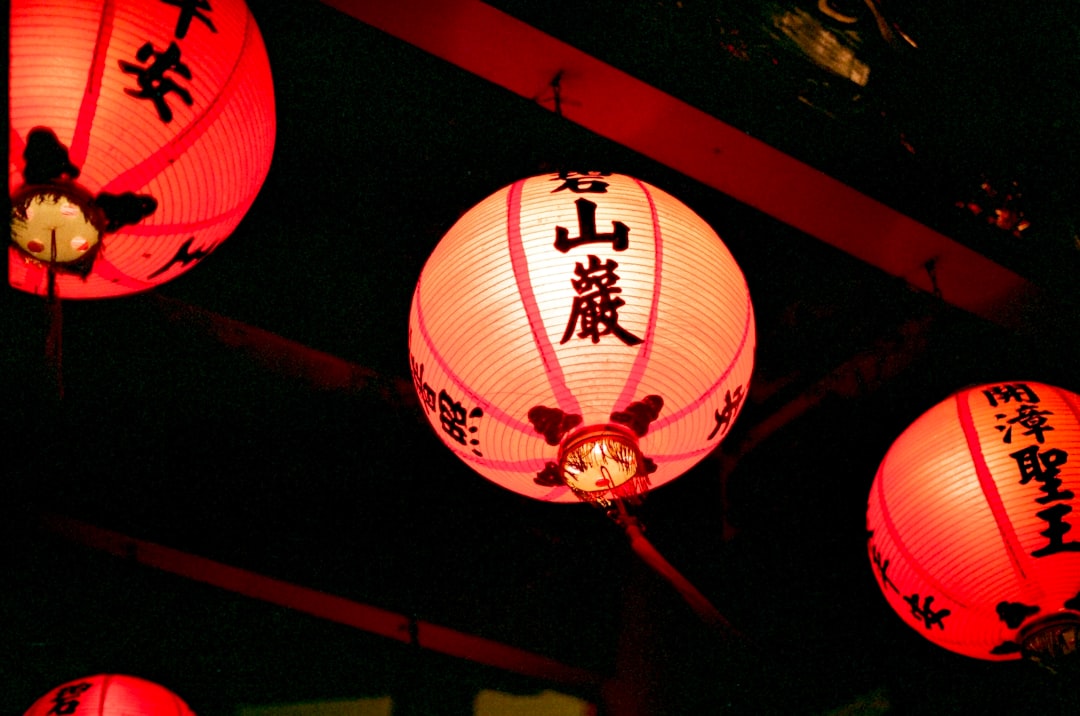
Walking through Jiufen at night is a transformative experience. The red lanterns that line the streets begin to glow, casting a warm light on the stone steps and wooden facades. It is the perfect place to slow down, enjoy a cup of local high-mountain oolong tea, and reflect on the diversity of the island.
Taiwan is a land of incredible contrasts. In a single day, you can go from the top of one of the world’s tallest buildings to a pristine mountain forest where rare macaques roam free. This taiwan travel guide only scratches the surface of what this “Beautiful Island” (Ilha Formosa) has to offer. Whether you are a professional photographer or a curious traveler, Taiwan promises an experience that is as emotionally enriching as it is visually stunning.
Frequently Asked Questions
What is the best time of year to visit Taiwan for wildlife photography?
The best time is generally during the spring (March to May) and autumn (September to November). During these months, the weather is stable, the migratory birds are passing through, and the mountain visibility is at its peak for landscape shots.
Do I need a visa to visit Taiwan?
Travelers from many countries, including the US, UK, Canada, and Australia, can enter Taiwan visa-free for stays of up to 90 days. Always check the latest requirements from the Taiwan Tourism Administration before booking.
Is it easy to get around Taiwan if I don’t speak Mandarin?
Yes, English signage is common in the public transport system and major tourist areas. While English proficiency varies in rural areas, the locals are famously helpful and will often use translation apps or gestures to assist you.
How safe is Taiwan for solo travelers?
Taiwan is consistently ranked as one of the safest countries in the world. Violent crime is extremely low, and it is safe to walk alone at night in almost any city. Standard travel precautions apply, but solo travelers generally feel very secure.