
Searching for the best time Ontario Parks deliver their most magical experiences? The answer changes with your goals: fiery maples, moose-in-mist mornings, warm-water swims, blackfly-free hikes, or star-splashed night skies. Pick the wrong week and you might trade blazing fall color for bare branches, or clear Milky Way arches for cloudy skies. Bugs, bookings, and weather can swing from delightful to difficult.
What makes planning tricky is Ontario’s size—parks stretch from the southern hardwoods to the rugged Shield and Superior’s big-lake climate. Add shifting aurora forecasts, unpredictable spring ice-out, and sold-out campgrounds, and timing becomes everything.
Here’s a practical, photo-forward guide to seasons, wildlife rhythms, and reservation strategy—so you can choose the best time to visit Ontario Parks for exactly the experience you want, and come home with the shots and memories you imagined.

Quick answer: best time by your goal
- Peak fall color and classic Algonquin fall photography: Late September to early October (earlier in the north/highlands, later in the south).
- Warm swimming and family camping: Mid-July to late August.
- Mosquito-light hiking and paddling: Mid-September to freeze-up, and late May before heat builds (expect some blackflies in May/early June).
- Wildlife photography Ontario (moose, loons, turtles): Late May–June; moose rut and dramatic color late September–October.
- Stargazing Ontario parks and Milky Way arch: New-moon windows from May–September; clearest air often in September–October.
- Ontario aurora forecast trips: Anytime during active geomagnetic periods—best chances on clear, cold nights from late fall through early spring.
Season-by-season: what to expect
Spring (April–June)
- Highlights: Ice-out paddling, rushing waterfalls, songbird migration, wildflowers, and moose feeding in roadside ponds.
- Conditions: Unstable weather; nights still cold. Blackflies peak late May–mid-June, especially in Shield forests and wetlands.
- Best for: Backcountry camping in Ontario when lakes open (often late April–May in the south; later in the north), wildlife activity, and crowd-free trails.
- Tip: Target breezy lakeshores and rock points to avoid bugs; carry a head net and high-percentage DEET or picaridin.
Summer (July–August)
- Highlights: Long days, warm water, berries, family-friendly programs, and reliable paddling/portaging.
- Conditions: Campgrounds and yurts book out; mosquitoes linger near wetlands, easing in wind and at midday.
- Best for: Ontario camping seasons at their most social—swims, beach sunsets, canoe circuits, and kid-friendly hikes.
- Tip: Book high-demand parks the moment reservations open (see planning section below). Aim midweek or choose lesser-known northern parks for more space.
Fall (September–October)
- Highlights: Crisp air, bug-free hiking, the Ontario Parks fall colors spectacle, and mirror-calm lakes at dawn.
- Conditions: Nights cool quickly; frost possible by late September inland. Weather swings are common.
- Best for: Photographers, paddlers, and anyone seeking that classic red-and-gold canopy. Moose rut begins late September.
- Tip: Monitor the Ontario Parks Fall Colour Report to time peak by region and species.
Winter (November–March)
- Highlights: Silence, snow-dusted pines, cross-country ski networks, winter camping/yurts at select parks, and crystal-clear night skies.
- Conditions: Cold and short days; limited services. Some parks offer groomed ski trails and winter rentals.
- Best for: Photographers chasing ice formations on Superior, snowshoe loops, and aurora nights during geomagnetic storms.
- Tip: Build flexibility into your plan for storms and road closures. Choose parks that actively operate in winter (e.g., select trail systems and winter campgrounds).
Month-by-month timing cheat sheet
- April: Ice-out in southern parks; waterfalls roar; loons return. Trails can be muddy.
- May: Prime wildlife behavior; blackflies begin late month in many areas.
- June: Lush, green, and buggy; wild orchids, turtles nesting on warm shoulders—drive carefully.
- July: Peak swimming and family camping; warmest water; sunsets after 9 p.m.
- August: Perseid meteor shower near new moon; late-month bugs ease; blueberries in rocky barrens.
- Early September: Cool nights, fewer bugs; lake fog at sunrise; quiet after Labour Day.
- Late September–Early October: Peak sugar maple reds in Algonquin highlands; perfect for Algonquin fall photography.
- Mid–Late October: Tamarack gold in bogs; birch/aspen yellows in the north; earlier leaf drop in exposed areas.
- November: Stark, moody landscapes; best odds for aurora windows begin with longer dark hours.
Where to go by season
- Spring favorites: Algonquin (Highway 60 corridor for moose), Killarney’s lakes after ice-out, Bon Echo’s Mazinaw Rock reflections.
- Summer favorites: Sandbanks (beaches), Killbear (family-friendly Georgian Bay), Arrowhead (swim + paddles), Lake Superior (cooler temps).
- Fall favorites: Algonquin, Killarney, Restoule, Bon Echo, and the Superior coast for mixed hardwood/evergreen mosaics.
- Winter favorites: Arrowhead (skating trail and Nordic), Killarney (granite and snowshoe ridges), Algonquin (Mew Lake winter camping).
Wildlife and photography: timing your shots
Moose feed in shallow ponds as aquatic plants grow (late May–June) and again roam during the rut (late September–October). Loons display and call through summer, while beavers, foxes, and barred owls are active at dawn and dusk. Maintain safe distances and use long lenses.
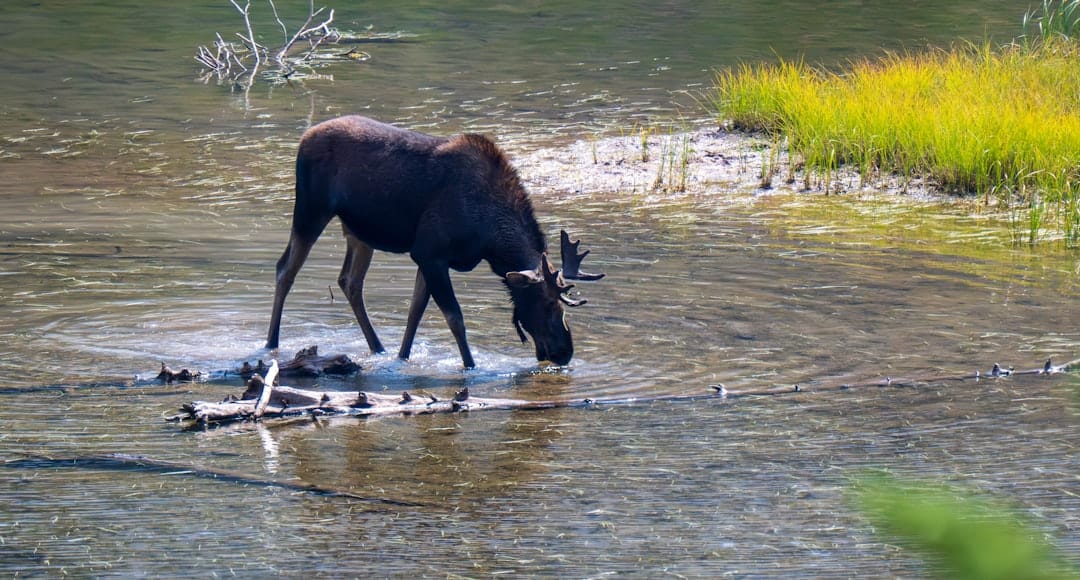
Pro tips for wildlife photography in Ontario:
- Dawn patrol: Be at your spot 45–60 minutes before sunrise for mist, calm water, and activity.
- Work edges: Scan wet meadows and lily ponds on cool mornings; use binoculars first.
- Long glass: 300–600mm is ideal. A 70–200mm works for environmental portraits in wider scenes.
- Quiet feet: Keep a low profile, switch to silent shutter if possible, and avoid repeated flushing.
- Weather edge: Light rain, fog, or snow can create moody frames and animal comfort.
Want a deep dive into field technique and telephoto setup? These guides are packed with practical tips:
- African Lion Safari Ontario Photography Guide
- Fossil Rim Wildlife Center Photo Tips
- Wildlife Safari Africa: The Ultimate Adventure for Nature Lovers
Safety first: Keep at least 100 meters from moose and bears. Never approach or block wildlife. Use a vehicle as a blind on road corridors where permitted, and pull fully off the roadway where safe.
Chasing fall color like a local
Ontario’s fall peaks progress north-to-south and by species:
- Algonquin’s sugar maples: Often late September to early October, especially on ridge-top trails.
- Killarney: Pink granite with red maples and golden birch—typically late September to early October.
- Lake Superior coast: Mix of aspen, birch, and maple—peaks can vary from late September into early October, with winds off Superior affecting timing.
Fast tactics:
- Go early in the day for glassy reflections.
- Hike to a ridge (e.g., granite domes in Killarney, fire towers or lookouts) for layered mosaics.
- Bring a polarizer to cut glare, plus an ND filter for silky waterfalls.
Monitor weekly updates on the Ontario Parks Fall Colour Report to pivot to the best zone.
Stargazing and the night sky (Milky Way + aurora)
Ontario’s Shield parks offer low light pollution, dark lakes, and photogenic granite. Killarney’s observatory programs and lakeside ridges are beloved for night sky sessions, and Quetico/Lake Superior regions boast exceptional dark horizons.

Best timing:
- Milky Way core season: Late April–September, with the brightest arches June–August near new moon.
- Clear-air crispness: September–October nights bring transparency and fewer bugs.
- Aurora: Strong displays are most common on cold, clear nights from late fall through early spring, but can happen anytime.
Quick setup checklist:
- Fast wide lens (14–24mm f/2.8 or faster).
- Solid tripod and interval timer.
- Red headlamp, hand warmers for batteries.
- Compose with foreground—canoes, jack pines, granite points.
Track geomagnetic activity via the NOAA Aurora Forecast. For stargazing Ontario parks with minimal light, choose interior lakes and orient north for aurora frames. Use the “new moon” phase in your planning calendar.
Bugs and comfort: the real talk
Understand the bug calendar for a great trip:
- Blackflies: Late May to mid-June, peaking near running water and shaded forest.
- Mosquitoes: Late May through July; taper in breezy, open sites and by September.
- Deer and stable flies: Hot, calm days on sandy beaches and lakesides in mid-summer.
How to beat them:
- Wear a head net and light, long sleeves. Treat outer layers with permethrin.
- Choose campsites on points or islands for wind.
- Time big hikes for midday in spring and evening in late summer/fall.
- Pack a freestanding bug shelter for shoulder-season picnics and cooking.
Paddling and backcountry: when portages sing
For backcountry camping in Ontario’s canoe country:
- Spring (post-ice-out): High, fast water; cool nights; fewer people. Great for experienced paddlers who can handle cold water safety.
- Summer: The classic season—predictable water levels, warm swims, and long days. Expect more traffic on popular circuits.
- Fall: Arguably the best—calm mornings, color, low bugs, and fewer crowds. Nights are cold; bring a warmer bag.
Route tips:
- Algonquin’s classic loops (Canoe Lake, Opeongo access) for mixed forest and heritage routes.
- Killarney’s sapphire lakes for white quartzite ridges and short-but-steep portages.
- Lake Superior’s interior lakes and coastline for rugged solitude (only for skilled trippers with big-water experience).
Practical planning: reservations, openings, and strategy
- Reservations: Sites typically open five months in advance at 7 a.m. ET on the exact date. For peak summer weekends, be online with flexible options ready.
- Operating windows: Not all parks/campgrounds run year-round. Confirm dates on the Ontario Parks Operating Dates page before you drive.
- Flex season: For Ontario camping seasons with fewer crowds and better wildlife, target midweek in June or after Labour Day.
- Backup picks: If marquee parks book out, try neighbors—e.g., instead of Killbear, consider Restoule; instead of Sandbanks, try Presqu’ile (for birding and beaches).
3 classic photo-driven itineraries
- Algonquin “mist-and-maple” weekend (late Sept–early Oct)
- Day 1: Sunrise at Lake of Two Rivers, mid-morning on Track and Tower Trail for ridge lookouts.
- Day 2: Early wildlife loop east of Kearney Lake Road ponds; golden-hour canoe on a quiet back lake.
- Killarney “granite and stars” 3 days (new moon, Sept)
- Hike The Crack for afternoon light; return for Milky Way over pink granite shorelines.
- Paddle George Lake’s coves by day; stargaze at the observatory if programs run.
- Lake Superior “big water drama” 4 days (late Sept)
- Hunt wave and cloud drama at day-use beaches; sunrise fog on interior lakes.
- Track aurora forecasts; set tripod at north-facing coves with rocky foregrounds.
What to pack (by season)
Spring/fall essentials:
- 20–30°F/-6–-1°C sleeping bag, insulated pad, waterproof layers.
- Bug head net, warm hat/gloves, breathable hiking pants.
- Dry bags for camera gear; microfiber towel for foggy mornings.
Summer essentials:
- Sun hoodie, brimmed hat, reef-safe sunscreen.
- Swimwear, water shoes, compact bug shelter.
- Lightweight tripod, ND/polarizer filters for waterfalls.
Winter essentials:
- Double-insulation for boots, microspikes/snowshoes where needed.
- Hand/foot warmers for batteries; thermos for hot drinks.
- Headlamp with spare batteries; emergency bivy.
Smart crowd dodging
- Go early or late: Sunrise arrivals beat both traffic and wind on lakes.
- Midweek magic: Tuesday–Thursday stays dramatically change the vibe.
- Choose depth: Hike beyond the first lookout or paddle one portage deeper.
- Weather windows: “Bad” forecasts often yield dramatic skies and fewer people—pack proper layers and embrace it.
Responsible travel basics
- Keep wildlife wild: No feeding, ever. Store food and trash securely.
- Tread lightly: Stay on durable surfaces; respect closures and sensitive habitats.
- Campfires: Use designated rings; check local fire bans and keep fires small.
- Soundscapes: Dawn and dusk are wildlife hours; keep noise low for all to enjoy.
For campcraft inspiration beyond Ontario, see this step-by-step camping primer: The Ultimate Guide to Camping in Peru’s Stunning Natural Landscapes.
The bottom line: pick your perfect window
- For color and clarity: Late September–early October is the photographer’s sweet spot.
- For swims and long days: July–August deliver peak summer energy.
- For bug-light paddling and aurora: September–October and late fall–winter shine.
Choose the week that matches your goals, track conditions, and keep a flexible plan. That’s how you turn a good trip into a great one.
FAQs
What’s the best time to visit Ontario Parks for fall colors?
Late September to early October is prime for most Shield parks. Use the Ontario Parks Fall Colour Report to time peak by region and species.
When is mosquito season in Ontario parks?
Expect mosquitoes from late May through July, with blackflies peaking late May–mid-June. Bugs drop sharply by mid-September and are minimal in winter.
When are reservations hardest to get?
July–August weekends and holiday periods book out quickly. Be online five months out at 7 a.m. ET with several campground and date options ready.
How do I plan for aurora in Ontario parks?
Watch space weather and seek clear, dark skies away from city glow. Check the NOAA Aurora Forecast, aim for cold, transparent nights, and compose with north-facing shorelines.