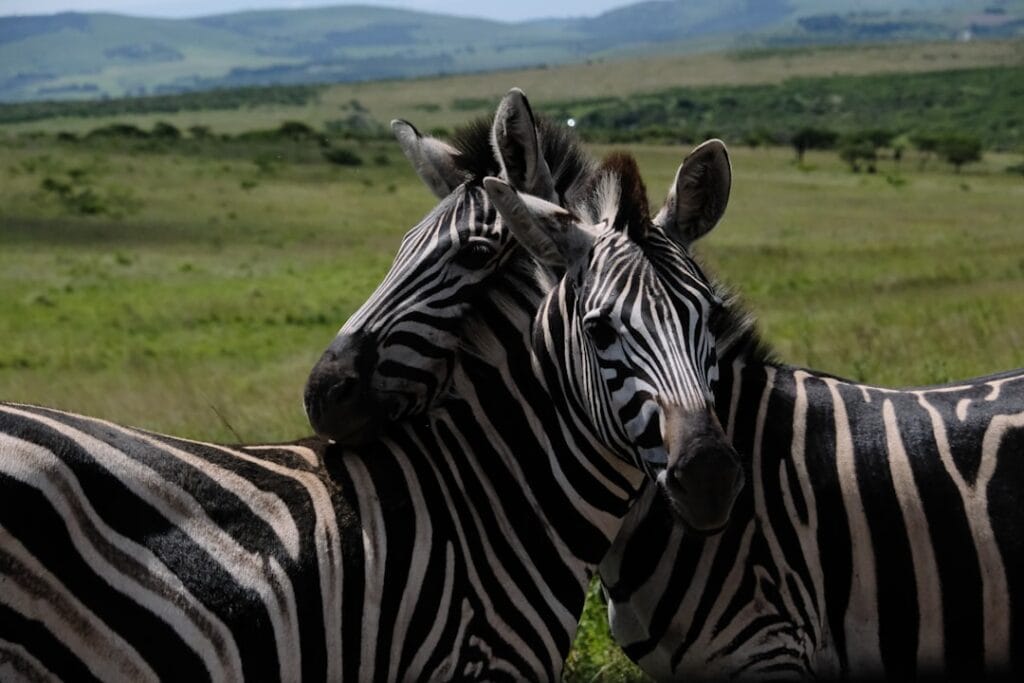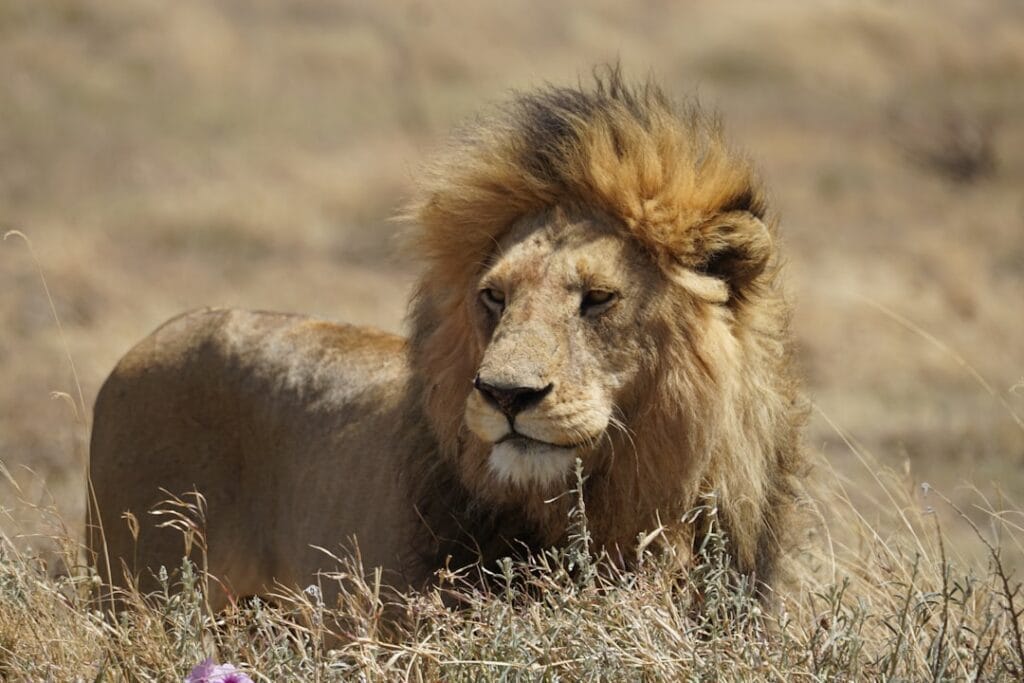
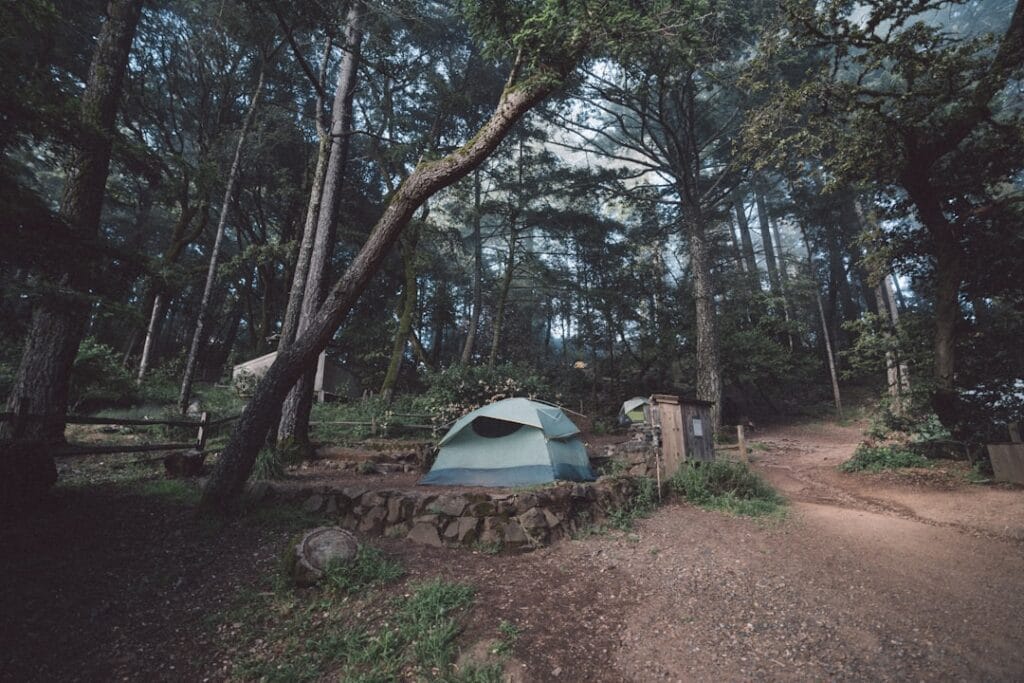
When your subject is most active at dawn and dusk, your sleep gear can make or break the shot. A camping cot that’s stable, quiet, and fast to deploy lets you rest near hides, wake fresh, and move fast without scaring wildlife. Skip the squeaks, sag, and cold drafts—build a basecamp that works as hard as you do.
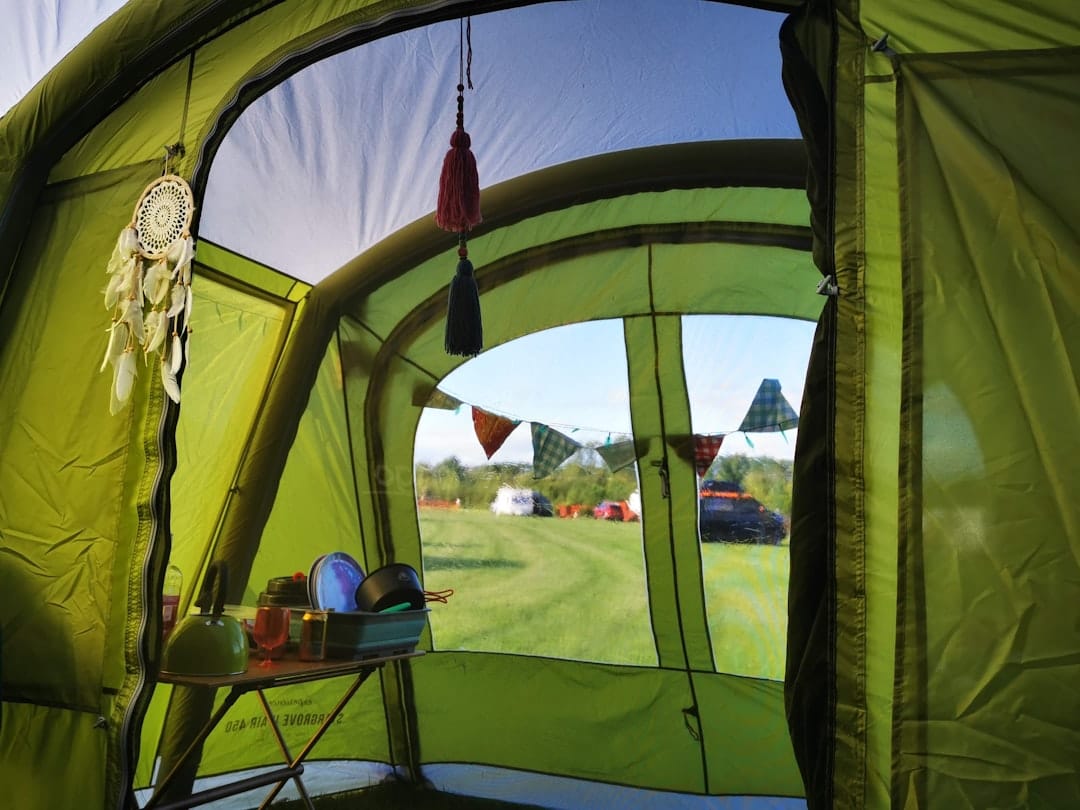
The photographer’s problem: sleep vs. stealth
Long stakeouts, odd hours, and remote sites test your body and your gear. Noisy hinges spook subjects. A drafty sleep system kills warmth. Bulky beds eat vehicle space and slow you down.
The solution: purpose-built cots for fieldwork
Pick a quiet camping cot sized for your shelter and body, then layer it for the season. Prioritize low-Noise, lightweight frames that pack small, pair them with an insulated pad or underquilt, and you’ve got a calm, warm basecamp that keeps you close to the action.
What to look for in a camping cot for wildlife photography
- Silent design: Fabric that doesn’t crinkle, joints that don’t squeak, and minimal frame flex.
- Weight and packed size: A compact travel cot that fits in a 30–45L duffel or the side of a 4×4 loadout.
- Height and stability: 5–16 inches off the ground is a sweet spot for warmth, gear stowage, and easy entry.
- Fabric and frame: Ripstop polyester/nylon with tensioned rails; aluminum legs for strength-to-weight.
- Capacity and width: For big lenses and layers, wider cots (30–35 in) reduce edge roll-off.
- Setup time: Under 3 minutes is ideal when arriving after sunset or breaking camp before first light.
Pro tip: If you shoot near skittish species, test for squeaks at home. A truly quiet camping cot earns its spot before it ever hits the field.
9 game-changing camping cot picks (by use case)
These picks focus on field needs: stealth, speed, warmth, and portability. Always verify current specs and weights before buying.
- Helinox Lite Cot — ultralight stakeout specialist
- Why photographers love it: Under-3-lb class, tiny packed size, low profile fits in smaller tents and hides.
- Best for: Backpacking to blinds, multi-day hikes with glass.
- Consider if: You prioritize silence and portability over lounge-level comfort.
- Therm-a-Rest UltraLite Cot — tensioned, quiet, and warm
- Why photographers love it: Ingenious pole-and-clip system spreads load evenly; quiet fabric; reflective warmth helps cut ground chill.
- Best for: Shoulder-season shoots where predawn temps dip low.
- Consider if: You want a lighter cot that still feels stable.
- Helinox Cot One Convertible — comfort plus versatility
- Why photographers love it: Excellent rigidity and comfort; optional leg extenders create under-cot gear space.
- Best for: Car-based safaris and basecamps where sleep quality is mission critical.
- Consider if: You can spare a bit more weight for better sleep.
- ALPS Mountaineering Ready Lite Cot — value ultralight
- Why photographers love it: Competitive weight and price; straightforward setup.
- Best for: Photographers building a backcountry sleep system on a budget.
- Consider if: You want lighter weight without premium pricing.
- BYER of Maine Easy Cot — fastest setup in camp
- Why photographers love it: Truly rapid deployment; broad, stable platform that’s easy on hips and shoulders.
- Best for: Late arrivals, roadside safaris, and minimalist basecamps.
- Consider if: You need speed and simplicity more than compactness.
- TETON Sports Outfitter XXL — heavy duty camping cot
- Why photographers love it: Huge surface, stout build, high capacity for larger bodies and winter layering.
- Best for: Cold-weather blinds, tall users, and anyone who hates sag.
- Consider if: Vehicle space and weight aren’t limiting factors.
- Coleman Trailhead II — budget folding camp cot
- Why photographers love it: Affordable, widely available; gets the job done for occasional trips.
- Best for: New wildlife shooters testing the cot vs sleeping pad decision.
- Consider if: You’re ready to tweak for noise (tape/foam on contact points).
- Marchway Ultralight Folding Cot — compact travel cot value
- Why photographers love it: Small packed size and wallet-friendly; aluminum legs balance weight and strength.
- Best for: Fly-and-drive trips where baggage limits matter.
- Consider if: You’ll add a quality pad to boost comfort and warmth.
- Klymit Ridgeline-style Cot (category: sturdy car-camp cot)
- Why photographers love it: Rigid top deck, reliable frame for multi-night comfort.
- Best for: Truck-based shooting, extended hides, and photographers needing extra support.
- Consider if: You want a quiet, stable platform and don’t mind a larger pack size.
Build a quiet, warm backcountry sleep system
Layering turns a good cot into an all-season asset for wildlife work.
- Base: Cot fabric plus a thin closed-cell foam sheet to kill creaks and add puncture protection.
- Insulation: A high-R pad (insulated air or self-inflating) on top for winter; for insulated cot winter camping, pair with a reflective blanket or an “underquilt” sling beneath to block convective heat loss.
- Sound control: Use silicone tape or fabric sleeves on cot rails where legs contact. Dust fine sand from joints to reduce grinding.
- Moisture: Add a breathable sheet or cover to manage condensation in humid habitats.

Field tip: A thin microfiber sheet around your pad increases friction, preventing night-time squeaks and pad drift.
Cot vs sleeping pad: when each wins
Pick the platform that fits your mission.
Choose a cot when:
- You need airflow under the body in hot, buggy climates.
- The ground is rocky, rooty, or uneven.
- You want off-floor storage and easier entry/exit during odd-hour alarms.
Choose a sleeping pad when:
- You’re pushing ultralight to reach remote blinds.
- Campsite rules prohibit cots inside shelters.
- You need maximum warmth per ounce in deep winter (pads on the ground excel if you use a high R-value).
Hybrid approach:
- Pair an ultralight camping cot with a high-R pad for four-season versatility.
- In deep winter, add a reflective barrier or underquilt to stop under-cot drafts.
The photographer’s basecamp: a fast, quiet workflow
- Pre-pack: Strap the cot outside your duffel for instant setup at trailhead bivies.
- Position: Set the cot head toward the exit of your tent for fast egress before blue hour.
- Stowage: Keep boots and tripod under the cot; camera bag at the head; headlamp clipped to a leg.
- Night moves: Practice “dark setup”—assemble your folding camp cot by feel to avoid headlamp splash that alerts wildlife.
- Noise discipline: Tape or sleeve any metal-to-metal contact points. Re-tension fabric after temperature drops.
Sizing your cot to your shelter and body
- Tent fit: Check interior length and tapered walls; many 1–2P tents pinch wide cots.
- Height match: Lower cots (5–7 in) fit most backpacks’ tents and keep you warmer in wind; taller cots (12–16 in) add storage space.
- Width and stability: Side sleepers, big frames, and winter layers benefit from 30–35 in widths to prevent edge collapse during turn-overs.
Quick checklist before you buy:
- Capacity and width for your body plus winter layers.
- Packed length fits luggage or the trunk width of your vehicle.
- Noise test: Assemble and roll side to side—no squeals.
- Setup under 3 minutes without instructions.
- Compatibility with your pad and shelter.
Cold-weather playbook for insulated cot winter camping
- R-value target: Aim for R 4–6+ total insulation in freezing temps.
- Draft blocker: Hang a light underquilt or attach a reflective barrier beneath the cot.
- Wind discipline: Pitch low, close tent vents facing lee side, and block ground draft below the cot.
- Warm start: Do 60 seconds of light movement before bed to pre-warm your system.
Keep it stealth: noise, scent, and light control
- Silence kit: Silicone plumber’s tape, short paracord lashing for rattly rails, microfiber sheet.
- Scent: Store food away from camp; avoid strong-smelling lubricants on hinges in bear country.
- Light: Red headlamp mode only; pre-stage your lens, body, and cards to reduce rustling at 4 a.m.
Care and maintenance for reliability
- Post-trip: Brush grit from joints; rinse salt and dust; air-dry fabric taut to prevent mildew.
- Field fixes: Carry a short repair sleeve, Tenacious Tape, and a spare foot cap.
- Long-term: Store partly assembled or tensioned occasionally to prevent elastic creep.
Packing and travel: from 4×4 to fly-in trips
- Road trips: Keep the cot in a quick-access bin with shelter and pad, so you can pull an impromptu roadside bivy.
- Fly and shoot: Choose a compact travel cot under airline length limits for checked bags; pack legs in a boot or tripod bag.
- Mixed missions: Pair an ultralight cot for backpack days with a heavier, plush cot for vehicle-based days.
Helpful trip planning resources
- Ethics and campsite impact: Leave No Trace Center for Outdoor Ethics
- Wildlife photography best practices: National Geographic—Wildlife Photography Tips
- Backcountry camping policies: U.S. National Park Service—Backpacking and Backcountry Camping
Plan shoots with these related guides:
- Gear and apparel: Safari Packing List for Photographers
- Regional targets and timing: Ontario Wildlife Photography Guide
- Remote camps made easy: The Ultimate Guide to Camping in Peru’s Stunning Natural Landscapes
Quick recommendations by scenario
- Ultralight stakeouts: Helinox Lite Cot or Therm-a-Rest UltraLite Cot + insulated pad.
- Heavy-duty comfort: TETON Sports Outfitter XXL + thick self-inflating pad.
- Fast and simple car camping: BYER of Maine Easy Cot.
- Budget start: Coleman Trailhead II + foam topper and noise sleeves.
- All-rounder with add-ons: Helinox Cot One Convertible with optional legs.
Field-tested setup: 5-minute routine before first light
- Boil water for a thermos and set breakfast to steep while you dress.
- Stow tripod and primary lens at the head of the cot; boots under the foot.
- Vent the tent to prevent lens fog when you exit.
- Silence-check: Press down on rail junctions and shift side-to-side; re-tape if needed.
- Shoulder pack, unzip slow, and move directly to your pre-scouted vantage.

Conclusion
A good night’s rest is a force multiplier. Choose a quiet, well-fitted camping cot, layer it for the season, and you’ll arrive at dawn focused and fast—right when wildlife magic happens. Build your basecamp like a piece of camera gear: reliable, repeatable, and silent. If this guide helped, share it with a shooting buddy and plan your next stakeout.
FAQ
What’s the best camping cot for wildlife photography?
If you hike to hides, go ultralight (Helinox Lite Cot or Therm-a-Rest UltraLite Cot). For vehicle-based shoots, a sturdier Helinox Cot One Convertible or TETON Sports Outfitter XXL improves sleep quality. Pick by mission: weight for distance, comfort for long stays.
How do I keep warm on a cot in winter?
Use an insulated pad with R 4–6+, add a reflective layer or underquilt beneath, and block wind under the cot. Wear dry base layers and keep a beanie handy. In severe cold, a ground pad under the cot adds a thermal buffer.
Are cots allowed in all tents and parks?
No. Some shelters have floor-protection rules or ban cots due to space or damage risk. Check park or site-specific guidelines (see NPS Backcountry Camping) and use protective floor mats inside tents.
How do I make a cot quieter for stakeouts?
Sleeve contact points with silicone tape or soft fabric, add a thin foam sheet between fabric and pad, and ensure legs are fully seated. Re-tension before bed and after big temperature drops to prevent creaks.