12 Proven Tips for Magnolia Branch Wildlife Reserve Camping
Planning magnolia branch wildlife reserve camping can feel overwhelming: Which site should you book? When is the river best for kayaking? What about bugs, summer storms, and wildlife etiquette? You want a peaceful, nature-soaked stay—without rookie mistakes that cost time, money, and sleep.
Here’s the fix. This expert guide distills first-hand field tactics, photo-forward strategies, and safety musts into 12 proven tips. Whether you’re after easy RV hookups, shaded tent sites, or creekside serenity, you’ll know exactly how to pick your spot, what to pack, and when to go. Plus, you’ll get practical birding and night-sky advice to bring home gallery-worthy images—and memories.
Why Magnolia Branch (Atmore, Alabama) Works for Campers and Nature Lovers
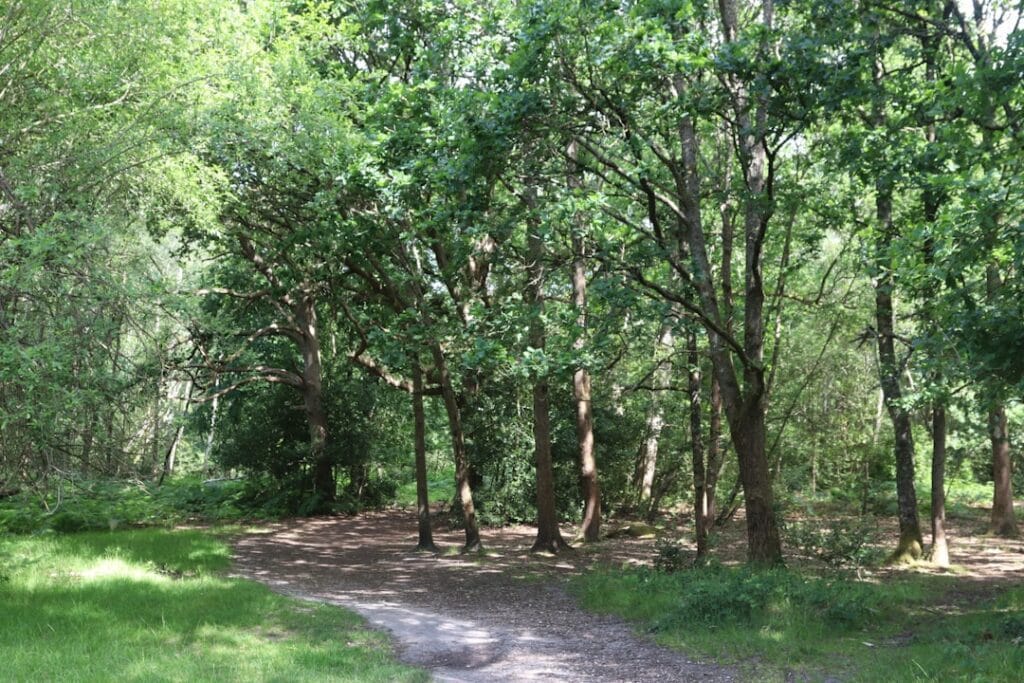
Nestled along Big Escambia Creek near Atmore, Magnolia Branch Wildlife Reserve blends river recreation with quiet Southern woodlands. Expect paddling and tubing, kid-friendly sandy banks, and wildlife-rich mornings that reward patient birders and photographers.
- Location: Atmore, Alabama (about 1 hour from Pensacola; ~1 hour from Mobile)
- Vibes: Family-friendly, water-centric, wildlife-forward, easy-to-navigate
- Best for: RV camping in Alabama, tent camping Alabama, relaxed kayaking, and birding
For official updates, conditions, and reservations, check the Magnolia Branch Wildlife Reserve website.
When to Go: Seasonality at a Glance
- Spring (March–May): Sweet spot for cooler temps, wildflowers, and active birdlife.
- Summer (June–August): Peak water play; higher heat/humidity and bugs; book early.
- Fall (September–November): Warm days, crisp nights, colorful foliage on the creek.
- Winter (December–February): Mild by national standards; quieter and budget-friendly.
Pro tip: Shoulder seasons (April–May, late September–October) offer comfortable temps, steadier water, and fewer crowds.
How to Reserve and Arrive with Confidence
- Reserve early for weekends and holidays; creekside and shaded sites go fast.
- Midweek stays are calmer, with more wildlife activity and better photo light.
- Arrive before sunset to spot hazards, set up safely, and enjoy golden-hour views.
- Always recheck river conditions and any fire restrictions on the official site before you go: Magnolia Branch Wildlife Reserve.
The 12 Proven Tips
1) Match Your Site Type to Your Camping Style
- RVers: Look for sites with the hookups you need (20/30/50A) and choose pull-through for easier setup.
- Tent campers: Aim for tree cover to reduce midday heat and morning condensation.
- Riverside vs. interior: Creekside is scenic but busier; interior loops can be quieter and darker for night-sky views.
Quick filter:
- You want shade and privacy: Interior, wooded sites.
- You want quick water access: Creekside or loops near the day-use/beach area.
- You have kids: Sites near restrooms and open play space.
2) Time the River for the Experience You Want
Big Escambia Creek is the reserve’s heartbeat. Water levels and flow change the experience:
- Gentle flow, sandy bars: Best for family tubing and casual paddlers.
- Higher flow: Better for longer kayak runs; requires stronger skills.
- After heavy rain: Expect faster current, turbid water, and floating debris.
Before you launch:
- Confirm current conditions onsite.
- Wear a properly fitted PFD—every trip, every age.
- Secure a shuttle plan if you’re doing a point-to-point run.
3) Beat Heat, Bugs, and Storms with a Smart Pack
Alabama summers are humid and storm-prone. Pack deliberately:
- Sun/heat: UPF shirt, wide-brim hat, electrolyte packets, breathable rain jacket.
- Bugs: DEET or picaridin, head net, after-bite, permethrin-treated clothing.
- Footing: Closed-toe water shoes for cypress knees, roots, and slick banks.
- Comfort: Lightweight camping cot or thick pad, quick-dry towel, camp chair with mesh.
- Dry gear: Roll-top dry bags, phone dry pouch, spare microfiber cloth.
Photographers, don’t miss: Safari Packing List for Photographers and Camping Cot Tips for Wildlife Photography.
4) Choose the Right Paddlecraft for Big Escambia Creek
- Tubing: Low-consequence fun for warm days; avoid after heavy rains.
- Sit-on-top kayak: Stable and easy to re-enter for casual creeking.
- Canoe: Great for gear capacity and fishing, but watch wind and crosscurrent.
- SUP: Fun on placid days, but tougher control in current.
Bring a short, packable throw rope and a whistle per paddler.
5) Start at Dawn for Wildlife and Solitude
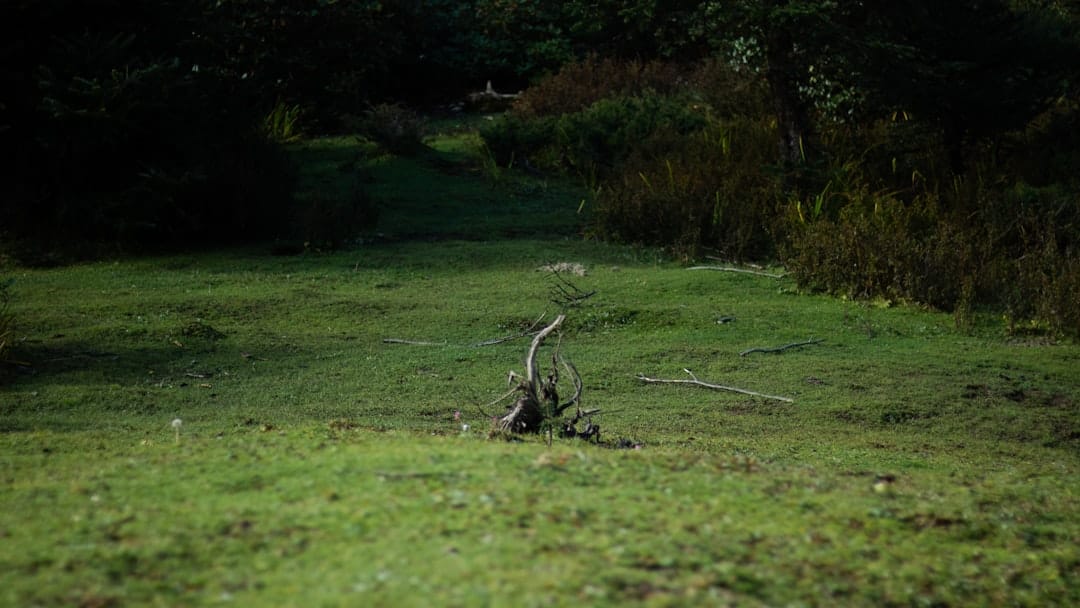
Creek edges come alive at first light. Birdsong builds, and activity peaks before the heat:
- Watch for great blue herons, prothonotary warblers, red-shouldered hawks, wood ducks, and barred owls.
- Move slowly, scan ahead, and avoid sudden shoreline movements that spook birds.
- Use binoculars to ID before shooting; you’ll get better framing without flushing.
For regional ID help and trip inspiration, see Audubon’s birding resources and check traveler feedback on Tripadvisor.
6) Use a Simple Photo Playbook for Keeper Shots
- Golden hours: Soft sidelight along the creek adds depth to bird and landscape shots.
- Lenses: 300–600mm for birds; 24–70mm for camp and river scenes.
- Settings: Start at 1/2000s f/6.3–f/8 for birds-in-flight; auto ISO capped ~3200 on crop sensors.
- Stabilize: Lean on trees, use a monopod, or shoot from a kayak with a low center of gravity.
- Learn more: Bird Photography for Beginners and Ontario Wildlife Photography Guide.
7) Respect Wildlife and Keep Camps Scent-Neutral
- Never feed wildlife; it changes behavior and attracts raccoons to your site.
- Store food in sealed bins; clean grills immediately after use.
- Give snakes space; watch for sunning on warm trail edges.
- Keep dogs leashed where required and away from nesting areas.
8) Make Fires by the Book and Cook Efficiently
- Buy local firewood to avoid pests; verify fire status onsite.
- Use a collapsible grill grate or a two-burner stove when rain threatens.
- Pack a fireproof mat if using a portable pit; bury no coals.
- Keep water and a shovel nearby; follow posted quiet hours.
9) Create a Family-Friendly Flow
- Morning: Shallow sandbar splash, minnow nets, scavenger hunt on the trail.
- Afternoon: Tubing or a short paddle; naps during peak heat.
- Evening: S’mores, simple constellations tour, and a quiet story time.
Tip: Assign clear camp jobs (water, fire, trash) to keep kids engaged and safe.
10) Chase Dark Skies on Clear, Moonless Nights
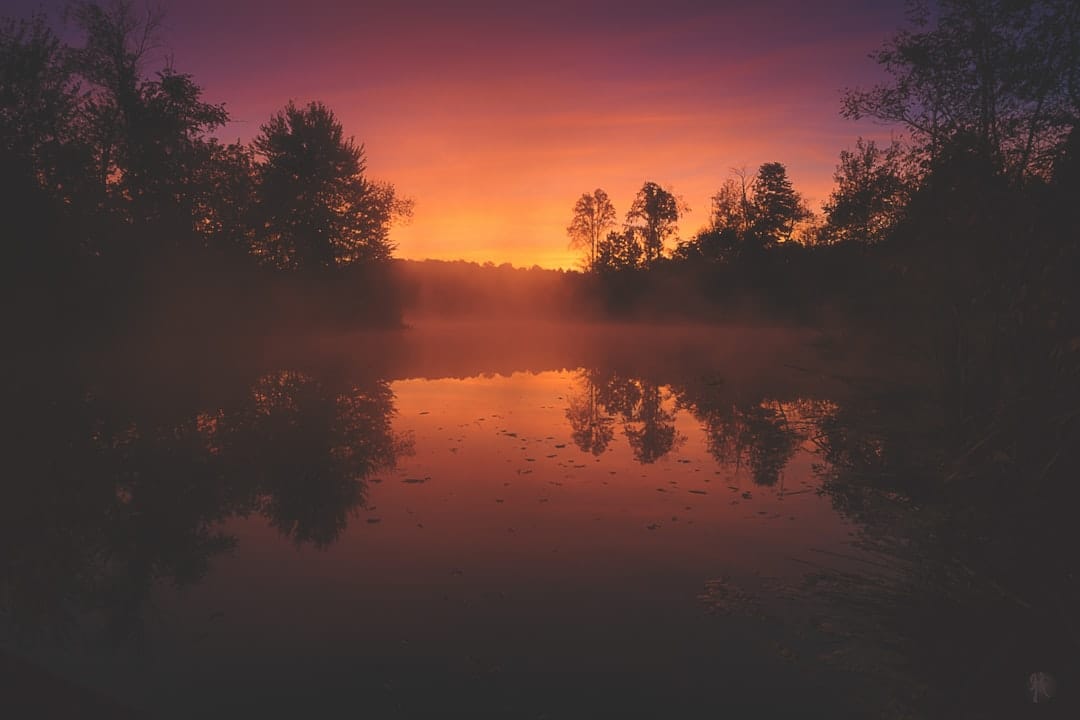
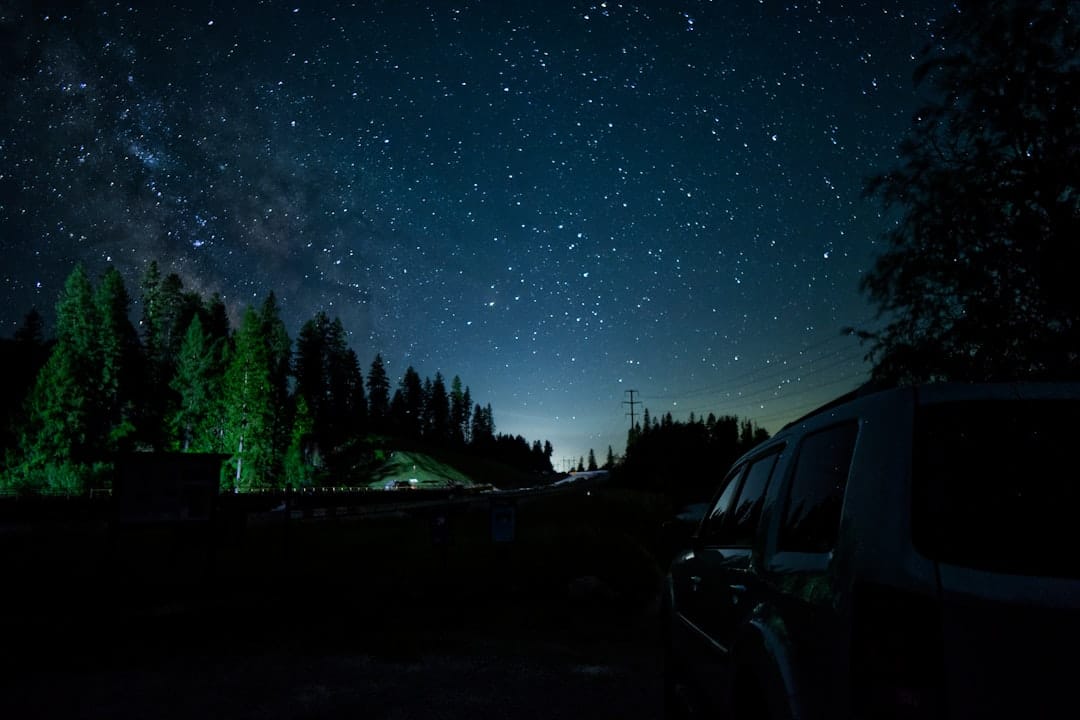
The reserve’s lightly developed setting can offer rewarding night-sky views after lights-out. On a clear, new-moon weekend, you may glimpse the Milky Way from open fields or the creek bank.
Astro quick wins:
- Scout composition by day; avoid branches intruding on the sky.
- Red headlamp only; keep campsite light pollution minimal.
- Start: 20–25 seconds, f/2.8–f/4, ISO 3200–6400; tripod mandatory.
- Learn more with National Geographic’s night-sky photography tips.
11) Have a Weather and Downtime Plan
- Storm backup: Board games, cards, and a protected tarp area.
- Nearby diversions: Cafés and local eateries in Atmore; Gulf beaches are a doable day trip.
- Rest day: Nature journaling, macro photography, or hammock reads.
12) Leave No Trace Along a Sensitive Creek
- Stay off fragile banks; use established entries to prevent erosion.
- Pack out all trash and micro-trash (fishing line, wrappers, bread ties).
- Use tree-friendly hammock straps (at least 1 inch wide).
- Keep noise low after dusk—wildlife relies on night soundscapes.
Top Things to Do at Magnolia Branch Wildlife Reserve
- Kayak or tube Big Escambia Creek at golden hour.
- Photograph wading birds and riparian landscapes.
- Swim and picnic at sandy banks with easy access.
- Hike short wooded trails to listen for owls and woodpeckers.
- Fish for warmwater species where permitted; follow posted regulations.
Supporting research and inspiration:
- Alabama’s official travel portal for broader trip planning: Alabama Travel
- First-hand reviews and Q&A: Tripadvisor — Magnolia Branch Wildlife Reserve
- Official conditions and reservations: Magnolia Branch Wildlife Reserve
2-Day Ready-Made Itinerary
Day 1
- Arrive by 3 p.m., set up, and walk the loop to scout photo angles.
- Sunset paddle from an easy put-in; watch for herons and wood ducks.
- Dinner early, then stargaze from the open shoreline on a moonless night.
Day 2
- Dawn birding walk along the creek; bring binoculars and a 300mm lens.
- Mid-morning tube float or beginner-friendly kayak.
- Lazy lunch and hammock time; macro photos of leaves, bark, and insects.
- Golden-hour shoreline session; pack up non-essentials before dark.
Optional Day 3
- Half-day paddle; head out before noon while traffic is light.
Practical Notes You’ll Be Glad You Knew
- Pets: Leashed pets are typically allowed—confirm any breed or area restrictions on the official site.
- Fires: Follow posted fire status; only in designated rings or approved pits.
- Quiet hours: Respect posted times; sound travels on still creek nights.
- Connectivity: Cell coverage can be spotty; download offline maps.
- Rentals and shuttles: Availability can vary by season and conditions; call ahead.
- Fees and permits: Check current rates and day-use policies via Magnolia Branch Wildlife Reserve.
For more destination inspiration and skills, explore:
- Best Wildlife Destinations 2025
- Camping Cot Tips for Wildlife Photography
- Bird Photography for Beginners
Nearby Nature Alternatives If Sites Are Full
- Blackwater River State Forest (FL): Classic sand-bottom creeks and pine savanna.
- Conecuh National Forest (AL): Longleaf pine habitats and quiet camps.
- Gulf State Park (AL): Extensive amenities and Gulf-side recreation.
Check official info via state tourism: Alabama Travel.
Responsible Travel and Cultural Respect
Magnolia Branch operates in the homeland of the Poarch Band of Creek Indians. Support local businesses, follow posted land-use rules, and treat the area with care. Your stewardship helps conserve creek habitats for birds, fish, and future campers.
Conclusion
Magnolia Branch rewards campers who plan for water, wildlife, and weather. Choose the right site, pack for heat and storms, rise with the herons, and keep nights dark for stars. With a little prep, your Alabama getaway will feel effortless, photogenic, and deeply restorative.
FAQ
Is Magnolia Branch Wildlife Reserve good for RV camping?
Yes. You’ll find RV-friendly sites with varying hookup options. Book early for weekends and request shaded or pull-through sites if needed. Always confirm current site details and hookups on the official website.
Can you kayak or tube Big Escambia Creek from the campground?
Yes. Conditions vary with rainfall and season. Wear a PFD, check flow and debris with staff, and secure a shuttle or choose an out-and-back paddle if water is swift.
Are pets allowed at Magnolia Branch?
Leashed pets are generally allowed in designated areas. Verify current pet policies, any breed restrictions, and where pets can access the water with the park before arrival.
What’s the best time of year to visit?
Spring and fall deliver comfortable temps, active wildlife, and fewer bugs. Summer is prime for water activities but hotter and busier; winter brings mild weather and quieter loops.