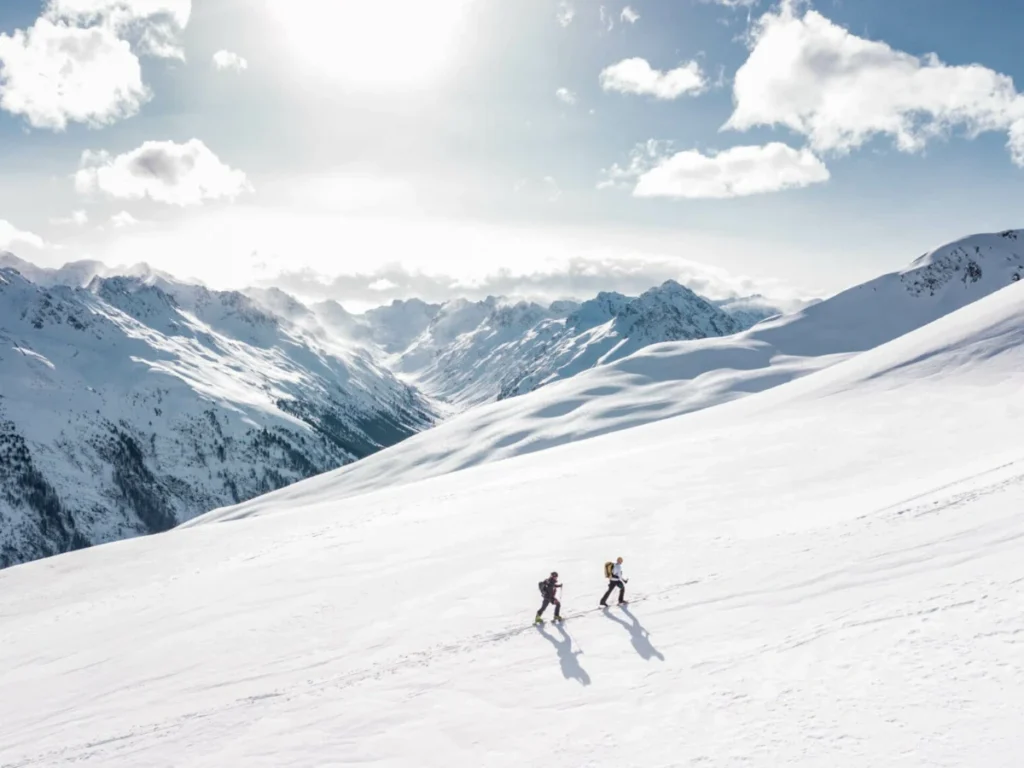
Finding the perfect shot in the wild often feels like chasing a ghost. You spend thousands on gear and travel to remote corners of the globe, only to return with blurry subjects or flat compositions that fail to capture the magic of the moment. This frustration is common among enthusiasts who follow their favorite creators but lack a clear travel channel guide to bridge the gap between amateur snapshots and professional-grade wildlife travel photography.
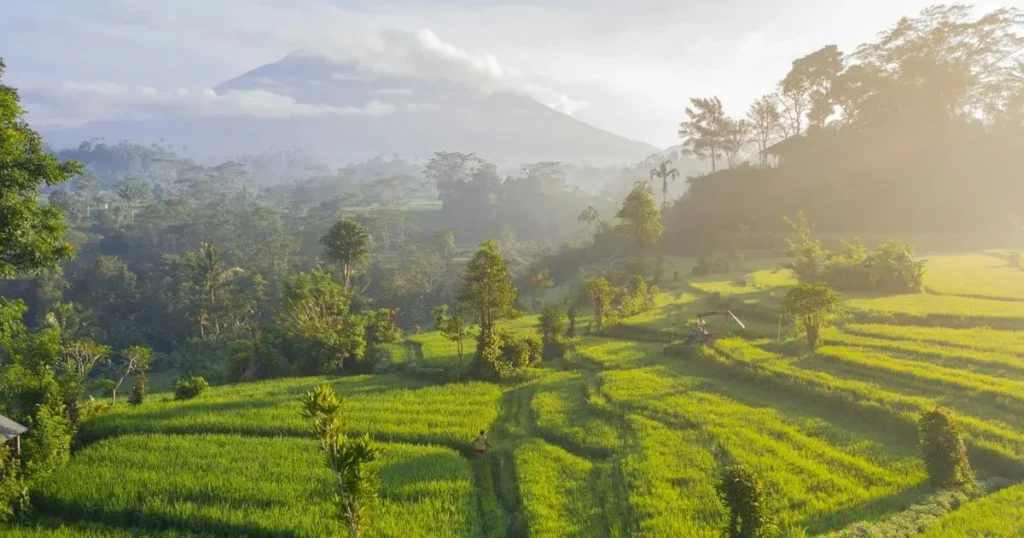
The secret to success lies in preparation and understanding the specific nuances of your destination. Whether you are navigating the dense jungles of Bali or the sprawling savannahs of the Serengeti, having a structured approach to your visual storytelling is essential. By mastering a few core principles, you can transform your portfolio from a collection of “vacation photos” into a compelling narrative that rivals the quality of a top-tier photography travel channel.
Why a Travel Channel Guide is Essential for Modern Photographers
In the digital age, everyone is a content creator, but few are true storytellers. A comprehensive travel channel guide serves as your roadmap, helping you identify the best times for lighting, the specific behaviors of local fauna, and the technical settings required for high-stakes environments. Without a guide, you are essentially gambling with your time and resources, hoping that luck will deliver the perfect frame.
Professional wildlife travel photography requires more than just a fast shutter speed; it demands an intimate knowledge of the ecosystem. By studying the work of industry leaders on the best travel channels, you can learn how to anticipate movement and position yourself for the best possible angle. This proactive approach is what separates the masters from the masses in the world of nature travel.
Mastering Wildlife Travel Photography: Technical Fundamentals
Before you set foot on a plane, you must be intimately familiar with your equipment. Wildlife does not wait for you to fiddle with your aperture or ISO settings. You need to develop a “muscle memory” for your camera so that adjustments become second nature during the heat of a sighting.
- Priority on Shutter Speed: For fast-moving animals, aim for at least 1/1000s to freeze motion.
- Aperture Control: Use a wide aperture (low f-number) to create a beautiful bokeh effect, making your subject “pop” against a blurred background.
- Back-Button Focus: This advanced technique allows you to decouple the focus from the shutter button, giving you more control over tracking moving subjects.
For those just starting, exploring resources like this bird photography for beginners guide can provide the foundational skills needed for more complex expeditions.
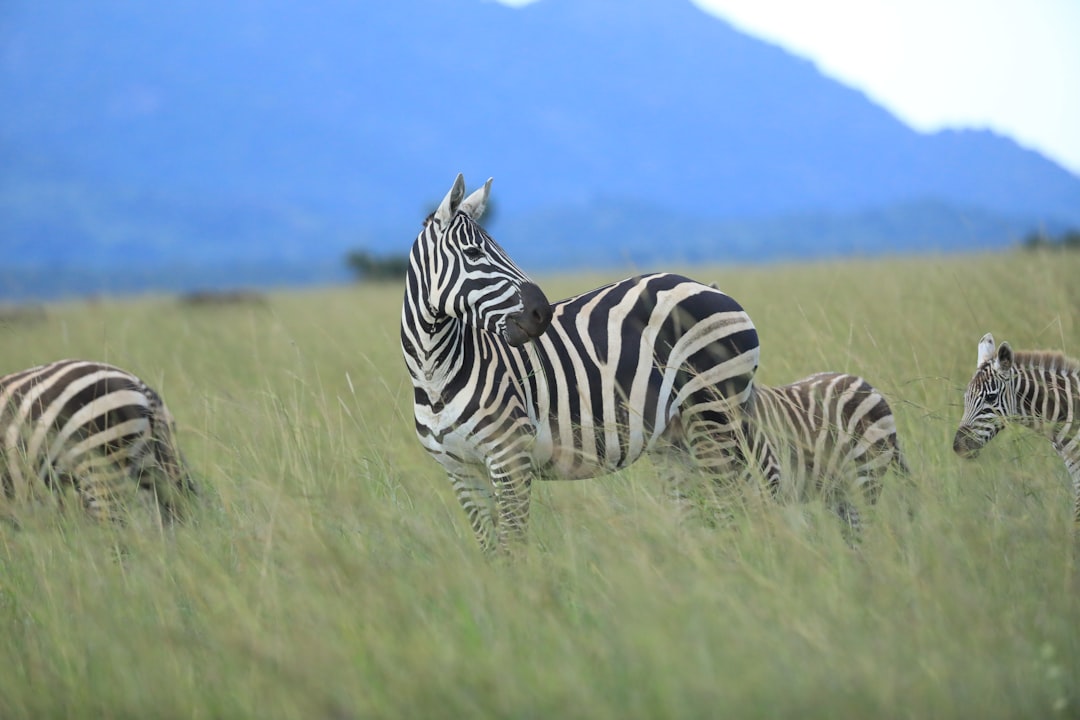
Top Attractions for Global Wildlife Photography
To capture world-class imagery, you need to visit world-class locations. Each continent offers a unique set of challenges and rewards for the dedicated photographer. Here are three premier destinations that should be at the top of any travel guide photography bucket list:
1. The African Savannah (Kenya & Tanzania)
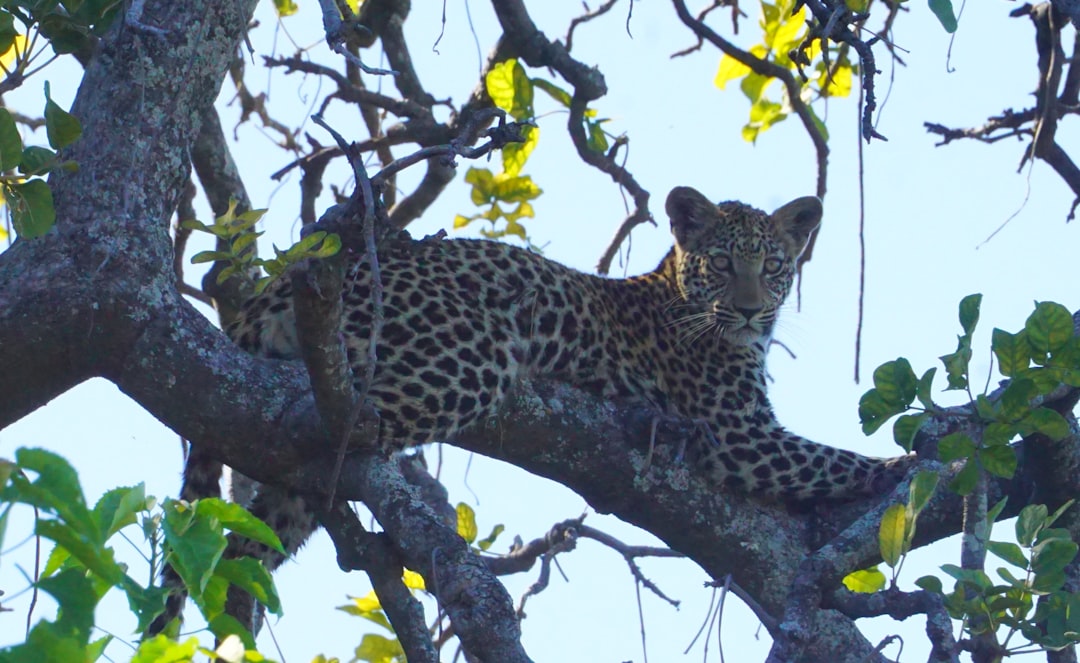
There is no place on Earth quite like the Maasai Mara or the Serengeti. The sheer density of wildlife offers endless opportunities for action shots, from the Great Migration to the silent prowl of a leopard. Mastering a wildlife safari in Africa requires patience and a high-quality telephoto lens.
2. The Tropical Wonders of Bali
While known for its beaches, Bali offers incredible opportunities for macro photography and birdlife. Capturing the vibrant colors of tropical species requires a different set of skills compared to big game photography. If you are planning a trip, check out these best things to do in Bali to find hidden nature gems away from the tourist crowds.
3. The Rugged Landscapes of North America
From the grizzly bears of the Rockies to the elusive lynx in the Northeast, North America is a treasure trove for nature lovers. For a specialized experience, many photographers seek out rare sightings, such as Canada lynx sightings in Vermont, which require immense stealth and local knowledge.
Essential Gear for the Adventure Travel Photographer
Your gear choice can make or break your expedition. While it is tempting to pack every lens you own, mobility is key when navigating difficult terrain. A well-curated safari packing list for photographers should prioritize versatility and durability.
- The Long Zoom: A 100-400mm or 200-600mm lens is the gold standard for wildlife, allowing you to stay at a safe and respectful distance.
- The Wide Angle: For environmental portraits where the landscape is as important as the animal, a 16-35mm lens is indispensable.
- Weather Protection: Rain covers and dust-proof bags are essential, especially in desert or rainforest environments.
- Support Systems: While tripods offer stability, a beanbag or monopod is often more practical for shooting from a vehicle or on the move.
For more information on the latest gear trends and professional reviews, visit National Geographic’s Photography Gear Guide.
Navigating Nature Travel Routes Like a Pro
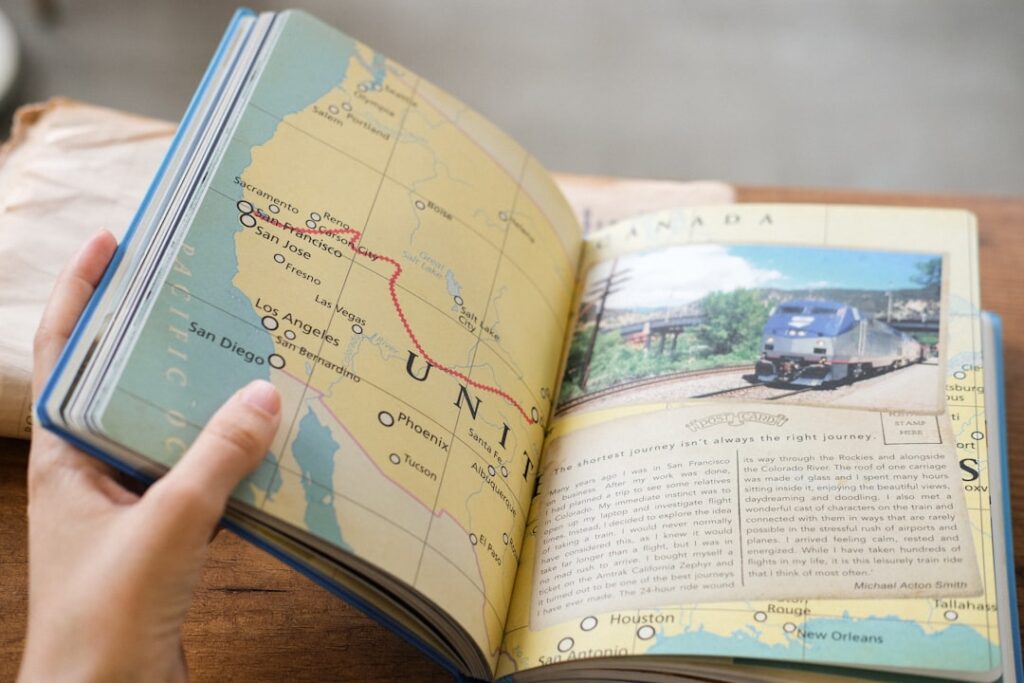
The logistics of a photography trip are often more complex than the photography itself. Planning your nature travel routes involves more than just booking a flight; it requires understanding seasonal migrations, weather patterns, and local regulations.
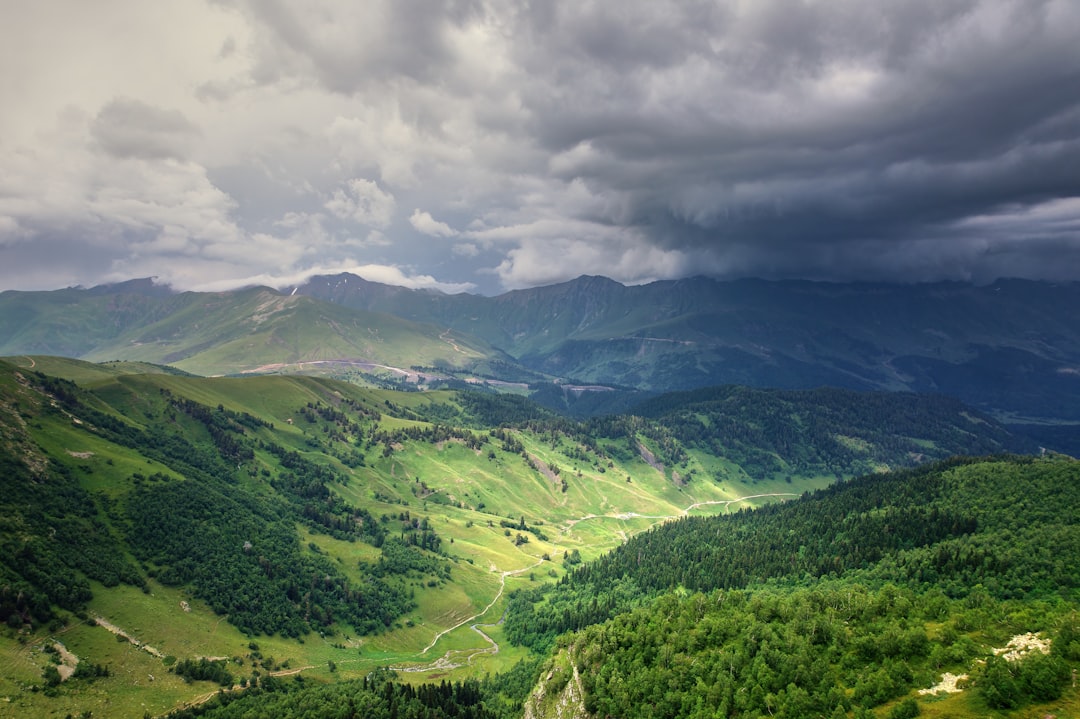
When you are on the road, your vehicle becomes your mobile studio. Whether you are on a self-drive safari or a guided trek, you must organize your space so that your gear is accessible at a moment’s notice. The best adventure travel photography happens in the transition moments—when you are moving between locations and an unexpected encounter occurs.
Many professionals recommend using official resources such as Travel + Leisure to scout for the best logistical hubs and accommodation that cater specifically to photographers and nature enthusiasts.
Ethical Considerations in Wildlife Photography
As a creator, your first priority must always be the welfare of the animals and the environment. No shot is worth distressing a creature or damaging a fragile habitat. Ethical wildlife photography involves:
- Keeping Distance: Never approach an animal close enough to change its behavior.
- No Baiting: Using food to attract animals disrupts their natural diet and creates dangerous dependencies.
- Silence and Stealth: Minimize noise and sudden movements to blend into the environment.
- Support Conservation: Use your platform to highlight the beauty of nature and the importance of preserving it for future generations.
Building Your Own Photography Travel Channel
If you aim to share your journey with the world, consistency is key. A successful photography travel channel isn’t built overnight; it is the result of persistent storytelling and high-quality production.
Start by focusing on a niche—perhaps you specialize in macro insects or high-altitude mammals. By providing a unique perspective and actionable travel photography tips, you can build a loyal audience of fellow enthusiasts. Engagement is also vital; participating in communities like the Tripadvisor Wildlife Forums can help you connect with other travelers and stay updated on the latest destination news.
Conclusion: The Journey is the Reward
Mastering wildlife travel photography is a lifelong pursuit of learning and exploration. While the technical skills and the gear are important, the true value of being a nature photographer lies in the quiet moments spent observing the world’s most magnificent creatures in their natural habitat. By following a structured travel channel guide, you ensure that you are always prepared to capture those fleeting instances of magic.
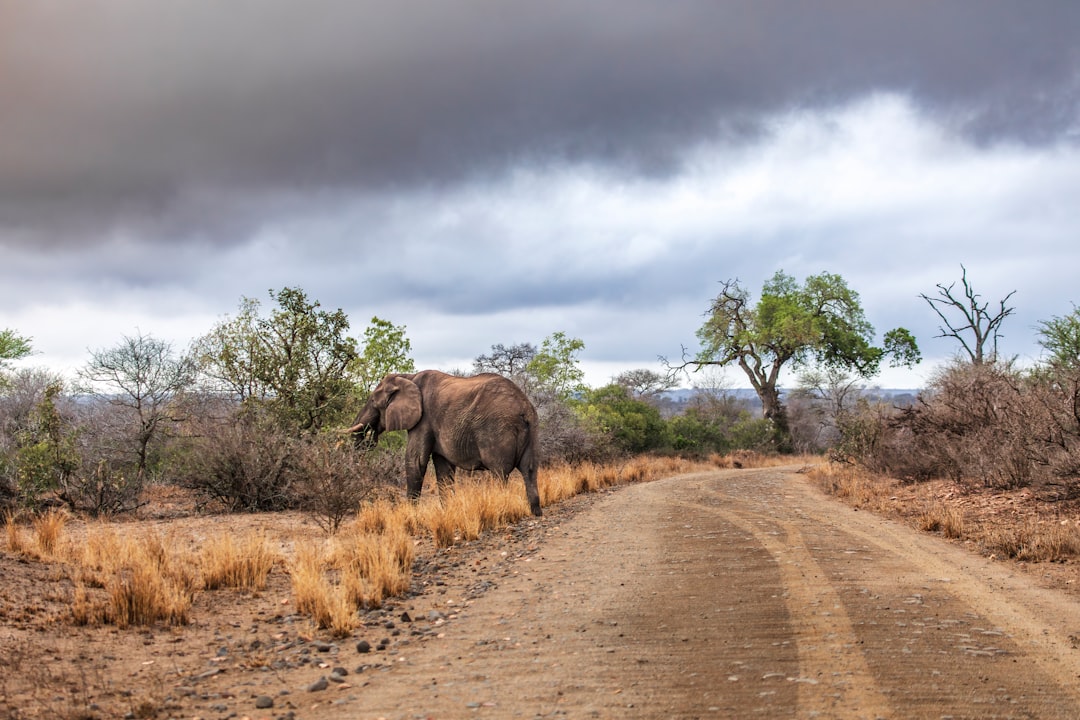
As you embark on your next adventure, remember that the best photos are the ones that tell a story—stories of survival, beauty, and the delicate balance of our planet. Pack your bags, check your settings, and step out into the wild with a clear vision and a respectful heart.
FAQ: Mastering Your Wildlife Travel Skills
What is the best camera for wildlife travel photography?
The best camera is one with a fast autofocus system and a high frame rate (frames per second). Mirrorless cameras from Sony, Canon, and Nikon are currently the industry favorites due to their animal-eye tracking technology and lightweight builds.
How do I find the best nature travel routes?
Researching specialized blogs and official tourism boards is a great start. Additionally, looking at recent sightings on platforms like eBird or local wildlife Facebook groups can help you pinpoint exactly where the animals are during your visit.
What are some essential travel photography tips for beginners?
Start by practicing on local wildlife, like birds or squirrels in your backyard. Learn the “Rule of Thirds” for composition and always shoot during the “Golden Hour” (the hour after sunrise and the hour before sunset) for the most flattering natural light.
Which travel guide photography resources are most reliable?
High-authority sites like National Geographic and specialized travel photography blogs offer the most in-depth technical advice. For logistical planning, official park websites and professional tour operators provide the most accurate seasonal information.