Crisp Vermont dawn. The forest lies silent, except for the crackle of icy twigs beneath your boots. With camera slung and breath steaming, you scan the shadows, knowing you’re in prime territory for one of North America’s most elusive and thrilling encounters: a Canada lynx sighting in Vermont. Yet the reality is sobering—these secretive felines are federally threatened and extremely rare in the state, making every confirmed sighting a coveted wildlife photography accomplishment.
Photographers and nature lovers face daunting odds. Vermont is at the southern edge of the Canada lynx’s range, with only a handful of verified sightings in the last decade. Fast-moving, wary of humans, and reliant on vast, connected tracts of young forest and reliable snowpack, lynx don’t reappear on command. For travelers chasing dream shots—or simply longing for a brush with Vermont’s wildest spirit—the challenge verges on obsession.
But there is hope. New habitat protections, intelligent tracking, and a deepening respect for animal behavior are reshaping what’s possible for wildlife photography in Vermont. With the right approach, gear, and local knowledge, you can boost your chances for that once-in-a-lifetime lynx encounter—and photographic proof.
1. Understand Canada Lynx Patterns in Vermont
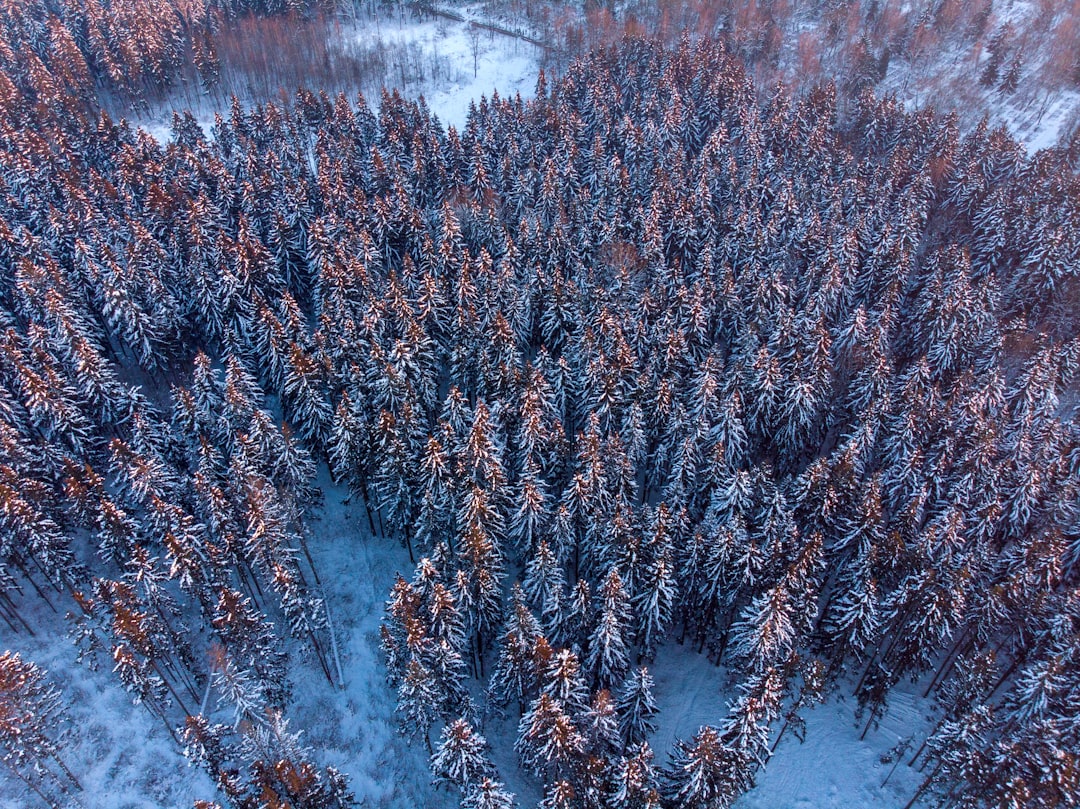
Despite their rarity, Canada lynx are making news in Vermont. Confirmed sightings have surged since 2023, with wildlife biologists tracking a dispersing juvenile male as he traveled from Rutland County up toward Addison County. These long treks are typical for young males searching for unclaimed territory—a phenomenon called “dispersal.” Most credible sightings occur in the Northeast Kingdom, which offers Vermont’s best mix of deep snow, young forest, and abundant snowshoe hares—the lynx’s main prey.
Key lynx habitat features:
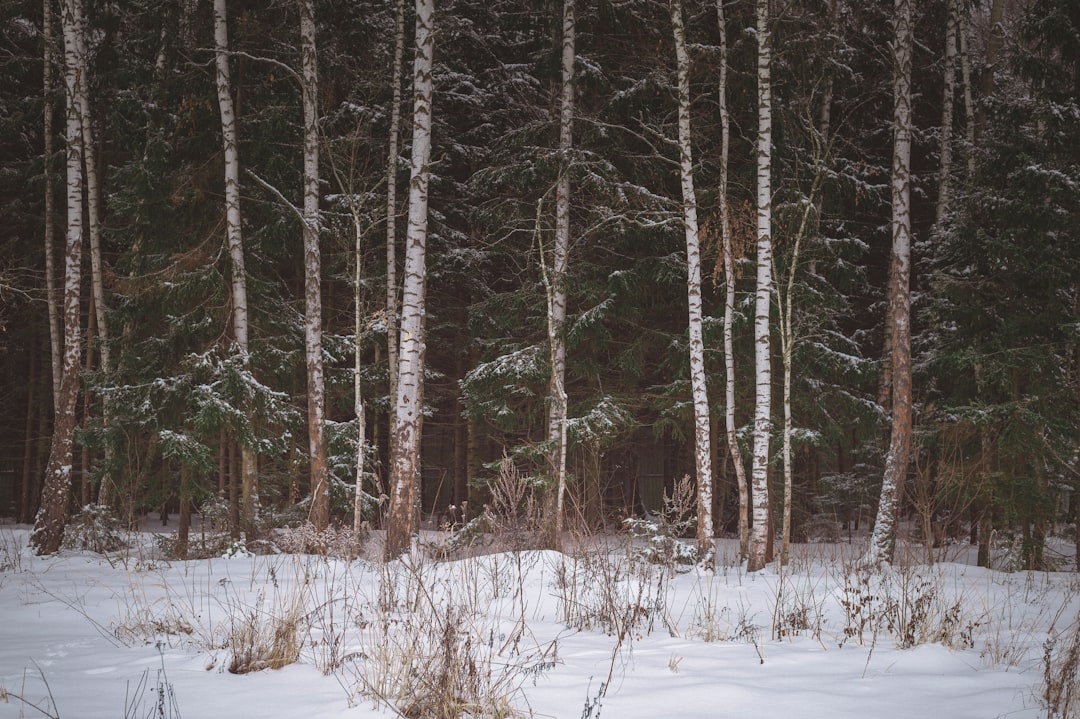
- Dense stands of regenerating spruce and fir
- Reliable late-winter snowpack (higher snow depths limit bobcat competition)
- Quiet, minimally disturbed tracts of public and conserved land
When planning your wildlife photography Vermont adventure, prioritize landscapes with these characteristics. Explore Vermont Fish and Wildlife reports and the Vermont Atlas of Life for real-time lynx observation data.
2. Top Locations for Canada Lynx Sightings
Pinpointing where to see Canada lynx requires research, patience, and respectful tracking. While sightings can happen anywhere north of Rutland, these regions offer the best odds:
- Northeast Kingdom Area: Often the site of confirmed sightings thanks to suitable climate and habitat.
- Addison & Rutland Counties: Recent dispersal routes for lynx, with confirmed tracks and photos since 2023.
- Green Mountain National Forest: Large, wild tracts increase your odds for rare species.
If you’re new to the area, consider hiring a local guide who specializes in animal tracking in Vermont.
Wildlife-friendly travel tips:
- Stay on marked trails to minimize disturbance.
- Hike quietly, scanning for fresh animal tracks.
- Mornings after fresh snowfall reveal the best footprints and feeding signs.
For more destination inspiration, see our Vermont wildlife travel guide and this National Geographic guide to American wildlife photo destinations.
3. Master Animal Tracking for Lynx Photography
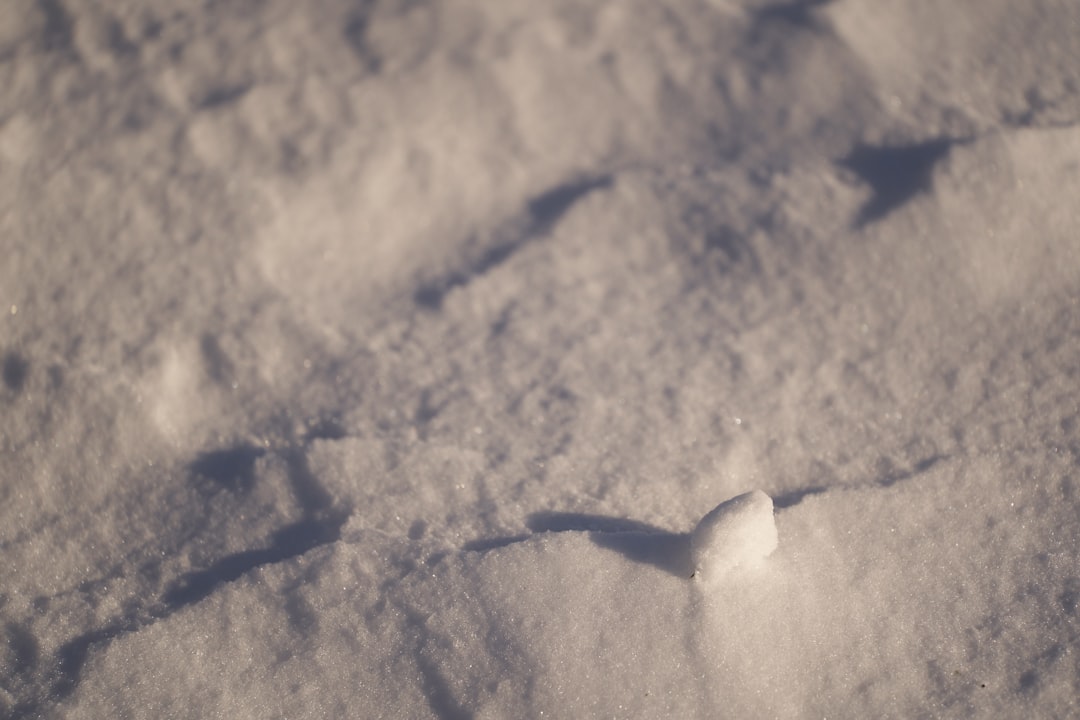
When it comes to wildlife photography Vermont adventurers know that animal tracking is half the fun—and crucial for rare species like lynx. Learn to distinguish between lynx, bobcat, and coyote tracks to avoid false alarms.
How to track lynx in Vermont:
- Look for large, round paw prints—lynx have oversized, snowshoe-like paws with indistinct claw marks.
- Trails often move in straight, purposeful lines through deep forest or across snowy clearings.
- Scan low brush for tufts of silvery-beige fur, scratch marks, or scat.
Best times: Early mornings after overnight snowfalls from December to March deliver the clearest, unspoiled animal signs.
4. Essential Gear for Lynx and Nature Photography in Vermont
Success hinges on the right equipment. For stealth and image quality in challenging Vermont winter conditions:
Recommended wildlife photography kit:
- Camera body with fast autofocus and high ISO performance
- Telephoto lens (300mm minimum; 400-600mm ideal)
- Tripod or monopod for stability in low light
- Camo covers and layered clothing for blending in and staying warm
- Waterproof dry bags, extra batteries, and lens wipes for wet snow
Smartphone shooters: Use Night Mode for low-light forest scenes, and shoot low to capture animal tracks or details.
For pro tips on wildlife-ready gear, see our safari packing list for photographers and camping cot guide for wildlife photography.
5. Ethical Wildlife Photography: Respect, Distance & Reporting
Canada lynx sightings are rare and precious—never endanger the animal for a photo. Wildlife biologists recommend:
- Maintain at least 100 yards distance from any lynx or predatory mammal.
- Avoid calling, baiting, or pursuing lynx.
- Move slowly, speak quietly, and let the animal determine the encounter.
If you’re lucky enough to capture an image, report your sighting to Vermont Fish and Wildlife, or contribute data to community science via iNaturalist. For a broader code of wildlife photo ethics, review Travel + Leisure’s guide to responsible wildlife encounters.
6. Tips and Tricks for Nature Photography in Vermont
Every landscape in Vermont is a canvas for the patient photographer. Even without a lynx encounter, you’ll fill your portfolio with stunning images.
- Scout locations at dawn—soft light and active wildlife.
- Use a polarizer to cut glare on snow and enhance sky contrast.
- Frame animal tracks, frosty trees, and long shadows for mood.
- In fall, rolling hills and sugar maples create unmatched backgrounds.
For top local photo spots, check out Woodstock’s Sleepy Hollow Farm and Bomoseen Lake, as highlighted in our New England fall foliage photo guide.
7. Plan Your Unforgettable Vermont Wildlife Adventure
Organize your trip with these must-do steps for maximum success:
- Time your visit for mid-winter or early spring, when habitat and tracks are most favorable.
- Monitor official wildlife reports and local forums for recent lynx news.
- Pack layered outdoor clothing—Vermont weather shifts fast.
- File travel itineraries with a friend—some lynx areas are remote.
- Consider guided tours or workshops for both animal tracking and nature photography Vermont experiences.
For more on wild travel planning, explore our best wildlife destinations for 2025.
Additional Resources & Inspiration
- Vermont Fish & Wildlife Canada Lynx Updates (Official overview of sightings, guidelines, and reporting)
- U.S. Fish & Wildlife Service: Canada Lynx Information (Detailed species profiles and recovery plans)
- Tripadvisor's Top Vermont Wildlife Experiences (For reviews and guided tour options)
Related Posts You May Enjoy
- Fossil Rim Wildlife Center Photo Tips
- Ontario Wildlife Photography Guide
- Safari Packing List for Photographers
The magic of a Canada lynx sighting in Vermont lies in anticipation—a brush with true wilderness that quickens the pulse and renews your sense of awe. Even if the wildcat eludes you, every trek through Vermont’s forests offers rare light, wildlife encounters, and photo opportunities found nowhere else. Respect the journey, savor the silence, and let your stories inspire future travelers—Vermont’s wild spirit rewards those who come quietly and leave only footprints behind.
FAQ
How rare are Canada lynx sightings in Vermont?
Canada lynx are extremely rare in Vermont, with only a handful of confirmed sightings in the past decade. Most reports come from the northeastern parts of the state, especially the Northeast Kingdom, and usually involve solitary males moving through during winter or early spring.
What does Canada lynx habitat look like in Vermont?
Ideal lynx habitat includes young, dense spruce-fir forests with reliable deep snow and lots of snowshoe hares. The most productive areas for lynx habitat sightings are public forest lands with minimal disturbance, good snow cover, and large tracts of uninterrupted wilderness.
How do I safely photograph wildlife in Vermont?
Always maintain a respectful distance of at least 100 yards from large mammals like lynx. Use zoom lenses, avoid sudden movements, and never bait, call, or chase animals. Report rare sightings to state wildlife agencies and share observations with scientific community projects like Vermont Atlas of Life.
What’s the best season for wildlife and nature photography in Vermont?
Winter and early spring offer the best conditions for animal tracking, with clear prints in new snow, but fall brings sensational landscapes and active wildlife. Mornings and late afternoons provide ideal light and increased animal activity for nature photography enthusiasts.