Introduction: Discover Central Florida’s Best-Kept Wildlife Secret
Are you searching for an exceptional wildlife photography destination that won’t drain your wallet or require extensive travel planning? The
Apopka Wildlife Drive is a hidden gem that transforms your vehicle into a mobile photography studio, offering an 11-mile scenic route through pristine Florida wetlands where wildlife encounters are virtually guaranteed.[1][3] Located just outside Orlando, this free nature drive delivers the kind of biodiversity and photographic opportunities typically found only at premium safari parks or protected reserves—yet it remains one of Central Florida’s most overlooked attractions.Wildlife photography enthusiasts, birdwatchers, and nature lovers consistently rave about the accessibility and abundance of subjects along this one-way drive. Whether you’re a seasoned photographer with professional gear or a smartphone enthusiast capturing moments for social media, the Apopka Wildlife Drive provides an unparalleled opportunity to photograph alligators, herons, eagles, and over 360 bird species in their natural habitat.[2][4]
Why Apopka Wildlife Drive Stands Out Among Florida’s Best Wildlife Drives
The Apopka Wildlife Drive isn’t just another scenic route—it’s a meticulously managed restoration area that has become one of the premier birding destinations in the southeastern United States.[4] What makes this location exceptional for wildlife photography is the combination of accessibility, species diversity, and the structured environment that puts you directly in front of wild animals without the stress of hiking or unpredictable conditions.Unlike traditional safari parks or African wildlife reserves, this drive offers something uniquely Floridian: authentic wetland ecosystems teeming with native and migratory species, all viewable from the comfort of your vehicle. The 10 mph speed limit isn’t a restriction—it’s an advantage for photographers, allowing you to spot subjects, safely pull into designated viewing areas, and capture compelling images without rushed decisions.
9 Epic Reasons to Visit for Wildlife Photography
1. Unmatched Bird Diversity and Rarity
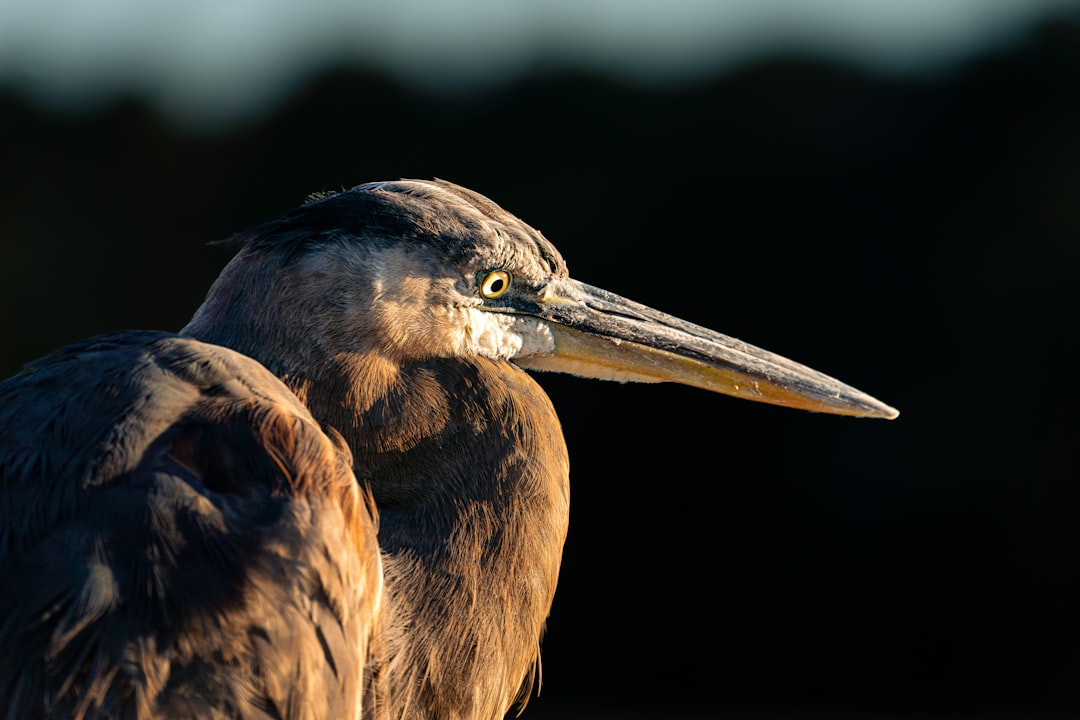
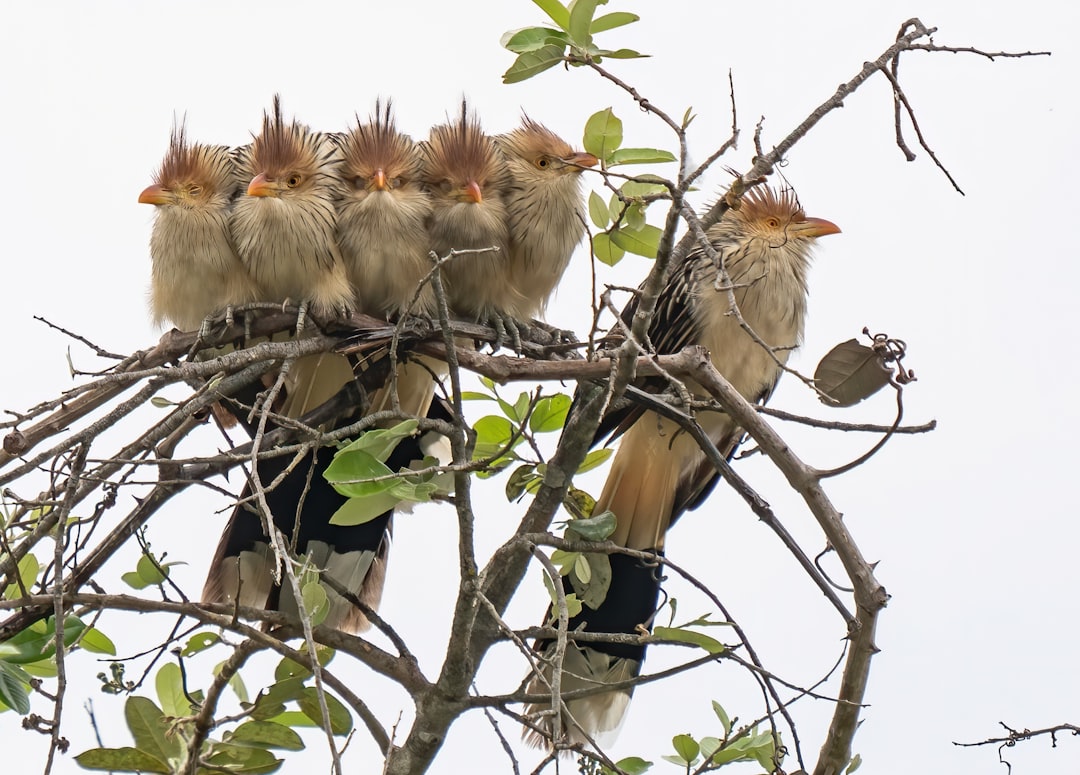
The Apopka Wildlife Drive ranks among the top birding hotspots in the entire nation, with more than 360 bird species documented on the property—exceeding even the famous Everglades in documented bird diversity.[4] This astronomical number includes common species like great blue herons, anhingas, and red-shouldered hawks, alongside rare visitors like Groove-billed Anis, Ash-throated Flycatchers, and the non-native grey-headed swamp hen, which is only found in Florida within the United States.For wildlife photographers, this variety means every visit yields new subjects and fresh photographic angles. Early morning visits are particularly productive, when birds are most active and lighting conditions favor dramatic silhouettes and golden-hour compositions.
2. Abundant Alligator Encounters
If alligator photography is on your bucket list, the Apopka Wildlife Drive delivers in spectacular fashion. Visitors regularly report seeing 30–50+ alligators during a single drive, with some wildlife enthusiasts counting over 50 sightings in one visit.[9] These prehistoric reptiles bask along canal banks, cruise through shallow waters, and provide extraordinary photographic opportunities at safe distances from your vehicle.The consistent presence of alligators throughout the drive means you’ll have multiple chances to capture different behaviors: basking, swimming, and hunting. The 11-mile route ensures you’re never far from your next alligator encounter.
3. Pristine Wetland Landscapes and Scenic Vistas
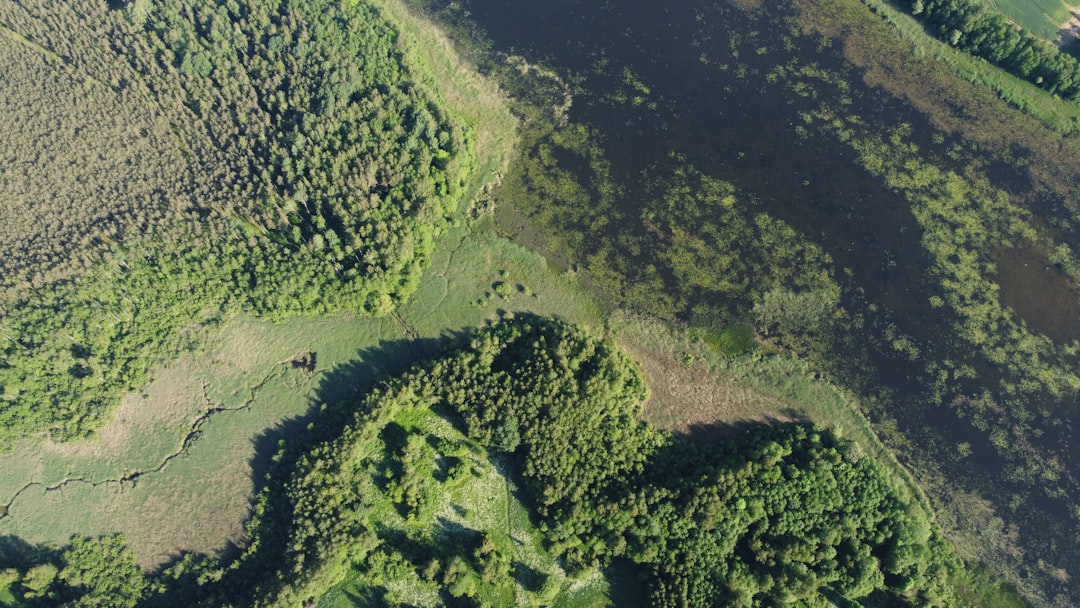
The Apopka Wildlife Drive meanders through restored wetlands that create visually stunning backdrops for photography. Vast expanses of open water dotted with floating vegetation, dense cattail marshes, and narrow canal passages provide compositional variety that keeps your photography fresh and engaging.The landscape transforms as you progress along the drive. The initial sections feature heavy wetland restoration areas, while later portions open onto the expansive Lake Apopka itself, offering panoramic vistas that capture the scale and majesty of Florida’s natural systems.
4. Multiple Designated Viewing and Photography Stops
The drive features strategically placed pulloffs, observation areas, and four observation towers (particularly along the 6-mile Clay Island loop) that serve as perfect photography stations.[2] The Historic Pump House area includes a major parking zone with boardwalks and elevated viewing platforms—ideal for longer photography sessions without leaving your vehicle unnecessarily.These designated stops are thoughtfully positioned along the route where wildlife activity is highest, meaning you’re not guessing where to focus your photographic efforts.
5. Optimal Photography Conditions Year-Round
Florida’s subtropical climate ensures that wildlife remains active throughout the year, though winter months (November–January) attract migratory species that expand your photographic subjects. The consistent water levels maintained by the St. Johns River Water Management District keep animals concentrated in predictable areas, increasing your odds of successful encounters.Unlike northern wildlife destinations with seasonal closures or harsh conditions, the Apopka Wildlife Drive operates every Friday, Saturday, Sunday, and federal holiday from 7 am to 3 pm, with all vehicles required to exit by 5 pm.[3] This schedule accommodates both early-morning and afternoon photography sessions.
6. Access to Rare Florida Species and Endemic Wildlife
Beyond birds and alligators, the Apopka Wildlife Drive provides opportunities to photograph bobcats, river otters, and other mammals that are difficult to capture elsewhere in Florida.[2] The restoration work conducted by the St. Johns River Water Management District has created ideal habitat conditions that support this diverse mammalian community.Photography of river otters and bobcats requires patience and luck, but multiple documented sightings confirm these subjects are present and occasionally visible to observant visitors.
7. Educational Context Enhances Photographic Storytelling
An audio tour system provides contextual information at 11 stops throughout the drive, covering bird populations, water quality history, alligator ecology, agricultural history, and restoration projects.[7] This educational framework transforms your wildlife photography from simple documentation into compelling visual storytelling that communicates the ecological importance and restoration success of Lake Apopka.Understanding the “why” behind what you’re photographing elevates your images from pretty pictures to meaningful environmental documentation.
8. Completely Free Access with Minimal Planning
The Apopka Wildlife Drive charges absolutely no entry fee, making it one of the most accessible wildlife photography destinations in Florida.[3] This eliminates the financial barrier that often limits photography opportunities and allows you to visit multiple times without guilt or budget concerns.The free access also means you can experiment with different times of day, weather conditions, and photography techniques without expensive consequences.
9. Short Distance from Orlando and Major Population Centers
Located at 2850 Lust Road in Apopka, the wildlife drive sits just 30–40 minutes from downtown Orlando, making it an ideal addition to Florida vacations or a weekend excursion for Central Florida residents.[1] This proximity eliminates the multi-hour driving commitments required for more remote wildlife destinations, yet delivers world-class photography opportunities.
What to Expect During Your Visit
Operating Hours and Logistics
The gates open at 7 am and close at 3 pm on Fridays, Saturdays, Sundays, and federal holidays.[3] All vehicles must exit by 5 pm. The drive is one-way only—once you commit to entering at Lust Road, you must complete the entire 11-mile route to Jones Avenue. There are no exit points along the way, so plan accordingly.
Time Allocation and Photography Strategy
The drive typically takes 1–3 hours depending on how many stops you make and your photography pace.[11] For serious wildlife photographers, allocate 2–3 hours to fully explore the route, make multiple stops at productive areas, and capture diverse subjects. The 10 mph speed limit naturally enforces this leisurely pace.
Pro photography tips for Apopka Wildlife Drive:- Arrive by 7:30 am to capture early morning light and peak wildlife activity
- Position yourself at the Historic Pump House pulloff during midday when other visitors are less active
- Scout the first mile during your initial visit to identify productive photography zones for future sessions
- Bring polarizing filters to reduce water glare and enhance sky contrast
- Use a telephoto lens (200–400mm) to maintain safe distance from alligators while filling the frame
Essential Gear and Preparation
Bring binoculars for wildlife identification, a camera with telephoto capabilities, and protective gear including sunscreen and insect repellent. Portable toilets are available at several locations along the drive, though amenities are minimal beyond that.[5]Water is essential during Florida’s hot months. Pack several liters along with snacks for sustenance during your 2–3 hour visit. A field guide or birding app will help you identify species and understand behavior.
If you love the Apopka Wildlife Drive experience, explore these similarly compelling wildlife photography locations:
External Resources for Trip Planning
For comprehensive visit planning and additional information, consult these authoritative resources:
Photography Composition and Technique Considerations
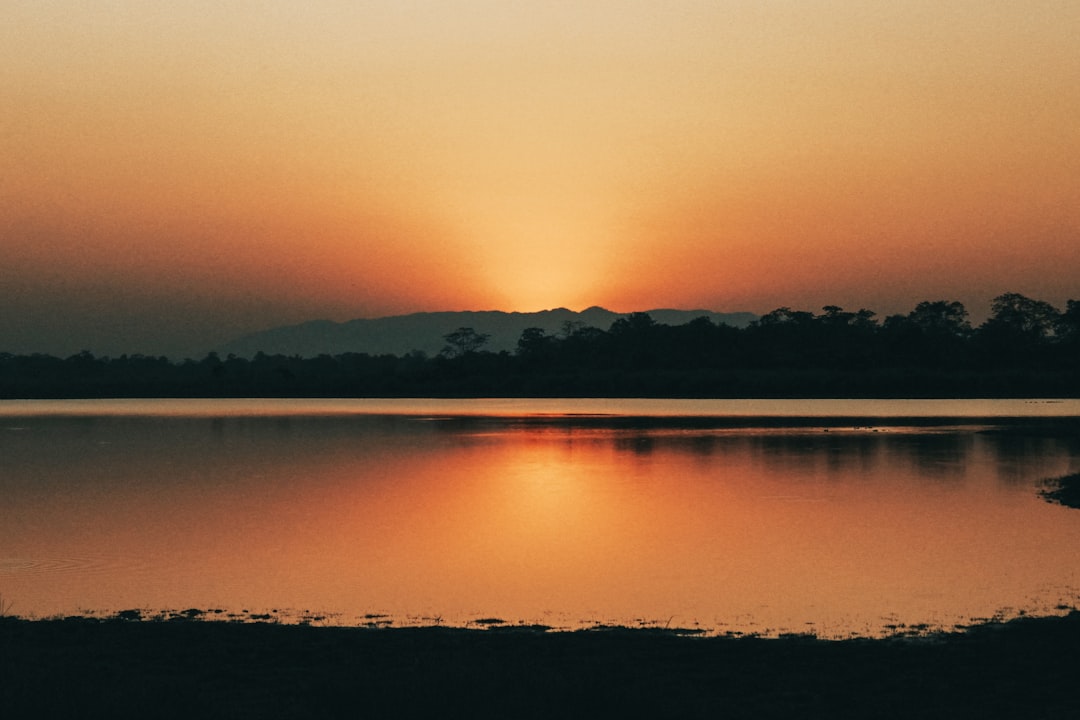
The environmental conditions at Apopka Wildlife Drive present both opportunities and challenges for wildlife photographers. The flat landscape means horizons often dominate your frame—use this to your advantage by composing images where sky, water, and vegetation create distinct layers.Backlighting during late afternoon creates spectacular silhouettes of wading birds and tree snags. The shallow water allows you to capture animal reflections, adding visual interest and emphasizing the aquatic environment. Overcast conditions, common in Florida afternoons, provide soft, even lighting ideal for minimizing harsh shadows on animal subjects.
Conservation and Responsible Wildlife Photography
The Apopka Wildlife Drive is part of an active restoration project transforming Lake Apopka from Florida’s most polluted large lake into a thriving ecosystem.[7] When photographing here, you’re documenting a genuine conservation success story. Maintain appropriate distances from all wildlife, never feed animals, and stay within designated areas to protect sensitive habitat restoration work.Your photography can become a conservation tool—sharing images that highlight the ecological recovery of Lake Apopka educates others about restoration possibilities and environmental stewardship.
Peak Seasons and Visitor Patterns
Winter months (December–February) attract the highest concentration of migratory birds and the largest number of visiting photographers. Spring migration (March–April) brings waves of warblers and shorebirds. Fall (September–November) offers smaller crowds and pleasant weather. Summer (June–August) is hot and humid but features breeding behavior and young wildlife.Weekday visits (when available) during non-holiday periods tend to be quieter, offering more solitude for photography and wildlife observation.
Conclusion: Your Next Wildlife Photography Adventure Awaits
The Apopka Wildlife Drive represents an extraordinary opportunity to experience world-class wildlife photography without expensive travel, entrance fees, or extensive planning complications. With over 360 bird species, abundant alligators, rare mammals, and pristine wetland landscapes, this 11-mile scenic drive delivers on its promise of authentic Florida wildlife encounters.Whether you’re capturing your first wildlife images or refining a professional portfolio, the Apopka Wildlife Drive offers the accessibility, diversity, and natural beauty that make memorable photography possible. The combination of optimal conditions, strategic viewing areas, and robust wildlife populations creates an environment where both novice and experienced photographers can achieve compelling results.Plan your visit for a Friday, Saturday, or Sunday morning, arrive with curiosity and patience, and prepare to witness Florida’s natural heritage in one of its most spectacular settings.
Frequently Asked Questions
What is the best time of day to visit Apopka Wildlife Drive for wildlife photography?
Early morning (7–9 am) offers the best wildlife activity, optimal lighting conditions, and fewer visitors. Animals are most active during cooler hours, and the low sun angle creates dramatic shadows and golden-light photography opportunities. Afternoon visits remain productive but feature harsher midday light and more tourist traffic.
Do I need professional camera equipment to photograph at Apopka Wildlife Drive?
No. While telephoto lenses enhance your ability to capture distant subjects, modern smartphone cameras produce excellent results for many wildlife subjects, particularly larger animals like alligators and herons. Many visitors successfully photograph their entire visit using smartphone devices and portable tripods.
Are there dining facilities or restrooms along the Apopka Wildlife Drive?
The drive features portable toilets at multiple locations and a major facility at the Historic Pump House, but no dining options. Pack water, snacks, and lunch from Apopka or nearby areas. Plan accordingly for a 2–3 hour visit without external amenities.
Can I bike or walk the Apopka Wildlife Drive?
Yes. The route permits bicycles and pedestrians, particularly during hours when the vehicle drive is closed. A quarter-mile dirt road leads to a trailhead parking area with a portable toilet, serving as a walking/biking access point when the drive operates only for vehicles (7 am–3 pm Friday–Sunday and holidays).