
Seeking the ultimate adventure for wildlife lovers, nature photographers, and Pacific Northwest trekkers? Wildlife trek WA isn’t just a keyword—it’s your entryway into a world of misty forests, towering mountains, and intimate encounters with elk, eagles, otters, and more. Yet, whether you’re planning your first Washington wildlife tour or looking for new wildlife photography spots in the state, discovering where biodiversity, accessibility, and breathtaking scenery meet can be frustrating. Iconic wildlife sights can feel elusive, and the best trails and seasons often seem known only to locals or seasoned guides.
What if your next trek delivered a front-row seat to Roosevelt elk in lush valleys, bald eagles fishing above ancient rivers, and spring wildflowers nudging the trails beneath snowfields? This guide uncovers the seven most epic wildlife treks in Washington, blending expert tips for Pacific Northwest trekking, prime wildlife spots, and Washington travel photography inspiration—so you don’t just visit, you experience. Let’s journey into wild Washington, where every hike becomes a story and every photo, a memory.
Why Choose Washington for Your Next Wildlife Trek?
Washington’s unique geography—spanning rain-drenched temperate forests, craggy mountains, wetlands, and Pacific coastline—means incredible biodiversity. Here, every region offers a different encounter:
- Olympic Peninsula: Enchanting rainforests, Roosevelt elk herds, and moss-draped trees.
- Cascade Mountains: Marmots, mountain goats, bears, and stunning alpine wildflowers.
- Columbia Basin & Eastern WA: Waterfowl-rich wetlands, moose, and wide-open skies.
Whether you’re a trekking beginner or expert wildlife photographer, Washington delivers year-round spectacle for lovers of wild places.
7 Epic Wildlife Treks in WA
1. Olympic National Park: Hoh Rain Forest & Rialto Beach
Olympic National Park tops every list for Washington wildlife tours. Trek beneath ancient Sitka spruce and Douglas-fir, with Roosevelt elk grazing quietly in the dappled light. Traverse the Hoh River Trail for multi-day adventures—keep an eye out for black bears along salmon-rich streams.
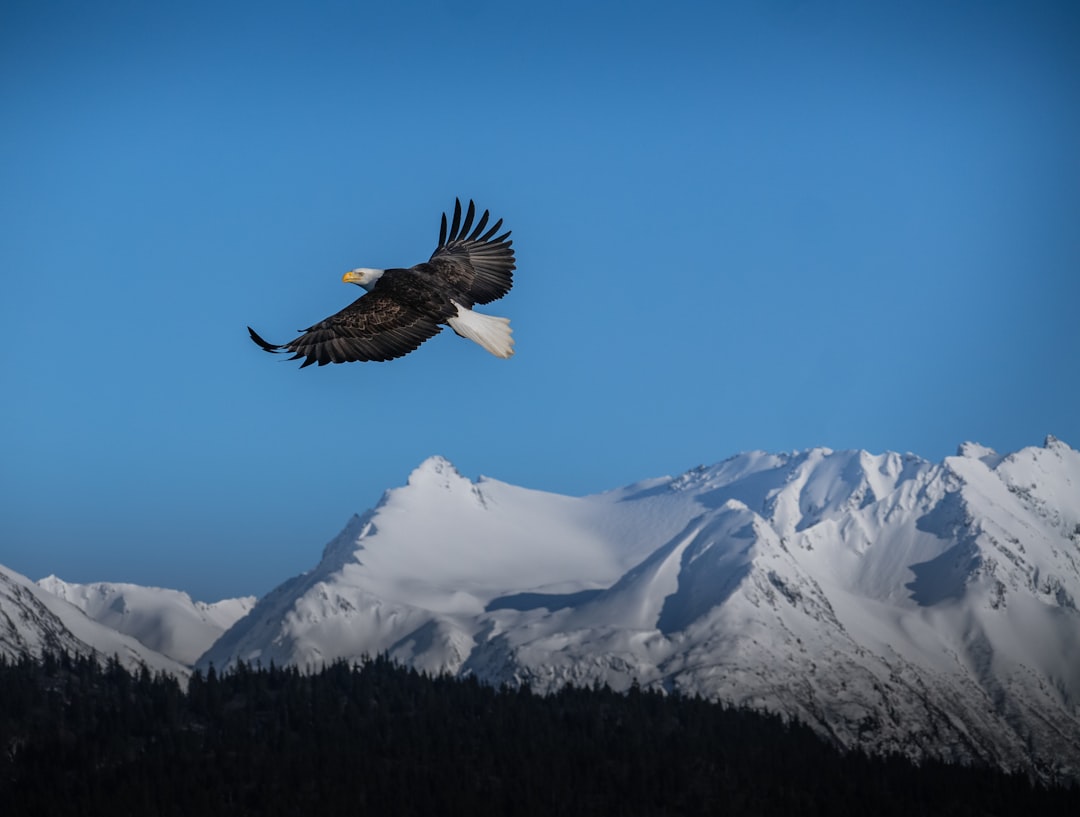
At Rialto Beach, eagles soar above tide pools alive with harbor seals and sea otters. Bring a wide-angle lens for misty forest shots, and a telephoto for elk and eagles.
When to visit: Spring through fall (elk calving in May–June; best light for WA wildlife photography in September)[4].
Quick tip: Morning treks increase likelihood of spotting wildlife before trails get busy.
Internal Pick: For tips on candid wildlife photography, try our Fossil Rim Wildlife Center Photo Tips.
2. North Cascades National Park: Diablo Lake & Cascade Pass
Called the “American Alps” for good reason, the North Cascades deliver iconic vistas and quiet wildlife sightings. The easy hike around Diablo Lake stuns with turquoise water, while Cascade Pass and Sahale Arm offer encounters with mountain goats, marmots, and—rarely—black bears.
Key wildlife: Pikas, marmots, golden eagles, black bears.
Best time: July–September for snow-free trails and wildflowers[4].
3. Turnbull National Wildlife Refuge: Scablands & Marshland Trails
Located just south of Spokane, this refuge features lakes, channeled scablands, and mixed forest perfect for spotting moose, elk, trumpeter swans, otters, and more. Hike the 5.5-mile auto route or the Columbia Plateau Trail for the best sightings[3]. Sunrise and sunset are prime times for waterfowl photography.
Getting there: Park at the visitor center, follow the boardwalks for interpretive signs and the highest wildlife density.
Photography tip: Bring both telephoto and macro lenses—deer, swans, and unexpected flower encounters await.
4. Mount Rainier National Park: Paradise & Sunrise Trails
Perhaps Washington’s most photographed park, Mount Rainier offers close encounters with deer, marmots, mountain goats, and even black bears against fields of wildflowers and roaring waterfalls[4]. Paradise and Sunrise areas have the richest wildlife and most accessible trails.
- Best wildlife spots: Marmots at Sunrise, deer and elk around Paradise meadows.
- Best time: July–August for wildflowers, autumn for rutting elk.
5. San Juan Islands: Orcas, Bald Eagles & Marine Life
Hop a ferry for Washington’s most spectacular wildlife-by-the-sea. Moran State Park on Orcas Island is famous for both panoramic mountain views and forest-dwelling deer. Coastal trails offer regular sightings of orcas, ospreys, seals, and more[4].
Don’t miss: Lime Kiln Point State Park for whale watching, best in late spring to early fall for orca pods.
Pro tip: Use tide charts for the best chances of seeing both tide pool life and marine mammals.
6. Columbia National Wildlife Refuge: Crab Creek & Dunes
Home to over 200 bird species, sandhill cranes, river otters, deer, and coyotes, Columbia National Wildlife Refuge is a birdwatcher’s dream[3]. Hike the Crab Creek Trail for rolling dunes, emerald lakes, and wide-open spaces—ideal for landscape and wildlife photogs.
Best seasons: Spring and fall migrations.
External Resource: U.S. Fish & Wildlife Service: Columbia National Wildlife Refuge
7. Little Pend Oreille National Wildlife Refuge: Mill Butte Trail
Nestled in the Selkirk Range, Mill Butte’s ponderosa pine grasslands yield glimpses of moose, black bears, pine martens, hawks, and abundant songbirds[3]. The 4.5-mile loop is less-trafficked, giving patient trekkers and nature photographers a true sense of wilderness.
Top sighting season: Late spring for birdlife; fall for migrating raptors.
Essential WA Wildlife Photography & Trekking Tips
- Be Patient: Wildlife follows its own schedule. Dawn and dusk offer the best lighting and animal activity.
- Tread Quietly: Move slowly, speak softly, and leave no trace.
- Pack the Right Gear:
- Telephoto lens (200mm+)
- Weather-proof clothing
- Lightweight tripod for sunrise/starlit shots
For a detailed photography packing guide, see our Safari Packing List for Photographers.
Respect Closures: Sensitive wildlife areas, especially for breeding birds (like the Kiwa Trail and Dungeness), may have seasonal trail closures for protection.
Know the Seasons:
| Season | Key Wildlife |
|——–|————–|
| Spring | Sandhill cranes, elk calves, songbirds |
| Summer | Deer, marmots, wildflowers, orcas |
| Fall | Migrating birds, elk rut, salmon runs |
| Winter | Bald eagles (Upper Skagit River), swans |
For additional inspiration, browse Best Places for Nature Photography in Washington State.
Quick-Start List: Top Wildlife Trek Spots in WA
- Olympic National Park (Hoh Rain Forest, Rialto Beach)
- Mount Rainier National Park (Paradise, Sunrise)
- North Cascades National Park (Cascade Pass, Diablo Lake)
- San Juan Islands (Moran State Park, Lime Kiln Point)
- Turnbull National Wildlife Refuge
- Columbia National Wildlife Refuge
- Little Pend Oreille National Wildlife Refuge
Planning Your Wildlife Trek WA: Visitor Essentials
- Permits & Fees: All national and state parks require passes—plan ahead with a National Parks pass or Discover Pass for state lands.
- Guided Tours: Local operators offer Washington wildlife tours with expert guides—especially valuable for birding and big mammal sightings.
- Trip Insurance: Weather can change rapidly. Always check forecasts and trail conditions before you go.
For extra value, get campground and destination inspiration at The Ultimate Guide to Camping in Peru’s Stunning Natural Landscapes and compare with other Top 10 Wildlife Destinations Worldwide.
Interested in guided birdwatching? The reputable Naturalist Journeys: Washington State Birding Tours offer small-group treks led by expert local guides.
Must-Have Experiences: More Than Just Wildlife
- Sunrise on Hurricane Ridge: Early light paints clouds over Olympic National Park.
- Salmon runs in fall: Watch eagles hunt along Skagit and Nisqually rivers.
- Whale-watching ferries: San Juan Islands and Puget Sound are legendary among marine biologists and casual observers alike.
- Photographer hot spots: Try Mount Rainier’s wildflower meadows for classic postcard shots; explore Deception Pass State Park for forest, coastline, and macro marine life opportunities.
Insider Tips for WA Wildlife Photographers
- Bring extra batteries and lens cloths—the region’s humidity and cold can sap equipment.
- Research animal behavior patterns to predict where and when you’ll get your shot.
- For easy bird photography, consult our Bird Photography for Beginners: Bosque del Apache—many tips apply directly in WA refuges or state parks.
Sustainable Trekking: Leave No Trace
Wildlife trekking makes you a steward for the wild. Follow best practices:
- Remove all waste
- Stay on marked trails
- Use ethical photography techniques—never bait or disturb animals
- Report rare species to rangers
For eco-camp and simple comfort while photographing, see our guide to Camping Cot Wildlife Photography.
External Resources for Further Planning
- Washington State Tourism: Wildlife Refuges Guide
- National Park Service: Washington National Parks
- Tripadvisor: Top Wildlife & Nature Tours in WA
Conclusion
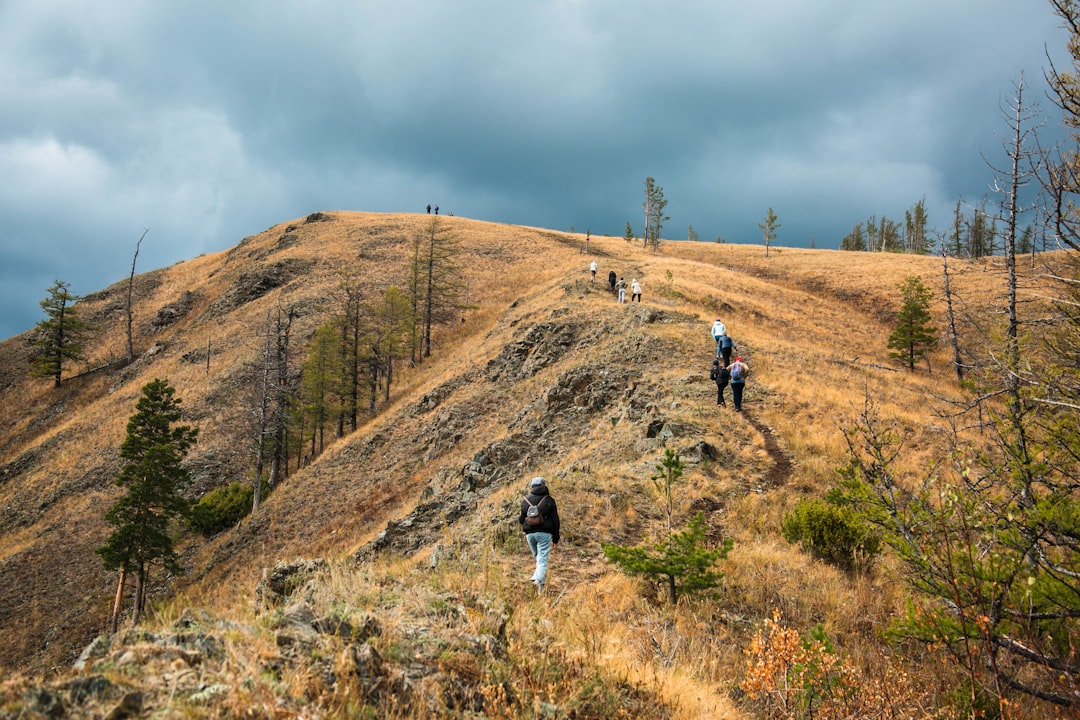
Washington’s wild landscapes invite you to do more than spectate—here, you trek, discover, and reconnect. Every walk is an opportunity for rare sightings, breathtaking images, and the kind of memories you’ll share for years. Whether you crave a peaceful rainforest amble or a weeks-long adventure in the “American Alps,” epic Pacific Northwest trekking and photography are waiting in WA. Ready to chase wildlife moments? Share your favorite trek or photo tip below, and start planning your next wild journey today.
FAQ
What is the best season for wildlife trekking in Washington?
Spring and fall are optimal for wildlife diversity—spring brings migratory birds and elk calves, while fall features rutting elk, salmon runs, and spectacular foliage. Summer offers wildflowers, longer days, and high-country hiking.
Which Washington hike guarantees the most wildlife sightings?
No trek can “guarantee” sightings, but the Turnbull National Wildlife Refuge, Mount Rainier’s Sunrise, and Olympic National Park’s Hoh Rain Forest have exceptionally high concentrations of mammals and birds. Early morning and dusk are best.
Can beginners try wildlife trekking in WA?
Absolutely. Many trails, like those at Nisqually Wildlife Refuge and Dungeness National Wildlife Refuge, are flat and well-marked, ideal for families or new trekkers interested in Pacific Northwest wildlife.
Do I need a permit for wildlife photography in state and national parks?
For personal use, you only need a Discover Pass (state parks) or National Park Pass; commercial shoots may require special permits. Always check park rules before your trip.
Ready for more wild adventures? Explore Best Wildlife Destinations for 2025 for your next photo-filled escape.