Planning a trip to the Great Plains often feels like staring at an endless horizon of possibilities, yet many travelers struggle to narrow down a route that captures the true essence of the frontier. Without a focused plan, it is easy to spend more time behind the windshield than standing in front of world-class monuments or tracking prehistoric-looking wildlife. Missing the golden hour in the Badlands or the quiet majesty of the Black Hills can turn a dream vacation into a series of missed opportunities.
This comprehensive south dakota travel guide is designed to solve that problem, providing a strategic roadmap to the state’s most iconic landscapes and hidden treasures. Whether you are a photographer seeking the perfect light or a family looking for a rugged adventure, this guide ensures you experience the best of the Mount Rushmore State. We will dive deep into the geology, wildlife, and history that make this destination a staple of American travel.
The Badlands: A Geologic Masterpiece
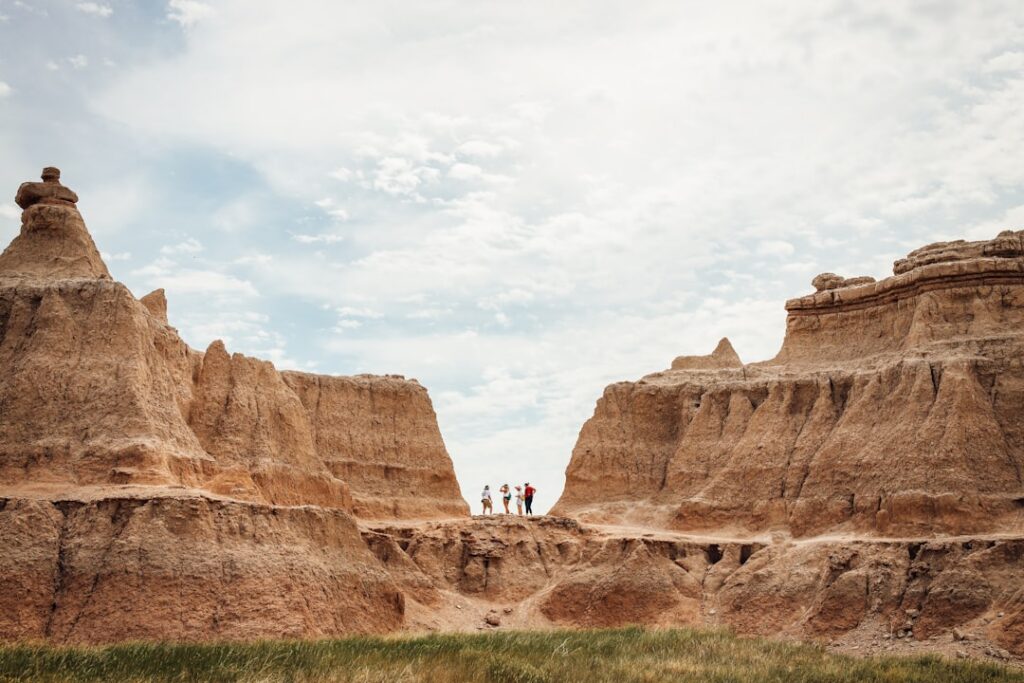
The Badlands National Park is often the first stop for those entering from the east, and it serves as a dramatic introduction to the state’s diversity. These eroded buttes and pinnacles create a lunar landscape that feels entirely disconnected from the surrounding prairies. The park is a haven for hikers and geologists alike, offering a window into millions of years of sedimentary history.
To make the most of your visit, focus on the Badlands Loop Road (Highway 240), which offers numerous overlooks. For those who want to get their boots dusty, several trails provide intimate access to the formations. If you enjoy long-distance driving through unique terrain, you might find the vistas here as captivating as those on a Texas Hill Country road trip.
Top Trails in Badlands National Park:
- The Notch Trail: A moderate 1.5-mile hike featuring a log ladder and a dramatic view of the White River Valley.
- The Door Trail: An easy accessible boardwalk that leads to a break in the “Wall,” revealing a labyrinth of eroded canyons.
- Castle Trail: The longest trail in the park, stretching 5 miles one way through the heart of the rugged formations.
Custer State Park: Wildlife and Wilderness
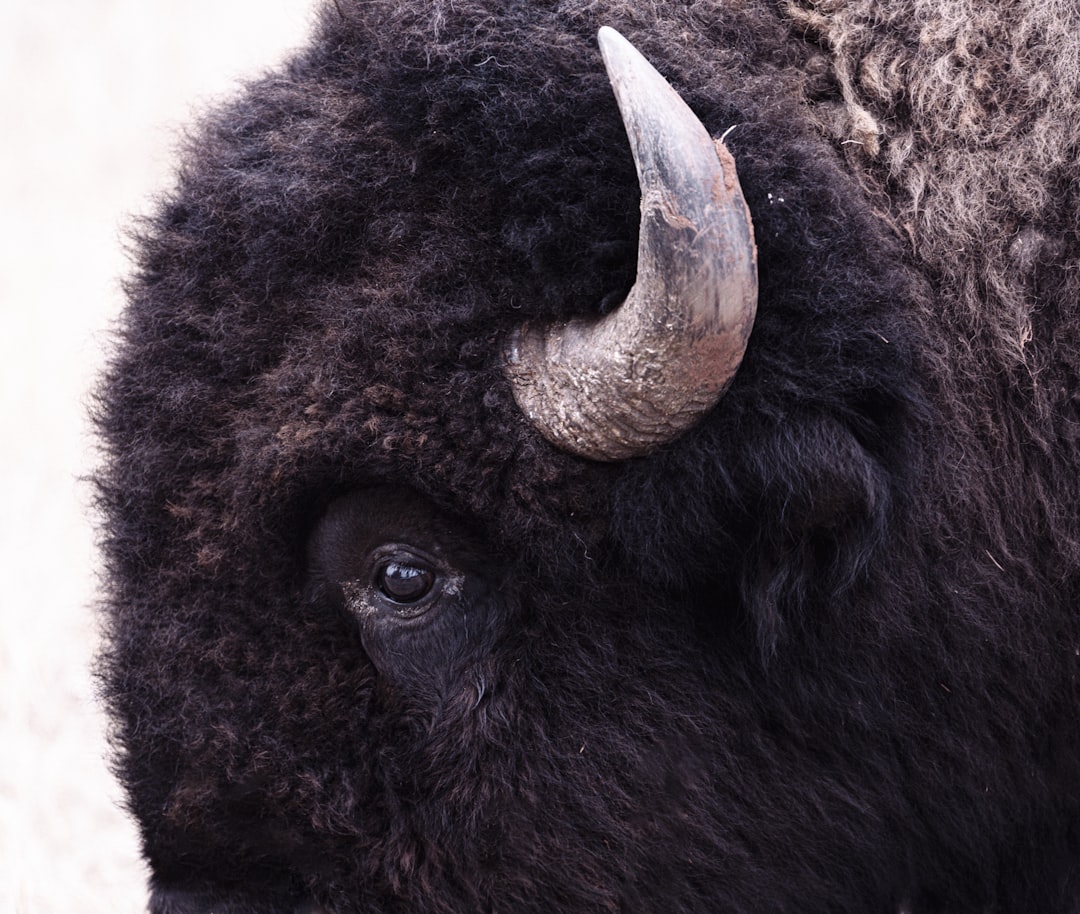
Moving west, the landscape shifts from arid buttes to the lush, pine-covered peaks of Custer State Park. This is arguably the crown jewel of the state’s park system, covering 71,000 acres of diverse habitat. It is home to one of the world’s largest publicly owned bison herds, which often stops traffic along the Wildlife Loop Road.
The wildlife encounters here are visceral and frequent. Beyond the bison, you can expect to see pronghorn antelope, elk, mountain goats, and the famous “begging burros” who have learned to solicit snacks from passing cars. For those planning to document these animals, checking a safari packing list for photographers is essential to ensure you have the right long-range glass.
Iconic Monuments: Mount Rushmore and Crazy Horse
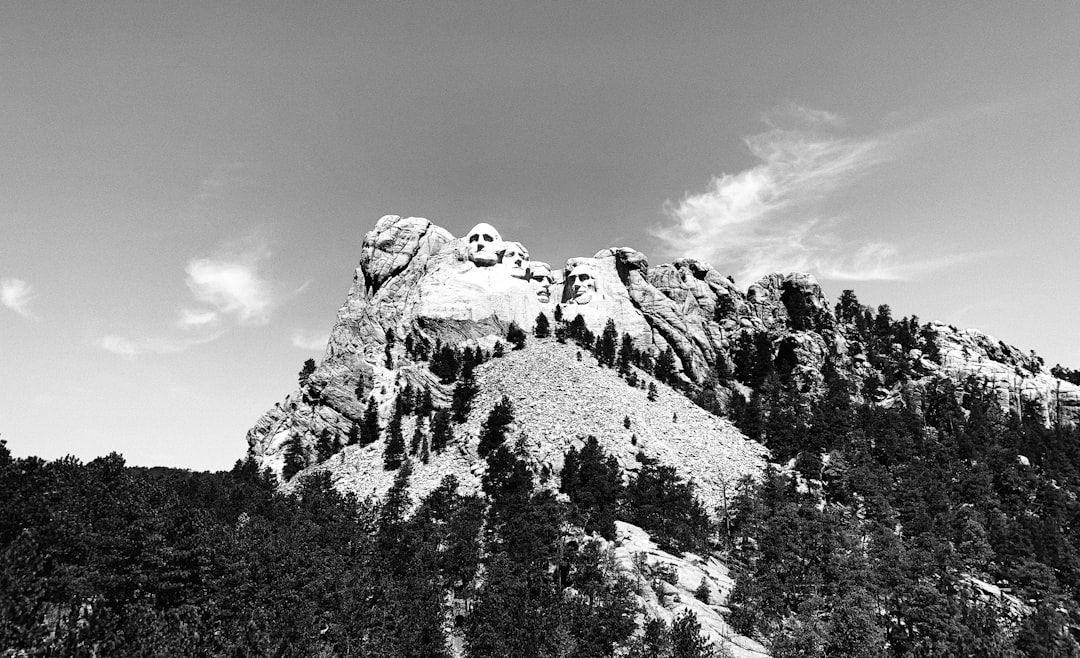
No south dakota travel guide would be complete without mentioning the massive carvings that define the Black Hills skyline. Mount Rushmore National Memorial is a feat of engineering and artistry, depicting four U.S. presidents. While the view from the Grandview Terrace is iconic, the Presidential Trail offers a closer look at the base of the mountain and the sculpting debris left behind.
Just a short drive away lies the Crazy Horse Memorial, an ongoing project that is even more ambitious in scale. This monument honors the legendary Lakota warrior and serves as a cultural center for Native American history. Visitors can learn about the complex heritage of the region and the spiritual significance of the Paha Sapa (Black Hills) to the Indigenous people.
Spearfish Canyon and the Northern Black Hills
For those seeking water and deep forest, Spearfish Canyon is an absolute must-visit. This limestone canyon is significantly older than the Grand Canyon and features towering cliffs draped in ponderosa pine and spruce. It is particularly stunning in the autumn when the aspen and birch trees turn brilliant shades of gold and orange.
The canyon is famous for its waterfalls, which are easily accessible from the main road. Bridal Veil Falls and Roughlock Falls offer excellent opportunities for long-exposure photography. The National Park Service often highlights these types of unique ecosystems for their biodiversity and geological importance.
Must-See Waterfalls in Spearfish Canyon:
- Bridal Veil Falls: Located right along the scenic byway, this 60-foot fall is most impressive in the spring.
- Roughlock Falls: A series of tiered cascades that are perfect for a midday picnic and a short hike.
- Spearfish Falls: Tucked behind the Latchstring Restaurant, this hidden gem offers a powerful drop into a lush basin.
Planning Your Adventure: Timing and Logistics
The best time to visit South Dakota is typically from late May through September. During this window, all seasonal roads and visitor centers are open. However, if you are looking for fewer crowds and don’t mind cooler temperatures, October provides a stunning backdrop of fall foliage and active wildlife preparing for winter.
South Dakota is consistently ranked among the best wildlife destinations 2025 due to its accessibility and the sheer density of large mammals. When driving through these areas, always maintain a safe distance—especially from bison, which can be unpredictable and surprisingly fast. For more detailed travel planning, the Official South Dakota Tourism Website provides excellent resources on current road conditions and local events.
Exploring the Wild West: Deadwood and Lead
To experience the history of the gold rush, head to the town of Deadwood. This entire city is a National Historic Landmark, where you can walk the same streets as Wild Bill Hickok and Calamity Jane. Daily reenactments of famous shootouts and the historic Mount Moriah Cemetery provide a glimpse into the lawless days of the 1870s.
Just up the road is Lead, home to the Sanford Underground Research Facility. This former gold mine now hosts world-class physics experiments deep beneath the earth’s surface. The contrast between the rough-and-tumble history of Deadwood and the cutting-edge science in Lead makes the northern hills a fascinating stop on any itinerary. You can find more inspiration for historic trips via National Geographic Travel.
Essential Tips for the South Dakota Road Tripper
Driving in South Dakota is a pleasure, but it requires preparation. The distances between towns can be significant, particularly in the western half of the state. Always keep your fuel tank topped off and carry a physical map, as cellular service can be spotty in the deep canyons of the Black Hills and the remote stretches of the Badlands.
- Pack Layers: Even in summer, temperatures can drop significantly at night in the higher elevations.
- Stay Hydrated: The air is dry and the sun is intense, especially when hiking at high altitudes.
- Book Early: Accommodations near Mount Rushmore and Custer State Park fill up months in advance for the peak summer season.
- Watch for Motorcycles: If you visit in early August, be prepared for the Sturgis Motorcycle Rally, which brings hundreds of thousands of visitors to the region.
South Dakota is a land of profound contrasts, where scorched earth meets towering pines and modern monuments stand alongside ancient traditions. It is a place that demands you slow down, look closer, and appreciate the raw beauty of the American West. By following this guide, you are not just seeing the sights; you are immersing yourself in a landscape that has inspired explorers and artists for centuries.
FAQ: Common Questions About Visiting South Dakota
When is the best time to see bison in South Dakota?
Bison can be seen year-round in Custer State Park and Badlands National Park. However, the best time for viewing calves (red dogs) is in May and June. For a high-energy experience, the annual Custer State Park Buffalo Roundup takes place in late September.
How many days do I need for a South Dakota road trip?
To see the major highlights including the Badlands, Mount Rushmore, and Custer State Park, we recommend a minimum of 4 to 5 days. If you want to include Spearfish Canyon, Deadwood, and more extensive hiking, a full week is ideal.
Are the Badlands and Black Hills close to each other?
Yes, the Badlands National Park is roughly 60 to 90 minutes east of the Black Hills. Most travelers stay in Rapid City or Custer as a central base to explore both regions over the course of several days.
Is South Dakota a good destination for families?
Absolutely. South Dakota is incredibly family-friendly, offering a mix of educational history, accessible outdoor activities, and unique roadside attractions like Wall Drug and the Corn Palace that keep children engaged during the drive.