Planning a trip to the Golden State can feel overwhelming, given its sheer size and diversity. You might find yourself paralyzed by choice, wondering if you should prioritize the misty redwood forests of the north or the sun-drenched beaches of the south. This california travel guide is designed to eliminate that uncertainty, offering a curated roadmap to the state’s most iconic landscapes and hidden gems.
The Magic of Northern California: Giants and Mist
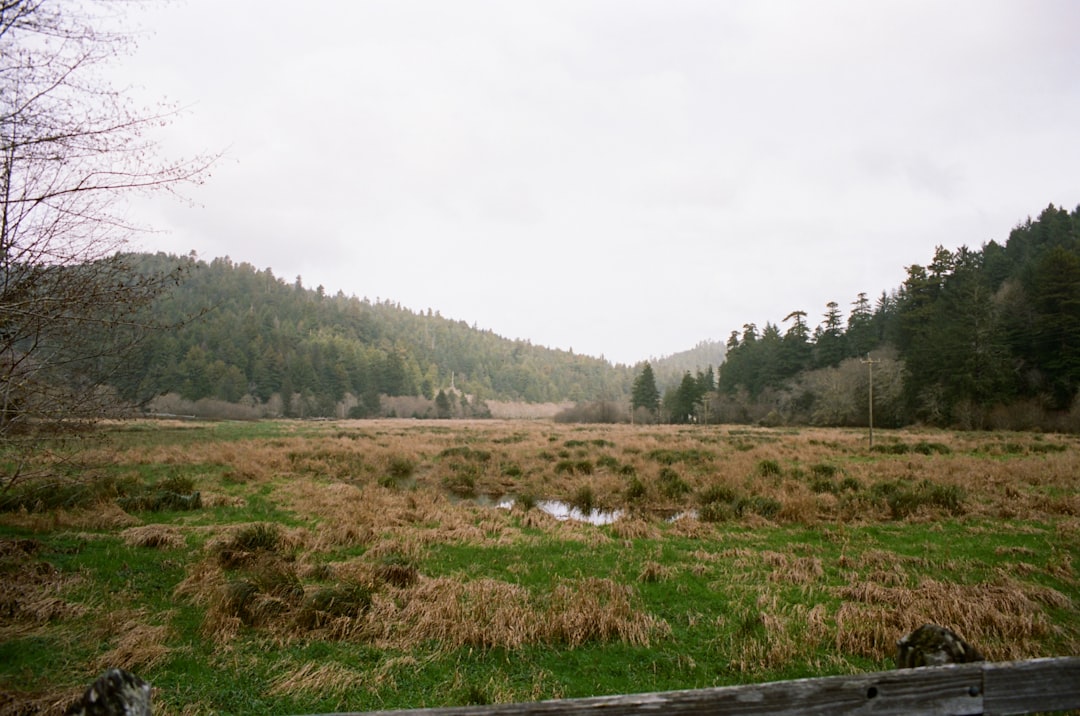
Northern California is a realm of moody coastlines and ancient skyscrapers made of wood and bark. Starting your journey here means embracing a slower pace, where the air is thick with the scent of pine and salt. The Redwood National and State Parks are non-negotiable stops for anyone seeking a connection with nature.
Walking through groves that have stood for over a thousand years provides a perspective that few other places on earth can offer. For those interested in capturing the local fauna, these forests are also home to majestic herds of Roosevelt elk. If you are a fan of wetland environments, you might also enjoy exploring the Don Edwards wildlife photography guide for tips on capturing Northern California’s diverse avian life.
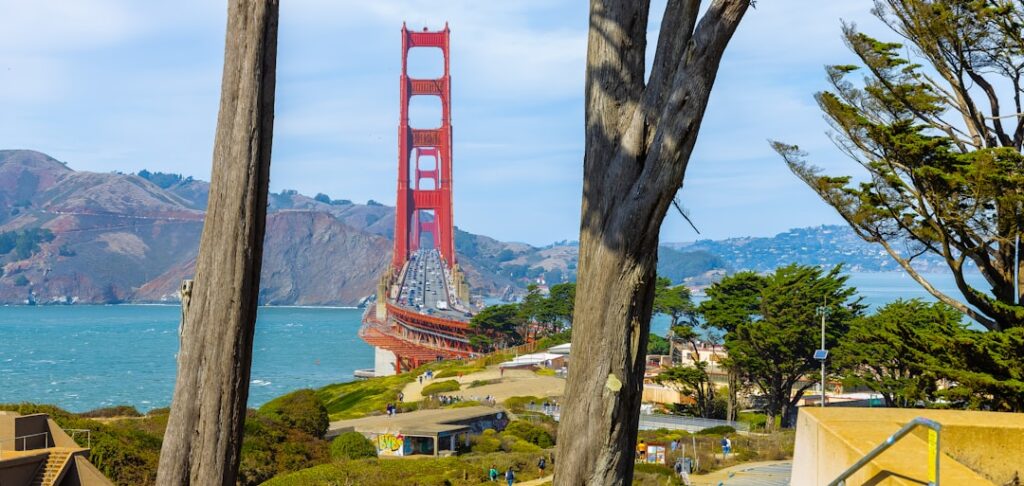
Further south, the San Francisco Bay Area offers a blend of urban sophistication and natural beauty. From the fog-drenched Golden Gate Bridge to the historic streets of Alcatraz, the city is a photographer’s playground. To see a more rugged side of the Bay’s ecosystem, consider a detour to Grizzly Island wildlife photography spots, where tule elk and birds of prey dominate the landscape.
The Central Coast: Where the Mountains Meet the Sea
The drive along Highway 1 is often cited as the most beautiful road trip in the world. As you navigate the winding turns of Big Sur, the Santa Lucia Mountains drop precipitously into the Pacific Ocean. This stretch of coastline requires a focused california travel guide approach because of its seasonal closures and limited cell service.
Top Photography Spots in Big Sur:
- Bixby Creek Bridge: An architectural marvel that serves as the gateway to the Big Sur coast.
- Pfeiffer Beach: Famous for its purple sand and the “keyhole” arch rock that glows at sunset.
- Point Lobos State Natural Reserve: Often called the “crown jewel” of the state park system, perfect for spotting harbor seals.
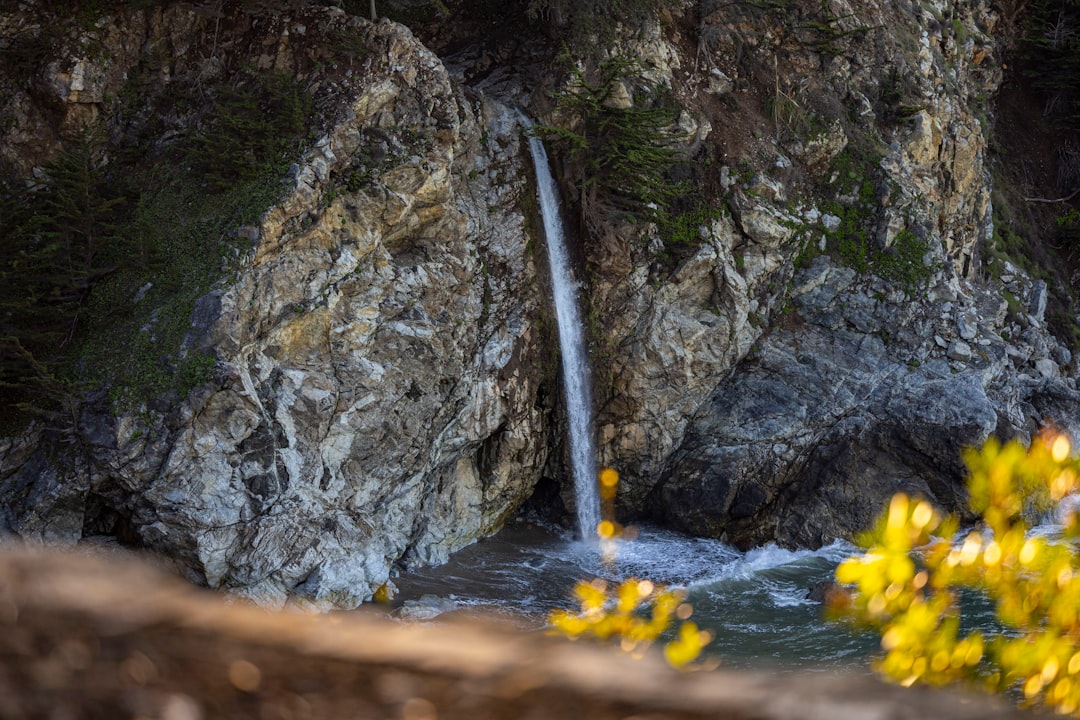
McWay Falls is perhaps the most photographed site in the region, featuring an 80-foot waterfall that cascades directly onto a pristine sandy beach. For more detailed itineraries and local updates, the official Visit California website is an essential resource for real-time travel alerts.
Wildlife Encounters: From Sea Otters to Whales
California’s biodiversity is a primary draw for travelers who prefer binoculars over shopping bags. Monterey Bay is a global hotspot for marine life, thanks to its deep underwater canyon that brings nutrient-rich water close to the shore. Whether you are on a whale-watching boat or kayaking through the kelp forests, the sightings are consistent and spectacular.
The Monterey Bay Aquarium is a world-class institution that provides context for the ecosystem you see outside its windows. However, nothing beats seeing these animals in their natural habitat. Observing sea otters wrapping themselves in kelp to keep from drifting away is a quintessential California experience.
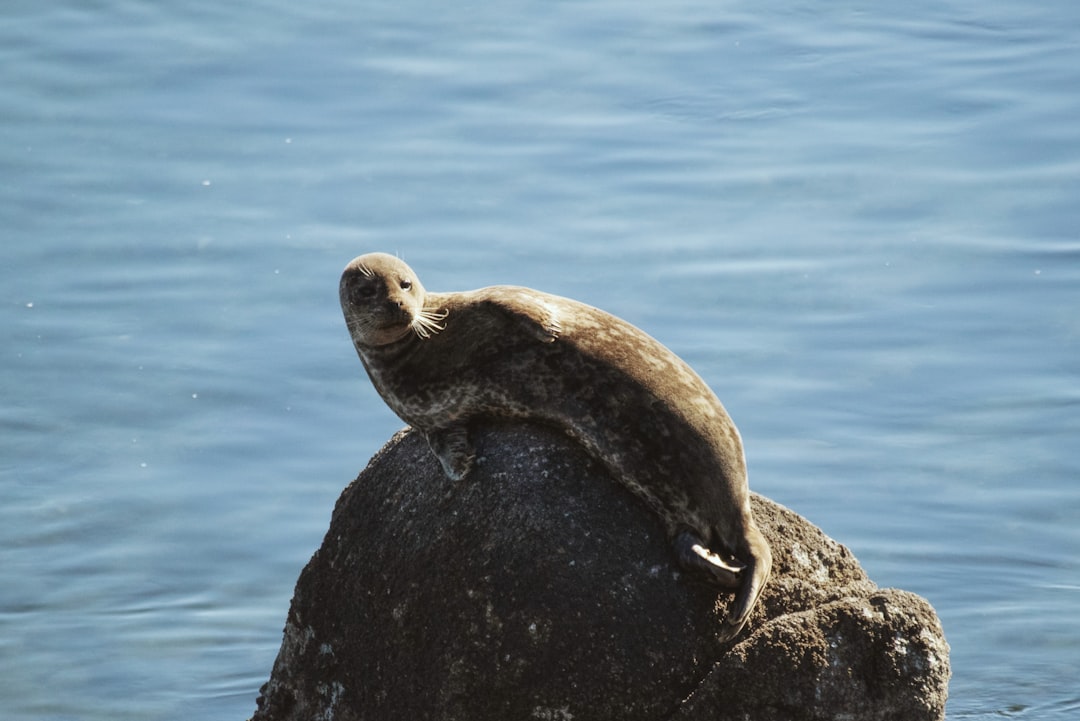
Best Places for Wildlife Viewing:
- Año Nuevo State Park: Famous for the massive elephant seals that pup and mate on its beaches.
- La Jolla Cove: A Southern California staple for seeing California sea lions up close.
- Channel Islands National Park: Known as the “Galápagos of North America” for its endemic species.
High Sierra Adventures: Yosemite and Beyond
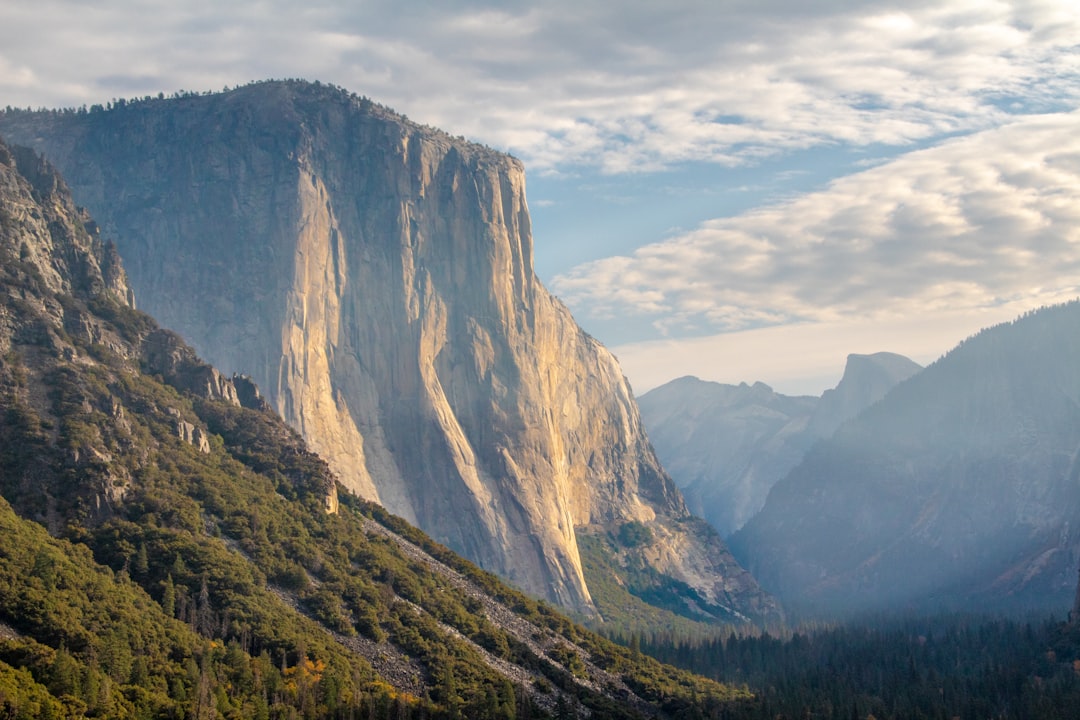
No california travel guide is complete without a deep dive into the High Sierra. Yosemite National Park is the spiritual home of American conservation, immortalized by the lens of Ansel Adams. The valley floor is surrounded by towering granite monoliths like El Capitan and Half Dome, which glow with an ethereal orange light during “firefall” season.
While Yosemite is the star, the surrounding areas offer equally stunning vistas with fewer crowds. To the south, Sequoia and Kings Canyon National Parks house the world’s largest trees by volume. These parks offer a high-altitude escape that feels worlds away from the hustle of Los Angeles.
For those who love the stark beauty of the desert as much as the mountains, the transition from the Sierra Nevada to the arid basins is striking. If you enjoy the light play of the American West, you might find inspiration in our guide to Sedona sunrise spots for similar high-desert photography techniques. For official park regulations and hiking permits, always consult the National Park Service.
Southern California: Sunshine and Urban Culture
Southern California is where the “Golden State” stereotype comes to life. From the palm-lined streets of Beverly Hills to the surf breaks of San Diego, the region is defined by an outdoor lifestyle. Los Angeles offers a dizzying array of cultural institutions, including the Getty Center and the Griffith Observatory.
Further inland, Joshua Tree National Park provides a surreal landscape of twisted trees and giant boulders. It is a premier destination for astrophotography, as the dark desert skies offer a clear view of the Milky Way. For a deep dive into luxury travel and the best hotels in the region, Travel + Leisure provides excellent high-end recommendations.
Key Southern California Experiences:
- Santa Monica Pier: The iconic end-point of Route 66.
- Balboa Park: A cultural oasis in San Diego with stunning Spanish-Renaissance architecture.
- Palm Springs: A mid-century modern mecca surrounded by desert mountains.
Practical Tips for Your California Journey
Navigating California requires careful planning, especially regarding transportation. While cities like San Francisco are walkable and have decent public transit, a car is essential for exploring the National Parks and the coastline. Be prepared for varying microclimates; you can be shivering in the San Francisco fog in the morning and sunbathing in Santa Cruz by the afternoon.
Always book your accommodations and park entries in advance. Yosemite, for example, often requires peak-hour reservations during the summer months. Pack layers, invest in a good pair of hiking boots, and always carry more water than you think you’ll need when heading into the desert regions.
The allure of California lies in its ability to be whatever you need it to be. It is a place of quiet reflection in ancient groves, adrenaline-fueled hikes up granite faces, and sunset drives along the edge of the continent. By following this california travel guide, you are ready to capture the “Golden State Magic” and create a visual story that will last a lifetime.
FAQ: Planning Your California Trip
What is the best time of year to visit California?
The best time depends on your goals. For coastal road trips and beach weather, late spring (May-June) and early fall (September-October) offer the best balance of warm temperatures and clear skies. For skiing in the Sierras, January and February are peak months, while Yosemite’s waterfalls are most impressive in May.
How many days do I need for a California road trip?
To see the highlights of both Northern and Southern California, a minimum of 10 to 14 days is recommended. This allows for three days in San Francisco, two days in Yosemite, three days for the Highway 1 drive, and three days in Los Angeles or San Diego.
Is California expensive for travelers?
California can be expensive, particularly in major cities like San Francisco and Los Angeles. However, costs can be managed by visiting state parks (which are affordable), camping, and eating at local food trucks and farmers’ markets. Fuel and car rentals will likely be your largest expenses.
Do I need a reservation for California National Parks?
Yes, several parks, including Yosemite, have implemented reservation systems during peak seasons to manage crowds. Always check the official National Park Service website at least three to six months in advance to secure entry permits and campsites.