Planning a trip to one of the world’s most famous capitals can feel like an impossible puzzle. With over 2,000 years of history spread across 600 square miles, the sheer volume of choices—from which “must-see” museum to skip to which narrow alleyway holds the best coffee—often leads to traveler’s burnout before you’ve even cleared customs. You want to see the icons, but you also want to feel the pulse of the real city without getting lost in a sea of selfie sticks.
This london travel guide is designed to cut through the noise, providing a streamlined, expert-led roadmap to the city’s most photogenic and culturally rich corners. Whether you are chasing the perfect architectural shot or looking for the quietest corner of a royal park, we have curated the essential experiences that define modern and historic London.
Navigating the Labyrinth: Logistics and Planning
Before you can capture the iconic red buses and soaring glass skyscrapers, you need to understand the mechanics of the city. London is a collection of villages that grew into a metropolis, meaning each borough has a distinct personality. For a first-timer, the Central London core (Zone 1) is where you will spend most of your time, but the true magic often lies just one or two tube stops further out.
Transport in London is remarkably efficient if you know the “contactless” rule. Avoid buying paper tickets; instead, use your smartphone or a contactless bank card to tap in and out of the Underground (the Tube) and buses. This automatically caps your daily spend, ensuring you never pay more than necessary. If you are also planning a trip to other complex regions, much like our Sicily travel guide photography tips, preparation is key to staying mobile.
Essential Planning Checklist:
- Currency: British Pound (£). Most places are now 100% cashless.
- Plug Type: Type G (three-pin).
- Transport: Download the ‘Citymapper’ app for real-time transit updates.
- Weather: Pack layers and a compact umbrella regardless of the forecast.
The Landmarks: Capturing the Heart of London
No london travel guide would be complete without the heavy hitters. Westminster is the political and historical heart of the city. Here, you will find the Houses of Parliament and Big Ben (officially the Elizabeth Tower). For the best photography angle, cross the Westminster Bridge and head down to the Albert Embankment at sunset. The golden hour light hitting the limestone façades is unparalleled.
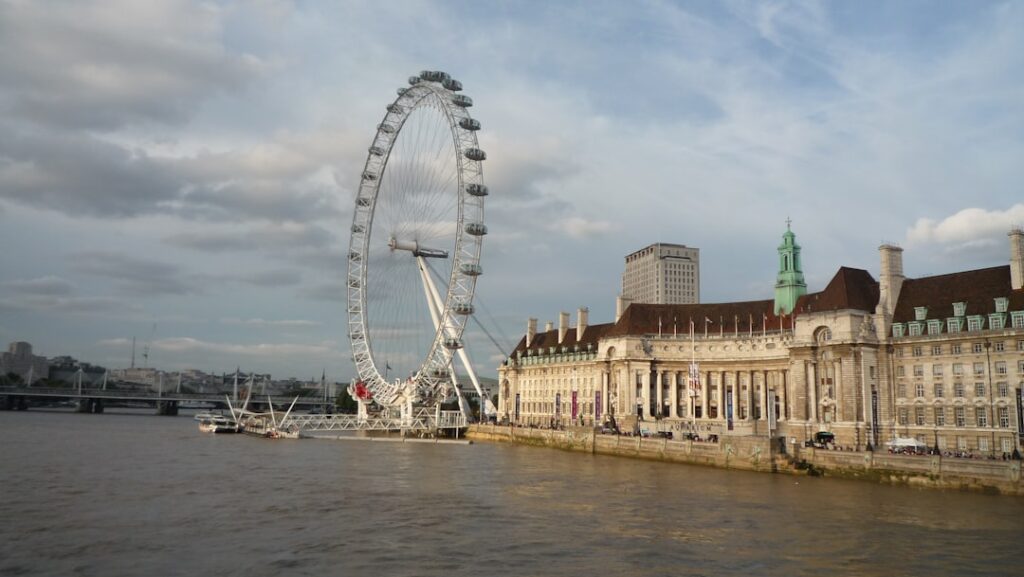
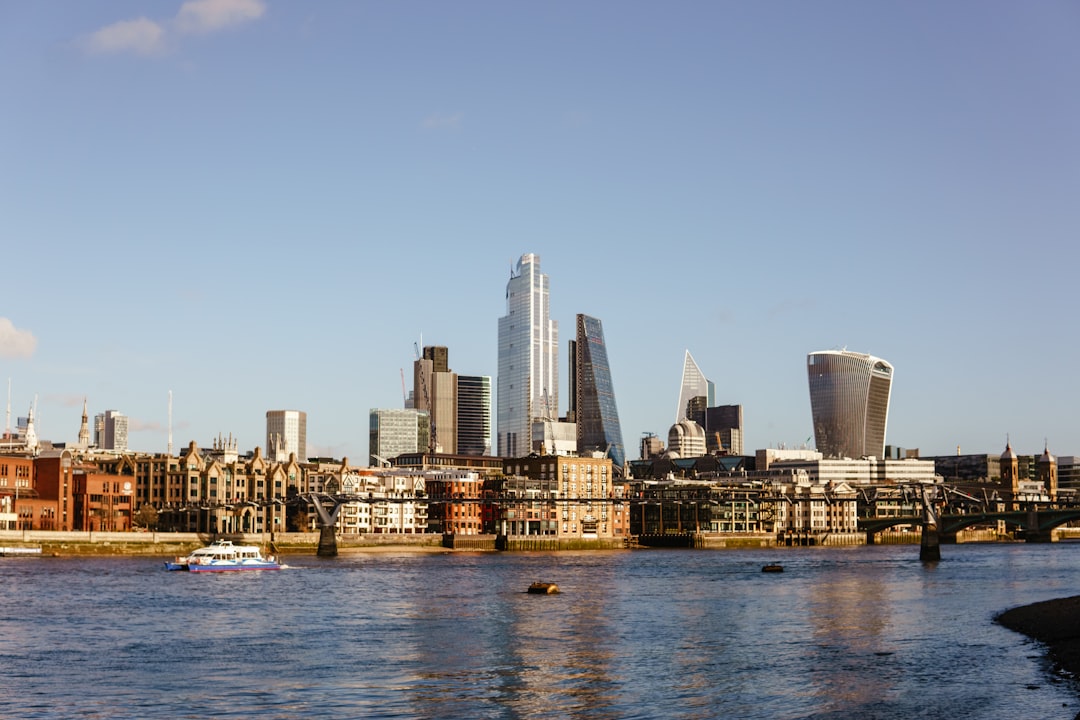
Just a short walk away is the London Eye, providing a bird’s-eye view of the sprawling cityscape. However, for a free alternative with equally stunning views, consider booking a slot at the Sky Garden or the Lookout at 8 Bishopsgate. These spots offer a 360-degree panorama of the “Square Mile,” London’s financial district, where ancient churches sit in the shadows of glass giants like the Shard.
Urban Wildlife and Royal Greenery
While London is a concrete jungle, it is also one of the greenest cities in the world. Its Royal Parks are not just for picnics; they are thriving ecosystems. St. James’s Park is famous for its resident pelicans, while Richmond Park offers a taste of the wild with hundreds of free-roaming Red and Fallow deer.
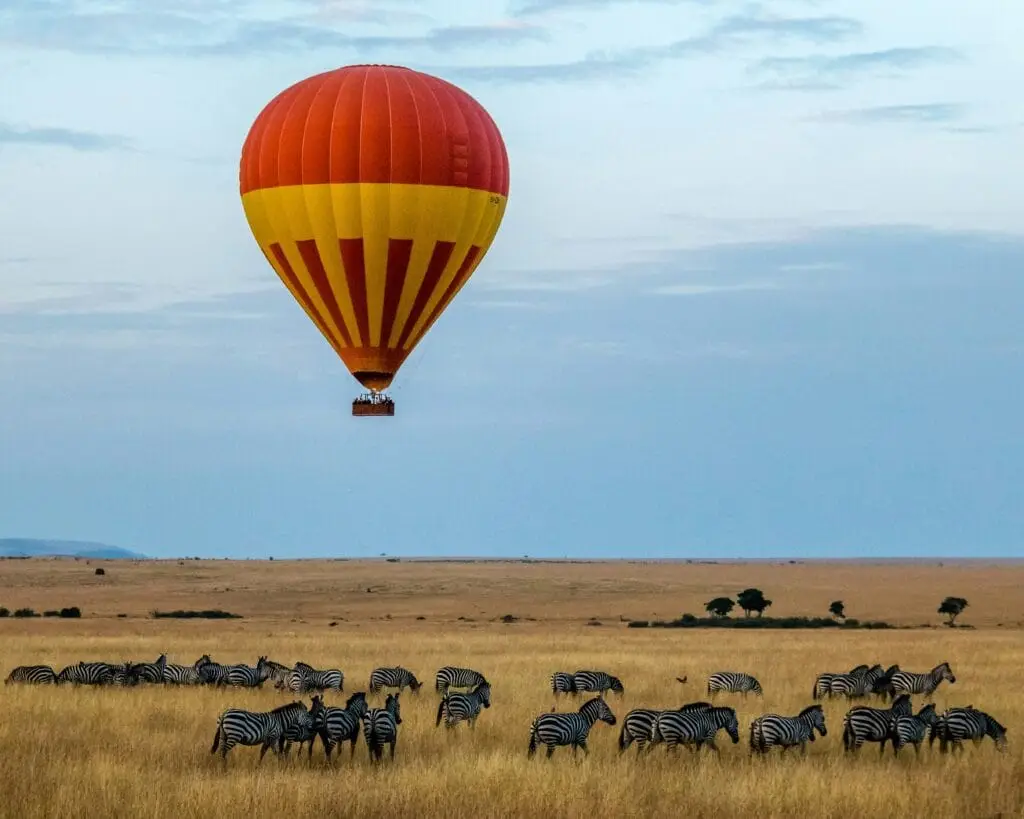
Capturing wildlife in an urban setting requires patience and the right gear. Much like preparing for a trip with a safari packing list for photographers, you’ll want a versatile zoom lens to capture the animals without disturbing them. You might even spot an urban red fox, which has become an unofficial mascot of the city’s nightlife.

Best Parks for Photography and Relaxation:
- Hyde Park: Massive and central, perfect for the Serpentine Lake views.
- Regent’s Park: Home to the stunning Queen Mary’s Rose Gardens.
- Hampstead Heath: Offers “Parliament Hill,” providing one of the few protected views of the London skyline.
- Greenwich Park: Where you can stand on the Prime Meridian line.
Cultural Immersion and Architectural Marvels
To truly understand London, you must step inside its grand institutions. The British Museum, while controversial to some, holds a staggering collection of human history. For photographers, the Great Court—with its magnificent glass and steel roof designed by Norman Foster—is a masterclass in symmetrical composition.
Further west, the Victoria and Albert (V&A) Museum offers a deeper look into art and design. The architecture of the building itself is a work of art, featuring intricate Victorian brickwork and modern extensions. If you enjoy exploring global hotspots, you might find London’s diversity as captivating as the 33 best things to do in Bali.
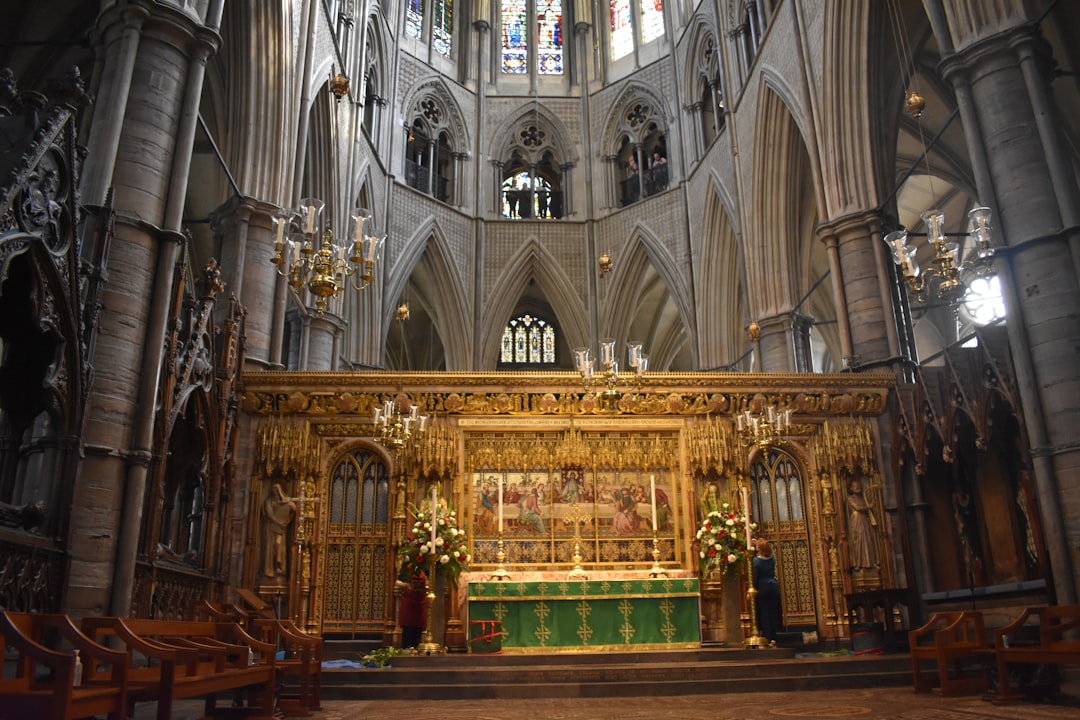
Westminster Abbey stands as the pinnacle of Gothic architecture in England. When visiting, pay close attention to the Lady Chapel; the fan-vaulted ceiling is widely considered one of the most beautiful in the world. Note that photography is often restricted during services, so always check the official Westminster Abbey website for visitor guidelines before arriving.
The Culinary Landscape: Beyond Fish and Chips
The “Ultimate London Travel Guide: Capturing the Iconic City” must acknowledge that London is a global culinary capital. While traditional pubs are essential for a Sunday Roast, the city’s food markets are where the real action is. Borough Market is the most famous, offering everything from fresh oysters to artisanal British cheeses.
For a more local feel, head to Maltby Street Market on a weekend. It is tucked under Victorian railway arches and offers a more intimate, “hidden gem” atmosphere. If you’re looking for high-end dining, London has more Michelin stars than almost any other city, but the real soul is found in the curry houses of Brick Lane or the dim sum parlors of Chinatown.
Neighborhood Spotlight: Where to Wander
London’s charm is found in its diversity. Each neighborhood feels like a different country.
- South Kensington: The “Museum District” with grand white stucco houses.
- Shoreditch: The heart of street art, vintage markets, and tech startups.
- Notting Hill: Famous for the Portobello Road Market and pastel-colored houses.
- Covent Garden: A hub for street performers, luxury shopping, and the Royal Opera House.
For those interested in how this compares to other global hubs, exploring the best wildlife destinations 2025 can provide context on how London integrates nature into its urban fabric. To see how other major tourism boards handle visitor traffic, you can also consult National Geographic’s UK Portal.
Photography Tips for the London Explorer
To get the most out of your “The Ultimate London Travel Guide: Capturing the Iconic City” experience, keep these photography tips in mind:
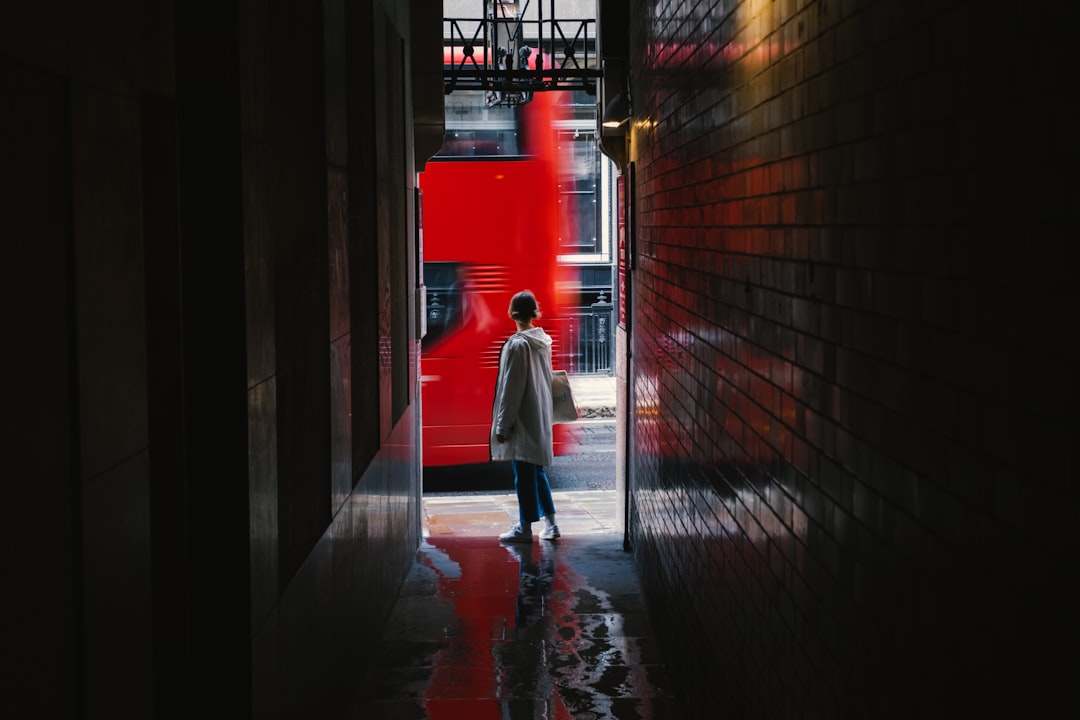
- Embrace the Rain: Wet pavement creates beautiful reflections, especially at night in places like Piccadilly Circus or Soho.
- Look Up: London’s architecture is a mix of centuries. Use a wide-angle lens to capture the contrast between a medieval church and a 21st-century skyscraper.
- Use Leading Lines: The River Thames is your best friend. Use the bridges to create leading lines that draw the viewer’s eye toward landmarks like St. Paul’s Cathedral.
- Go Early: To capture the iconic red telephone booths without a queue of tourists, aim for 7:00 AM on a Sunday.
For more inspiration on capturing grand scenes, check out Tripadvisor’s London guide for traveler-submitted photos and reviews.
Top 5 Photography Spots in London
| Location | Best Time | Subject |
| :— | :— | :— |
| Tower Bridge | Sunrise | Iconic bascule bridge architecture |
| Leadenhall Market | Mid-day | Victorian covered market (Harry Potter filming site) |
| Millennium Bridge | Night | Symmetrical view of St. Paul’s Cathedral |
| Primrose Hill | Golden Hour | Distant skyline views |
| Neal’s Yard | Morning | Vibrant, colorful courtyard in Seven Dials |
FAQ: Essential London Knowledge
Is London expensive for travelers?
London can be expensive, but many of its best attractions are free. Most major museums (The British Museum, National Gallery, Tate Modern) have no entry fee. You can save money by using public transport and eating at local markets rather than tourist-heavy restaurants in Leicester Square.
How many days do I need in London?
To see the main highlights without rushing, 4 to 5 days is ideal. This allows for a mix of major landmarks, a West End show, and time to explore a few different neighborhoods.
What is the best way to get around?
The London Underground (the Tube) is the fastest way. However, taking a red double-decker bus is a great way to see the city for a fraction of the cost of a hop-on-hop-off tour bus.
When is the best time to visit London?
Spring (late March to June) and Autumn (September to November) offer the best balance of manageable crowds and mild weather. December is also magical for the Christmas lights and markets, though it will be cold and busy.
London is a city of layers—a place where every cobblestone tells a story and every modern spire reflects a centuries-old tradition. By moving beyond the surface-level attractions and seeking out the quiet parks, the bustling markets, and the architectural nuances, you transform a standard trip into a profound journey. This city does not just offer sights; it offers an atmosphere that lingers long after you’ve left its shores. Whether you are here for the history, the art, or the simple joy of a walk along the Thames, London remains a destination that rewards the curious and the patient.