Few places on Earth rival the drama and resilience of Arizona baby wildlife, and in particular, the story of Cooper’s hawks in the Sonoran Desert. The problem? Despite their ubiquity, the lifecycle and challenges of these formidable raptors remain enigmatic to many—especially when it comes to the earliest days of life, when delicate hawk chicks fight for survival in a sun-scorched landscape. As urban sprawl advances and unnerving heat waves strike, these baby Cooper’s hawks must navigate predators, drought, pollution, and the relentless struggle for food.
This mystery often leaves birdwatchers, wildlife photographers, and nature lovers agitated, wondering how these fragile desert-born hawks ever make it to adulthood. Fortunately, a growing network of conservationists, photographers, and researchers is helping to shed light on these struggles—inspiring awe and motivating protection for one of Arizona’s most iconic raptors. In this feature, you’ll uncover seven breathtaking insights into the journey of Arizona’s Cooper’s hawks, from fuzzy hatchlings to skilled aerial hunters, illustrated by expert arizona wildlife photography, tips on locating cooper’s hawk nesting sites, urban encounters, and more.
1. Sonoran Desert: Birthplace & Refugia for Cooper’s Hawks
Arizona’s Sonoran Desert is a living museum—a patchwork of cactus forests and rugged canyons where baby Cooper’s hawks begin life in nests perched high in mesquite and eucalyptus trees. These raptors choose well-shaded sites, often in urban parks, golf courses, and riparian zones beside winding rivers. Their eggs hatch in late spring, and by June the nests are bustling with noisy chicks, camouflaged against predators and the harsh midday sun.
- Primary habitats: Woodlands, riparian corridors, mesquite bosques, and city parks.
- Typical nesting sites: Tall, leafy trees—often eucalyptus or pine—frequented by urban hawks.
- Seasonality: Nesting cycle begins in February; hatchlings emerge late spring.
In Tucson, for instance, Cooper’s hawks have adapted so well that they’re now among the most visible urban raptors, capitalizing on lush backyards and bird feeders that attract a steady supply of prey.
Want to learn about powerful desert landscapes and photography secrets? Dive into our Arizona Desert Photography Guide.
2. From Egg to Eaglet: Early Life Stages & Survival
The journey from egg to fledgling is fraught with peril. Females lay 3–5 eggs, with both parents fiercely guarding the nest against threats. Newborns are blind and downy, reliant on adults to bring them chunks of dove, pigeon, or small mammals. Arizona’s heat—a relentless force—pushes nestlings from their shady sanctuaries as they seek cooler ground or water, often before fully fledged.
- Feeding habits: Parents supply fresh prey multiple times a day.
- Vulnerabilities: Hot weather, dehydration, predation (snakes, jays, larger raptors).
- Growth: By 4–5 weeks, chicks nearly quadruple in size, beginning short “test flights” across shady branches.
Cooper’s hawk pairs demonstrate strong territoriality, with each year’s hatch shaping the next generation of desert hunters.
3. Urban Adaptation: Hawks at Home in Arizona Cities
One of Arizona’s most remarkable wildlife stories is the emergence of urban hawks—Cooper’s hawks thriving in city environments. Tucson, Phoenix, and other metro areas report soaring populations thanks to dense parklands, golf courses, and backyard bird feeders.
- Why cities?
- Plentiful nesting trees in parks and cemeteries
- Higher densities of prey (doves, sparrows)
- Reliable year-round water sources
Listen for the keening “kek-kek-kek” calls near sunrise or watch for adults weaving through neighborhoods—a thrilling sight for new and seasoned birdwatchers alike.
Curious about photographing desert and city wildlife? Check out these expert bird photography tips for beginners.
4. Cooper’s Hawk Family Dynamics: Parenting in the Desert
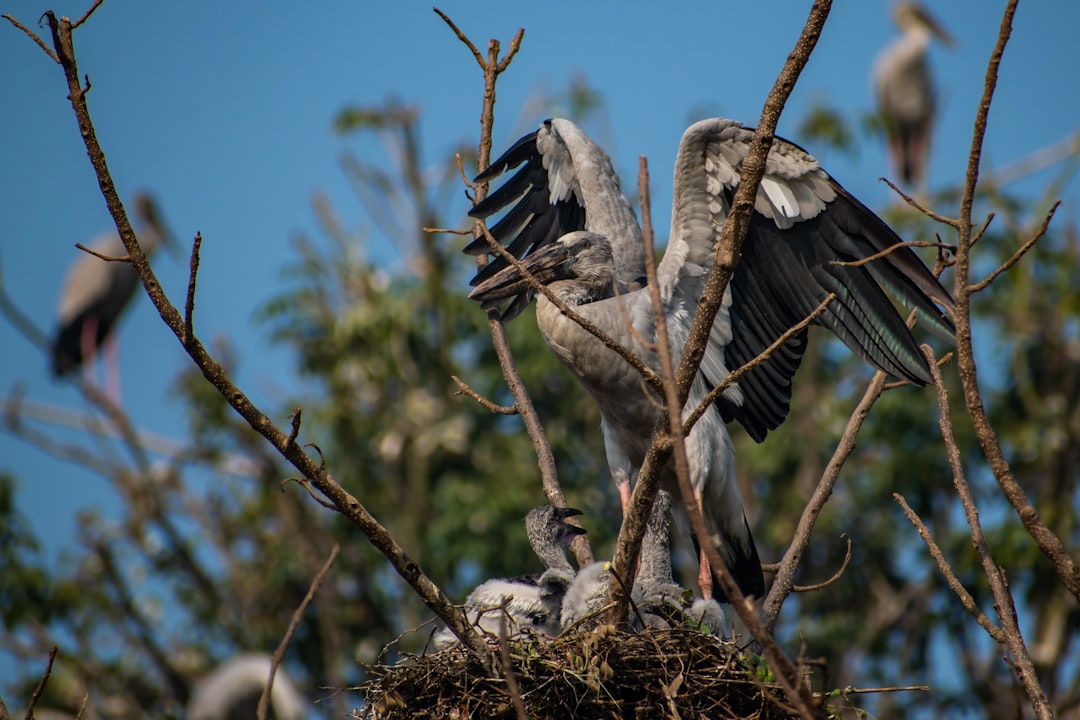
Few phenomena are as captivating as a parent Cooper’s hawk feeding its young. Adults deliver food with pinpoint accuracy, often in the cool hours of dawn or dusk. Both parents participate in rearing chicks, with one guarding while the other hunts. The display of affection and diligence not only sustains the nestlings, but also offers Arizona wildlife photographers a privileged look into raptor family life.
- Feeding times: Most active at dawn and dusk—watch for exchanges high in tree canopies.
- Sibling rivalry: Strongest chicks often get first pick, but parents work diligently to distribute food.
- Fledging: By late May to early June, young hawks start venturing beyond the nest, testing their wings and hunting skills.
5. First Flights: Juvenile Cooper’s Hawks Take Wing
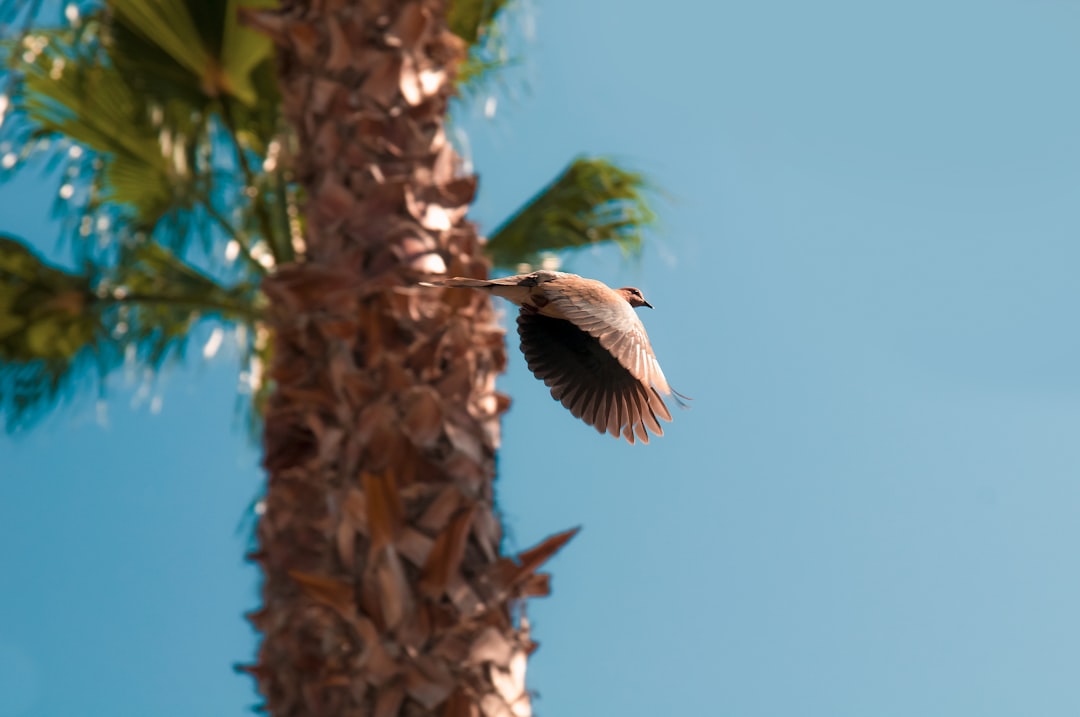
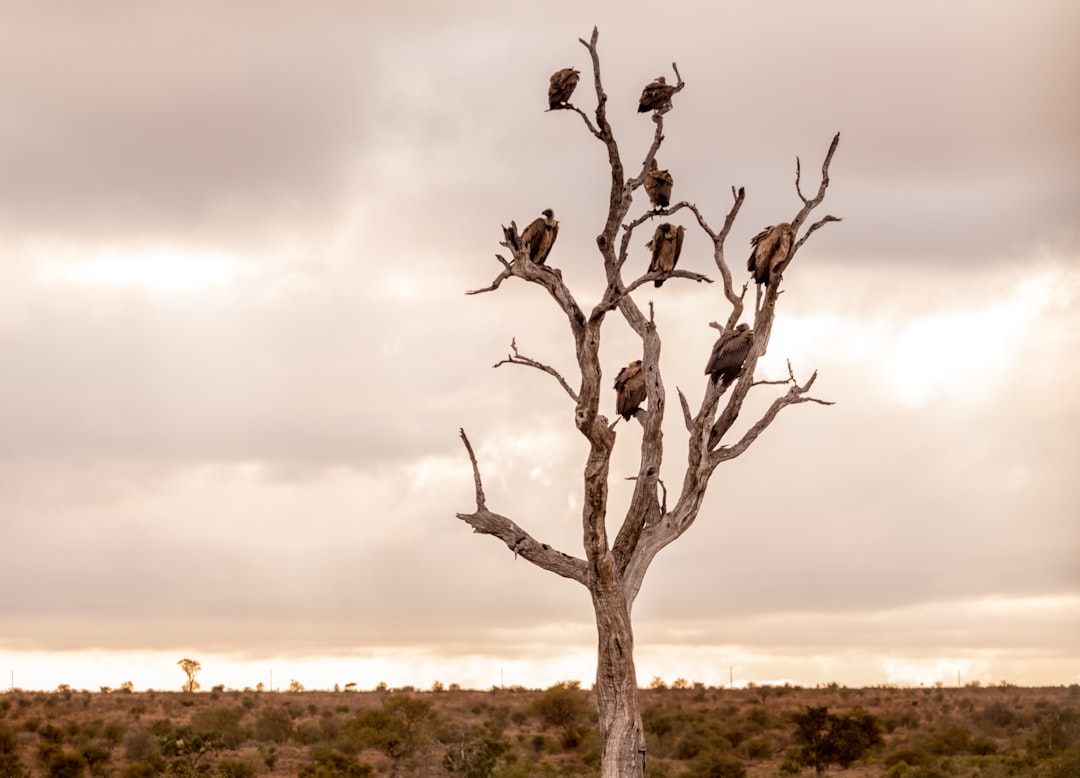
The critical milestone for baby Cooper’s hawks is the first flight—an act that tests strength, dexterity, and courage. Before fledging, juveniles practice by repeatedly stretching and flapping, building muscles and coordination.
- Preparation: Wing exercises and short hops across branches.
- Launch timing: Often occurs in early mornings to avoid peak desert heat.
- Survival rate: Only about half of fledglings survive their first months due to predators and accidents.
The sight of young hawks soaring above saguaro cacti is one of the Sonoran Desert’s most uplifting wildlife experiences.
6. Desert Raptors: Cooper’s Hawks & Their Avian Neighbors
Arizona is renowned for its desert raptors—beyond Cooper’s hawks, birdwatchers spot Harris’s hawks, Ferruginous hawks, and red-tailed hawks. These species share the Sonoran wilds, but Cooper’s hawks stand out for their relentless speed and urban survival skills.
- Harris’s hawks: Social hunters, often seen in groups atop saguaros.
- Ferruginous & red-tailed hawks: Prefer open desert, hunt small mammals and reptiles.
- Gray hawks: Found near water, elegant hunters of reptiles and insects.
Expand your knowledge on desert raptors at the Arizona State Parks: Hawks in Arizona.
Planning to photograph Arizona’s best wildlife? Our practical guide on wildlife photography in public lands shares insider tips and locations across the state.
7. Best Places to Experience & Photograph Cooper’s Hawks
For true wildlife enthusiasts, Arizona offers world-class opportunities to observe and photograph baby cooper’s hawks and other desert wildlife. Highlights include:
- Arizona-Sonora Desert Museum: Premier for close encounters and photographic opportunities with nesting hawks and raptors.
- Saguaro National Park: Iconic cacti and open vistas—the perfect backdrop for capturing birds in flight.
- Catalina State Park: Reliable sightings of Cooper’s hawks nesting amid desert foliage.
For more prime locations, explore Nature TTL’s photography hotspots in Arizona and Tripadvisor’s wildlife viewing recommendations.
Conservation & Future Challenges
Threats facing Arizona’s Cooper’s hawks include urban expansion, pesticide exposure, and climate extremes. Nevertheless, local conservation programs and robust park systems offer hope: ongoing research, legal protections, and public education play key roles in sustaining healthy raptor populations.
For in-depth research and global context, visit National Geographic’s bird migration guide.
Explore more desert photography advice and wildlife destination ideas in Arizona’s sunrise spots.
Each chapter in the story of Arizona’s baby Cooper’s hawks is a testament to nature’s ingenuity and the magic of desert wildlife. Witnessing these raptors—whether in a city park or open saguaro forest—is an emotional, unforgettable journey. Share your sightings, support local conservation, and let the Sonoran Desert’s resilient hawks inspire your next adventure.
FAQ Section
What do baby Cooper’s hawks eat in Arizona?
Newborn Cooper’s hawks are fed by their parents, who hunt small birds (doves, sparrows), small mammals, and occasionally reptiles. As chicks grow, their diet diversifies with larger prey items.
When and where can I see Cooper’s hawks nesting in Arizona?
Nest viewing peaks in spring and early summer. Urban parks, golf courses, and riparian corridors in Tucson and Phoenix offer frequent sightings. The Arizona-Sonora Desert Museum and Saguaro National Park are ideal for hawk watching.
How can I photograph Cooper’s hawk babies and other desert raptors?
Photograph in the early morning or late afternoon for best light. Use telephoto lenses to capture nest activity from a safe distance. Top spots include the Sonoran Desert Museum, Saguaro National Park, and Catalina State Park. See our Arizona Desert Photography Guide for more tips.
Why are urban hawks important for Arizona’s ecosystems?
Urban-dwelling Cooper’s hawks help control pest bird populations and serve as indicators of ecosystem health. Their success in cities highlights the adaptability of Arizona’s wildlife and the need for thoughtful urban biodiversity planning.
Want more? Discover epic wildlife destinations, gear tips, and beginner guides: