In the heart of metropolitan Philadelphia, the search for true wildness might feel impossible. But just minutes from Center City lies the John Heinz National Wildlife Refuge, a rare urban nature reserve that offers some of the most spectacular wildlife photography and birdwatching in Pennsylvania. For photographers, especially those keen on adventure travel in Pennsylvania or scouting the best wildlife spots near Philadelphia, the refuge promises a mesmerizing, ever-changing tapestry of wings, fur, and foliage.
The problem for many is finding high-quality, accessible locations for wildlife photography that aren’t hours away or crowded with tourists. Even dedicated Philadelphia birdwatching fans often overlook the sheer diversity tucked into this sprawling sanctuary—more than 300 species of birds, elusive mammals, and unique marshland habitats all within the city’s reach. This lack of awareness means missed opportunities, both for once-in-a-lifetime wildlife shots and tranquil moments with nature.
If you’ve ever wondered where to unleash your creativity without leaving the city, you’re in the right place. This epic guide reveals 12 incredible wildlife photography opportunities at John Heinz National Wildlife Refuge—with practical tips for every skill level, the best times and spots to shoot, and inside secrets for capturing everything from shy otters to raptors. Whether you dream of frame-worthy shots or crave a peaceful retreat, prepare for your lens—and your senses—to be amazed.
Why John Heinz National Wildlife Refuge is a Photographer’s Dream
Nestled at 8601 Lindbergh Boulevard, Philadelphia, the John Heinz National Wildlife Refuge at Tinicum is renowned as America’s very first urban wildlife refuge. Its 1,000 protected acres cradle the largest remaining freshwater tidal marsh in Pennsylvania, including forests, ponds, meadows, and over 10 miles of trails.
This patchwork of habitat makes the refuge a magnet for wildlife—especially birds. Over 300 bird species have been recorded here, making it one of the top destinations for wildlife photography in Pennsylvania and a crown jewel among American wildlife refuges. Migratory waterfowl, great blue herons, songbirds, and raptors all converge here, offering endless inspiration for photographers at any time of year. Wheelchair-accessible trails and viewing platforms make it easy for everyone to get close to the action.
The refuge’s unique location right next to the Philadelphia International Airport means you can combine a layover with a world-class wildlife shoot—a feat almost unheard of in any other major U.S. city.
Epic Wildlife Photography Opportunities at John Heinz National Wildlife Refuge
1. The Boardwalks at Dawn
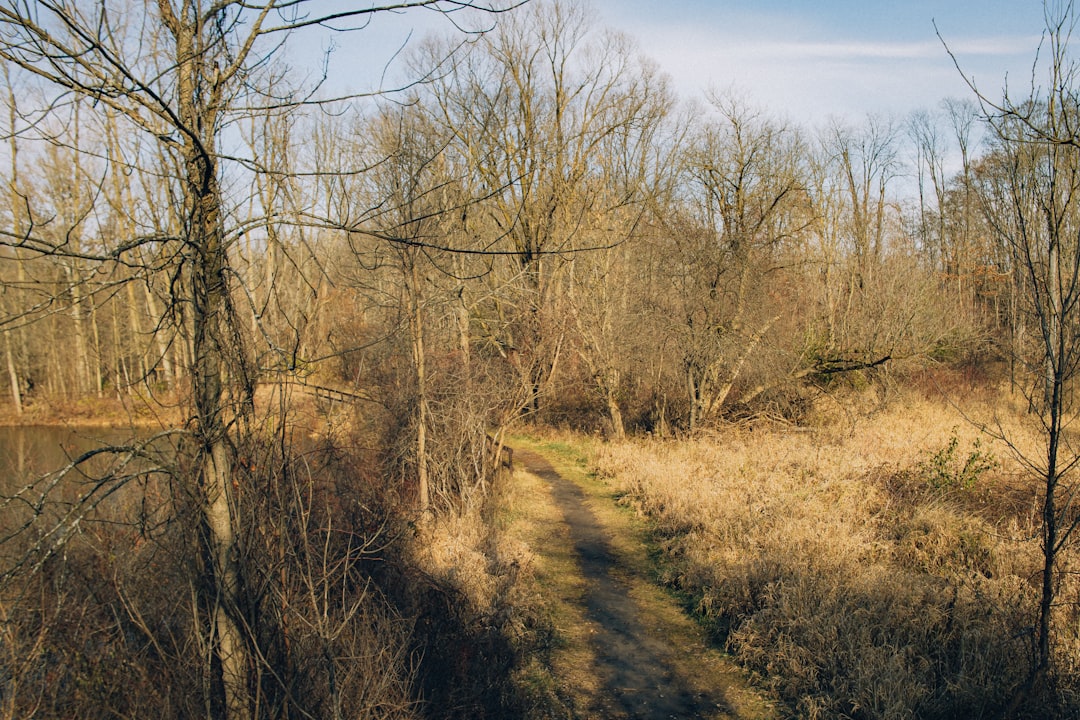
Catch the marshlands bathed in golden sunrise light as mist lingers over the water. The boardwalk near the visitor center offers unobstructed views of wading birds and the perfect reflections of still water. Dawn is prime time for photographing secretive species like the least bittern and marsh wren, as well as magical landscape compositions.
2. Heron Hideaways Along Darby Creek
The slow-moving channel is a hotspot for great blue herons, black-crowned night herons, and egrets stalking fish along the banks. Early morning or late afternoon provides soft, dramatic lighting—perfect for capturing hunting behavior and dynamic action shots.

3. The Wetlands Loop Trail: Birdwatcher’s Paradise
This 3.5-mile well-marked loop encircles prime wetland habitat where tidal influences create shifting habitats throughout the year. Expect to find canvasbacks, shovelers, red-winged blackbirds, and seasonal surprises such as bald eagles or even ospreys overhead.
Key birding tips:
- Bring or borrow binoculars available at the visitor center.
- Move quietly; birds spook easily in open marsh.
- Use sunrise and sunset for the most bird activity.
4. Forested Edge—Songbird Spectacle
The transition zones between marsh and woodland are magnets for warblers, vireos, orioles, and woodpeckers, especially during spring and fall migration. Listen for bird song and scan flowering shrubs for movement. This is also a favorite location for the elusive fox sparrow and scarlet tanager.
5. The Observation Platforms—Panoramic Scenes
Elevated platforms found along main trails offer sweeping views of the marsh, perfect for long-lens shots of distant wildlife or dramatic environmental portraits. These spots are also great for sunset photography, with city skyline views in the distance.
6. Mudflats—Migratory Stopovers
During migration, the mudflats are bustling with sandpipers, plovers, and other shorebirds feeding on invertebrates. This dynamic landscape is best photographed with a mid-range zoom or telephoto lens to capture fast-moving flocks and detailed closeups.
7. Photogenic Mammals: Otters to White-Tailed Deer
The refuge’s freshwater creeks and thickets shelter a variety of mammals, including playful river otters, muskrats, red fox, and white-tailed deer. Early mornings or just before dusk are your best bet for catching them in action.
Photography tips for mammals:
- Use natural cover to blend in.
- Avoid loud noises or sudden movements.
- A tripod helps in low-light dawn and dusk conditions.
8. Turtle and Amphibian Encounters
Keep your eyes peeled for painted turtles basking on logs, or frogs darting in the shallow waters along pond edges. These photo subjects are particularly active and accessible during late spring through summer.
9. Wildflower Meadows in Bloom
In late spring and summer, colorful wildflower meadows attract butterflies, hummingbirds, and a rainbow of pollinators. Macro lenses are ideal here, especially during the “blue hour” before sunset.
10. Dramatic Storm Light & Urban Backdrops
Unique among American wildlife refuges, John Heinz NWR offers stunning juxtapositions—wild creatures with a distant city skyline or airplanes taking off in the background. Watch for moody light and passing storms, which often result in richly colored skies and dramatic wildlife scenes.
11. Canoe/Kayak Perspectives
For adventurous wildlife sanctuary photographers, the 4.5-mile stretch of Darby Creek (accessible at high tide) lets you photograph birds and turtles from water level. Bring your own watercraft and always wear a life vest.
12. Photographers in the Wild—Capture the Experience
Sometimes the best story is not just the wildlife, but the people who come to see it. Candid shots of birders, children on the trails, or photographers at work add a human element to your story.
Wildlife Photography Tips for John Heinz National Wildlife Refuge
Maximize your success and minimize your impact with these top tips:
- Plan for the light: Sunrise and sunset yield the softest, most photogenic light across the marshes.
- Pack for versatility: Long telephoto lenses (300mm+) are ideal for shy birds, but don’t forget a wide-angle lens for landscape scenes.
- Respect boundaries: Don’t leave marked trails—many areas are sensitive nesting sites.
- Dress for the conditions: Waterproof boots and layered clothing are your best friends, especially in wet spring or chilly autumn.
- Be patient: Wildlife moves on its own timetable. Silence and stillness often reward you with the best moments.
Want more tips? Don't miss this ultimate safari packing list for photographers for gear advice, or check out our bird photography beginner’s guide at Bosque del Apache to master your camera settings in the field.
Must-Know Visitor Information
- Trails: Open daily from sunrise to sunset; over 10 miles to explore.
- Visitor Center: Open Wednesday–Sunday, 9 AM–4 PM; borrow binoculars and get maps at the front desk.
- Getting Here: Convenient to I-95, with the main entrance at 86th St & Lindbergh Blvd. Accessible via SEPTA Routes 37, 108, 115, and a short walk from Eastwick Train Station.
- Accessibility: Wheelchair-accessible trails and platforms, free parking.
- Admission: Always free.
- When to Visit: Year-round! Migration season (April–May, September–October) offers the highest bird diversity, while summer is best for amphibians and wildflowers, and winter brings rarities and peaceful scenery.
For more details, visit the U.S. Fish & Wildlife Service’s official page or see their extensive birding checklist.
Looking to explore more epic wildlife sanctuaries? Read our Ontario wildlife photography guide for ideas beyond Pennsylvania.
Why Photographers Love John Heinz NWR: Top Experiences
- Photographing bald eagles soaring above the tidal marsh
- Close encounters with great blue herons in golden-hour light
- Serene kayak paddles among painted turtles and wildflowers
- Blossoming meadows filled with pollinators and macro opportunities
- Seasonal migration flocks—ducks, warblers, and raptors
- Urban-wild juxtaposition: wildlife scenes with distant city skylines
- Nature immersion minutes from Center City Philadelphia
Connect with a Nature-Loving Community
Join public bird walks and wildlife photography workshops hosted throughout the year. Share your best images with #heinzfindyourwild, or join local organizations like the Valley Forge Audubon Society for networking and learning opportunities.
Expand Your Wildlife Photography Horizons
John Heinz is a gateway to even greater adventures for the urban wildlife photographer. Check out these resources for your next journey:
- Explore drive-thru safaris and wildlife parks across North America in our top wildlife destinations guide.
- Discover the Fossil Rim Wildlife Center’s photo tips for immersive, close-range wildlife encounters.
- Visit National Geographic’s bird photography tips for expert advice on gear and fieldcraft.
- Use TripAdvisor’s John Heinz National Wildlife Refuge reviews to plan your visit and read traveler insights.
Ready to Capture Wild Pennsylvania?
John Heinz National Wildlife Refuge proves you don’t need to leave the city—or the East Coast—to have a world-class wildlife adventure. It is a sanctuary not just for birds, deer, and turtles, but for photographers and nature-lovers seeking inspiration close to home.
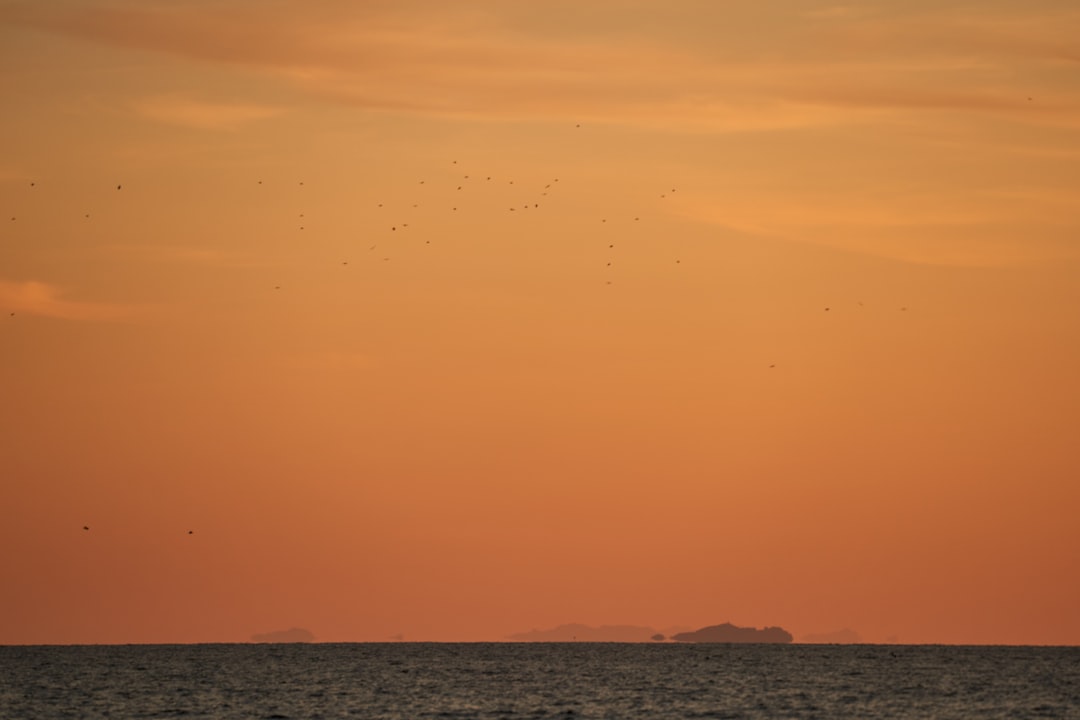
Whether you’re a seasoned pro, an enthusiastic amateur, or someone seeking peace and beauty in wild places, this refuge is ready to ignite your imagination. Grab your camera, invite a friend, and share your images—the wild heart of Philadelphia is waiting for you.
FAQ
What wildlife can I photograph at John Heinz National Wildlife Refuge?
John Heinz NWR hosts over 300 species of birds including herons, eagles, ducks, and songbirds, as well as mammals like otters, foxes, and deer. In spring and fall, migratory birds are especially abundant. The diverse habitats support turtles, frogs, butterflies, and rare wetland plants.
Is the refuge open year-round, and is there an admission fee?
Yes, the trails are open every day from sunrise to sunset, completely free of charge. The Visitor Center is open Wednesday through Sunday, 9 AM–4 PM. Check holiday hours and plan accordingly during severe weather.
What are the best times for wildlife photography in the refuge?
The best wildlife sightings and light for photography occur during early morning and late afternoon, especially in migration seasons (April–May, September–October). Sunrise and sunset offer the most dynamic scenes for both landscapes and wildlife action shots.
How accessible is the John Heinz National Wildlife Refuge for new visitors?
The refuge features wheelchair-accessible trails, viewing platforms, and free parking. Public transport via SEPTA and regional rail makes it easy to reach without a car. Visitor Center staff are helpful, and free binocular loans make birdwatching accessible to all skill levels.