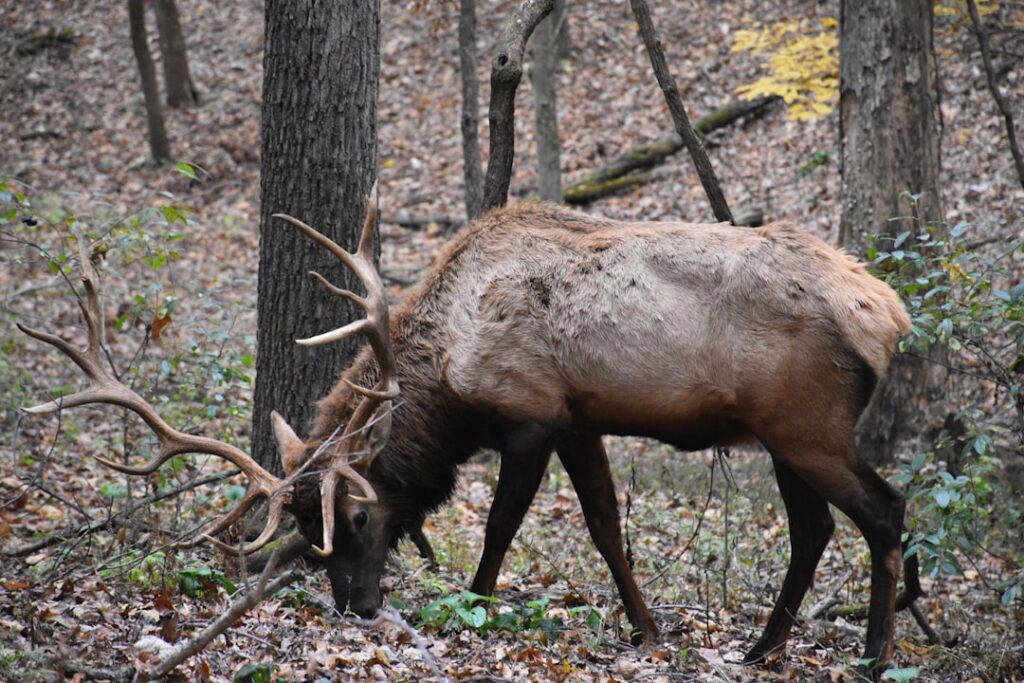
Elk poaching Tennessee Wildlife Management Area is a growing threat to both wildlife and the integrity of conservation efforts. Each year, illegal hunters target these majestic animals, undermining decades of restoration and putting the future of Tennessee’s elk population at risk. The problem is not just about lost animals—it’s about the broader impact on ecosystems, legal hunting opportunities, and the communities that rely on wildlife tourism. When poachers strike, they don’t just steal trophies; they steal the chance for future generations to witness these incredible creatures in the wild.
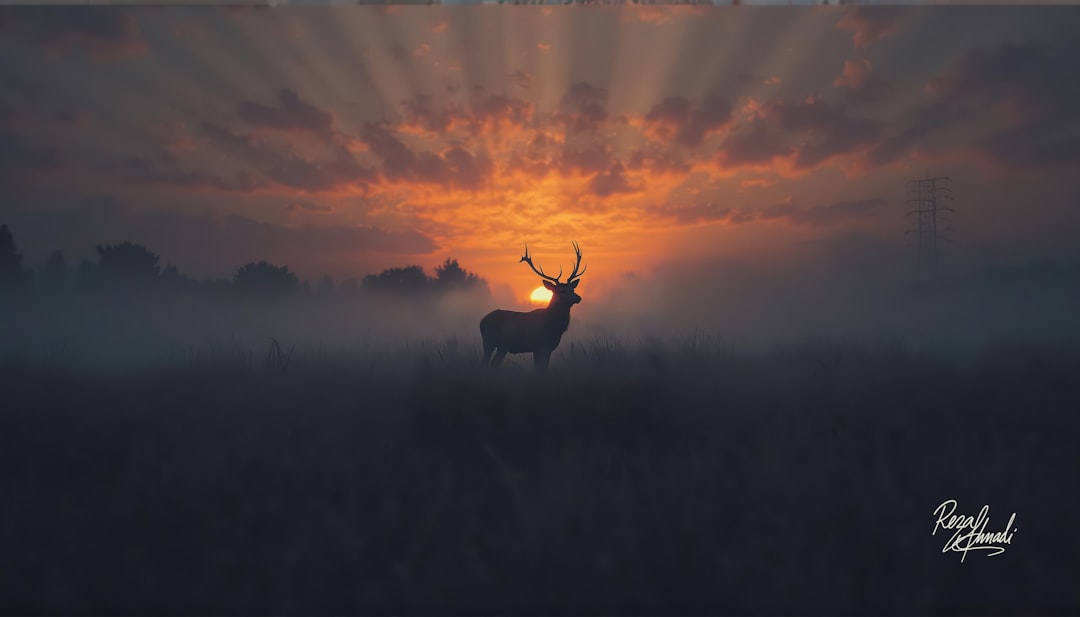
The Hidden Cost of Elk Poaching
Elk poaching in Tennessee Wildlife Management Area is more than a crime—it’s a direct attack on the state’s conservation legacy. Since elk were reintroduced to Tennessee in 2000, the population has grown to an estimated 11,000 animals, thanks to careful management and public support. Yet, despite these efforts, poaching remains a persistent issue. The Tennessee Wildlife Resources Agency (TWRA) has documented at least 14 cases of elk poaching since reintroduction, with eight convictions to date. Each incident not only reduces the elk population but also threatens the delicate balance of the ecosystem.
Poaching disrupts natural herd dynamics, reduces genetic diversity, and can lead to long-term declines in elk numbers. For legal hunters, poaching undermines fair chase principles and diminishes the value of hunting licenses. For wildlife enthusiasts and photographers, it means fewer opportunities to observe elk in their natural habitat. The emotional and economic toll is real, affecting everyone from local landowners to outdoor tourism operators.
How Poaching Impacts Tennessee Wildlife Management
Tennessee Wildlife Management Areas are designed to protect native species and provide sustainable hunting and wildlife viewing opportunities. When poachers operate within these zones, they compromise the very purpose of these protected lands. The TWRA has responded with increased patrols, surveillance, and public outreach, but the challenge remains significant.
- Poaching reduces elk numbers and disrupts herd behavior.
- It undermines public trust in wildlife management.
- It threatens the success of restoration programs.
- It can lead to stricter regulations for legal hunters.
Wildlife crimes in Tennessee are taken seriously, with penalties including hefty fines, loss of hunting privileges, and even imprisonment. The TWRA has also implemented reward programs to encourage the public to report suspicious activity. These efforts are crucial for maintaining the integrity of Tennessee’s wildlife management system.
The Role of Conservation and Community
Tennessee wildlife conservation is a shared responsibility. Local communities, hunters, photographers, and outdoor enthusiasts all play a part in protecting elk and other wildlife. Conservation efforts include habitat restoration, population monitoring, and public education. The TWRA works closely with landowners, volunteers, and partner organizations to ensure that elk populations remain healthy and sustainable.
- Community involvement is key to successful conservation.
- Public reporting helps authorities catch poachers.
- Education programs raise awareness about the importance of legal hunting and wildlife protection.
For those interested in wildlife photography in Tennessee, ethical practices are essential. Respecting boundaries, following regulations, and supporting conservation initiatives help ensure that future generations can enjoy the beauty of American elk in the wild. For more tips on ethical wildlife photography, check out our guide to wildlife photography in Ontario and our safari packing list for photographers.
How Rangers and Investigators Combat Poaching
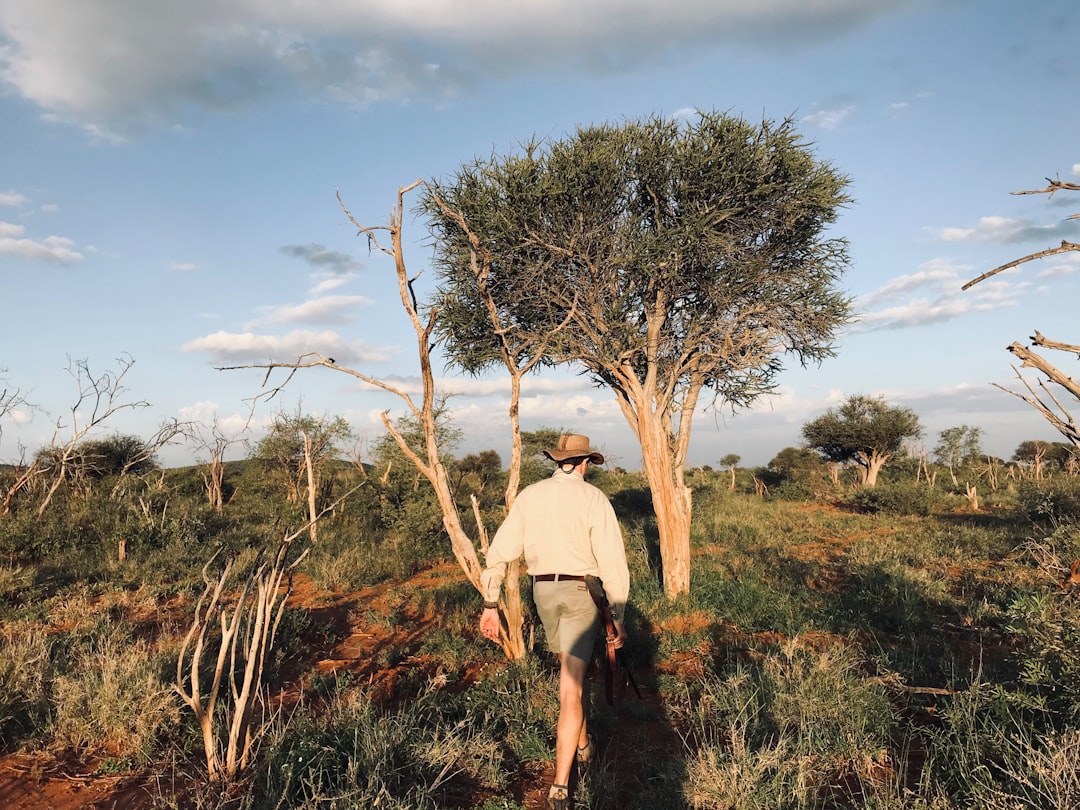
Wildlife rangers and conservation officers are on the front lines of the fight against poaching. Their work involves tracking, surveillance, and forensic investigation to identify and apprehend offenders. In recent cases, the TWRA has used advanced techniques such as smartphone location data and witness interviews to build strong cases against poachers.
- Rangers use technology and fieldwork to track poachers.
- Forensic evidence is crucial for convictions.
- Public cooperation enhances enforcement efforts.
For those interested in learning more about the daily work of wildlife rangers, our wildlife trek in Washington offers a behind-the-scenes look at conservation in action.
The Future of Elk in Tennessee
Despite the challenges, there is hope for the future of elk in Tennessee. Conservation efforts continue to yield positive results, with elk populations growing and expanding into new areas. The TWRA remains committed to protecting these animals and ensuring that Tennessee’s wildlife management areas remain vibrant and accessible.
- Ongoing conservation efforts are making a difference.
- Public support is essential for long-term success.
- Responsible hunting and wildlife viewing help sustain healthy populations.
For more information on the best wildlife destinations in 2025, visit our guide to the top wildlife destinations worldwide.
Frequently Asked Questions
What is elk poaching in Tennessee Wildlife Management Area?
Elk poaching refers to the illegal hunting or killing of elk within protected areas, such as Tennessee Wildlife Management Areas. This activity undermines conservation efforts and threatens the sustainability of elk populations.
How does poaching affect Tennessee wildlife conservation?
Poaching reduces elk numbers, disrupts herd dynamics, and undermines public trust in wildlife management. It also threatens the success of restoration programs and can lead to stricter regulations for legal hunters.
What can I do to help prevent elk poaching?
You can help by reporting suspicious activity to the TWRA, supporting conservation initiatives, and practicing ethical wildlife viewing and photography. Public involvement is crucial for protecting Tennessee’s elk and other wildlife.
Where can I learn more about wildlife photography in Tennessee?
For tips on ethical wildlife photography and conservation, check out our wildlife photography guide for beginners and our guide to the best wildlife destinations in 2025.
For more in-depth coverage of wildlife conservation and outdoor adventures, explore these authoritative resources: