Planning a trip to Big Sky Country can feel as overwhelming as the horizon itself. With millions of acres of wilderness, two iconic national parks, and endless winding backroads, where do you even begin? Most travelers find themselves stuck between choosing the rugged peaks of the north or the geothermal wonders of the south, often missing the hidden gems in between.
This comprehensive montana travel guide is designed to solve that paralysis. We have distilled the vastness of the fourth-largest state into an actionable, immersive roadmap. Whether you are a wildlife photographer or a road-trip enthusiast, this guide ensures you don’t just see Montana—you experience its soul.
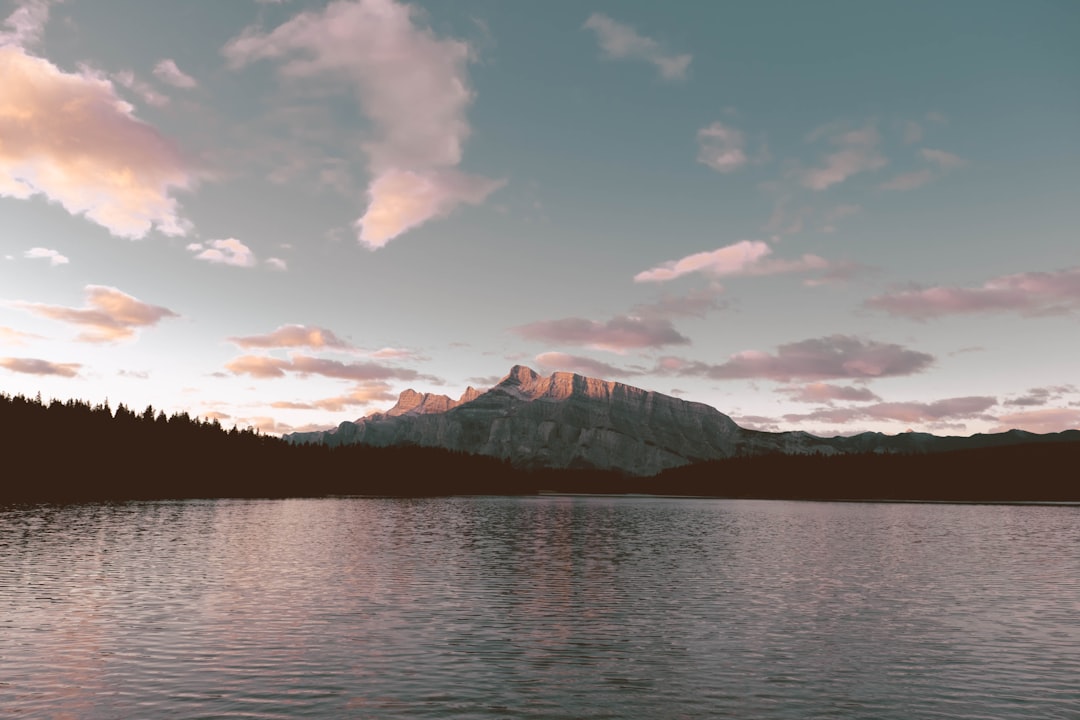
Understanding the Geographies of Montana
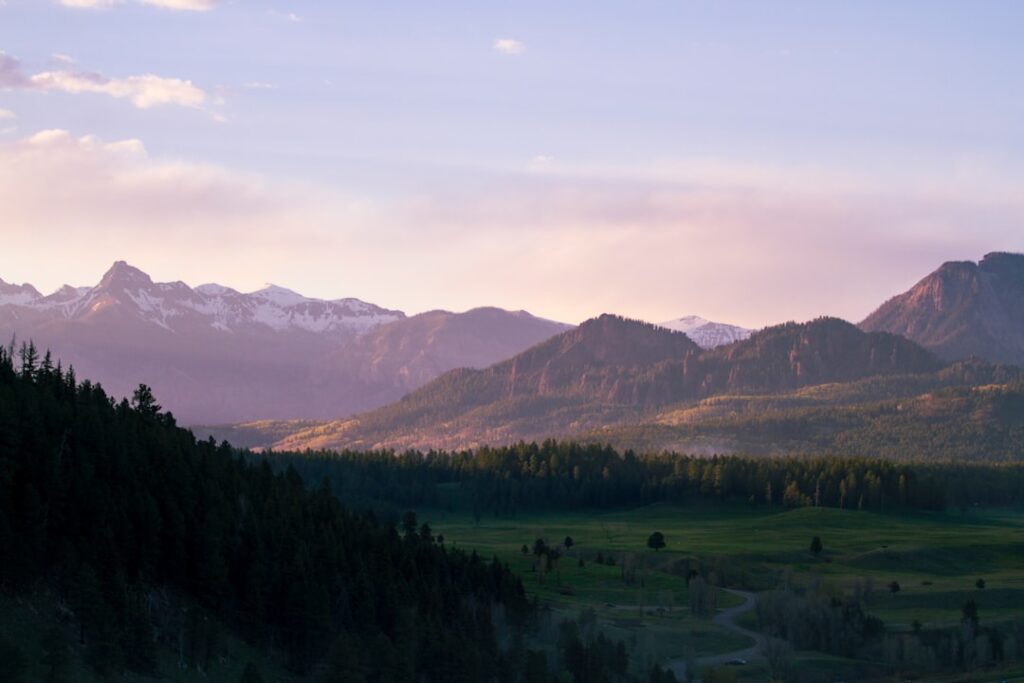
Montana is essentially two states in one. The eastern half is defined by rolling plains, badlands, and the Echoes of the Old West. The western half is dominated by the massive, snow-capped Rocky Mountains.
To truly capture the essence of the state, you must balance your time between these ecosystems. Most visitors fly into Bozeman or Missoula, which serve as perfect basecamps for mountain adventures. However, the true “Big Sky” feeling often happens in the quiet spaces between the major hubs.
When planning your route, consider how much ground you can realistically cover. Driving from Glacier National Park in the north to Yellowstone in the south takes about six to seven hours. That is a full day of travel that requires careful timing to avoid missing the best light for photography.
The Best Time to Visit Big Sky Country
Timing is everything in the northern Rockies. Each season offers a completely different visual and experiential palette for your journey.
- Summer (July – August): This is peak season. All mountain passes, including the famous Going-to-the-Sun Road, are open. It is the best time for hiking and alpine lake photography, but expect crowds in the national parks.
- Fall (September – October): My personal favorite. The larch trees turn gold, the elk are bugling, and the summer crowds have vanished. It is a prime window for anyone interested in a safari packing list for photographers looking for big game.
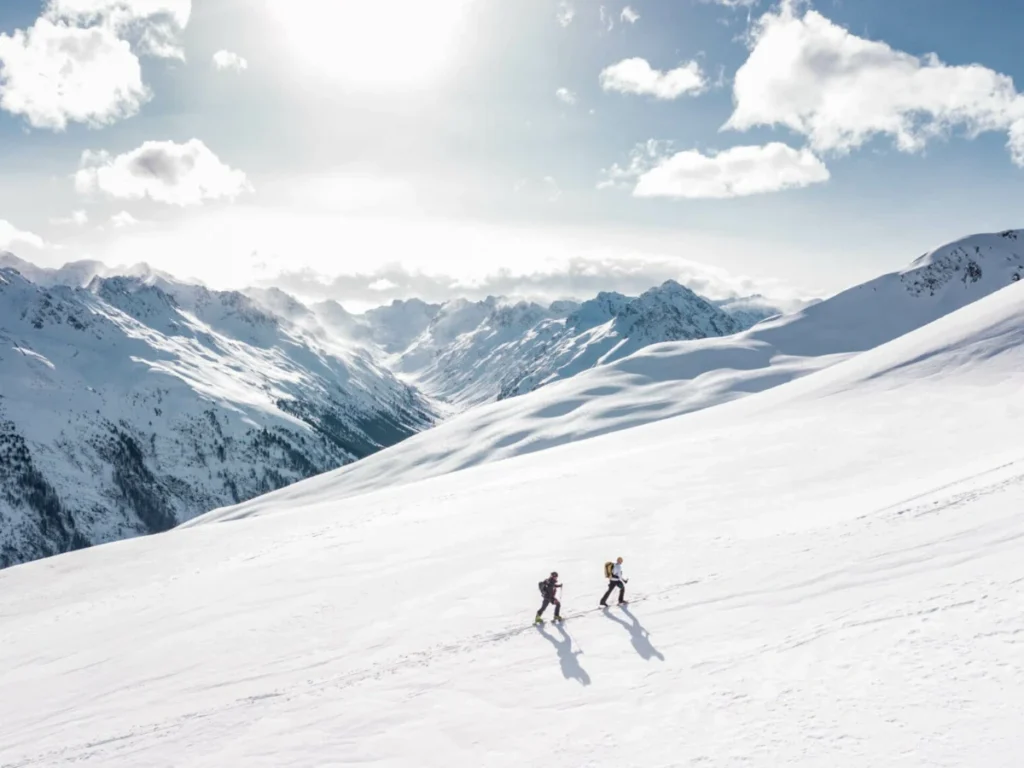
- Winter (December – March): A wonderland for skiers and those looking for “ghost trees” on mountain ridges. The interior of Yellowstone is accessible only by snowcoach, offering a surreal, silent experience.
- Spring (May – June): Often called “green-up” or “mud season.” The waterfalls are at their most powerful, and baby wildlife are everywhere. Just be prepared for rain and occasional late-season snow.
Top Destinations You Cannot Miss
While the entire state is beautiful, certain locations are non-negotiable for a first-time visitor. According to the official Visit Montana board, these areas represent the pinnacle of the state’s natural heritage.
Glacier National Park: The Crown of the Continent
Glacier is a cathedral of ice and rock. The Going-to-the-Sun Road is the centerpiece, a 50-mile engineering marvel that bisects the park. To see it properly, you need to be at the Logan Pass parking lot before sunrise.
Beyond the main road, head to Many Glacier. This area is often cited as the best place in the lower 48 states to see grizzly bears and bighorn sheep from a safe distance. The reflections of Mount Grinnell in Swiftcurrent Lake are a photographer’s dream.
Yellowstone National Park (The North & West Entrances)
While most of Yellowstone is in Wyoming, the Montana entrances at Gardiner and West Yellowstone are the most dramatic. The Lamar Valley, located near the northeast entrance, is known as “America’s Serengeti.”
This is where you go for wolves, bears, and massive herds of bison. It is a landscape that demands patience and a long lens. If you’ve enjoyed exploring the best wildlife destinations 2025, Yellowstone will be your crowning jewel.
Wildlife Photography: Capturing the Giants
Montana offers some of the most accessible high-alpine wildlife viewing in the world. However, photographing these animals requires both technical skill and ethical responsibility.
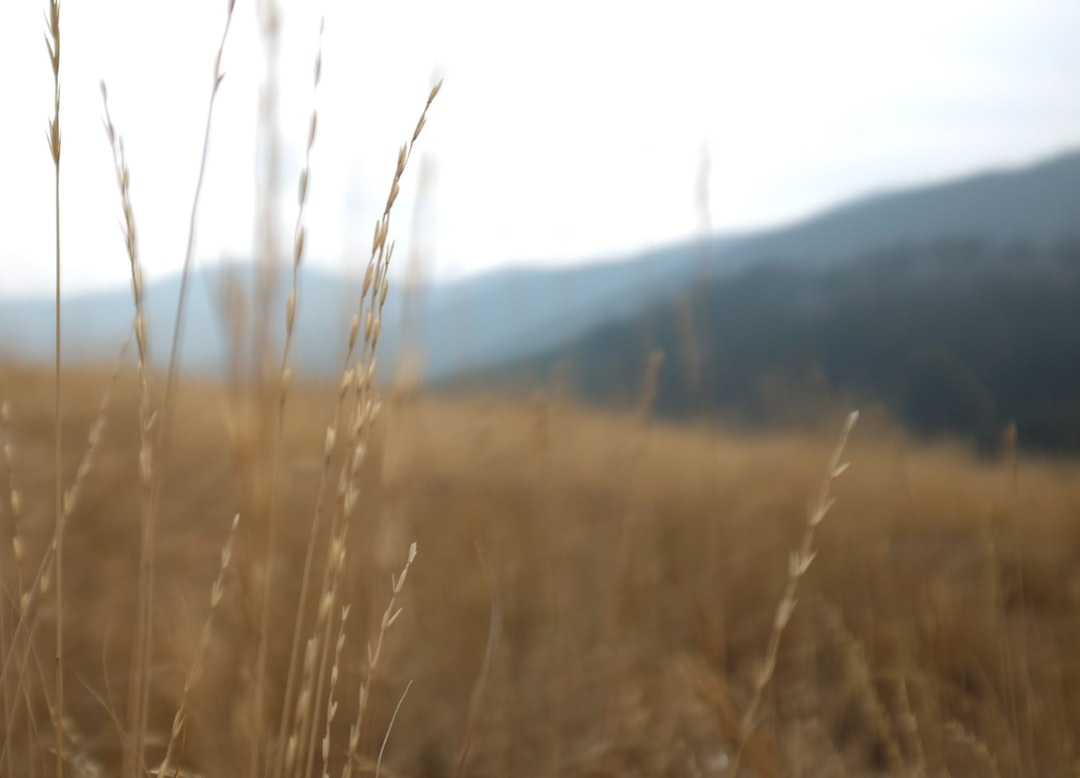
To get the best shots, you must master the “Golden Hour.” The first and last hour of sunlight provides a soft, warm glow that avoids the harsh shadows common in mountain terrain.
Tips for Ethical Wildlife Viewing
- Maintain Distance: Always stay at least 100 yards from bears and wolves, and 25 yards from other wildlife.
- Use a Telephoto Lens: A 400mm lens or greater is essential for getting “tight” shots without disturbing the animal.
- Be Quiet: Animals are more likely to exhibit natural behaviors if you aren’t shouting or slamming car doors.
- Know the Habitats: Grizzly bears prefer berry patches and meadows, while mountain goats are usually found on the steepest rocky outcroppings.
For those who enjoy the structured environment of a park, Montana has several wildlife preserves. However, nothing beats the thrill of a wild encounter in the backcountry. For more on North American fauna, check out our Ontario wildlife photography guide for a different regional perspective.
The Ultimate Montana Road Trip Experience
The best way to see Montana is behind the wheel of a reliable vehicle. Much like a Texas Hill Country road trip, the joy of a Montana journey is found in the small towns and scenic overlooks along the way.
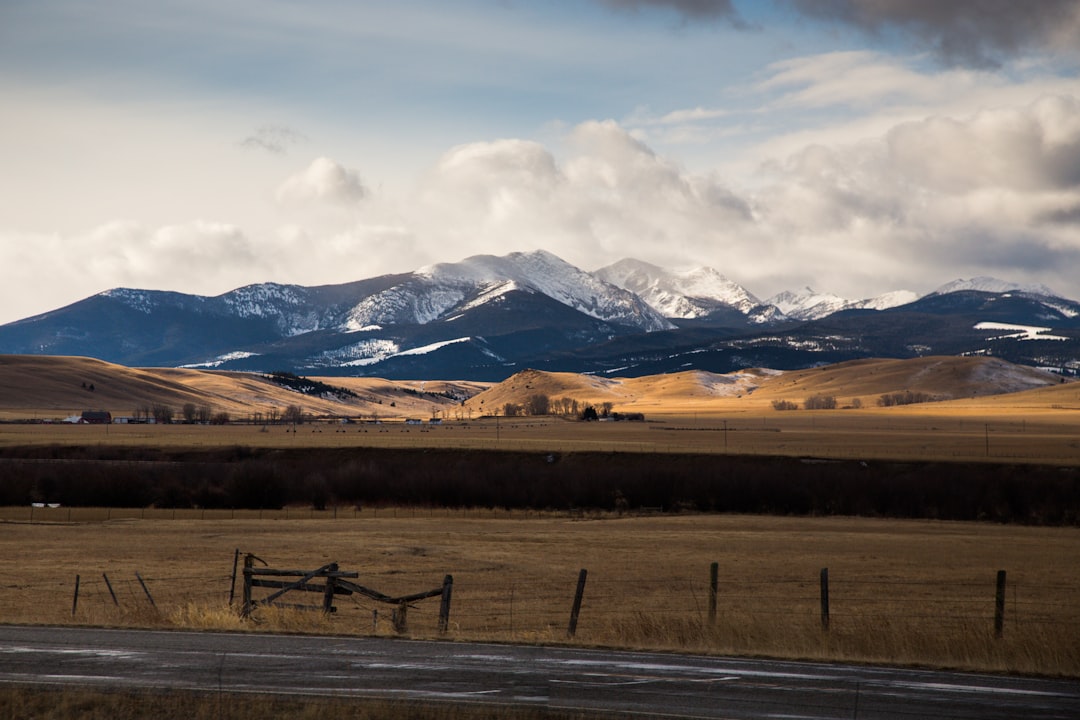
Recommended Driving Routes
- The Beartooth Highway: Described by Charles Kuralt as “the most beautiful drive in America.” It reaches heights of nearly 11,000 feet and offers tundra-like landscapes.
- The Seeley-Swan Valley: A lush corridor filled with over a dozen lakes, perfect for fishing, kayaking, and capturing reflections of the Mission Mountains.
- Highway 191: The winding road from Bozeman to Big Sky, follows the Gallatin River—the same river featured in the film A River Runs Through It.
Before you head out, ensure your vehicle is equipped for mountain travel. Cell service is non-existent in many areas, so download offline maps. Always carry extra water, a physical map, and a bear spray canister within reach of the driver’s seat.
Practical Logistics for Your Journey
Navigating Montana requires a bit more foresight than your average vacation. Here is a breakdown of the essentials you need to handle before you arrive.
1. Flights and Rental Cars
The major airports are BZN (Bozeman), MSO (Missoula), and FCA (Kalispell). Rental cars are notoriously expensive and in high demand during the summer months. Book your vehicle at least six months in advance to ensure availability.
2. National Park Reservations
Both Glacier and Yellowstone have implemented vehicle reservation systems during peak periods. Check the Glacier National Park Official Site early in the year to secure your entry permits. Without these, you may be restricted from entering the most popular areas of the park during the day.
3. Essential Gear List
- Layered Clothing: Temperatures can drop 40 degrees as soon as the sun sets.
- Sturdy Hiking Boots: The terrain is unforgiving and rocky.
- Polarized Sunglasses: The “Big Sky” glare is real, especially near water or snow.
- Bear Spray: This is non-negotiable for any trail or roadside stop.
Where to Stay: From Glamping to Historic Lodges
Montana offers accommodation styles that suit every level of “roughing it.”
- Historic Park Lodges: Places like Many Glacier Hotel or Old Faithful Inn offer unparalleled access and old-world charm, though they lack modern amenities like air conditioning or fast Wi-Fi.
- Luxury Guest Ranches: For a high-end experience, resorts like Paws Up or The Ranch at Rock Creek provide a “Yellowstone” TV show vibe with gourmet meals and guided adventures.
- Boutique Hotels: Bozeman and Missoula have seen a surge in trendy hotels like the Armory or The Roxy, perfect for those who want a good cocktail after a day in the dirt.
For a deeper look at the luxury side of mountain travel, Travel + Leisure’s guide to Montana offers excellent recommendations on high-end stays.
Capturing the Magic: Photography Tips
To walk away with gallery-quality images, you need to think beyond the snapshot. The scale of Montana is its biggest challenge. It is hard to convey how large these mountains are without a sense of scale.
Include a person, a car, or a well-known landmark in your wide shots to show the magnitude of the landscape. Use a circular polarizer to deepen the blues of the sky and remove reflections from the alpine lakes. If you are shooting at night, Montana has some of the darkest skies in the country, making it a premier location for Milky Way photography.
Conclusion
Montana is more than a destination; it is a reminder of what the world looked like before it was paved over. From the jagged peaks of Glacier to the steaming basins of Yellowstone, it offers a raw, unfiltered connection to nature. By following this guide, you are prepared to navigate its vast distances and capture its fleeting, beautiful moments.
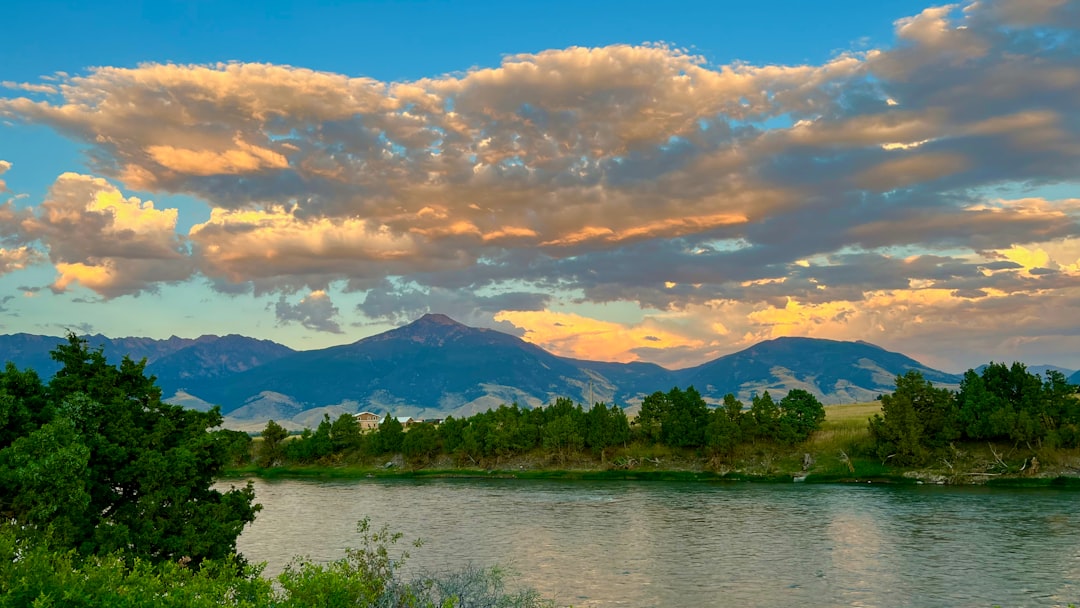
Whether you are chasing the perfect sunrise over the Rockies or waiting for a grizzly bear to cross a wildflower meadow, Montana will change the way you see the wild. Pack your camera, respect the land, and get ready for the adventure of a lifetime.
FAQ: Planning Your Montana Adventure
Do I really need bear spray in Montana?
Yes, absolutely. Montana is grizzly country. Even if you aren’t planning deep backcountry hikes, bears often frequent roadside areas and popular trails. It is a vital safety tool for both you and the bears.
How many days do I need for a Montana trip?
To see both Glacier and Yellowstone comfortably, you need at least 10 to 14 days. If you only have a week, it is better to pick one region (North or South) and explore it deeply rather than spending half your time driving.
Is Montana expensive to visit?
During the summer peak, Montana can be quite expensive. Lodging prices in gateway towns like Whitefish or Bozeman can rival major cities. Visiting in the shoulder seasons (June or September) can help reduce costs significantly.
Can I see the Northern Lights in Montana?
Yes! Because of its northern latitude and dark skies, Montana is one of the best places in the lower 48 to see the Aurora Borealis. Check the Kp-index forecasts and head away from town lights on clear nights.