America’s best drive thru safari USA experiences offer wild encounters without the jet lag, from rolling Texas ranchlands to Florida wetlands and the high desert of Arizona. The problem? It’s hard to know which parks deliver ethical, photogenic encounters and which ones leave you idling on a dusty road with bored animals and bad light. For photographers, timing, routes, and feeding rules can make or break the shot.
Add in kids, feed cups, and vehicle restrictions—and the stress multiplies. Miss golden hour, pick the wrong route, or crack a window near the wrong horns, and your “epic” outing turns into an expensive, underwhelming loop.
This guide solves that with a pro-level shortlist of the 15 best parks, the optimal photo strategy for car safaris, and a traveler-tested playbook for safety, gear, and zebra-and-giraffe feeding etiquette. Whether you want a family safari road trip or a tightly planned day shoot, you’ll find what to book, where to point the lens, and how to leave only tire tracks.
What makes a great US drive-thru safari
- Wildlife density and diversity (large mixed herds, photogenic species, naturalistic backdrops)
- Ethical practices (approved feed only, clear animal-first policies, respectful speed limits)
- Photographer-friendly logistics (golden-hour access, pullouts, clean windows, predictable loops)
- Family convenience (bathrooms, snack stops, shade, easy-to-read feeding rules)
- Safety and vehicle rules that make sense (no convertibles, window guidance around horns/carnivores)
The 15 best drive-thru safari parks in the USA
Use this curated list to plan shoots by region and season. Each pick is excellent for beginners and strong enough for serious wildlife photographers.
- Virginia Safari Park (Natural Bridge, VA)
- Why go: Massive 180-acre drive-through with sweeping hill vistas and long-lens backgrounds.
- Signature encounters: Giraffe tower, large herds of elk, bison, and a mosaic of African antelope.
- Photo tip: Park at a pullout overlooking rolling pasture; layer animals with overlapping ridgelines.
- Lion Country Safari, Florida (Loxahatchee)
- Why go: America’s classic safari park drive thru with themed “preserves.”
- Signature encounters: Rhinos, zebras, ostriches; lions are in protected areas but still photogenic.
- Photo tip: Windows up in carnivore zones; use a longer focal length and a bean bag for stability.
- Wild Florida Drive-thru Safari Park (Kenansville, FL)
- Why go: Four miles of wetlands-edge animal viewing with an elevated giraffe feeding platform post-drive.
- Signature encounters: Watusi, eland, scimitar-horned oryx, zebras.
- Photo tip: Midweek mornings give you cleaner backgrounds and fewer feed-cup photobombs.
- Wildlife Safari (Winston, OR)
- Why go: Pacific Northwest scenery with a global species list, plus a photogenic cheetah program.
- Signature encounters: Rhinos, cheetahs (in managed areas), giraffe, bison.
- Photo tip: After rain, the light is luminous—watch for animal reflections in puddles.
- Bearizona Wildlife Park (Williams, AZ)
- Why go: High-desert habitat with classic American megafauna and iconic Route 66 proximity.
- Signature encounters: Black bears, bison, wolves.
- Photo tip: Golden hour silhouettes are killer—meter for the sky and let animals go to ink.
- Fossil Rim Wildlife Center (Glen Rose, TX)
- Why go: One of the most photogenic wildlife safari Texas experiences, with conservation at its core.
- Signature encounters: Giraffe, addax, sable antelope, ostrich, zebra.
- Photo tip: Soft Texas Hill Country backdrops are magic at sunrise. Study practical techniques in this field-tested guide: Fossil Rim Wildlife Center Photography Tips
- Natural Bridge Wildlife Ranch (San Antonio, TX)
- Why go: Rolling limestone country, approachable herds, easy logistics for families.
- Signature encounters: Oryx, addax, zebra, ostrich, emu.
- Photo tip: Shoot from the passenger seat to keep sun at your back on the main loop.
- Cherokee Trace Drive-Thru Safari (Jacksonville, TX)
- Why go: Intimate loop with close-range encounters—great for detail shots and kids.
- Signature encounters: Eland, bison, fallow deer, emu, llamas.
- Photo tip: Keep shutters at 1/1000s+ for fast head movements during feeding.
- Tennessee Safari Park (Alamo, TN)
- Why go: Large mixed herds and abundant feeding interactions; superb for first-timers.
- Signature encounters: Zebra, giraffe, antelope, waterfowl.
- Photo tip: Use a wide prime (24–35mm) for immersive, window-level animal portraits.
- Alabama Safari Park (Hope Hull, AL)
- Why go: Sister park to Virginia Safari Park with wide lanes and well-managed traffic.
- Signature encounters: Giraffe feeding deck, zebras, water buffalo, ostrich.
- Photo tip: Handhold a 70–200mm to isolate faces and avoid messy backgrounds.
- African Safari Wildlife Park (Port Clinton, OH)
- Why go: A Midwest staple for self drive wildlife park fans, with prolific, close-range interactions.
- Signature encounters: Alpacas, bison, zebras.
- Photo tip: Keep feed cups away from lenses—alpacas spit. Ask staff about calm times for cleaner shots.
- Lee G. Simmons Wildlife Safari Park (Ashland, NE)
- Why go: Nebraska’s prairie habitats deliver a wild, natural backdrop.
- Signature encounters: Bison, elk, pronghorn, waterfowl.
- Photo tip: Seasonal park (spring–fall). Early mornings catch bugling elk in mist when conditions align.
- Olympic Game Farm (Sequim, WA)
- Why go: Northwest favorite with bison and elk framed by Olympic foothills.
- Signature encounters: Bison, elk, yaks, fallow deer.
- Photo tip: Moist coastal air makes colors pop—use a circular polarizer to cut glare.
- Bear Country USA (Rapid City, SD)
- Why go: Classic North American drive-through with huge black bear populations.
- Signature encounters: Black bears, wolves, bison, elk.
- Photo tip: Keep windows up near bears. Shoot through glass with a rubber lens hood to kill reflections.
- Custer State Park Wildlife Loop (Custer, SD)
- Why go: Not a private safari, but one of America’s best wildlife drives with enormous bison herds.
- Signature encounters: Bison, pronghorn, mule deer, the famous “begging burros.”
- Photo tip: Sunrise is king; dust backlight around bison can look like the Serengeti.
Best drive through safari in USA: quick picks by interest
- Best for big herds: Custer State Park (SD), Virginia Safari Park (VA), Wildlife Safari (OR)
- Best for close-up feeding: Tennessee Safari Park (TN), Alabama Safari Park (AL), African Safari Wildlife Park (OH)
- Best scenic light and backdrops: Fossil Rim (TX), Custer State Park (SD), Bearizona (AZ)
- Best beginner-friendly loops: Natural Bridge Wildlife Ranch (TX), Wild Florida (FL), African Safari Wildlife Park (OH)
- Best shoulder-season photo trip: Wildlife Safari (OR), Lee G. Simmons (NE), Bear Country USA (SD)
How to plan a family safari road trip
- Cluster parks: Texas Hill Country (Fossil Rim + Natural Bridge Wildlife Ranch + Cherokee Trace) or the Southeast (Tennessee Safari Park + Alabama Safari Park).
- Build around light: Book the earliest time slot or last entry of the day for crisp, golden-hour animal activity.
- Schedule breaks: Stop after loops for bathrooms, snacks, and lens cleaning before a second lap.
Route inspiration: Combine wildlife with scenic backroads and small-town eats on this photographer-friendly itinerary: Texas Hill Country Road Trip
Wildlife photography tips that actually work in a car
Gear and setup
- Use two bodies: a 24–70mm or 35mm prime for intimate window shots; a 70–200mm or 100–400mm for portraits.
- Stabilize with a bean bag on the window; avoid tripods that scratch interior or slow you down.
- Turn on continuous AF (AI-Servo/AF-C) and shoot 1/1000s+ for moving heads and tongues.
Camera settings
- Aperture: f/4–f/5.6 to isolate faces while keeping eyes sharp.
- ISO: Auto with a cap you can accept in post (e.g., 6400); keep shutter priority or manual with auto-ISO.
- Exposure comp: +0.3 to +0.7 for backlit fur; -0.3 for bright zebra stripes.
Fieldcraft
- Windows: Clean inside and out; use a rubber lens hood to block flare and reflections.
- Perspective: Shoot at eye level from a seated position; avoid “tourist high-angle” from a rolled-up window.
- Behavior: Wait for interactions—nose-to-lens curiosity, tongue reaches, herd crossings.
Level up your prep and packing with this checklist: Safari Packing List for Photographers
Zebra and giraffe feeding rules (and why they matter)
- Approved feed only: Never bring outside food. It can cause digestive issues or harmful behavior conditioning.
- One cup at a time: Keep the rest sealed; spooked animals can dump cups into your footwell.
- Hands-in, not faces-in: Extend feed outside the window slightly; don’t let animals reach into the cabin.
- Watch the horns: Watusi and longhorn cattle can unintentionally dent doors. Keep a safe angle and distance.
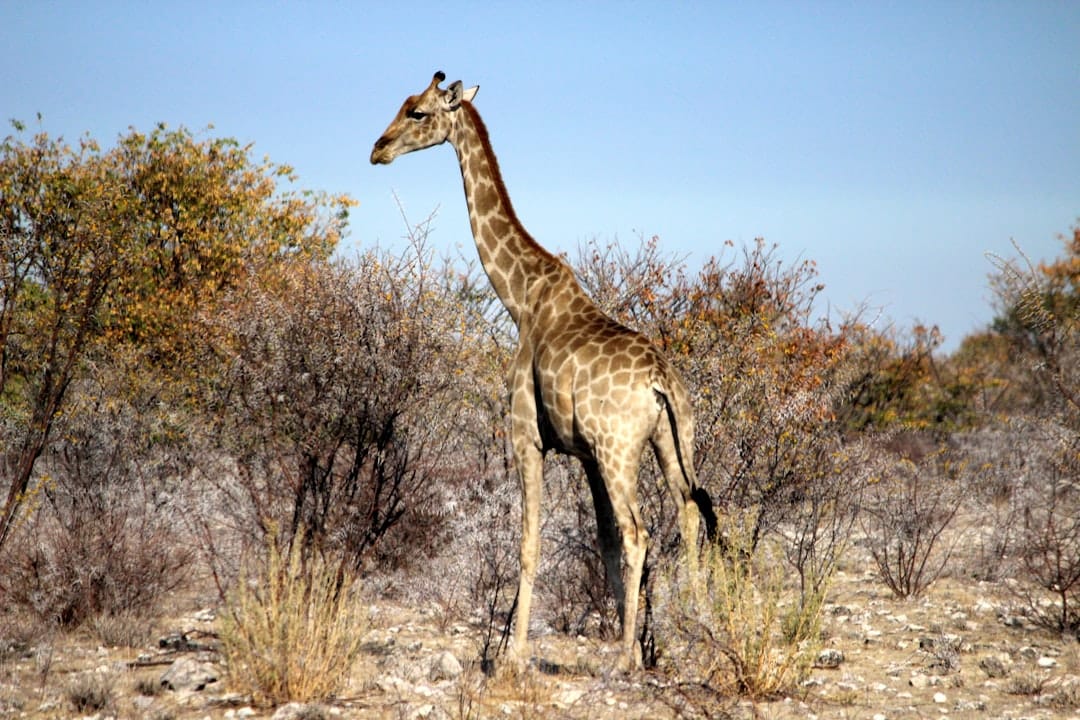
- Giraffe etiquette: Offer feed below head height so they don’t have to twist awkwardly; pause if a keeper signals.
- Zebra caution: Zebras can nip. Keep fingers flat and maintain a small gap between hand and window edge.
- Kids first, then photos: Secure children, pass them a single pellet at a time, and keep both hands clear for control.
- Stop if crowded: Too many vehicles and feed cues can escalate jostling. Wait for space or move on.
Safety, vehicle rules, and common-sense etiquette
- Speed: 5–10 mph max; roll stops for photos—don’t block the loop.
- Windows: Follow each park’s rules; windows up for carnivores and bears.
- No convertibles, soft tops, or open beds.
- Damage risk: Horns, hooves, and beaks happen. Check rental agreements for exclusions.
- Never get out: Stay inside the vehicle unless in clearly marked safe zones.
- Keep space: If an animal approaches while you’re stopped, stay still; do not reverse into other cars.
- Avoid plastic: Animals may swallow loose lids or baggies—lock everything down.
When to go for the best light and behavior
- Sunrise: Cool temps spark movement and feeding; low-angle light sculpts fur and horns.
- Last entry: A second best; traffic thins and animals perk up before dinner.
- Shoulder seasons: Spring and fall bring soft light and fewer crowds; summer heat slows activity midday.
- Weather: Overcast is a win for even exposure and eye detail. Light rain gives saturated color and rim-lit droplets.
What to expect to photograph (car safari animals)
- African exotics: Giraffe, zebra, oryx, eland, addax, waterbuck, scimitar-horned oryx
- American icons: Bison, elk, pronghorn, black bear, wolves, burros
- Scene builders: Ostrich, emu, rhea, llamas, alpacas, fallow deer
- Bonus moments: Herd crossings, dust plumes, tongue reaches, feed-cup steals, mirror sniffs
Tickets, timing, and costs
- Timed-entry is common on weekends/holidays—book ahead online.
- Typical cost: $15–$45 per adult; feed cups $3–$15 each. Second-loop discounts sometimes offered.
- Time on route: 45–120 minutes per loop depending on traffic and animal activity.
- Add-ons: Giraffe decks, behind-the-scenes tours, keeper talks stand out for photographers.
- Accessibility: Many parks allow re-entry the same day—ask at the gate and plan a golden-hour return.
A 2-day sample itinerary (Texas Hill Country)
Day 1
- Sunrise loop at Fossil Rim (reserved entry). Breakfast in Glen Rose.
- Midday break for charge/backup cards; afternoon scenic drive.
- Golden hour second loop; target giraffe silhouettes on the ridge.
Day 2
- Morning at Natural Bridge Wildlife Ranch; brunch in San Antonio.
- Afternoon hop to Cherokee Trace or a Hill Country scenic detour.
- Sunset finish; short-list your keepers and clean gear for dust.
Responsible wildlife viewing and further reading
- Practical field ethics and safety: National Park Service – Watching Wildlife
- Composition, behavior, and exposure advice: National Geographic – Wildlife Photography Tips
- Crowd insights and planning reviews: Tripadvisor – Lion Country Safari
Beyond the USA: expand your safari skills
Want to push your craft on larger, open landscapes and different species behavior? Start here:
- Photographic field guide with hands-on examples: Fossil Rim Wildlife Center Photo Tips
- Packing and workflow essentials: Safari Packing List for Photographers
- Regional road trip inspiration with scenic stops: Texas Hill Country Road Trip
Ready to roll? Pick one of the 15 parks above, lock a sunrise time slot, and pack light but smart. With ethical feeding, patient driving, and golden-hour strategy, you’ll bring home expressive portraits, layered herds, and the kind of family safari road trip memories that feel half-America, half-Africa—all from your own driver’s seat. Share your favorite loop and a hero shot; we’ll cheer you on from the next pullout.
FAQs
What is the best drive through safari in USA for photographers?
Fossil Rim (TX), Wildlife Safari (OR), and Custer State Park (SD) are top-tier for light, backdrops, and animal density. Virginia Safari Park (VA) is superb for mixed herds and long-lens layering.
Are drive-thru safaris safe for kids?
Yes—when you follow park rules. Keep seatbelts on, windows at the recommended level, hands inside, and use only approved feed. Avoid crowding animals and never exit the vehicle.
Can rental cars go through drive-thru safaris?
Usually, but check your agreement—animal damage is often excluded. Avoid convertibles and soft tops. Keep a safe angle near horned species and store feed away from dashboards.
What camera gear should I bring for a car safari?
Two lenses cover 90% of shots: 24–70mm for immersive close-ups, and 70–200mm or 100–400mm for portraits. Add a window bean bag, microfiber cloths, spare batteries, and a rubber lens hood to shoot through glass glare-free.