Wildlife photographers are always seeking immersive experiences—places where nature’s stories unfold just inches from their lens. Yet, the essence of American wildlife and its conservation can feel distant or inaccessible, especially for those far from the wilderness. Imagine one destination where the grandeur of the continent’s habitats, charismatic fauna, and conservation legacy are all captured in lifelike detail, ready for both education and artistic inspiration.
The American National Fish and Wildlife Museum is exactly that place: a Springfield wildlife attraction and innovative aquarium and wildlife museum, renowned for its ability to bring America’s wild backcountry to the heart of the city. Whether you’re an amateur with a smartphone or a professional loaded with DSLRs, the museum’s dioramas, live exhibits, and hands-on learning zones make it a top contender among American wildlife destinations for visual storytellers.
1. Immersive Wildlife Galleries for Endless Photo Ops
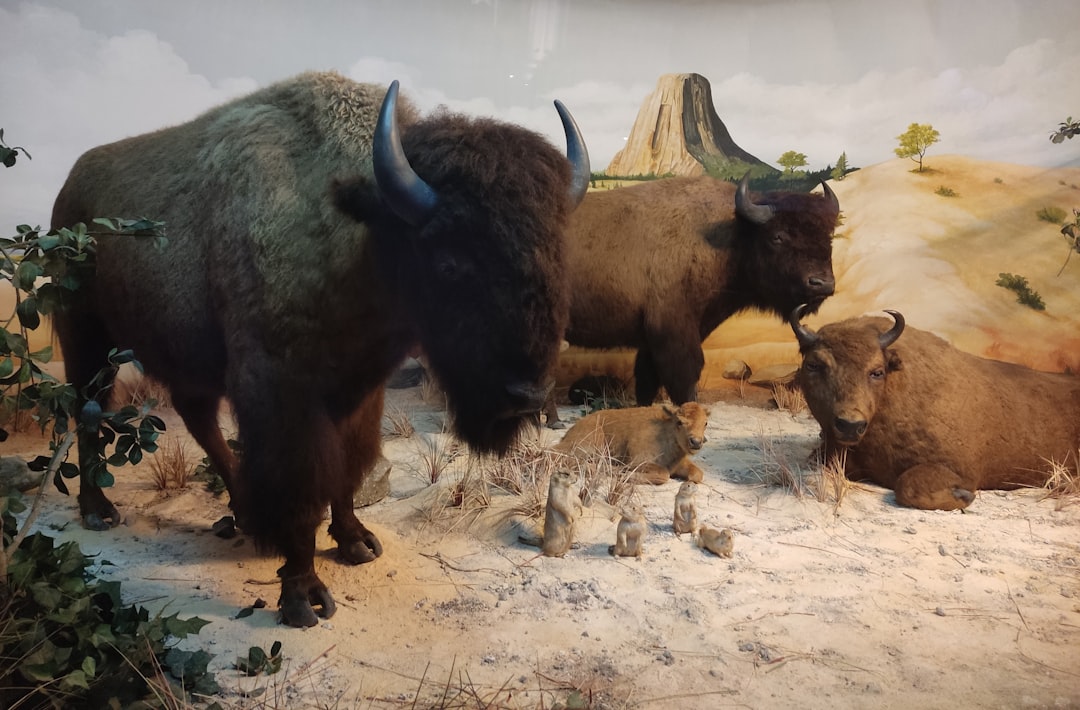
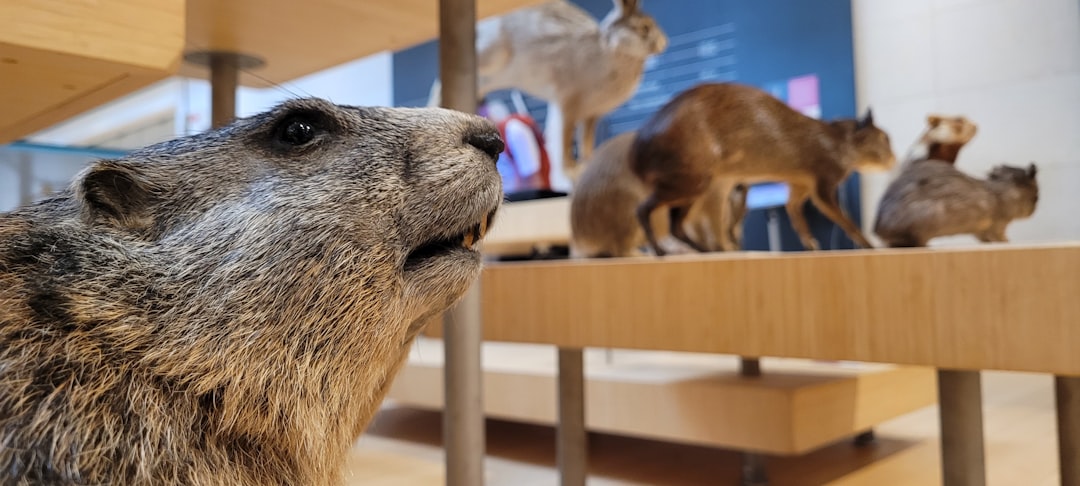
Inside the museum, you step into meticulously recreated habitats: the thundering plains of bison, shadowy Ozark forests, and vibrant riverbanks teeming with life. Each gallery is designed not only to showcase remarkable taxidermy—such as elk, wolves, and grizzlies—but to evoke the sensations of America’s most iconic wild spaces. For photographers, these life-sized, detail-rich dioramas offer low-light, high-drama scenes perfect for practicing composition or capturing dynamic wildlife portraits without disturbance.
- Dozens of habitat scenes with naturalistic backdrops and dramatic lighting.
- Camera-friendly settings for practicing low-light and flash techniques.
- Interpretive signage adds storytelling context to your images.
For more hands-on shooting, explore their special “Nature’s Best Photography” gallery, curated with award-winning images and rotating exhibits from renowned conservation photographers. This truly bridges the gap between educational wildlife museums and high-caliber visual art.
2. America’s Largest Aquarium Adventure
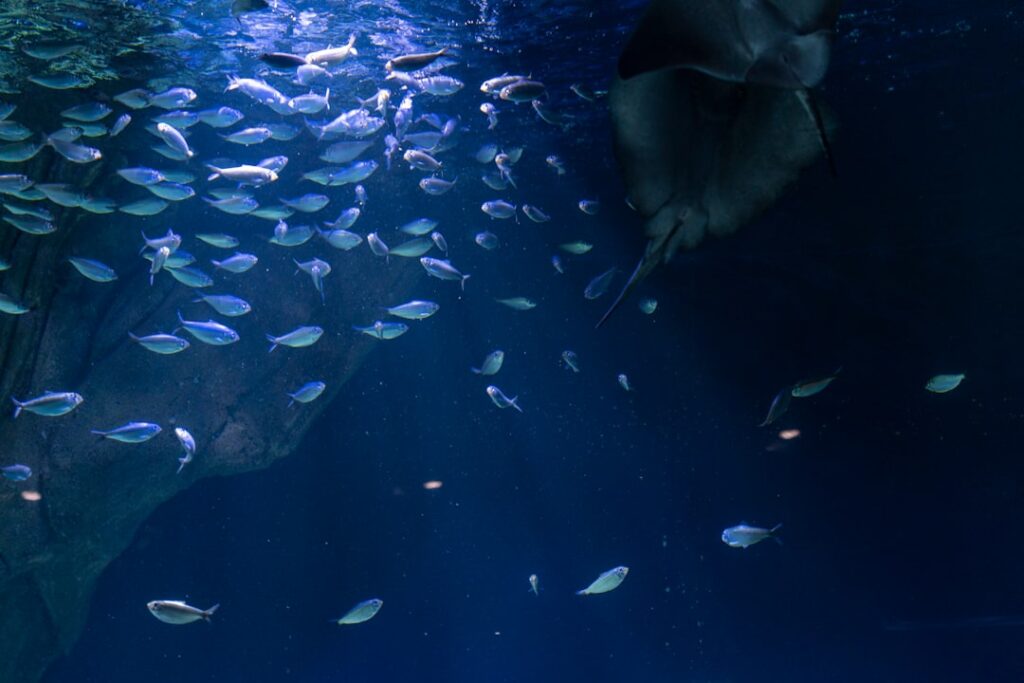
Few museums blend aquatic and terrestrial worlds so seamlessly. The 1.5-million-gallon aquarium is a spectacle: over 35,000 creatures from delicate seahorses to mighty sturgeon glide through immersive, themed environments—from Ozark streams and swampy bayous to a dramatic deep-sea shipwreck.
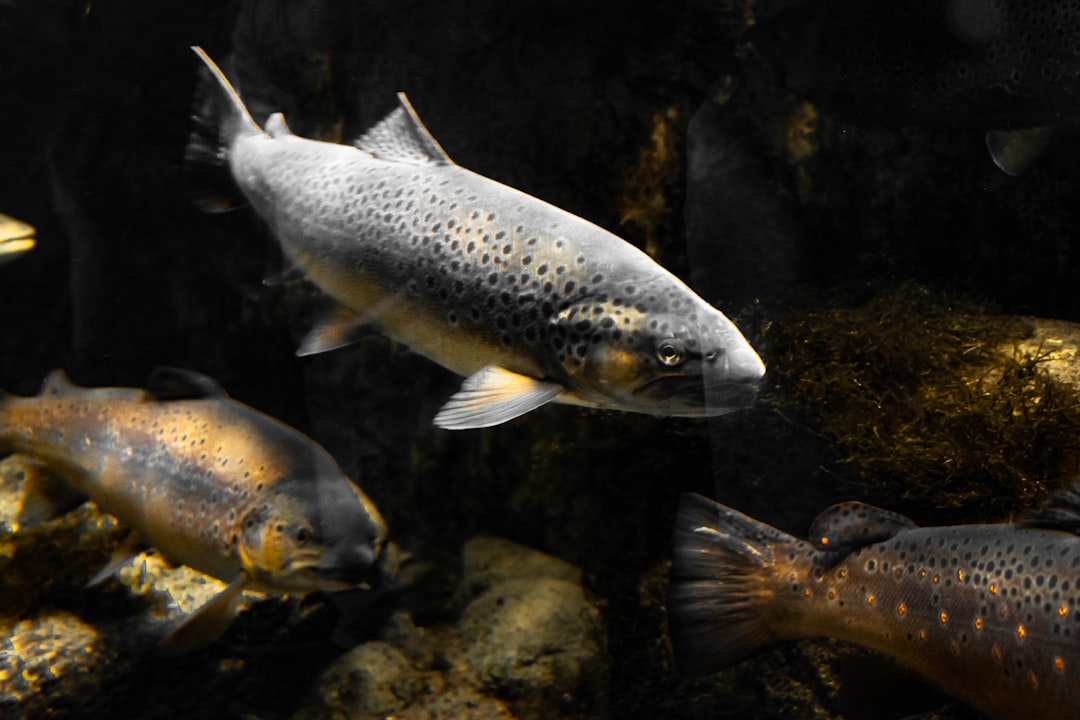
- Panoramic viewing tunnels for underwater photography with natural light.
- Rare opportunities to photograph species like paddlefish and river otters in engaging, dynamic displays.
- Dedicated touch pools and overhead platforms to experiment with unique shooting perspectives.
This blend of US fish and wildlife exhibits, stunningly displayed, is why the museum has repeatedly been named “America’s Best Aquarium” by major travel authorities and remains a benchmark for American wildlife destinations.
3. Live Animal Encounters: Action Shots Close at Hand
Photographing live animals in a controlled yet naturalistic setting is a highlight for most visitors. The museum features resident penguins, rays, alligators, turtles, and birds, all in thoughtfully designed spaces that favor natural behavior and photogenic scenes.
- Watch and shoot animal feeding sessions for fascinating movement shots.
- Get close to playful Gentoo penguins or observe alligator behavior in realistic marsh habitats.
- Special events and demonstration times cater specifically to photographers seeking dynamic animal action.
If you’re keen on photographing wildlife in motion, their staff also provide tips on best vantage points and how to minimize reflections and glare.
4. Conservation and Education: Stories Behind Every Image
More than just a photo safari, the museum is a top-tier educational wildlife museum. Conservation stories—from the recovery of the American bison to ongoing efforts for native fish restoration—are woven into every exhibit. Interactive displays and conservation-themed galleries ensure every image you make comes with a meaningful narrative.
- Each exhibit tells the broader story of North America’s conservation history.
- Environmental displays offer insight into habitats, migration, and threats to wildlife, making your images part of a bigger story.
For additional context, explore resources from the U.S. Fish & Wildlife Service and National Geographic Conservation.
5. Award-Winning Design & Lighting for Photography
The museum’s architecture and gallery design are engineered for immersive exploration, with strategic lighting, accessible walkways, and wide-angle vistas made for photographers. Motion-triggered soundscapes and creative spotlighting add drama and depth—so your photos capture not just moments, but moods.
- Staff frequently update lighting schemes, keeping exhibits vibrant for repeat visits.
- Quiet hours and after-hours photography events available for advanced shooters.
6. Photogenic Artifacts: Angling and Conservation History
Fishermen and aquatic wildlife enthusiasts will love the extensive collection on the evolution of fly fishing and angling in America. The American Museum of Fly Fishing gallery showcases historic rods, reels, flies, and rare memorabilia, displayed like jewelry for object photography.
- Rare, one-of-a-kind artifacts rarely seen elsewhere.
- Museum-quality display cases for glare-free shooting.
- The perfect backdrop for sharing the story of American conservation through its angling heritage.
More about the exhibit’s treasures can be discovered at American Museum of Fly Fishing.
7. Sustainable Tourism & Accessibility
The museum was developed with sustainability, accessibility, and inclusivity in mind—making it a model for travel photography at museums:
- Fully ADA-compliant with transport access, elevators, ramps, and family-friendly amenities.
- Refillable water stations, eco-friendly waste practices, and educational programming for all ages.
- Ample rest areas, food courts, and gift shops to fuel long photo sessions.
To expand your journey, consider pairing your museum visit with outdoor experiences in the surrounding Ozarks, or plan a Texas wildlife road trip inspired by Texas Hill Country.
8. Events and Workshops Tailored to Photographers
Regularly scheduled photo walks, wildlife-themed workshops, and exclusive “photo night” events allow photogs to access the museum under unique conditions.
- Learn from professional wildlife photographers and museum curators.
- Take part in themed photo contests, live editing sessions, and technique demonstrations.
- Capture rare exhibits or animals during feeding, enrichment, or seasonal lighting setups.
Want to refine your skills? Explore more specialized tips in the Ontario wildlife photography guide.
9. Unique Backdrops for Storytelling
No other Springfield wildlife attraction blends authentic natural history and museum artistry the same way. Backlit rock faces, misted waterfalls, and lush greenery frame the displays—letting you create environmental portraits or macro shots rivaling those taken in the field.
- Full-size replica fishing boats, President’s gear, and trophy antler collections.
- Themed zones let you move seamlessly from mountain wilderness to Mississippi bayou.
- Seasonal displays and holiday events offer a creative twist for timelapse or themed photography.
Considering more wild destinations? Compare the museum’s in-depth exhibits to outdoor photo adventures like the Out of Africa Wildlife Park.
10. Central Location—Perfect Starting Point for Wildlife Photographers
Located in Springfield, Missouri, adjacent to the world’s largest Bass Pro Shops, the museum makes a strategic stop for any Midwest or cross-country trip. With the city’s vibrant arts scene, Ozark trailheads nearby, and other wildlife-rich parks within driving distance, the museum acts as a launch-pad for further photo expeditions.
- Springfield is a gateway to North America’s central wild places and a flourishing creative community.
- Plan a full wildlife-themed vacation, balancing museum learning with nearby nature reserves.
- Ample parking, easy lodging, and integrated ticketing streamline your travel photography trip.
For added inspiration, check out curated lists of the best wildlife destinations in 2025.
How to Get the Most from Your Visit
Maximize your photo adventure at the American National Fish and Wildlife Museum with these quick tips:
- Arrive early to enjoy quieter galleries and optimal lighting.
- Bring a fast lens (f/2.8 or wider) for low-light dioramas.
- Make use of benches and platforms for slow-shutter landscape shots inside.
- Don’t forget wide-angle and macro options for maximum creative possibilities.
For even more gear and preparation ideas, see the safari packing list for photographers.
Stepping into the American National Fish and Wildlife Museum isn’t just educational—it’s a chance to capture the pulse of America’s wild realms, from mountain peaks to river depths, all through your lens. Whether crafting jaw-dropping portraits for your portfolio or teaching the next generation the value of conservation, this destination rewards curiosity, artistry, and stewardship. Share your favorite photos, inspire fellow explorers, and let your stories spark a greater appreciation of American wildlife.
FAQs
What makes the American National Fish and Wildlife Museum unique for wildlife photographers?
The museum’s immersive habitats, dramatic lighting, and combination of live and lifelike exhibits provide endless opportunities to practice wildlife photography techniques, including macro, portrait, and action shots. Award-winning design and conservation-themed galleries set it apart from typical museums.
Are tripods and professional cameras allowed inside the museum?
Handheld cameras and smartphones are widely permitted for personal use. For tripods, monopods, or professional setups, check with the museum’s guidelines in advance or inquire about dedicated photography events where this equipment is welcomed.
How long should I plan for a visit?
Most photographers recommend setting aside at least four hours to fully explore both the wildlife galleries and aquarium sections, though dedicated shoots or workshops may take an entire day.
Is the museum accessible for families or photographers with mobility needs?
Yes, the facility is fully ADA-compliant, offering ramps, elevators, accessible restrooms, and stroller-friendly paths. Families and visitors with mobility needs will find ample support and amenities throughout the museum.