For wildlife photographers, Don Edwards National Wildlife Refuge isn’t just a marshy preserve on the map—it’s a living, breathing theater set on the edge of the Bay Area, where the light is never the same and the wild always surprises. But here’s the challenge: the ever-changing tides, constantly shifting bird migrations, and unpredictable Bay Area skies mean scoring the perfect shot at Don Edwards takes more than luck alone. You might stake out the salt ponds only to find wildlife just out of range, or visit on a dazzling blue day that washes your photos in harsh middle-of-the-day contrast.
That’s where this guide comes in. Drawing from years of fieldwork, community insights, and expert recommendations, this is your essential field manual for mastering wildlife photography at Don Edwards National Wildlife Refuge. You’ll discover not only the best spots at Don Edwards Refuge, but also field-proven techniques, gear tips, and creative inspiration for every level of wildlife enthusiast. Whether you’re planning your first trip or refining your Bay Area wildlife photography chops, these strategies will help you capture unforgettable moments among tidal wetlands, open baylands, and dramatic sunsets—turning fleeting encounters into portfolio-worthy images.
Why Don Edwards Is a Bay Area Icon for Wildlife Photography
Spanning more than 30,000 acres along the southern edge of San Francisco Bay, Don Edwards National Wildlife Refuge is a rare urban wilderness teeming with biodiversity. Photographers flock here for sweeping marsh vistas, seasonal bird migrations, and iconic backdrops like the Dumbarton Bridge and reflective salt ponds. In peak spring and fall, over 280 bird species funnel through the refuge, transforming it into a mecca for Bay Area wildlife photography and birdwatching at Don Edwards.
You’ll find accessible trails for every energy level—stroll the paved Shoreline Trail for family-friendly views, or wander cattail-edged levees for jaw-dropping compositions at golden hour. The unique mosaic of salt ponds and tidal wetlands means new photographic subjects appear with every visit, from elegant egrets to urban silhouettes at sunset.
9 Epic Wildlife Photography Tips for Don Edwards National Wildlife Refuge
1. Scout Sunrise and Sunset for the Bay’s Best Light
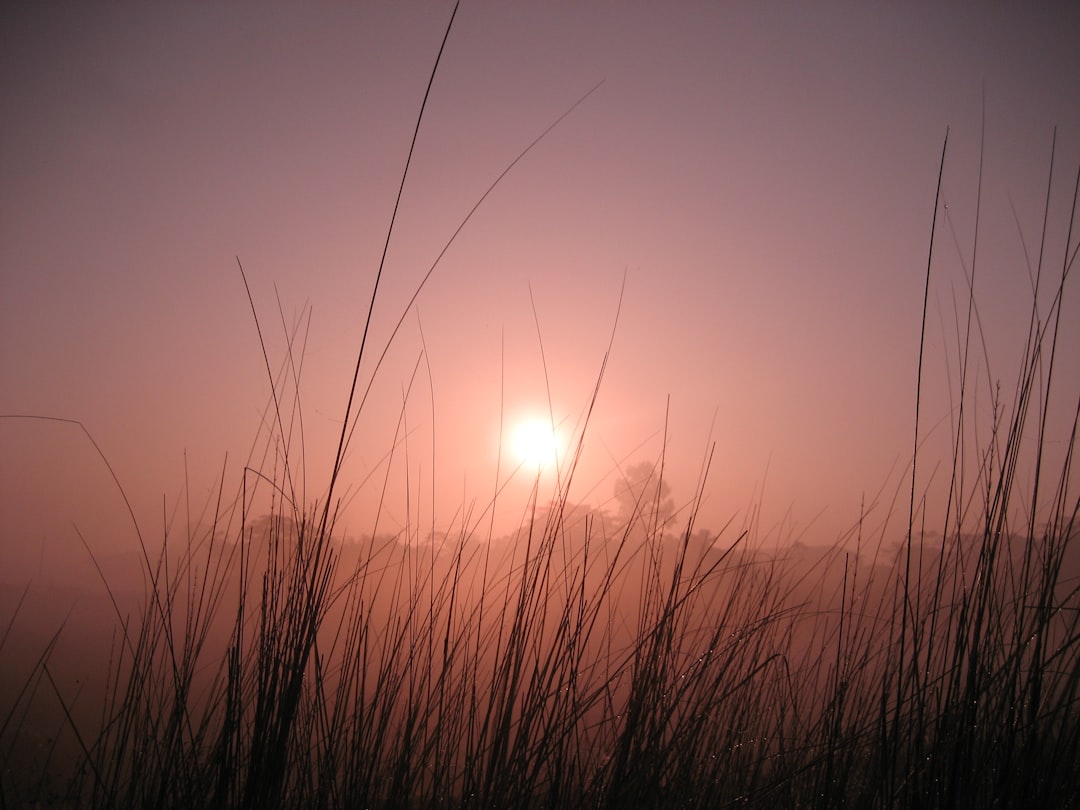
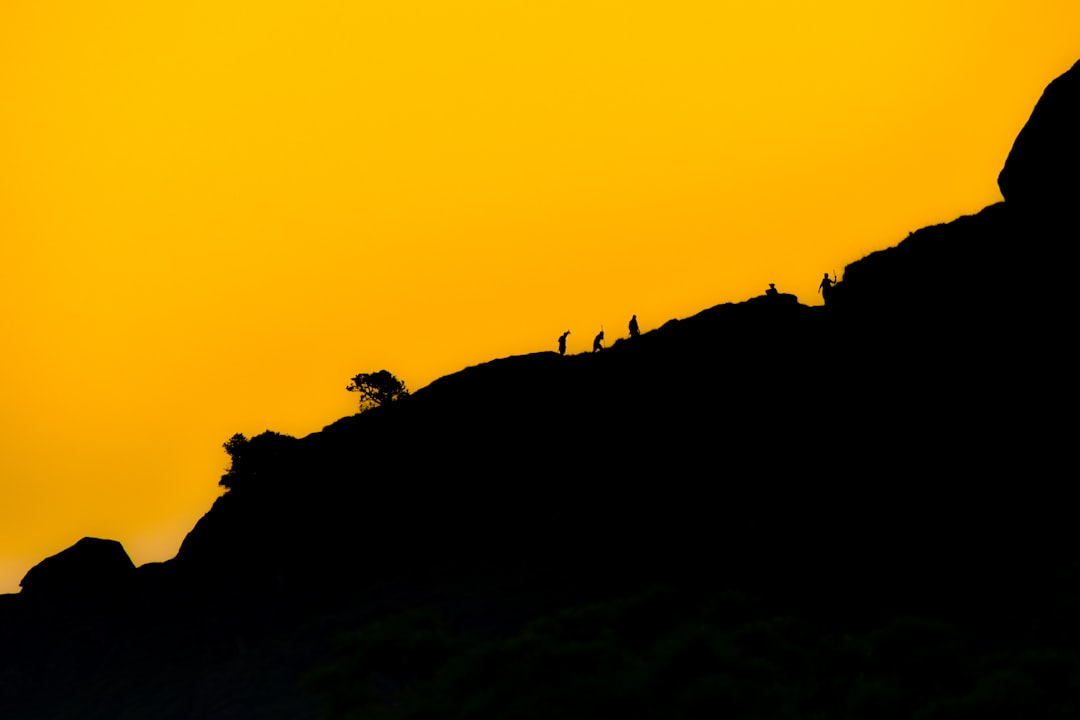
Golden hour transforms Don Edwards’ muted marshes into a riot of color and texture. Early mornings shroud the lagoons in drifting fog and soft, reflective light, ideal for both intimate wildlife close-ups and painterly landscapes. Sunset at spots like the Salt Pond Levee offers silhouettes of wading birds set ablaze by fiery skies—one reason San Francisco wildlife photography destinations rank Don Edwards among the most photogenic in Northern California.
Tip: Plan your visit for the first two hours after sunrise or just before sunset for the richest color and least harsh shadows.
2. Target Seasonal Hotspots for Migratory Birds
The refuge comes alive with migratory shorebirds, ducks, and raptors between October and April, with the Dumbarton Bridge, Alviso Unit, and New Chicago Marsh emerging as seasonal hotspots. During migration, thousands of avocets, stilts, and sandpipers feed in shimmering pools—prime territory for dynamic group shots and crisp portraits.
Essential Locations for Birding and Photography:
- Shoreline Trail (near Dumbarton Bridge): Open vistas for flight photography.
- Salt Pond Trails: Best for reflection shots and mixed species.
- Alviso Environmental Education Center: Elevated viewing decks, ideal for spotting waterfowl and mammals.
Explore a beginner-friendly Bay Area wildlife photography guide
3. Use the Right Gear—But Don’t Overpack
Wildlife at Don Edwards can be distant, so a telephoto lens (300mm minimum) is crucial. But don’t underestimate the creative potential of wider lenses for capturing sense-of-place shots with big Bay Area skies.
Recommended Gear:
- Telephoto lens (300mm–600mm) for birds
- Wide-to-standard zoom (24–105mm) for habitat and landscape context
- Monopod or lightweight tripod for stability on levee trails
- Polarizing filter to cut glare from water surfaces
4. Find Wildlife Action on the Baylands Nature Trails
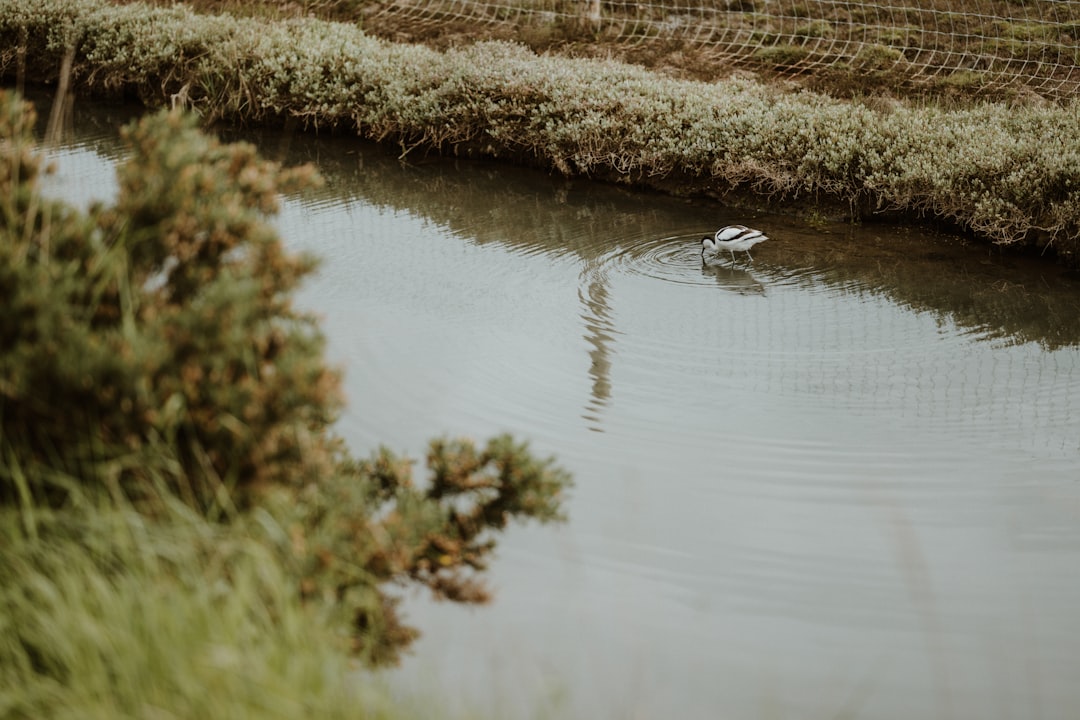
Don Edwards’ Baylands nature trails wind through a mosaic of freshwater sloughs, tidal marsh, and mudflats—each hosting unique wildlife encounters. From the Ravenswood boardwalks to the Marshland Road drive, these routes reward photographers who walk softly, pause often, and observe patiently.
Pro Tips for Spotting Wildlife:
- Travel quietly on foot; avoid sudden movement.
- Bring binoculars to scout distant subjects before setting up for a shot.
- Focus on transitions between open water, reeds, and mudflats—prime hunting grounds for herons, egrets, and raptors.
Discover more places for immersive wildlife photography experiences
5. Compose Dramatic Images with Leading Lines and Reflections
Leverage built-in compositional elements like dike trails, wooden boardwalks, and the linear shapes of the Dumbarton Bridge. Look for mirrored reflections in still water during calm mornings or after a passing storm for moody, layered landscape shots.
Quick List:
- Use trail edges as leading lines into marsh scenes.
- Frame birds or mammals in open water for reflection shots.
- Capture city skylines as dramatic backdrops.
6. Stay Flexible: Weather and Wildlife Change Fast
Bay Area weather is notoriously mercurial—fog can roll in and transform the mood in minutes. Wildlife, too, is unpredictable; sometimes you’ll wait an hour for egrets to approach, then get a burst of action as a hawk dives overhead.
Adapt with These Tactics:
- If light is flat, switch to black-and-white or silhouette images.
- Embrace rain or fog for atmospheric, story-rich shots.
- Always have extra batteries and cards accessible; you could go from quiet watchfulness to shutter-burst action in seconds.
7. Respect Wildlife and Shooting Ethics
Don Edwards is first and foremost a sanctuary. Always follow posted trails, respect habitat restoration areas, and maintain a safe distance from all animals. Avoid using drones, which are generally prohibited, and minimize noise.
Wildlife Photography Code of Conduct:
- Stay on marked paths and viewing platforms.
- Don’t flush birds or approach nests.
- Practice patience—let the wildlife set the pace for your shoot.
Get additional ethical wildlife photography advice
8. Take Advantage of Refuges’ Viewing Platforms and Field Blinds
The refuge is designed with photographers in mind, including accessible platforms, hides, and overlook decks. These features offer stable vantage points for capturing elusive marsh birds or mammals while minimizing disturbance.
Tip: The boardwalks near the Environmental Education Center and Marshland Road provide unobstructed views across prime birding pools.
9. Connect with the Community for Hot Tips and Updates
Stay plugged into local wildlife and photography circles—via Instagram, Facebook groups, or platforms like iNaturalist’s Don Edwards field guide—for up-to-the-minute sightings and inspiration. Many photographers share location-specific tips for capturing rare sightings and notable natural events.
Further Reading:
- Official U.S. Fish & Wildlife Don Edwards Visitor Info
- Tripadvisor Reviews and Tips for Don Edwards National Wildlife Refuge
Must-See Highlights for Photographers
- Golden Gate and Dumbarton Bridge Vistas: Epic silhouettes at sunset, best from the Shoreline and Marshland trails.
- Salt Pond Reflections: Unique colored waters and salt-encrusted banks, best after rain.
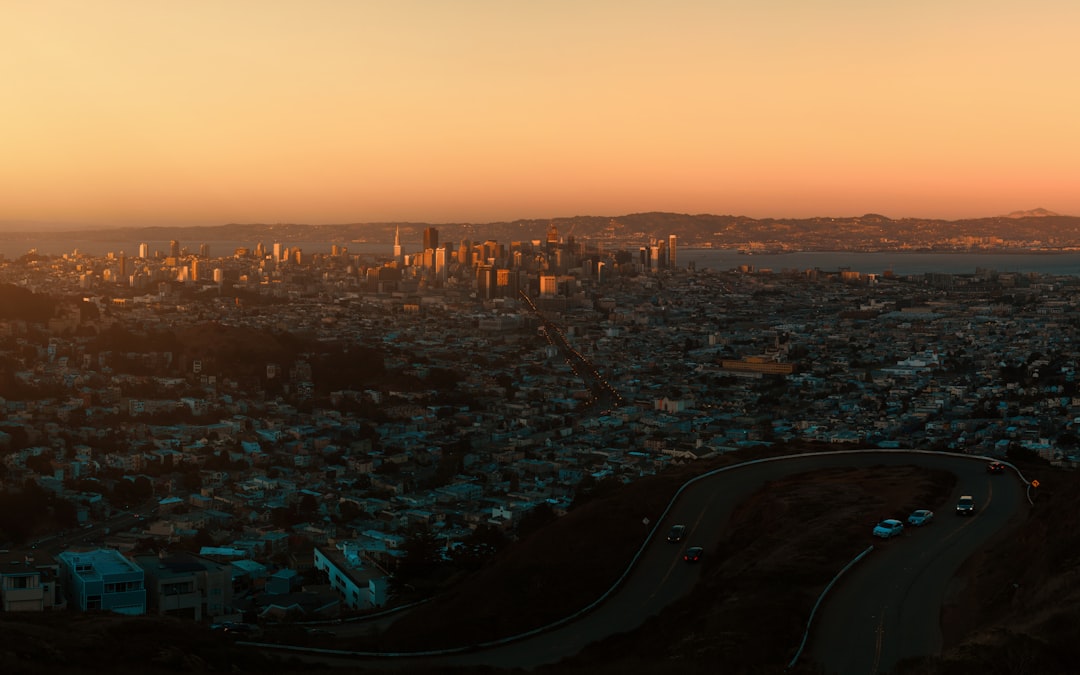
- Urban-Wildlife Contrast: Use the distant San Francisco skyline or industrial remnants for compelling juxtapositions.
Pro Tips for Your Bay Area Wildlife Photography Adventure
- Start early to maximize lighting and avoid crowds.
- Bring plenty of water, sun protection, and layers for changeable weather.
- Pack extra memory and charge your batteries—wildlife encounters can last all day.
- Always check trail status on the official refuge website.
Internal and External Resources for Deeper Exploration
For an actionable wildlife safari packing list for photographers, visit this essential checklist.
Compare with other top U.S. wildlife reserves in the Magnolia Branch Wildlife Reserve camping guide.
Explore a global perspective with The Top 10 Wildlife Destinations in the World.
Learn more about U.S. Fish & Wildlife’s photography programs
Plan your trip with National Geographic’s guide to Bay Area outdoor escapes
Read recent visitor reviews and practical tips on Tripadvisor
Conclusion
Whether you’re a first-time visitor or seasoned wildlife chaser, Don Edwards National Wildlife Refuge offers a limitless canvas for creative exploration and unforgettable wildlife encounters. From sunrise reflections to dramatic bird migrations, every visit invites new stories—waiting for you to capture and share. Take your time, respect the rhythm of nature, and let each image deepen your connection to this iconic Bay Area sanctuary.
FAQ
What wildlife can I photograph at Don Edwards National Wildlife Refuge?
The refuge is renowned for its bird diversity—expect to see and photograph species such as egrets, herons, American avocets, stilts, and raptors, especially during spring and fall migration. Mammals, reptiles, and insects also inhabit the area, making it a versatile spot for bay area wildlife photography.
When is the best time of year to visit for wildlife photography?
October through April is peak for migratory shorebirds and waterfowl, though you can find great photographic opportunities year-round. Dawn and dusk provide the most vibrant light and active wildlife scenes.
Are there specific trails or locations for the best photography?
Yes, top spots include the Shoreline Trail near the Dumbarton Bridge (for sweeping vistas and sunset), the Salt Pond and Marshland Road trails (for diverse birdlife), and the viewing platforms at Alviso Environmental Education Center. These are among the best spots at Don Edwards Refuge.
Can I use a drone for aerial photos at Don Edwards?
No, drone usage is generally prohibited at national wildlife refuges, including Don Edwards, to protect sensitive habitats and avoid disturbing wildlife. Stick to designated trails, overlooks, and boardwalks for fantastic ground-level and panoramic shots.