Nestled on Florida’s Atlantic coast, Pelican Island Wildlife Preserve promises more than just pretty views—it safeguards a fragile natural world under threat. As America’s first national wildlife refuge, this historic haven was created when feathers and wetlands alike were vanishing fast. Today, it stands as an inspiring success story for eco travel in Florida, drawing birdwatchers, naturalists, and wildlife photographers from across the globe. Yet, with development pressing in and migratory paths shifting, this island sanctuary matters now more than ever.
Imagine setting out at dawn, the air filled with the calls of wading birds as mist lifts over vast marshlands. For anyone passionate about wildlife photography in Florida, this spot is pure gold: pelicans, roseate spoonbills, wood storks, and shy manatees thrive amid lush mangroves and sparkling lagoon waters. Whether your lens is set for that memorable shot or your binoculars are trained on gliding raptors, the unique biodiversity here delivers something truly unforgettable.
1. Step Into Conservation History—America’s First Wildlife Sanctuary
Long before green travel became a trend, Pelican Island was the spark of hope for American wildlife reserves. Established in 1903 by President Theodore Roosevelt, it marked the beginning of a nationwide movement to save imperiled birds from extinction and protect their habitats. Today, the preserve has grown to more than 5,400 acres and is a designated National Historic Landmark, a Wetland of International Importance, and a candidate Marine Protected Area. The original pelican rookery—still bustling with nesting birds—remains the heart of this living legacy.
- Why it Matters: Protects over 14 federally threatened and endangered species, from marine turtles to the charismatic West Indian manatee.
- What You’ll Experience: Walk in the footsteps of early conservationists, trace interpretive trails, and see conservation miracles come to life.
- Travel Tip: Pair your visit with deeper insights at National Geographic’s coverage on Florida’s wildlife refuges.
2. A Birdwatcher’s Paradise: Iconic Birds and Rare Sightings
Pelican Island is globally recognized among birdwatching destinations USA for its vibrant and diverse avian life. Over 140 species rely on these protected mangrove islands and lagoons, particularly during spring and fall migrations.
- Signature Residents: Brown pelicans (the refuge’s namesake), roseate spoonbills, great egrets, herons, ospreys, wood storks, and more.
- Seasonal Highlights: Nesting season brings dazzling flurries of activity. Bring your longest telephoto lens for dramatic action shots.
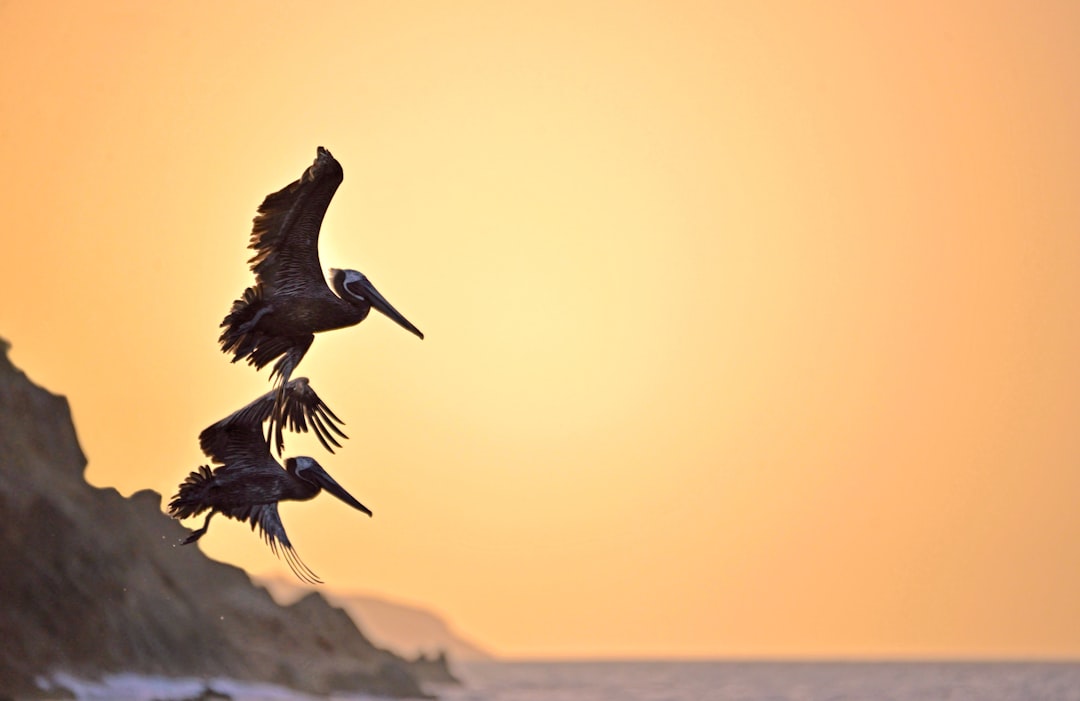
- Photographer’s Dream: The observation platform provides front-row views for travel and wildlife photography. Early morning and late afternoon offer magical light for capturing striking silhouettes.
- Pro Pointer: Discover more tips for stellar photos in diverse environments with this expert wildlife photography guide from Ontario.
3. Thriving Habitats: From Mangroves to Marshlands
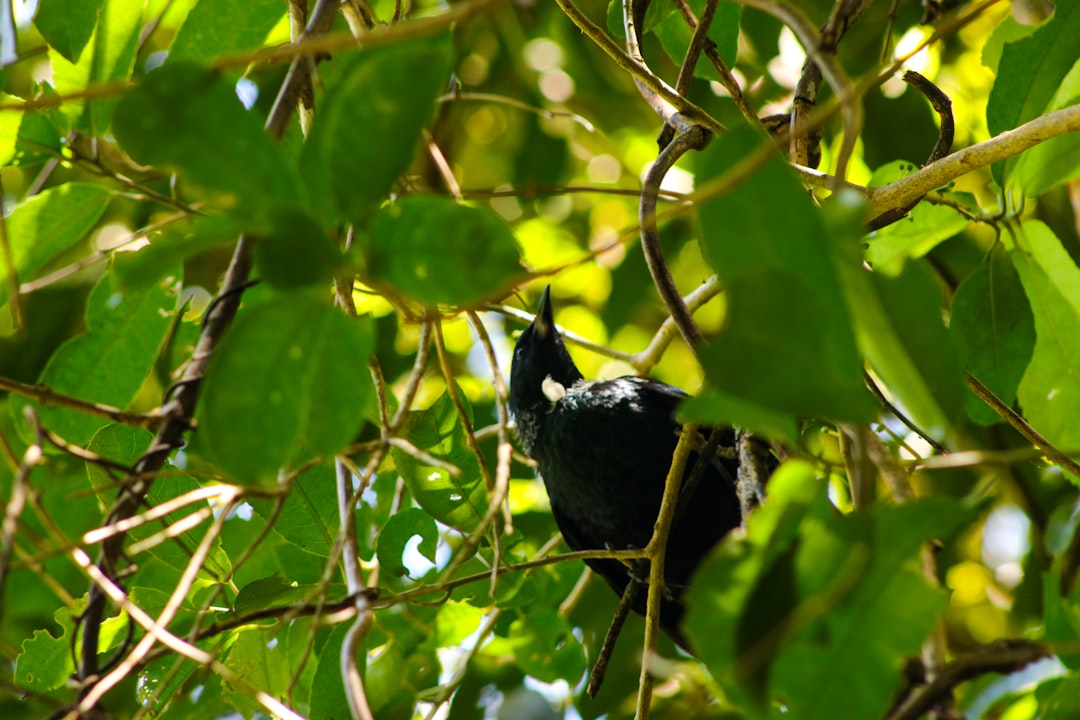
Pelican Island forms part of the Indian River Lagoon ecosystem, one of North America’s most biologically diverse estuaries. Here, nature trails in Florida wind through tidal marshes, seagrass beds, lush hammocks, and legendary mangrove forests:
- Mangrove Forests: Buffer storm surges and serve as nurseries for hundreds of fish, crustacean, and bird species.
- Salt Marshes & Seagrass Beds: Vital for water filtration, carbon capture, and as feeding grounds.
- Lagoons: Home to manatees, dolphins, and occasional sea turtles gliding nearby.
Habitat restoration is taken seriously: invasive plants are removed, native vegetation is replanted, and water tables are carefully managed for the long-term health of every resident species.
4. Unbeatable Wildlife Photography Opportunities
For both beginners and seasoned pros, wildlife photography in Florida hits a new level at Pelican Island. Expect striking shots from dawn to dusk:
- Pelicans in Flight: Iconic sunrise flyovers.
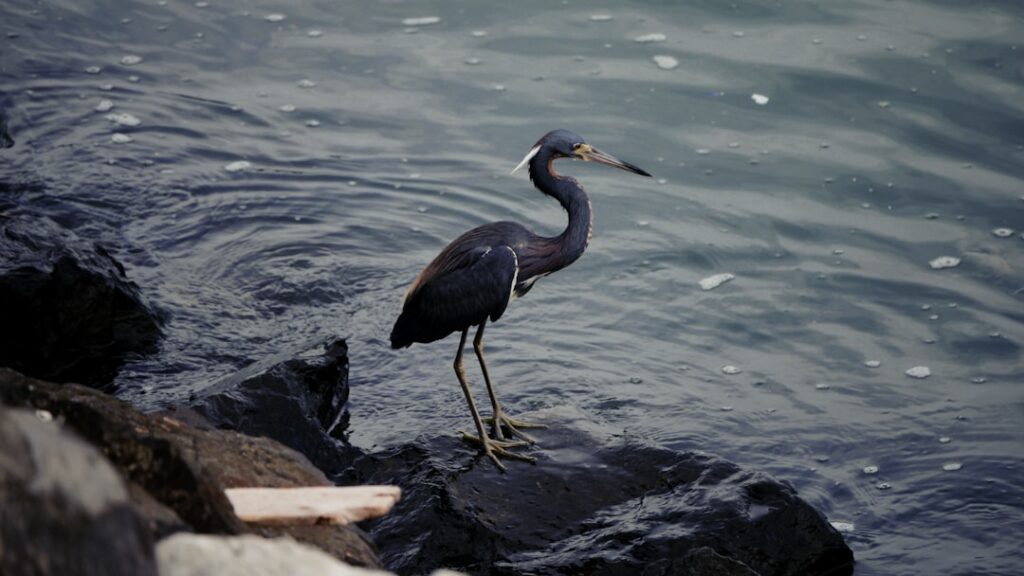
- Wading Birds: Watch for the delicate hunt of egrets and herons in mirror-calm shallows.
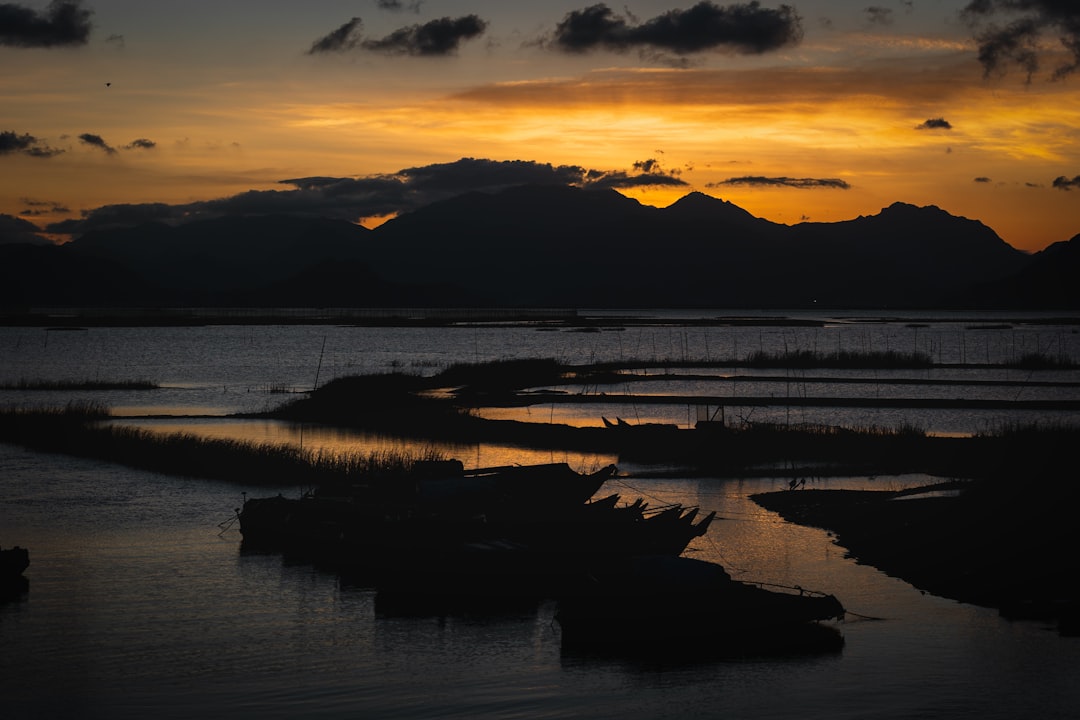
- Unexpected Surprises: Dolphins breaching, a distant manatee snout, or a wood stork silhouetted at sunset.
- Nature-Inspired Compositions: Boardwalks, old-growth mangroves, and shifting skies provide endless creative backdrops.
Explore more creative strategies for photographing wildlife at diverse parks in this guide to Fossil Rim Wildlife Center.
5. Explore Trails and Boardwalks for Up-Close Encounters
Nature lovers and families alike can access a thoughtfully designed trail network weaving through different Florida ecosystems. Highlights include:
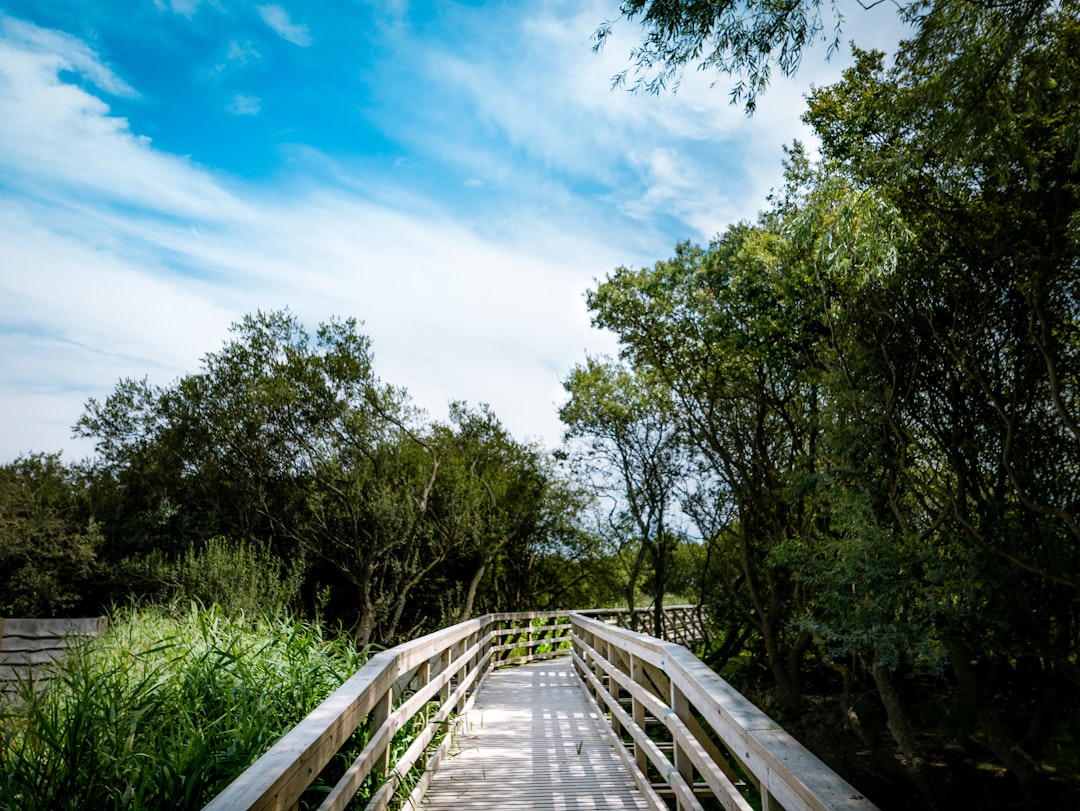
- Accessible boardwalks with interpretive signage sharing local lore and science.
- Observation decks that let you scan for roosting birds and distant manatees.
- Quiet, less-explored side trails perfect for slow exploration and macro nature photography.
6. Experience Ethical Eco Travel in Florida
Pelican Island is a model for sustainable adventure. Eco-conscious travelers help safeguard delicate habitats by:
- Sticking to marked trails
- Avoiding drone use and loud noises
- Packing out all trash and following Leave No Trace principles
Local rangers and volunteers offer guided hikes and educational programs—check the official US Fish and Wildlife Service page for current schedules. Responsible boating and catch-and-release fishing are permitted in surrounding waters, subject to state and federal regulations.
7. Connect With the Wild Year-Round
This preserve is captivating in every season:
- Spring: Migratory flocks and nesting rituals.
- Summer: Lush greenery and butterflies abound.
- Autumn: Milder temps, fewer crowds, and spectacular sunsets.
- Winter: Prime wildlife viewing as migratory species take refuge.
- For rare wildlife moments at other top sites, read Best Wildlife Destinations 2025.
Practical Tips for Planning Your Visit
- Location: Just north of Vero Beach, FL, and easily accessible from US-1.
- Hours: Open daily at sunrise (7:30 am) to sunset.
- Facilities: Free parking, restrooms, and accessible trails.
- Pack: Binoculars, long-lens camera, sun protection, insect spray, and refillable water bottle.
- Regulations: No pets, drones, or off-trail hiking. Check official guidelines before your visit.
More Ways to Deepen Your Wild Florida Adventure
- For anyone enamored with birding, see Bird Photography for Beginners – Bosque del Apache.
- Learn the best safari photography packing tips before your trip.
- Dreaming of more destinations? Explore Travel + Leisure’s guide to Florida’s wild side.
Few places blend history, biodiversity, and accessible adventure like Pelican Island Wildlife Preserve. Whether you crave awe-inspiring bird spectacles, tranquil moments on nature trails, or meaningful eco-conscious travel, this legendary sanctuary exceeds all expectations. Discover the wild heart of coastal Florida, and let the experiences here inspire both your photography and your passion for conservation. Ready to answer the call of the wild? Share this guide and start planning your own unforgettable journey.
FAQ
What is Pelican Island Wildlife Preserve known for?
Pelican Island Wildlife Preserve is world-renowned as America’s first national wildlife refuge, protecting over 5,400 acres of critical bird, marine, and wetland habitats along Florida’s Indian River Lagoon. It hosts over 140 bird species and many threatened or endangered animals.
When is the best time to visit Pelican Island for wildlife and photography?
Spring and fall are peak for birdwatching and wildlife photography, as migratory birds pass through and nesting activity surges. Early mornings and late afternoons deliver the most photogenic light and animal encounters.
Are there nature trails or boardwalks suitable for families?
Yes. The preserve features well-maintained nature trails and accessible boardwalks with interpretive signage, perfect for all ages and mobility levels. Observation platforms offer amazing vantage points for birdwatching and photography.
Can I fish or kayak at Pelican Island Wildlife Preserve?
Fishing and kayaking are permitted in surrounding lagoon waters, but you must follow all federal and state regulations to minimize disturbance to wildlife. Always check posted rules and guidelines before setting out.