Breathtaking landscapes, diverse wildlife, and dramatic seasonal changes make Sherburne National Wildlife Refuge a must-visit for wildlife photography in Minnesota. Yet, amid Minnesota’s bustling attractions, many photographers and nature lovers still overlook this gem. Missing out means forgoing rare chances to photograph epic sandhill crane migrations, peaceful dawn mist over wetlands, and vibrant wildflowers beneath endless skies. If you crave meaningful wildlife encounters, captivating birdwatching, and memorable photo spots in a serene natural setting, Sherburne answers the call.
The solution? Discover Sherburne’s lush habitats and unique species—a blueprint for unforgettable travel and photography adventures in the Midwest. Whether you’re chasing the perfect shot or simply seeking tranquility, good planning and insider tips unlock experiences beyond the ordinary.
7 Epic Reasons to Explore Sherburne National Wildlife Refuge for Photography
1. Prairie Wildlife Drive: A Photographer’s Dream
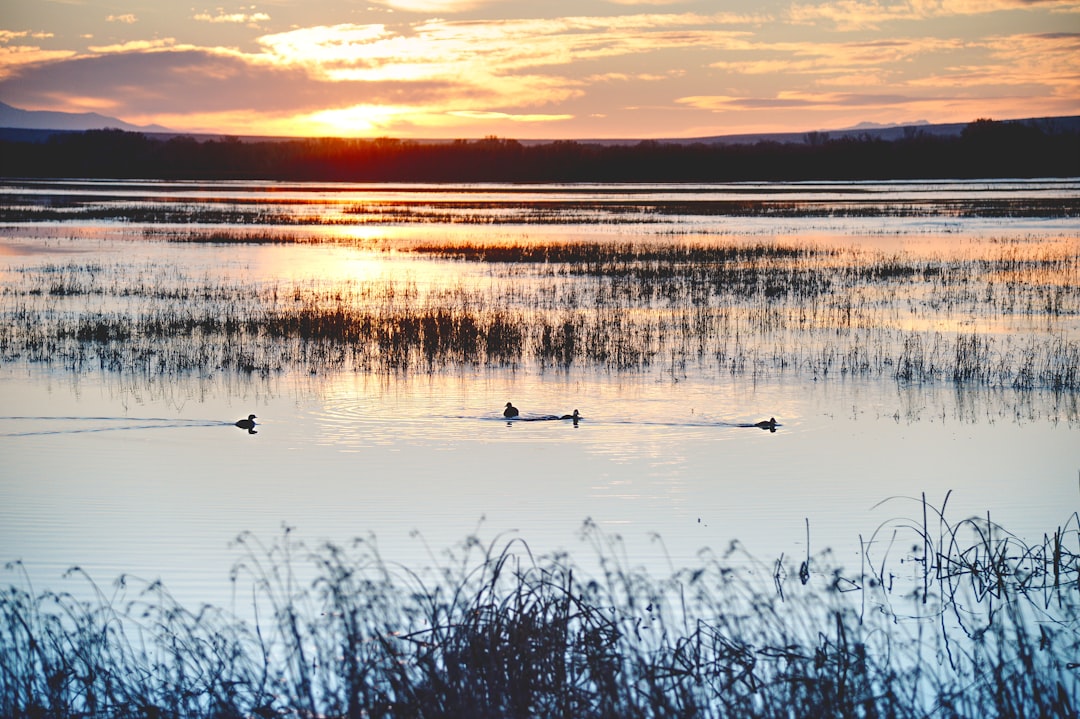
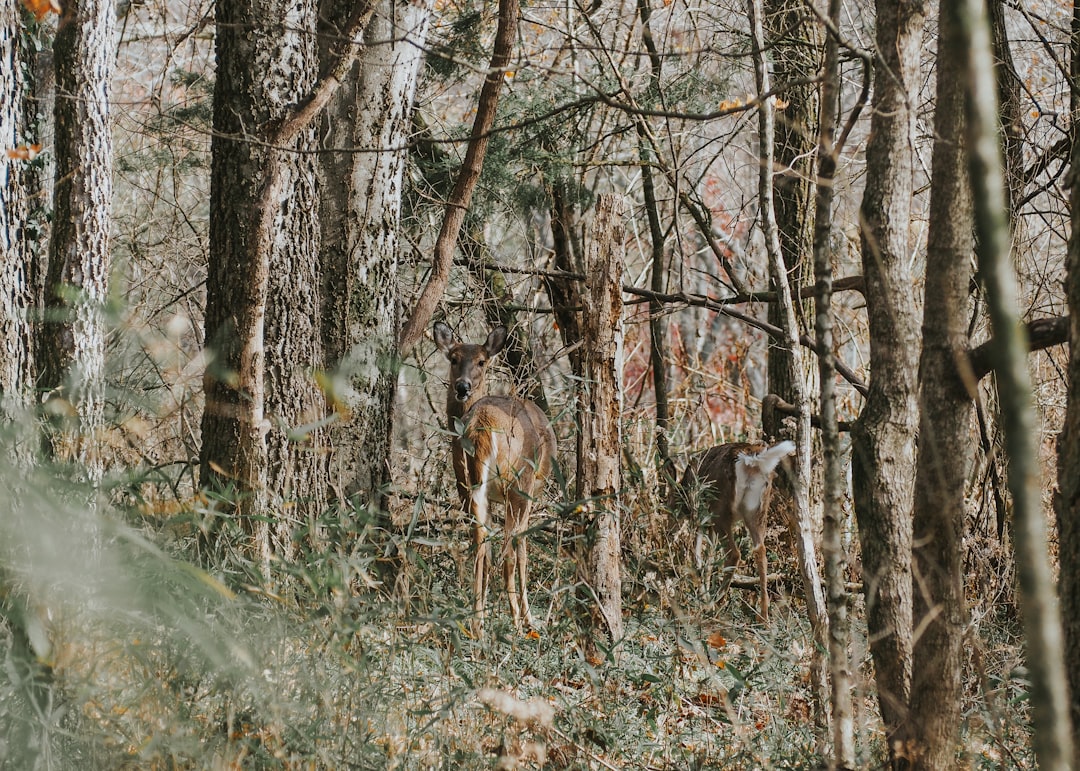
Unfolding over seven miles, the Prairie Wildlife Drive offers panoramic views across marshes, prairies, and woodlands. Early mornings bring ethereal light and heightened wildlife activity—the golden hour reveals the best photo opportunities for birds, deer, and fleeting encounters with foxes or coyotes. Bring a telephoto lens to capture distant sandhill cranes, swans, loons, and more.
- Features multiple trailheads and viewing platforms—ideal for varied shooting angles and perspectives.
- Nature trails like Oak Savanna and the Observation Blind are designed for close-ups of flora and fauna.
- Internal tip: Photographers also find inspiration at Fossil Rim Wildlife Center for diverse wildlife scenes.
2. Wildlife Photography in Minnesota: Sandhill Crane Migration
Each fall, Sherburne becomes one of Minnesota’s premier birdwatching destinations as thousands of sandhill cranes gather in dramatic flocks. With the backdrop of vibrant autumn foliage, this event offers rare, emotive images sought by nature photographers worldwide.
- Cranes peak during September and October; plan your visit for migration season.
- Capture the dynamic movement and collective energy of the flocks.
- External tip: National Geographic offers inspiring sandhill crane photography guides.
Other birds—swans, geese, loons, eagles—add to Sherburne’s reputation for birdwatching excellence.
3. Nature Trails Sherburne: Immersive Landscapes for All Skill Levels
Sherburne’s loop trails wind through thriving ecosystems, from prairie grasslands to wetland pools and dense forests. Every trailhead hosts new photo opportunities, including macro shots of wildflowers, butterflies, and insects in summer.
- Blue Hill Trail and Oak Savanna Learning Center trails support easy hikes and accessible wildlife viewing.
- Early summer brings vibrant lupine blooms—perfect for wide-angle landscape compositions.
- Macro photographers can pursue “microcosmic” subjects like the Eight-Spotted Forester Moth.
4. Best Photo Spots and Observation Platforms
Sherburne’s well-planned observation blinds and platforms put you at eye-level with the action.
- St. Francis Pool is a hotspot for sandhill cranes by moonlight.
- Prairie’s Edge Wildlife Drive offers year-round vantage points for sunrise, sunset, and starry sky shooting.
- Internal link: For tips on exclusive viewing areas, check out John Heinz National Wildlife Refuge Photography Guide.
5. Birdwatching Sherburne Refuge: Iconic Species and Habitats
Sherburne’s blend of wetlands, savanna, and woodlands supports Minnesota’s richest bird populations.
- Over 230 known species: American tree sparrows, bald eagles, cedar waxwings, great egrets, and more.
- Seasonality: Spring and fall migrations yield high diversity and vibrant avian displays.
- External tip: Explore Minnesota's official refuge profile includes up-to-date bird sighting reports.
6. Seasonal Photography: From Misty Winters to Fall Foliage
Sherburne reveals different faces each season:
- Spring: Fresh green growth, dramatic prescribed burns, wildflowers, and migratory returns.
- Summer: Lupine, golden hour light, and unfettered wildlife activity.
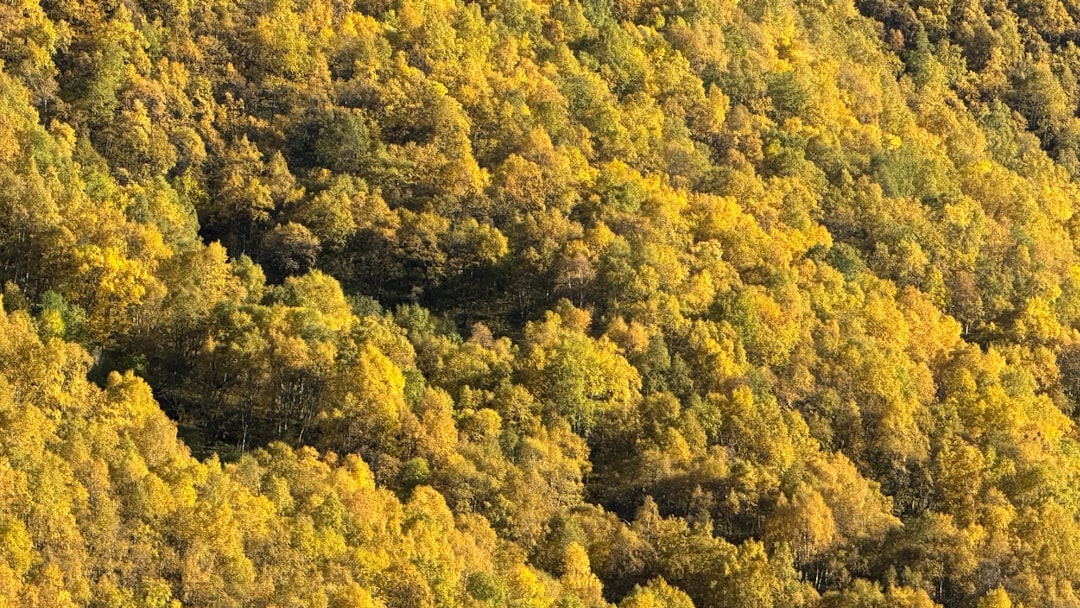
- Fall: Sandhill crane migration, fiery foliage, and crisp mornings.
- Winter: Frosted landscapes, snowshoeing photo adventures, unique animal behaviors.
7. Local Expertise, Community & Resources for American Adventures
Sherburne offers opportunities for budding photographers to join supportive clubs and workshops:
- Sherburne Photography Club: Welcomes visitors to monthly meetups and field trips.
- Many regulars generously share insights and techniques on social media.
- Internal inspiration: Best Wildlife Destinations 2025 highlights more unforgettable nature experiences.
Featured-Snippet Lists
Top Wildlife Photography Tips for Sherburne Refuge:
- Use telephoto lenses for birds and medium zooms for landscapes.
- Arrive at sunrise or golden hour for best natural lighting.
- Be patient—wait quietly for wildlife to approach.
- Keep backgrounds uncluttered for standout subjects.
- Respect animal space and shoot ethically.
Packing List for a Sherburne Photo Adventure:
- Binoculars and multiple camera lenses
- Insect repellent, hat, and sunscreen
- Sturdy hiking boots and layered clothing
- Tripod for early morning/low light
- Water, snacks, and a trail map
Seasonal Highlight Calendar:
- Spring: Lupine bloom, bird migrations
- Summer: Insect and flower macro shots
- Fall: Sandhill crane migration, vivid foliage
- Winter: Snow scenes, peaceful solitude
Must-Know Visitor Info
- Open daily: ½ hour before sunrise to ½ hour after sunset
- No permit needed for personal or commercial still photography
- All trails and platforms require respectful, leave-no-trace conduct
For up-to-date activity alerts, check the US Fish & Wildlife Service Sherburne page.
Internal & External Resources for Further Exploration
Broaden your adventure or deepen your wildlife photography skills with these helpful links:
- Internal: Ontario Wildlife Photography Guide—expert tips for photographing North American birdlife.
- Internal: Safari Packing List for Photographers—essential travel gear for outdoor shoots.
- External: Tripadvisor Sherburne National Wildlife Refuge Reviews—recent traveler feedback and up-to-date site details.
Conclusion
Sherburne National Wildlife Refuge stirs the soul and inspires creativity, whether you’re looking for Minnesota’s finest birdwatching, peaceful trails, or the perfect wildlife photo. As the seasons change, so too do the refuge’s colors, species, and moods—each visit promising discoveries and unforgettable moments. Charge your batteries, pack your curiosity, and prepare to see nature’s richness through a new lens. There’s never been a better time to explore, reflect, and share the magic.
Frequently Asked Questions
What are the best months for wildlife photography in Sherburne National Wildlife Refuge?
The most photogenic months are September and October for sandhill crane migration, and May to June for wildflower blooms. Winter brings unique snow scenes, while spring delivers early migratory birds.
What gear should I bring for a Sherburne photo shoot?
Pack a telephoto lens for birds, wide-angle lens for landscapes, tripod, binoculars, insect repellent, and layered clothing for changing weather.
Are there specific trails or drives for first-time visitors?
Absolutely—start with the Prairie Wildlife Drive for scenery and wildlife, then try the Oak Savanna Learning Center trails for accessible bird and macro shots.
Is Sherburne suitable for beginners in wildlife photography?
Yes—many beginners start here thanks to clear viewing platforms, forgiving landscapes, and abundant wildlife. The photography club and on-site resources offer extra support for new photographers.